Portuguese
  Spanish


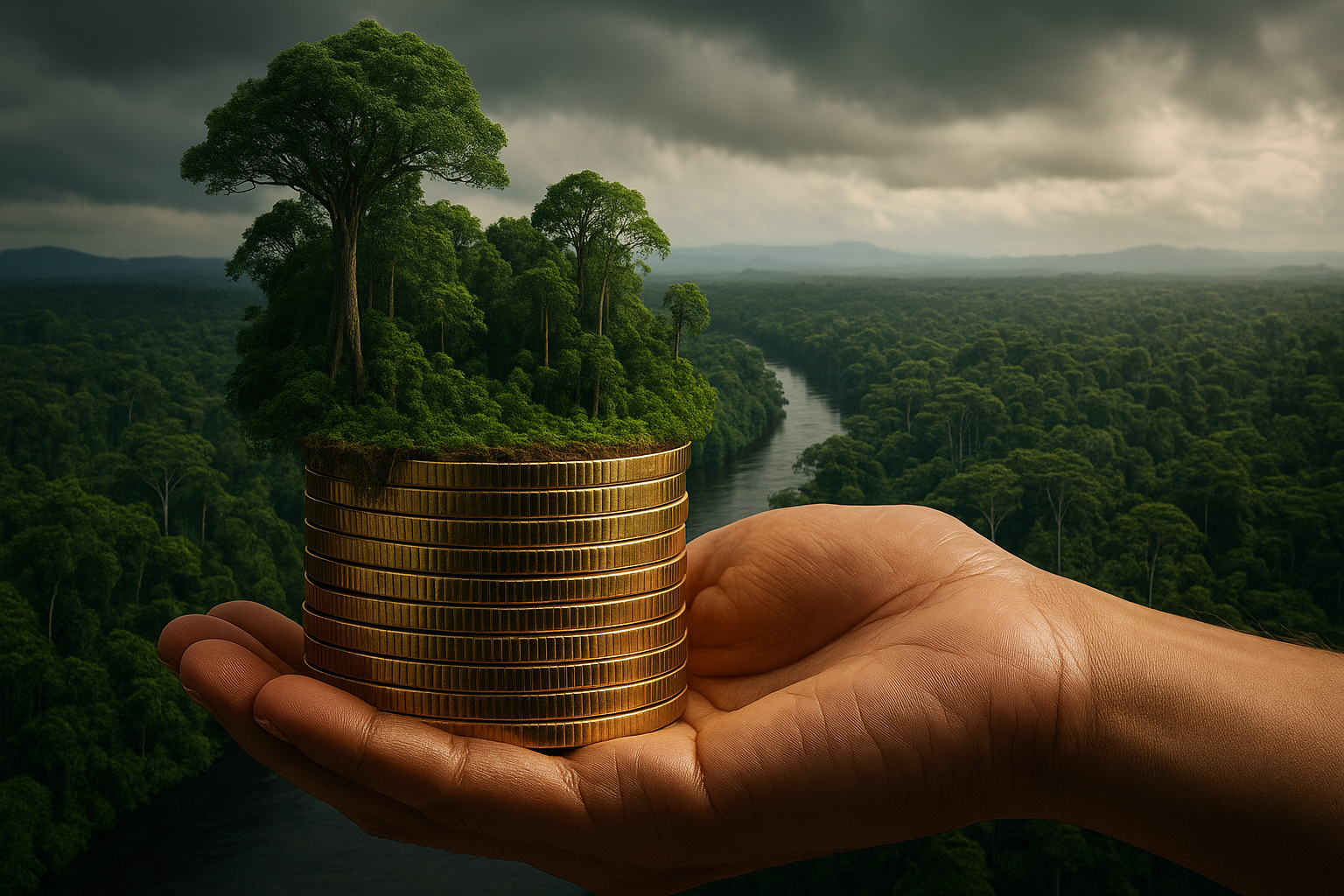

Brazil Launches Fund of R$ 673 Billion to Save Forests, Attract Investors, and Lead the Future of Global Sustainability.
Brazil Bets on Billion-Dollar Fund to Preserve Forests and Ensure a Sustainable Future
The Brazil will launch on this Thursday (6) one of the largest environmental preservation funds on the planet. Named “Tropical Forests Forever Facility (TFFF)”, the program aims to raise R$ 673 billion — about US$ 125 billion — to protect the tropical forests and boost the future of global sustainability.
The announcement takes place in Belém (PA), just before COP 30, reinforcing Brazil’s leadership in environmental discussions.
The initiative, led by the Lula government, aims to unite foreign governments and private investors in an unprecedented financial strategy.
-
Green Roofs on Homes Gain Popularity for Reducing Heat, Noise, and Rain Impact in Brazil

-
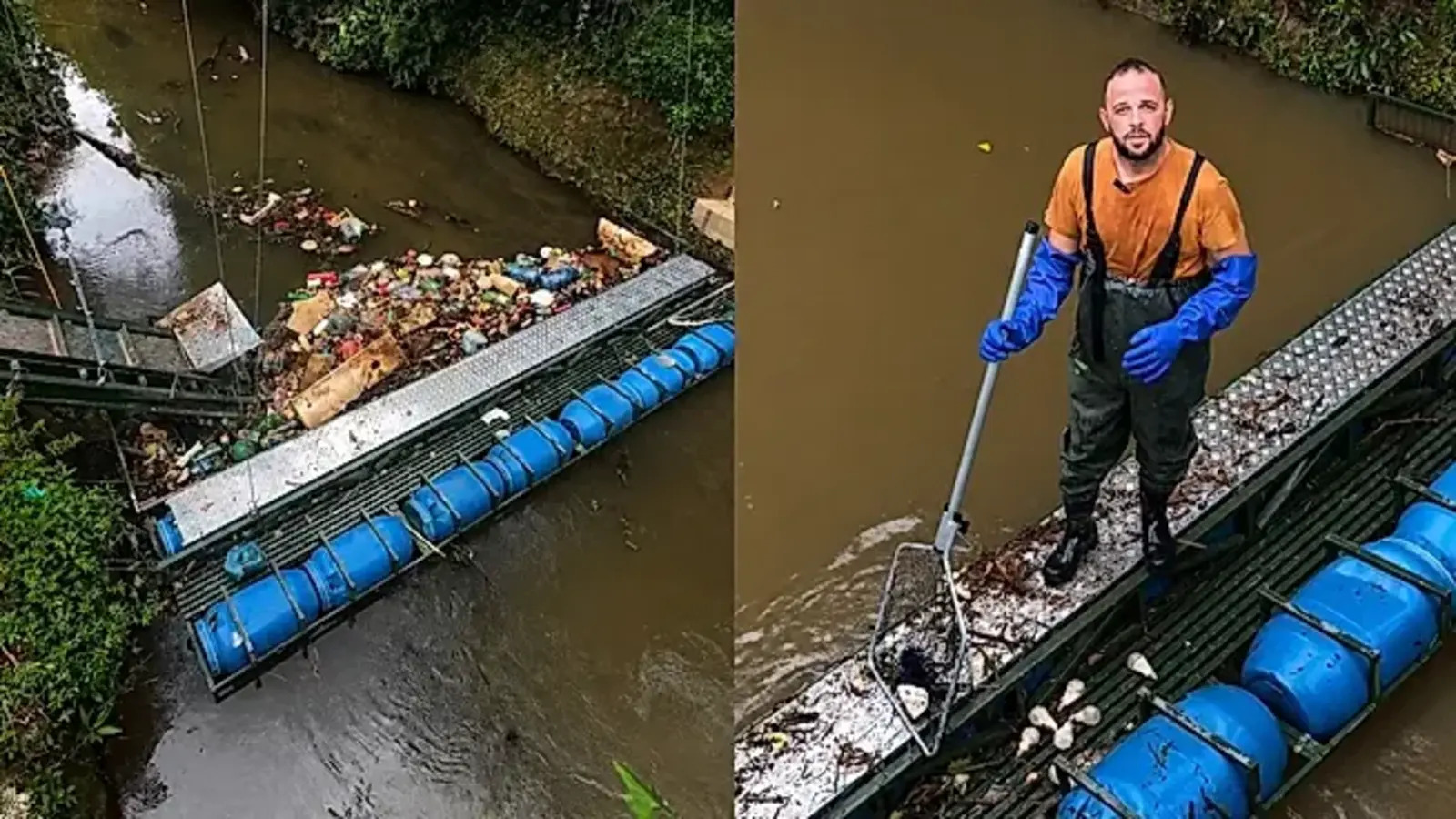
Brazilian promises his children to save a river, creates an eco-barrier in his backyard, has already removed more than 40 tons of trash from the water, and even inspires the idea in other states of the country.

-
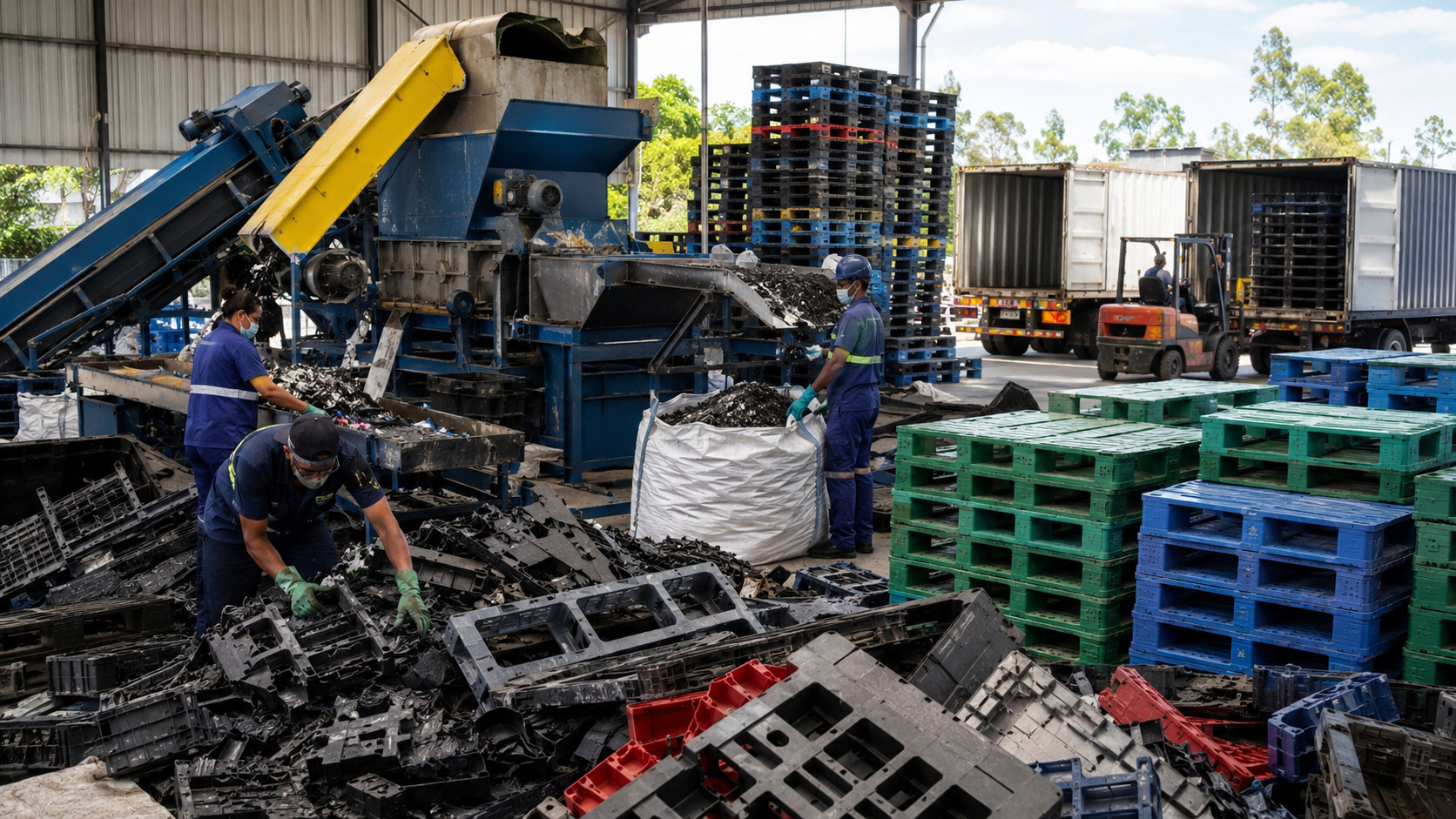
How a Brazilian company created a system that transforms broken pallets of any brand into new assets, recycles 80 tons of plastic per month, and found a profitable solution to a problem that challenges industries across the country.
-
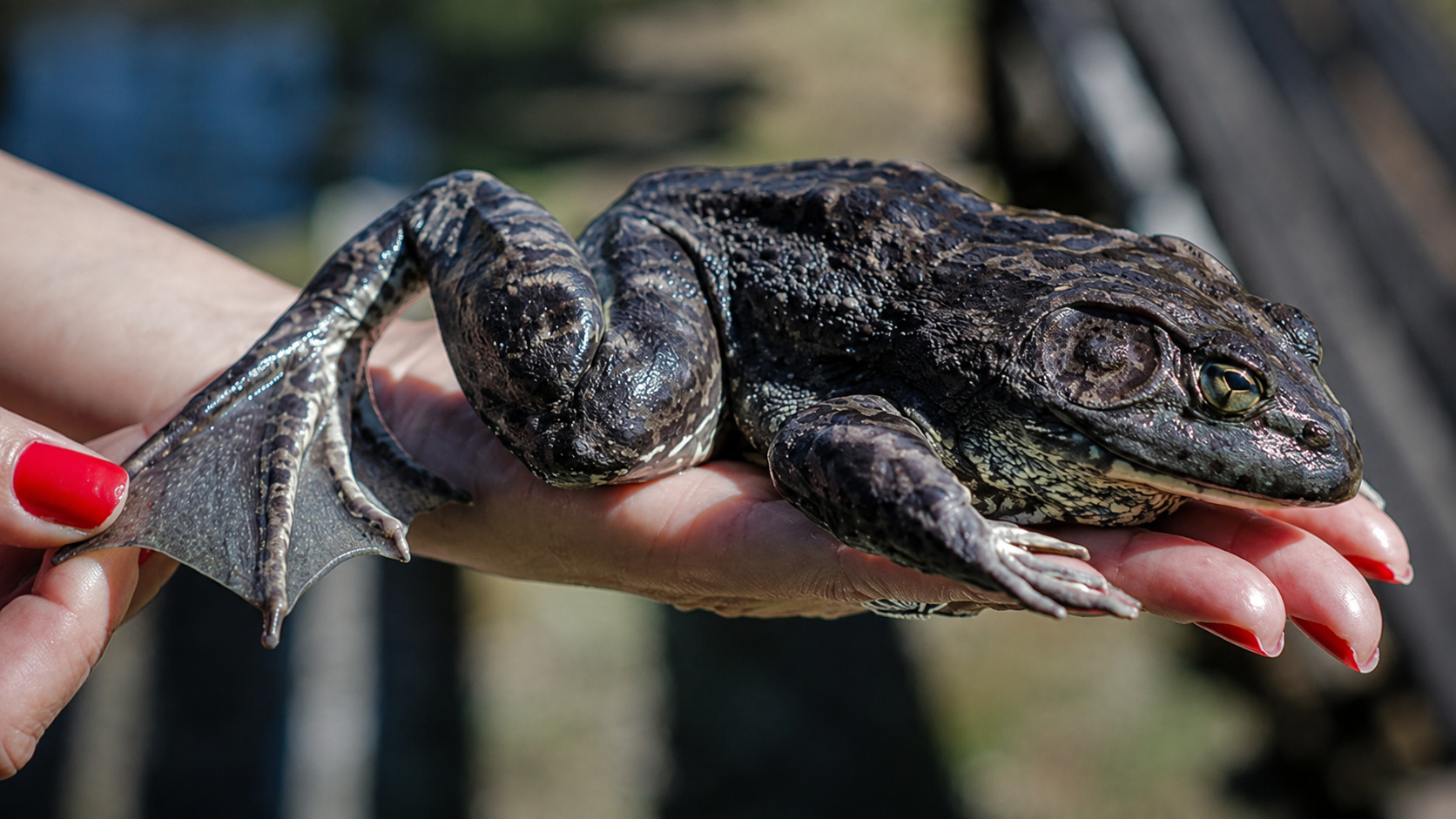
Invasive bullfrog capable of devouring other amphibians and laying up to 20,000 eggs is found in Florianópolis, raising an alert about the threat to native fauna.

The goal is to transform forest preservation into a long-term economic asset, securing ongoing resources to protect the Amazon biome and other green areas in developing countries.
Fund Will Pay Countries for Each Hectare of Preserved Forest
The Tropical Forests Forever Facility operates in a simple yet powerful way: countries that maintain deforestation rates below 0.5% per year will receive payments proportional to the preserved hectares.
This way, the project creates a direct economic incentive for nations to keep their forests standing, turning environmental preservation into a source of sustainable income.
According to the government, the proposal is innovative precisely because it offers permanent financial returns to those who protect the environment. The idea breaks with the traditional model of one-time donations by creating an investment structure that rewards continuous care for ecosystems.
Fundraising: R$ 134.6 Billion in the First Phase
In the initial phase, Brazil intends to raise R$ 134.6 billion from sponsoring countries willing to take on initial risks and potential losses. This stage will provide a solid foundation for the later entry of private investors, who are expected to contribute an additional R$ 538.4 billion, totaling the estimated R$ 673 billion.
Potential partners include pension funds, sovereign funds, and international climate financing agencies, interested in ensuring profitability along with sustainability. Thus, Brazil seeks to combine preservation and profit, proving that a green future can also be economically viable.
Estimated Annual Revenue and Global Impact
According to official projections, the TFFF is expected to generate around R$ 21.5 billion per year in returns, benefiting up to 74 emerging countries that maintain effective conservation policies. This structure aims to strengthen international cooperation and consolidate Brazil as a global leader in sustainability.
Furthermore, the model may inspire other nations to create similar mechanisms, promoting a new economy based on forest preservation. In this way, the country intends not only to preserve what is left of the Amazon but also to influence global environmental policies in the coming decades.
Brazil Wants to Show Strength at COP 30
The choice to announce the megafund in Belém, a city that will host COP 30 in 2025, is not a coincidence. The government wants to take advantage of the symbolism of the Amazon as the stage for discussions about future and sustainability.
According to the Ministry of the Environment, the TFFF is more than a financial measure — it is a historic commitment to future generations. “Protecting forests means protecting the future of the planet,” a government spokesperson stated.
With the Tropical Forests Forever Facility, Brazil reaffirms its role in climate leadership and sends a clear message to the world: the sustainable future depends on concrete actions, and the country wants to be at the forefront of this transformation.