Portuguese
  Spanish




Brazil Develops Biofuel Made From Coconut Waste. Solution Can Reduce Waste, Generate Clean Energy, and Strengthen the Economy. See How the Technology Works
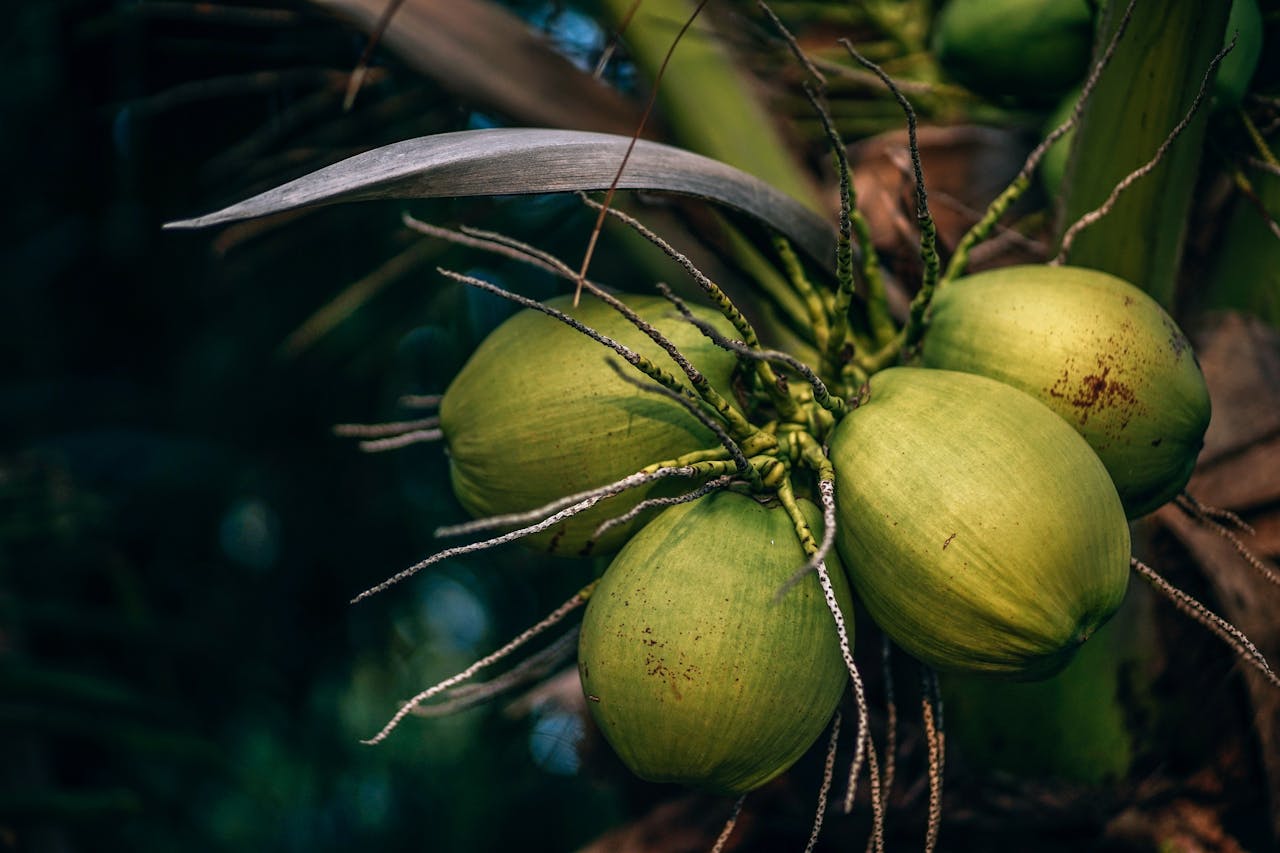
Researchers in Aracaju are changing the fate of organic waste in the city. The skin of the green coconut, common on the streets and beaches of the Sergipe capital, is being used to produce biofuel. The initiative proposes a new way to handle waste and strengthen the Brazilian energy matrix.
The project is conducted by the Institute of Technology and Research (ITP), through the Nucleus of Studies in Colloidal Systems (NUESC), linked to the Tiradentes Group. The focus of the research is to transform coconut husk into renewable fuel, helping to reduce environmental impacts and promoting the so-called circular economy.
Every week, about 190 tons of coconut husk (waste) are discarded in Aracaju. This material decomposes slowly and causes logistical and environmental problems. The researchers’ idea is to change this scenario using advanced technologies.
-
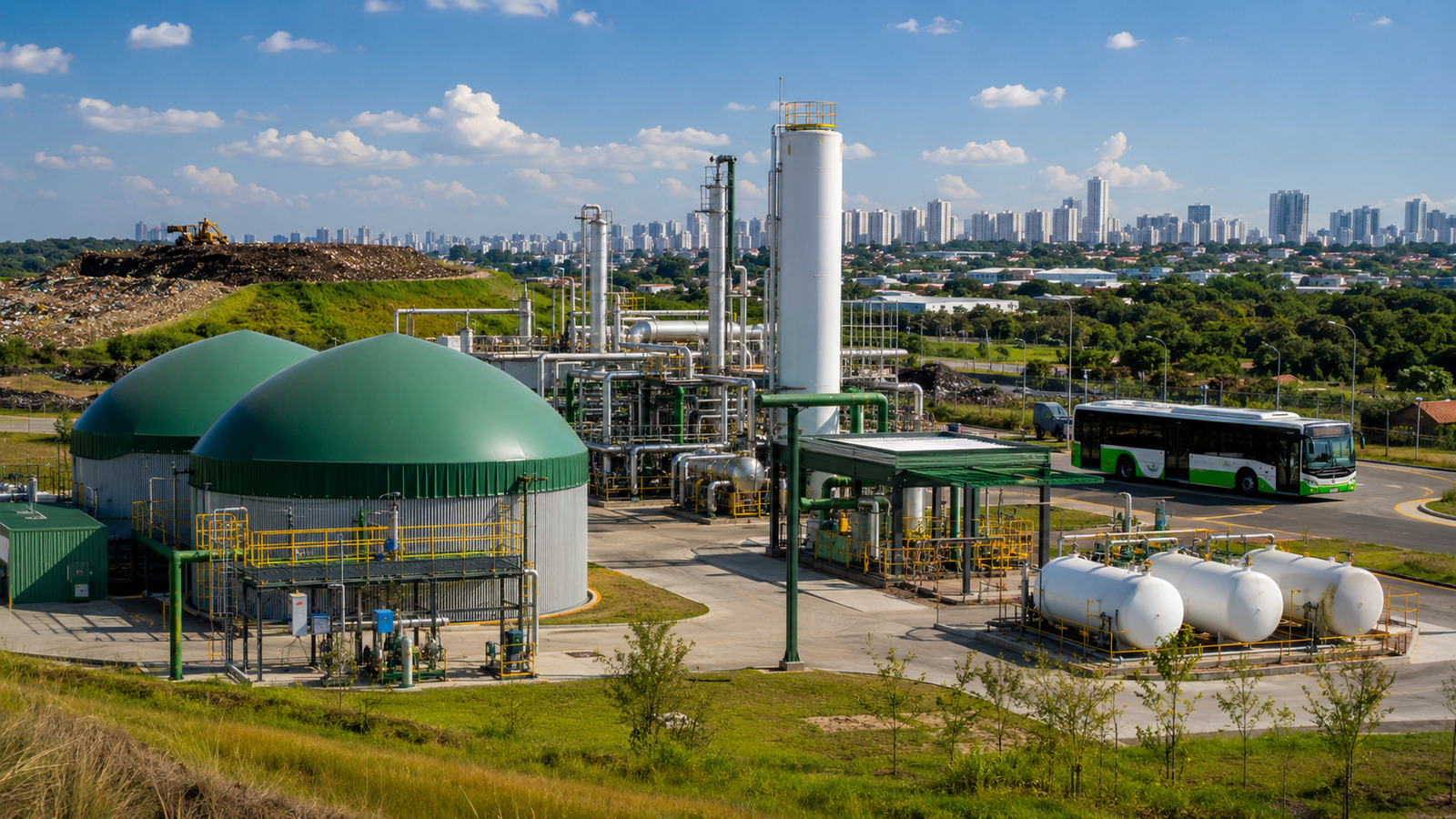
US$ 7 billion, green hydrogen, and steel with up to 95% less CO₂: the first green steel plant on the planet emerges in Sweden and targets Brazil as the next chapter

-
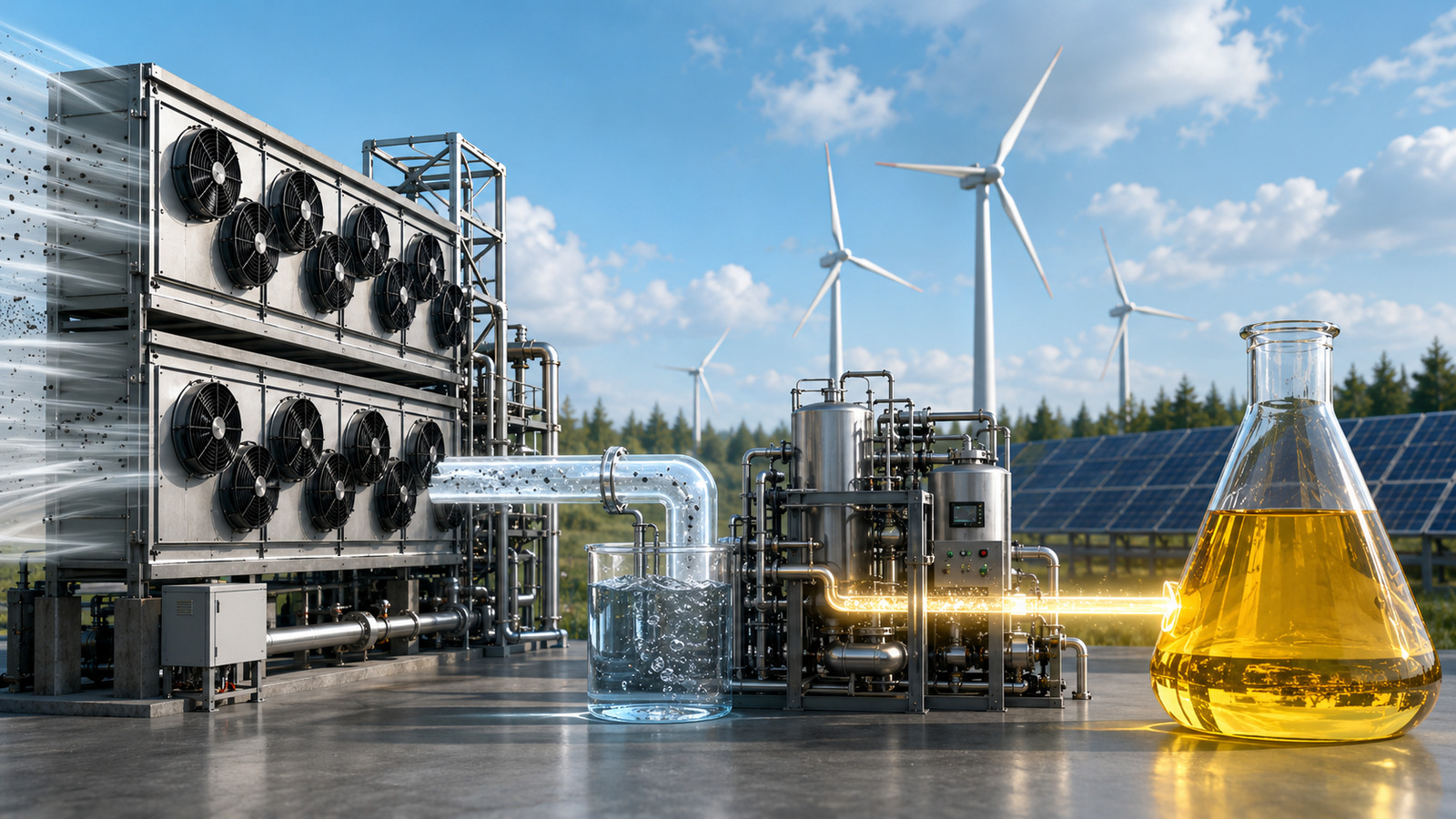
Swedes manage to create synthetic fuel with CO₂, water, and renewable energy, compatible with current engines, but face a huge problem: the energy expenditure is still double the return.
-
Brazil begins to transform wheat, residues, sweet potatoes, and soy molasses into ethanol, in a new phase of biofuels that seeks to utilize leftovers from the field and industry to fuel flex-fuel cars.

-
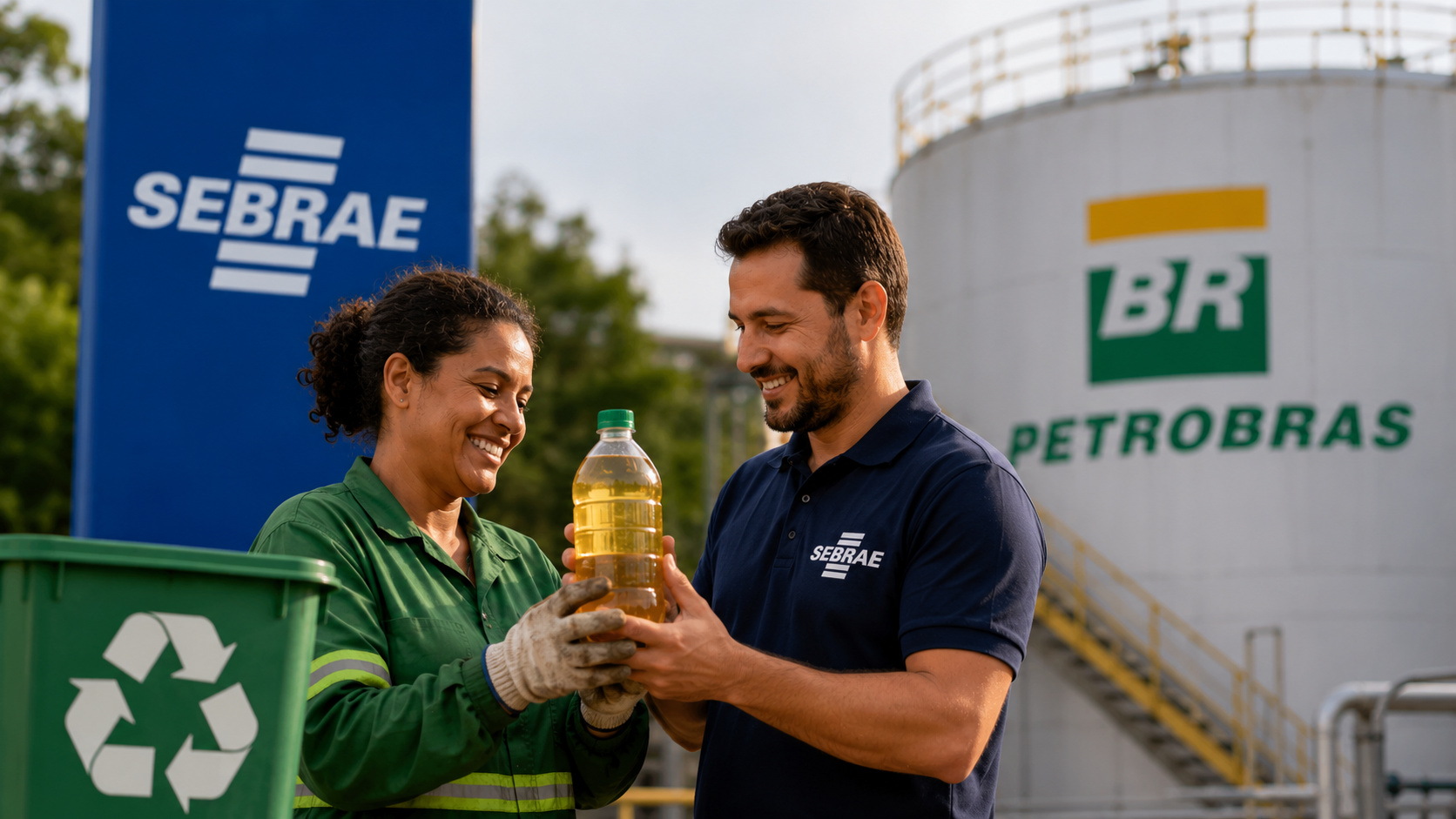
Sebrae and Petrobras join forces in Ceará to include waste pickers in the circular economy and strengthen the biofuel chain, creating new income opportunities and expanding the sustainable use of waste with a direct impact on regional development.



The skin of the green coconut has a high content of lignocellulose, a resistant compound that makes its degradation difficult. On the other hand, this same substance allows the coconut to be converted into ethanol, serving as a great source for biofuels.
The transformation process involves several stages: drying, grinding, and thermal treatments. Among the techniques used are pyrolysis and gasification. These methods help prevent methane emissions, a gas that would be released if the coconut were disposed of in regular landfills.
In pyrolysis, the material is heated without the presence of oxygen. This breaks down the organic matter and generates components that serve to create the fuel. Gasification, on the other hand, transforms biomass into a gas called synthesis gas.
This gas, composed of hydrogen and carbon monoxide, can be used to generate electricity or refined into sustainable liquid fuels.
The project also generates economic benefits. In addition to reducing the carbon footprint, it opens up space for jobs and the development of new technologies. Thus, Brazil advances in the clean energy sector and in waste utilization.
Research like this reinforces the country’s role in the search for sustainable solutions. The utilization of green coconut husks, previously seen only as waste, is now transformed into an energy alternative with great potential.
With information from Tempo.