Portuguese
  Spanish


Discover How Brazil, The USA, and Mexico Lead Wind Energy Production in The Americas, Driving Sustainable Growth and A Clean Energy Matrix.
The production of wind energy in The Americas has established itself as one of the main pillars of the continent’s energy matrix.
Moreover, Brazil, The United States, and Mexico stand out in this movement, making significant advances in the installation of wind farms and in the creation of public policies that encourage the expansion of this renewable source.
Consequently, this evolution reflects a historical context of seeking more sustainable energy alternatives and reducing dependence on fossil fuels.
-
Brazil filled the Northeast with wind turbines but now faces the side effect of 705 giant blades reaching the end of their lifespan by 2032 just in Rio Grande do Norte, while the world projects 43 million tons of waste by 2050.

-
Brazil has filled the Northeast with wind turbines, but now it faces the side effect of 705 giant blades reaching the end of their useful life by 2032 just in Rio Grande do Norte, while the world projects 43 million tons of waste by 2050.
-
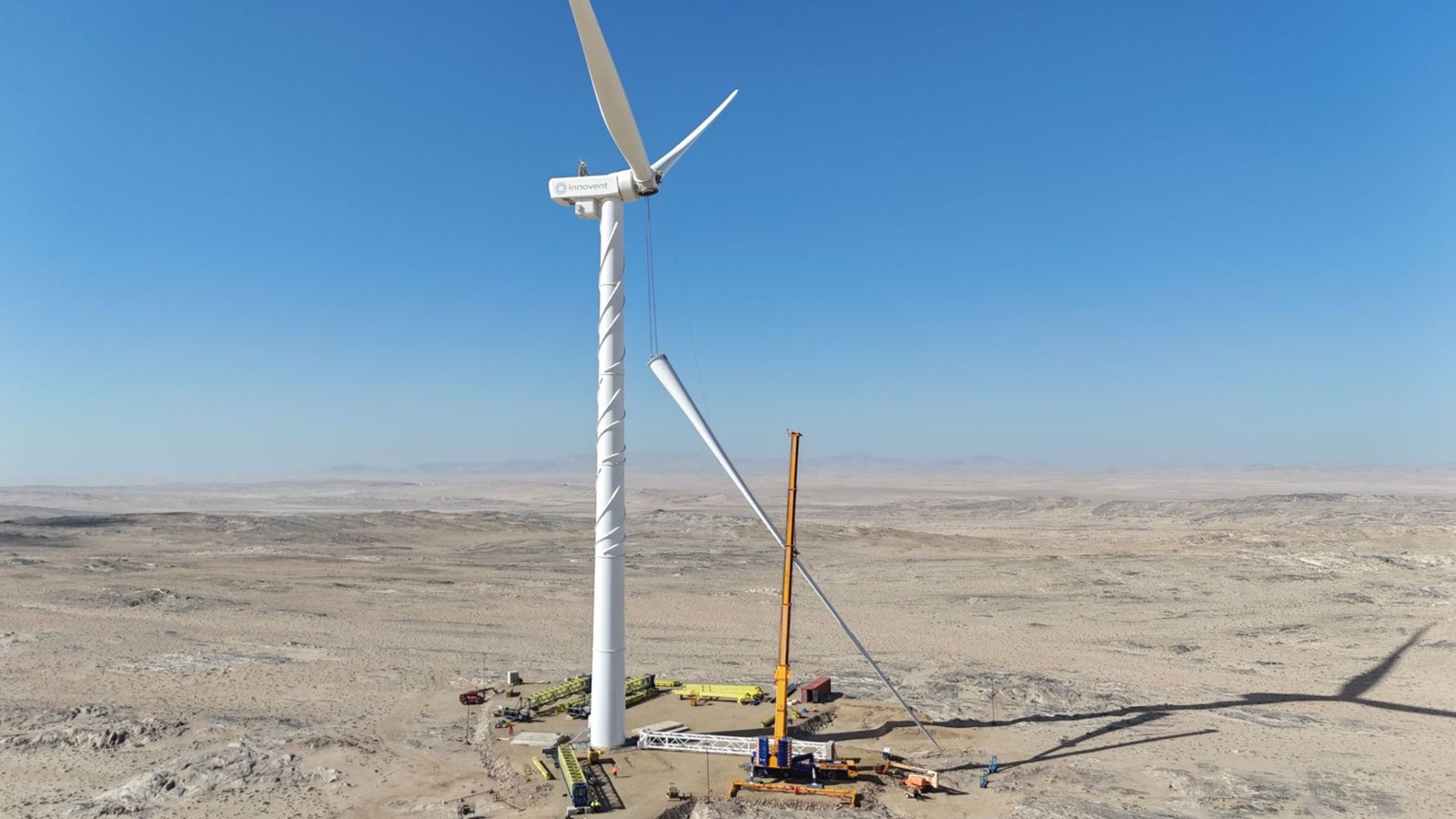
Wind farm in Namibia will have wind turbines assembled without giant cranes and is expected to avoid 200,000 tons of carbon dioxide per year when it becomes operational.

-
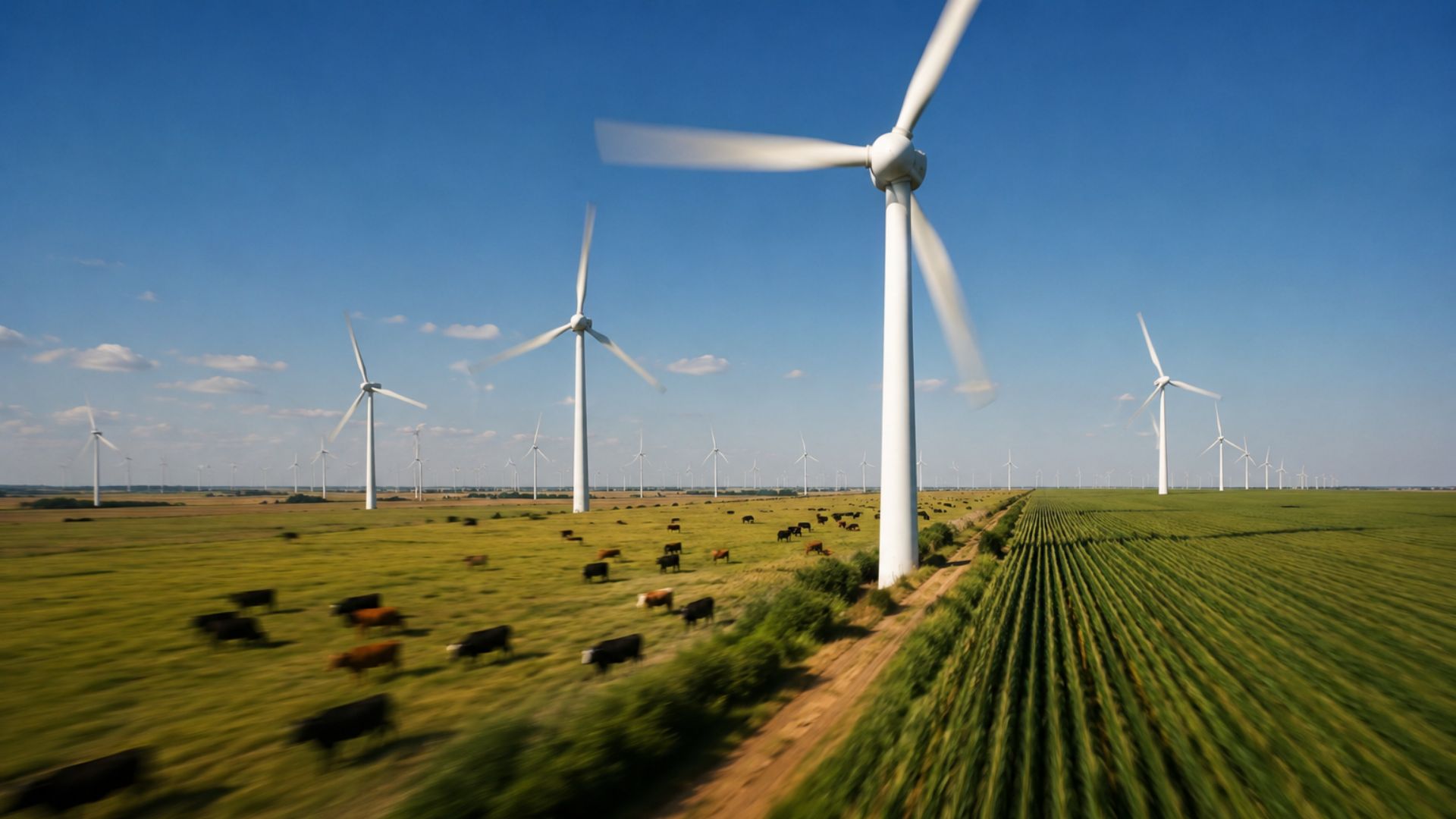
Taller than the Statue of Liberty, thousands of wind turbines are being planted in the middle of U.S. fields, creating two-story farms where corn and soybeans grow below while the wind turns into electricity above.


The American continent plays a relevant role in global wind energy generation.
In fact, recent data from the Global Wind Energy Council (GWEC) shows that The Americas account for about 25% of the world’s installed wind energy capacity.
This data not only highlights the natural potential of the region. But also the efforts made to turn wind into a reliable source of electric energy.
Furthermore, since the beginning of the 21st century, the continent has been investing in more efficient technologies, competitive auctions, and policies that stimulate the private sector to actively participate in this market.
The Importance of Wind Energy Production in The Americas
Historically, wind energy in The Americas has gone through different phases of development.
Initially, projects were modest and limited to regions with strong winds. However, the advancement of turbine technology and the reduction of production costs allowed for expansion in various regions.
Thus, this growth is not limited to energy generation alone but also to the creation of a supply chain and qualified professionals. Who contribute to local and regional economic development.
In the case of Brazil, the trajectory of wind energy began in the early 2000s, when the first parks began to operate modestly.
Over the years, the country accelerated its expansion thanks to government incentives and energy auctions that made projects more financially attractive.
Currently, Brazil has an installed capacity of 14.7 GW, representing about 8% of the national energy matrix.
Just as the Brazilian Northeast stands out as the main hub for wind energy production, states like Piauí, Rio Grande do Norte, and Bahia lead in energy generation from wind.
Goals and Strategic Planning of Brazil
Favorable climatic conditions, such as consistent winds and strong solar incidence, have made the Northeast a strategic region for the sector.
Additionally, Brazil invests in planning and long-term goals.
Therefore, the government projects that, in the next ten years, wind energy will account for 13% of the national electrical matrix.
This ambitious goal demonstrates the intent to consolidate winde energy production in The Americas as a fundamental element for energy sustainability and for reducing carbon emissions.
To achieve these objectives, Brazil conducts regular energy auctions, allowing investors to plan and execute new projects with financial security.
Furthermore, these auctions attract international companies, enhancing technological know-how and ensuring that the installation of wind farms follows global efficiency standards.
As a result, tax incentives and financing lines strengthen the competitiveness of the sector and make wind energy a more accessible and reliable alternative.
In The United States, the history of wind energy has even deeper roots.
Indeed, commercial production began in the 1980s, driven by tax incentive policies and technological development.
Over time, The United States has become one of the largest wind energy markets in the world, with installed capacity exceeding 105 GW.
Moreover, the country stands out not only for the quantity but also for the diversity of projects, ranging from large onshore farms in Texas and Iowa to offshore farms on the east coast.
Thus, the North American growth demonstrates how consistent policies, combined with technological innovation, transform wind into a reliable and competitive source of electricity.
Regional Expansion and the Role of GWEC
In the landscape of The Americas, winde energy production is not limited to the three main countries.
Additionally, other markets, such as Canada, Argentina, and Colombia, have also recorded significant growth.
For example, North America increased 10.8% of installed capacity in 2018 compared to the previous year, while Latin America advanced 18.7% in the same period.
Therefore, this growth reinforces the trend of diversification of the energy matrix on the continent and the strengthening of the wind sector as a sustainable and economically viable alternative.
The GWEC plays a fundamental role in this process.
In fact, founded in Brussels, the council brings together more than 1,500 companies and organizations in over 80 countries, including equipment manufacturers, research institutes, national associations, and energy suppliers.
Furthermore, the GWEC acts as a catalyst for the development of wind energy, promoting studies, events, and analyses that help governments and companies make strategic decisions.
Thus, by monitoring the expansion of winde energy production in The Americas, the council contributes to consolidating public policies and investments that strengthen the sector throughout the region.
Additionally, the GWEC encourages the sharing of experiences and best practices among countries in The Americas, strengthening the regional market.
This includes technology transfer, professional training, and the development of operational standards that enhance the efficiency of wind farms.
In this way, the council acts as a bridge between technological innovation and practical application, benefiting both large investors and local communities.
Historically, the transition to renewable sources has faced challenges related to infrastructure, financing, and social acceptance.
However, the success observed in South America and North America demonstrates that, with adequate planning, wind energy becomes one of the main sources of electricity.
Growth and Sustainability Perspectives
The future of winde energy production in The Americas indicates continuous growth.
In fact, projections suggest that between 2019 and 2023, about 60 GW in new wind capacities will be integrated into the continent’s energy matrix.
Consequently, these numbers reflect not only the natural potential of the region but also the maturity of the sector and the confidence of investors and governments in the economic viability of wind energy.
Thus, the increase in installed capacity generates more clean electricity, reduces greenhouse gas emissions, and enhances energy security for millions of people.
In Brazil, the strategic planning foresees regular auctions to install new wind farms, with construction timelines ranging from four to six years.
Therefore, these initiatives demonstrate the country’s commitment to increasing its participation in the regional energy matrix.
Moreover, the projected growth of 2.2% per year for wind energy in the country reinforces that Brazil aims to maintain its leadership in wind energy production in The Americas.
The development of wind energy also encourages innovation in energy storage, integration with other renewable sources, and improvements in electrical transmission networks.
Thus, these technological advancements ensure that the energy generated is distributed efficiently, even in regions distant from urban centers, increasing the reliability of the electrical system and benefiting the population.