





 Portuguese
  English
  Spanish
  3 min of reading
  0 comments


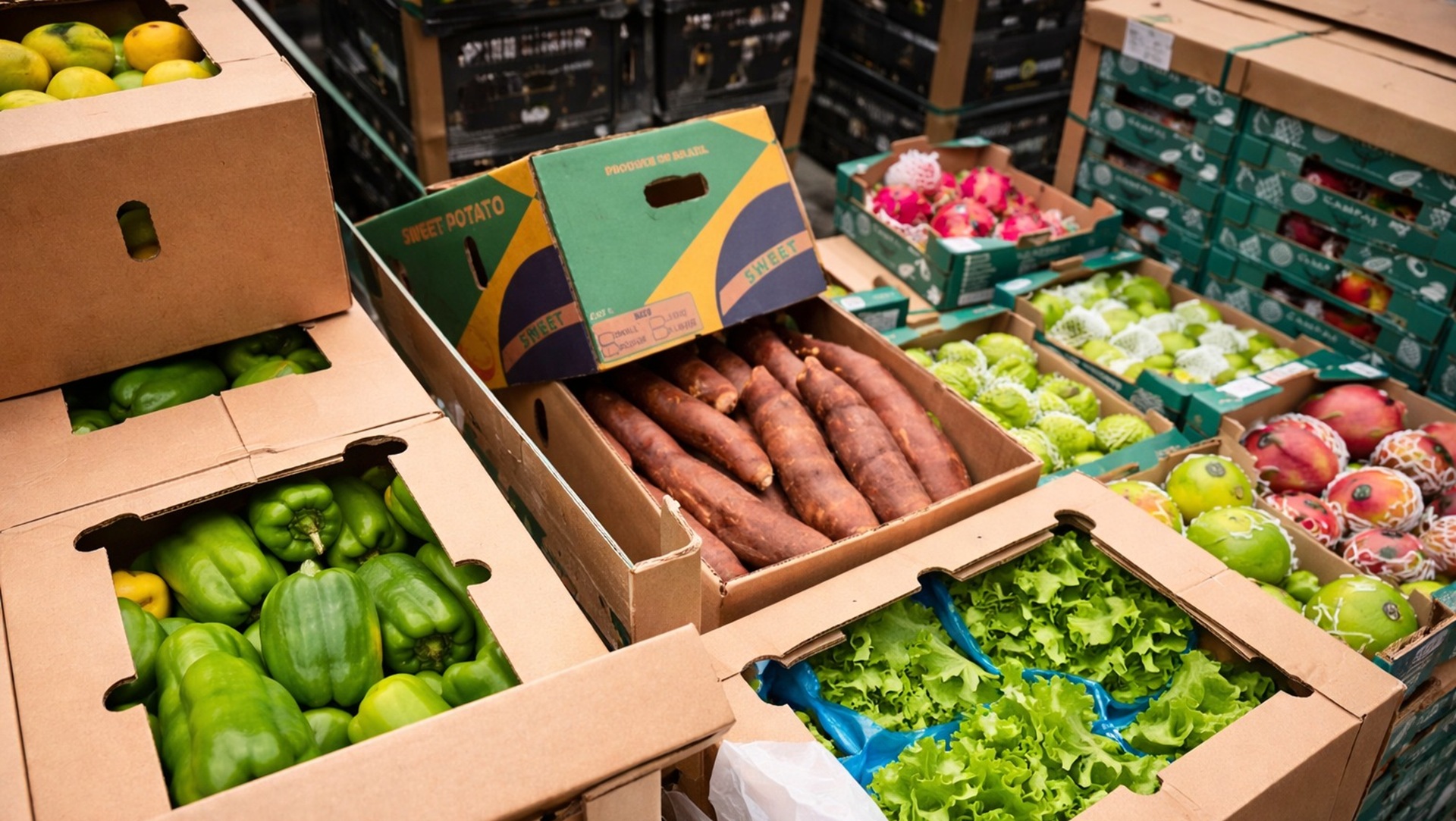
Unprecedented Operation Departed from Viracopos with Approximately 5 Tons of Brazilian Fruits and Vegetables Sent on Direct Flight to Sal Island, Cape Verde, in a Logistical Test Aiming to Assess the Feasibility of Regular Supply of Fresh Products to the Tourist Destination
Brazil carried out its first-ever export of fresh fruits and vegetables on a direct flight to Sal Island, Cape Verde. The operation departed on Sunday (8) from Viracopos International Airport in Campinas (SP), transporting approximately 5 tons of agricultural products.
The delivery was made by a chartered cargo plane that flew directly to the island, one of the most sought-after tourist destinations in the Cape Verde archipelago. The shipment took place after inspection by the International Agricultural Surveillance (Vigiagro), an agency of the Ministry of Agriculture and Livestock (Mapa).
First Direct Shipment of Brazilian Fruits and Vegetables to Sal Island
The export marks the first time that Brazilian fruits and vegetables arrive directly at Sal Island without intermediate stops. Until now, products destined for Cape Verde followed routes that included European airports and subsequent maritime transport to the final destination.
-
Santa Catarina leads national production in 12 agribusiness chains and dominates more than 50 segments ranging from apples to oysters and from pork to knit fabrics. The state consolidates its position among the five largest producers in Brazil in almost everything it produces.

-
The most consumed fish in Brazil may be added to the official list of invasive exotic species this Wednesday, and Conabio’s proposal regarding tilapia divides the government, alarms fish farming, and reignites a debate that the Ministry of the Environment insists does not mean a ban.
-
After BYD and others, China invades Brazil with giant tractors of up to 700 hp, 50% fuel savings, and a billion-dollar factory planned after Zoomlion projects R$ 500 million in sales in Brazilian agriculture.
-
China buys 1.1 million tons of beef in four months, an increase of 25.75%, and Brazil leads with 612.87 thousand tons




According to the head of Vigiagro in Viracopos, Rita Lourenço, the first shipment was conducted on an experimental basis. The operation included small quantities of different agricultural foods to assess the feasibility of expanding direct shipments of fruits and vegetables in the future.
Operation Seeks to Test New Logistics Model
According to the civil servant of the Ministry of Agriculture and Livestock, the initial goal is to test whether direct logistics can be adopted more frequently. The new route could reduce transport steps and facilitate the arrival of fresh fruits and vegetables to the African archipelago.
The expectation is that Brazilian foods will mainly supply hotels and resorts on Sal Island. The destination receives a large flow of tourists and has a constant demand for fresh fruits, vegetables, and greens.
Direct Flight Can Improve Food Preservation
According to the Mapa, direct transportation of fruits and vegetables contributes to extending the shelf life of the products. The reduction of logistical steps also favors the preservation, presentation, and durability of food.
Another differentiator of the operation is that fruits and vegetables were sent directly from production to the final destination. This model eliminates intermediaries and can add value to Brazilian agricultural products being exported.
List of Fruits and Vegetables Sent on the Cargo Plane
The cargo plane left Brazil carrying approximately 5 tons of fruits and vegetables and other agricultural foods. Among the products loaded were tropical fruits, vegetables, and greens intended for market testing.
Among the items sent were mango with 576 kg, purple fig with 240 kg, and pitaya with 36 kg. Also transported were starfruit with 7.2 kg, guava with 13.8 kg, and papaya with 891 kg.
The load also included fresh tomatoes with 18 kg, fresh lettuce with 6.4 kg, and bell peppers with 234 kg. Other products included cassava with 108 kg, Tahiti lime with 1,310 kg, and avocado with 720 kg.






-

-

2 people reacted to this.