






 Portuguese
  Spanish


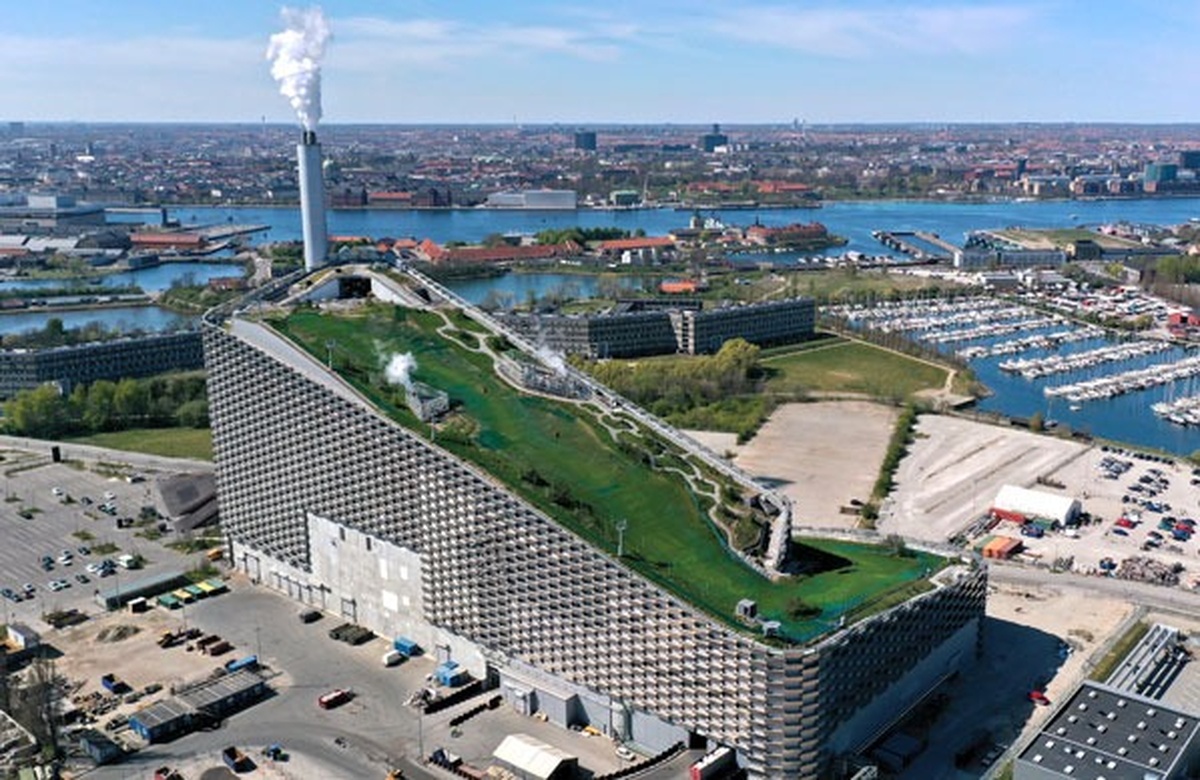
Solid Waste Management, Climate Goals, and Waste-to-Energy Put the Country in Front of a New Energy and Environmental Model
Firstly, the generation of municipal solid waste (MSW) is continuously growing in Brazil and worldwide. Moreover, the advancement of urbanization and consumption increases pressure on natural resources. In this context, the Waste-to-Energy (WtE) technology emerges as a strategic alternative. According to ABREN, energy recovery reduces landfills, reuses materials, and generates thermal and electrical energy in an environmentally controlled manner.
At the same time, the environmental agenda gained momentum after the Paris Agreement, signed in 2015. That year, Brazil committed to reducing greenhouse gas (GHG) emissions by 48% by 2025 and 53% by 2030, using 2005 as a baseline. Additionally, the country aims to achieve carbon neutrality by 2050. However, international data indicates that Brazil currently ranks sixth among the largest global emitters.
Waste Sector Is Considered Crucial to Achieve Climate Goals
According to Yuri Schmitke, president of the Brazilian Association of Waste Energy (ABREN), the waste sector needs to evolve quickly. As he highlighted in February 2026, a large portion of urban waste still goes to dumps and landfills. However, the National Solid Waste Policy (PNRS) recommends more sustainable solutions.
-
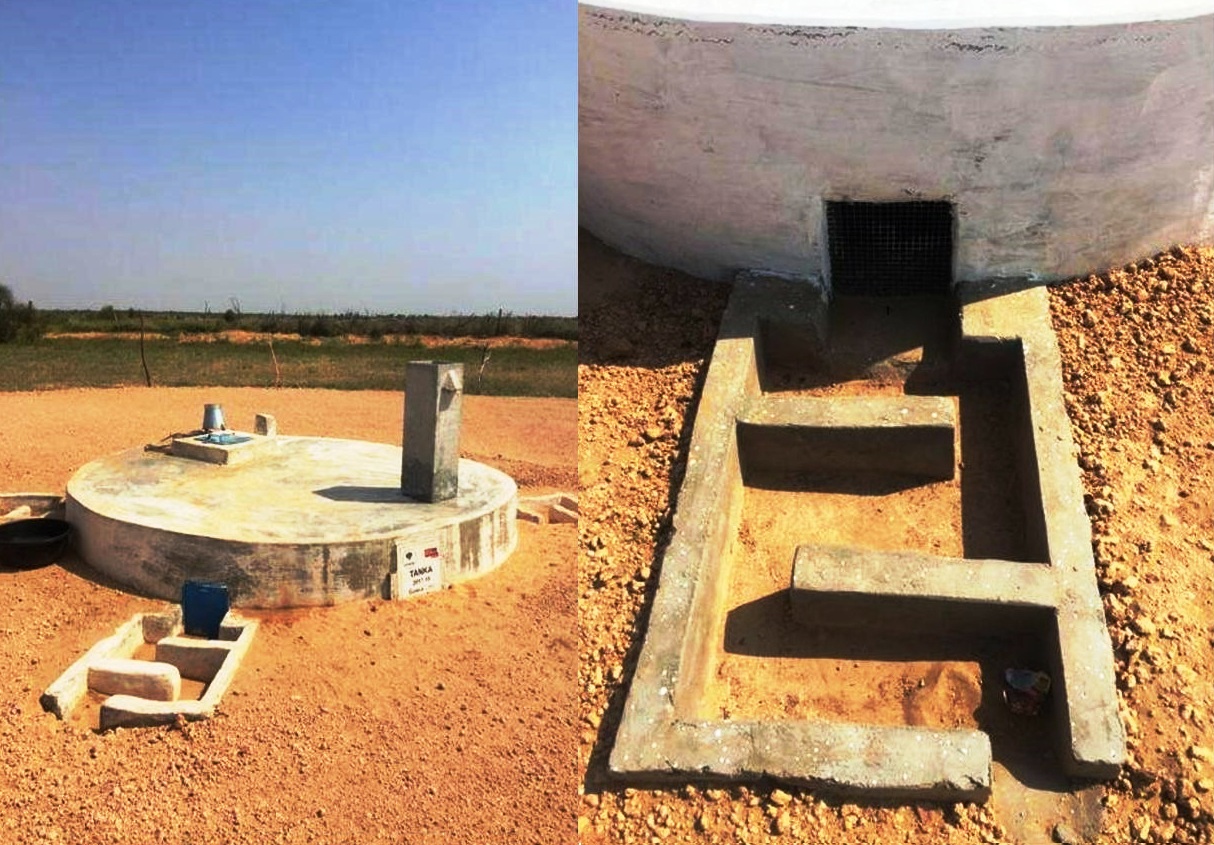
In the World’s Most Densely Populated Desert, Families Dig Funnel-Shaped Underground Cisterns to Capture Rare Rainfall and Store Drinking Water for Up to Eight Months

-
Smart Glass Revolutionizes Privacy: Touch-Activated Opacity Transforms Windows into Connected Home Features with App and Voice Control

-
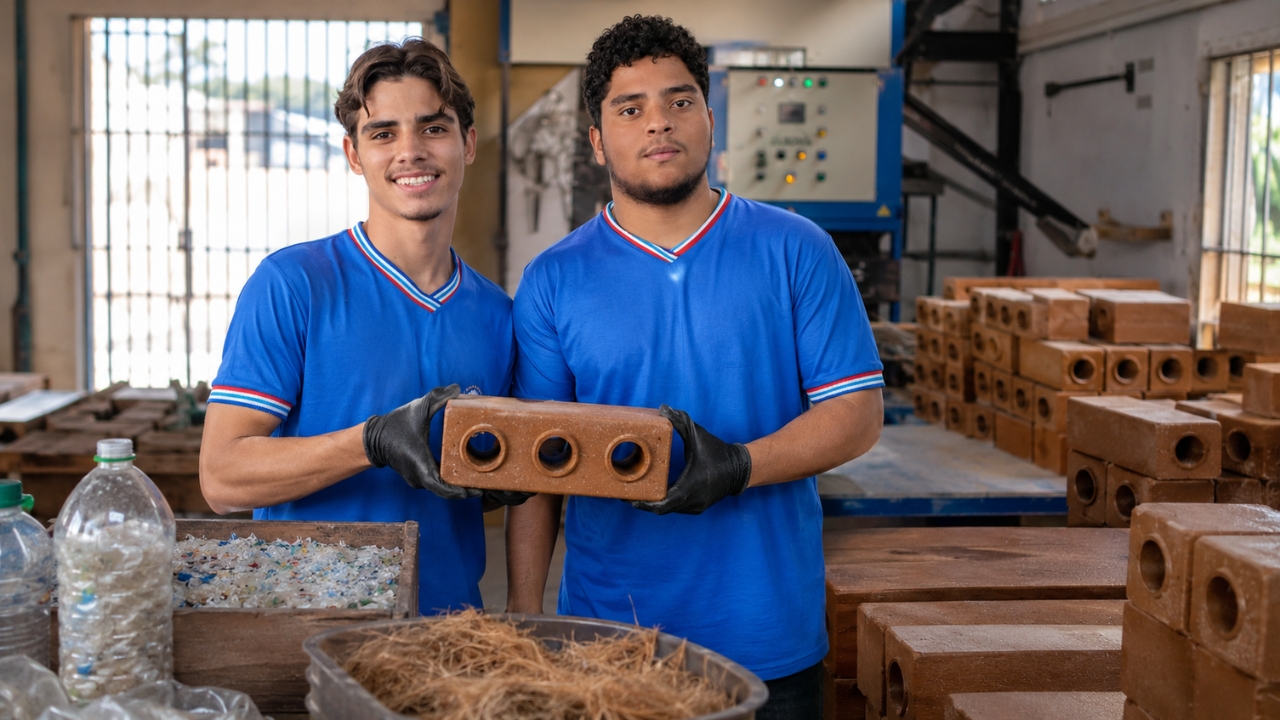
Young Innovators from Brazil Turn Discarded Plastic into Eco-Friendly Bricks Using Coconut Fiber, Offering a Sustainable Alternative for Construction
-
Brazilian Scientists Among Team Proposing to Turn Ocean Depths into Giant Gravity Battery Using Cargo Ships and Subsea Cranes



Furthermore, Schmitke emphasizes that the country should expand practices such as:
- Structured and Expanded Recycling
- Composting of Organic Waste
- Thermal and Biological Treatment
- Utilization of Biogas and Biomethane
Therefore, energy valuation appears as a complementary path. Consequently, in addition to reducing methane emissions, the strategy can strengthen the circular economy.
Potential for 130 Plants and Structured Financing Model
According to estimates from ABREN, released in 2026, Brazil could build up to 130 energy recovery plants (UREs). To achieve this, investments could reach R$ 181 billion. Moreover, the projected model includes Project Finance, long-term contracts, and energy purchase guarantees.
Simultaneously, the sector could also generate additional revenue through carbon credits. Thus, the financial structure is expected to provide greater predictability to investors. Nevertheless, according to the entity, it is essential to accelerate regulatory decisions.
Brazil Starts Implementation While Other Countries Advanced Decades Ago
Currently, Brazil is building its first three UREs. Among them, the URE Barueri in São Paulo stands out. According to the disclosed timeline, the plant is expected to start operations in January 2027. Additionally, it will have the capacity to process 825 tons of waste daily and an installed capacity of 20 MW.
Meanwhile, other countries have consolidated this model for decades. According to information presented by ABREN, there are over 3,000 energy recovery plants worldwide. In China, about 75% of urban waste goes to these plants. In Japan, the energy recovery rate reaches 70%.
National Zero Methane Program Is Seen as a Regulatory Tool
Finally, Schmitke advocates for the approval of the National Zero Methane Program, currently under consideration in the Federal Senate. The proposal aims to reduce methane emissions through the valorization of organic waste and energy generation.
Furthermore, the program envisions the creation of a biogas origin certificate. Thus, according to ABREN, the country will be able to align waste management, energy policy, and climate commitments made since 2015.
In light of this scenario, will Brazil be able to accelerate the modernization of municipal solid waste management and meet its environmental goals within the established deadlines?


Be the first to react!