






 Portuguese
  Spanish


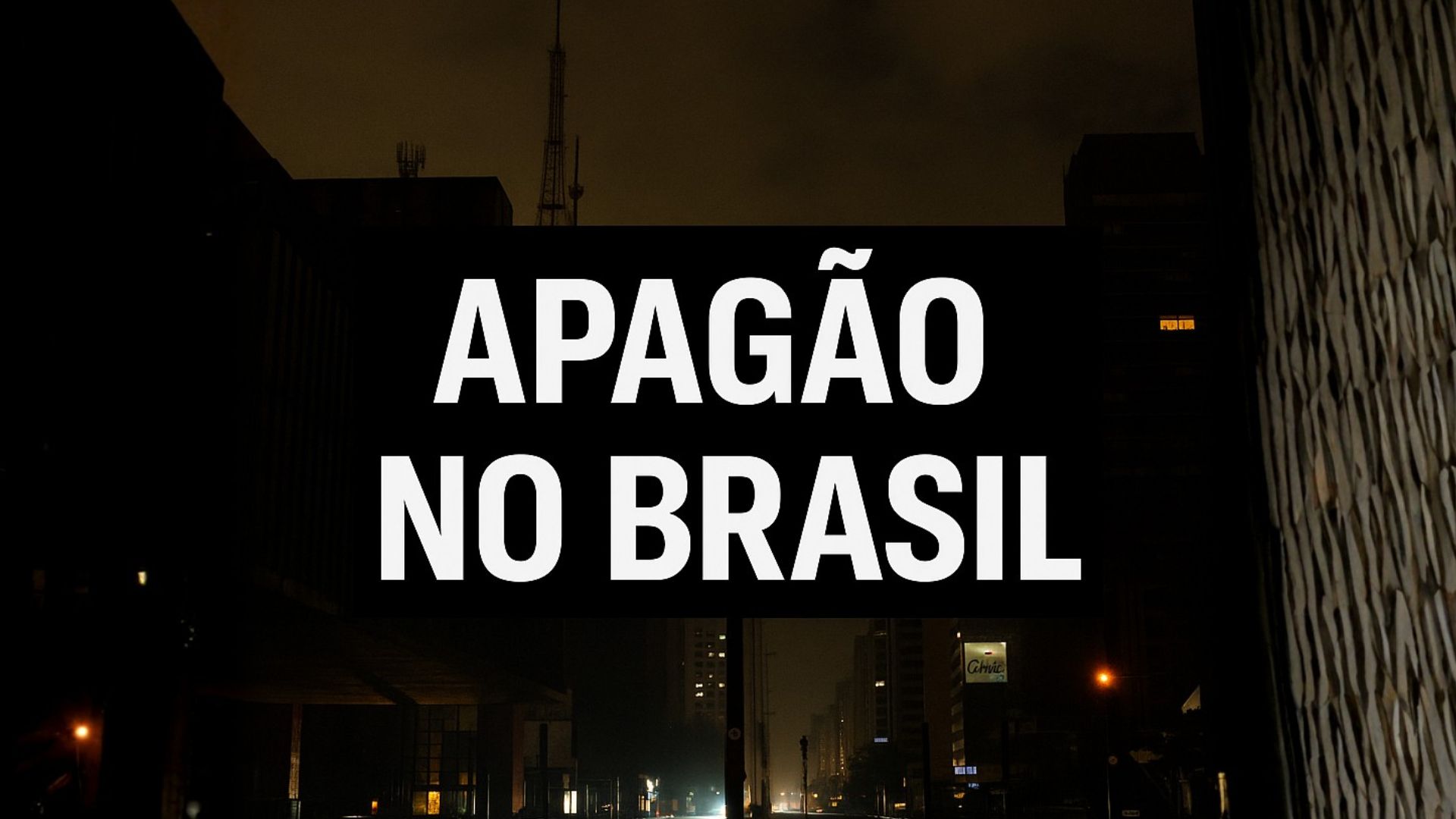


Experts Warn That The Combination Of High Supply Of Renewable Energy And Low Demand May Generate Unprecedented Imbalances In The Brazilian Electric System, Increasing The Risk Of Blackouts And Billion-Dollar Losses To Solar And Wind Plants.
The Brazilian electric system is experiencing an atypical combination of high supply of renewable energy and reduced demand in 2025, which has increased the risk of blackouts during specific times, especially on Sunday and holiday mornings.
According to information from the website NeoFeed, the National Electric System Operator (ONS) has intensified generation cuts as a preventive measure, while sector agents report billion-dollar losses at centralized wind and solar plants.
According to experts, the country may face a blackout not due to scarcity, but due to excess energy at times of low consumption.
-
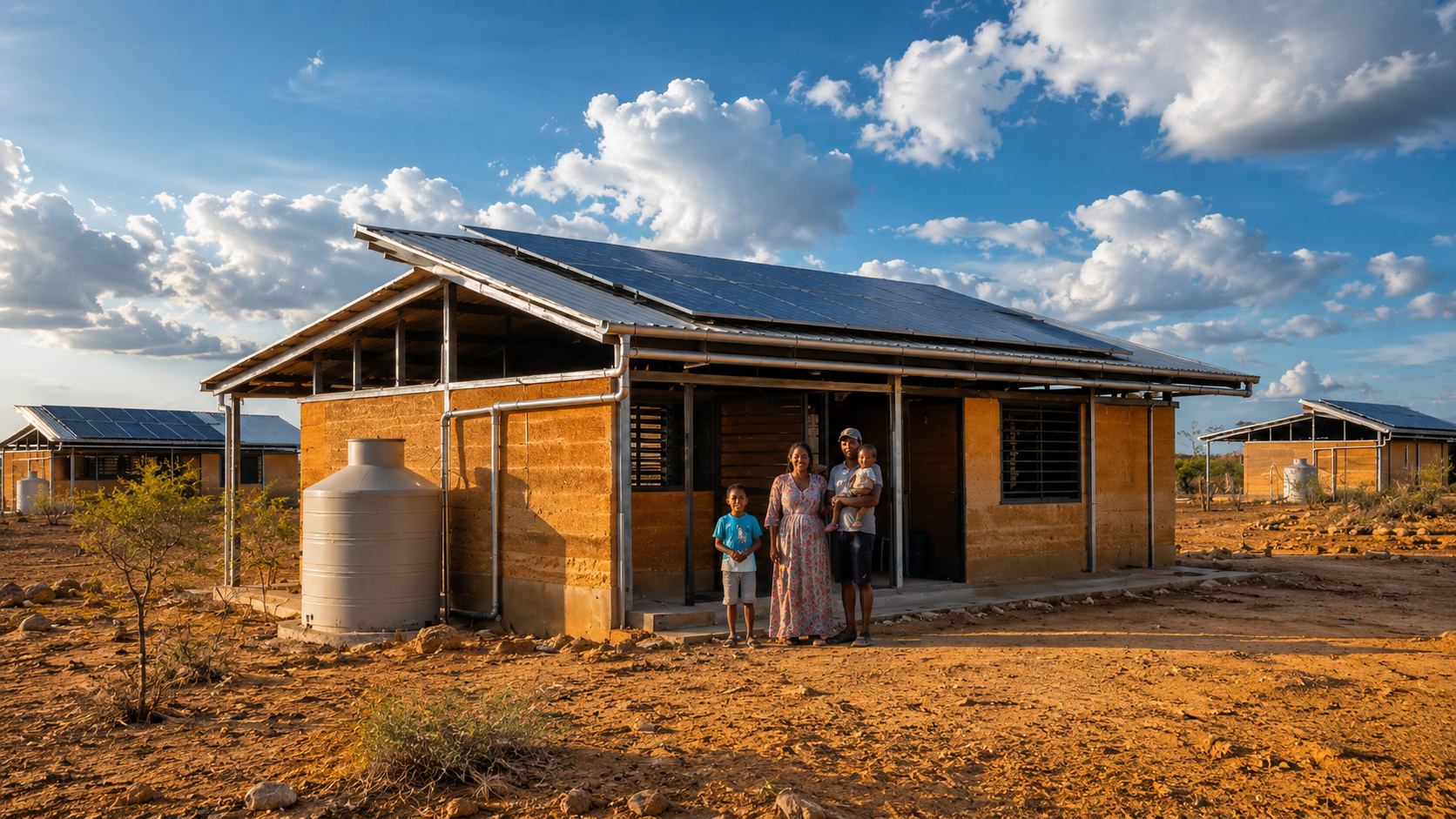
In Colombia’s desert, 30 families receive 80 m² homes with solar panels, waterless toilets, and rainwater collection systems amid water and energy shortages.

-
Engie Secures 10-Year Use of 625 MWh in Batteries to Store Excess Solar and Wind Energy in Spain by 2028
-
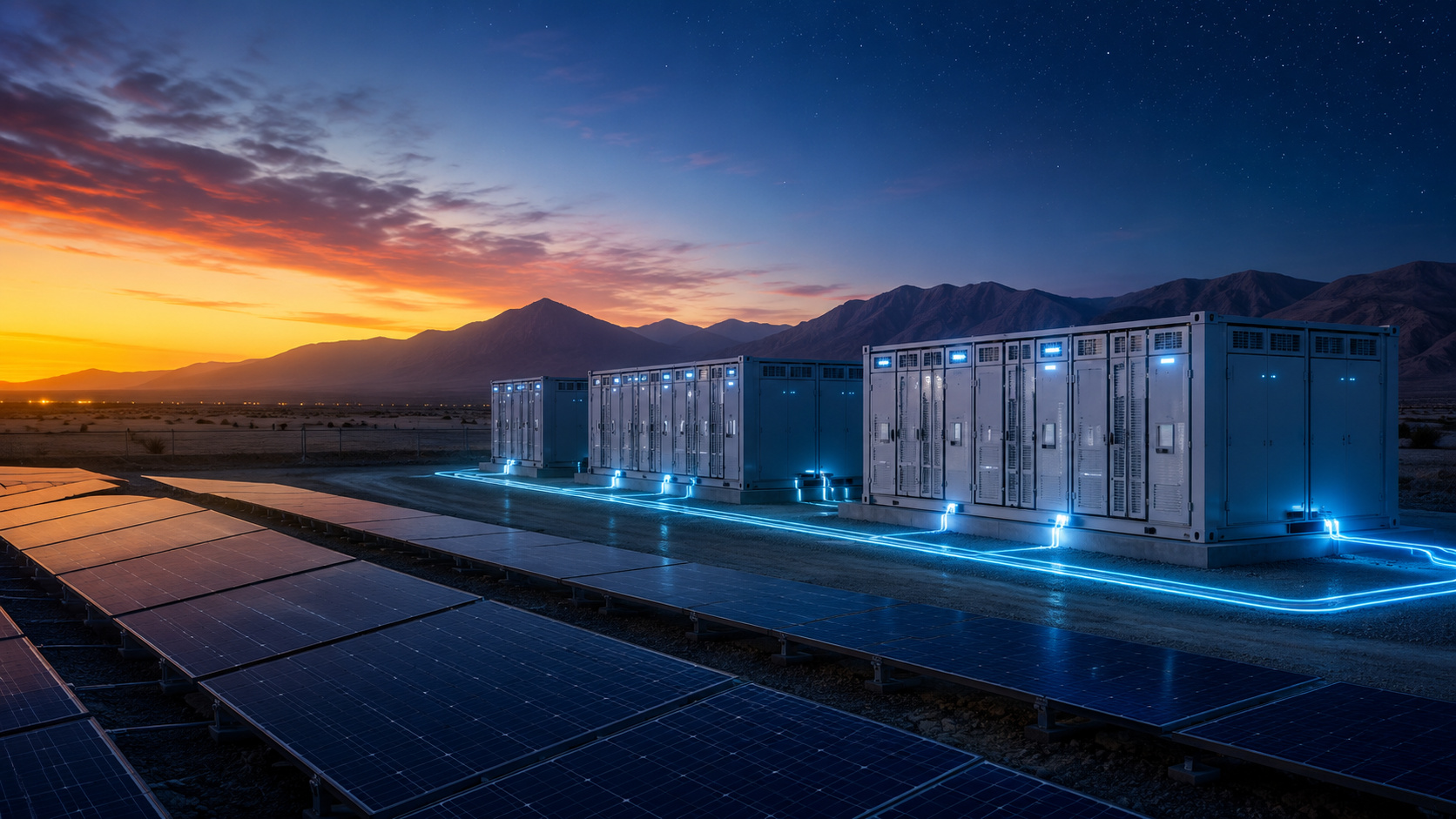
Giant Batteries Take Center Stage in Chile Auction as Company Offers 960 GWh of Solar Energy for Nighttime Use, Aiming to Stabilize Solar Power Supply
-
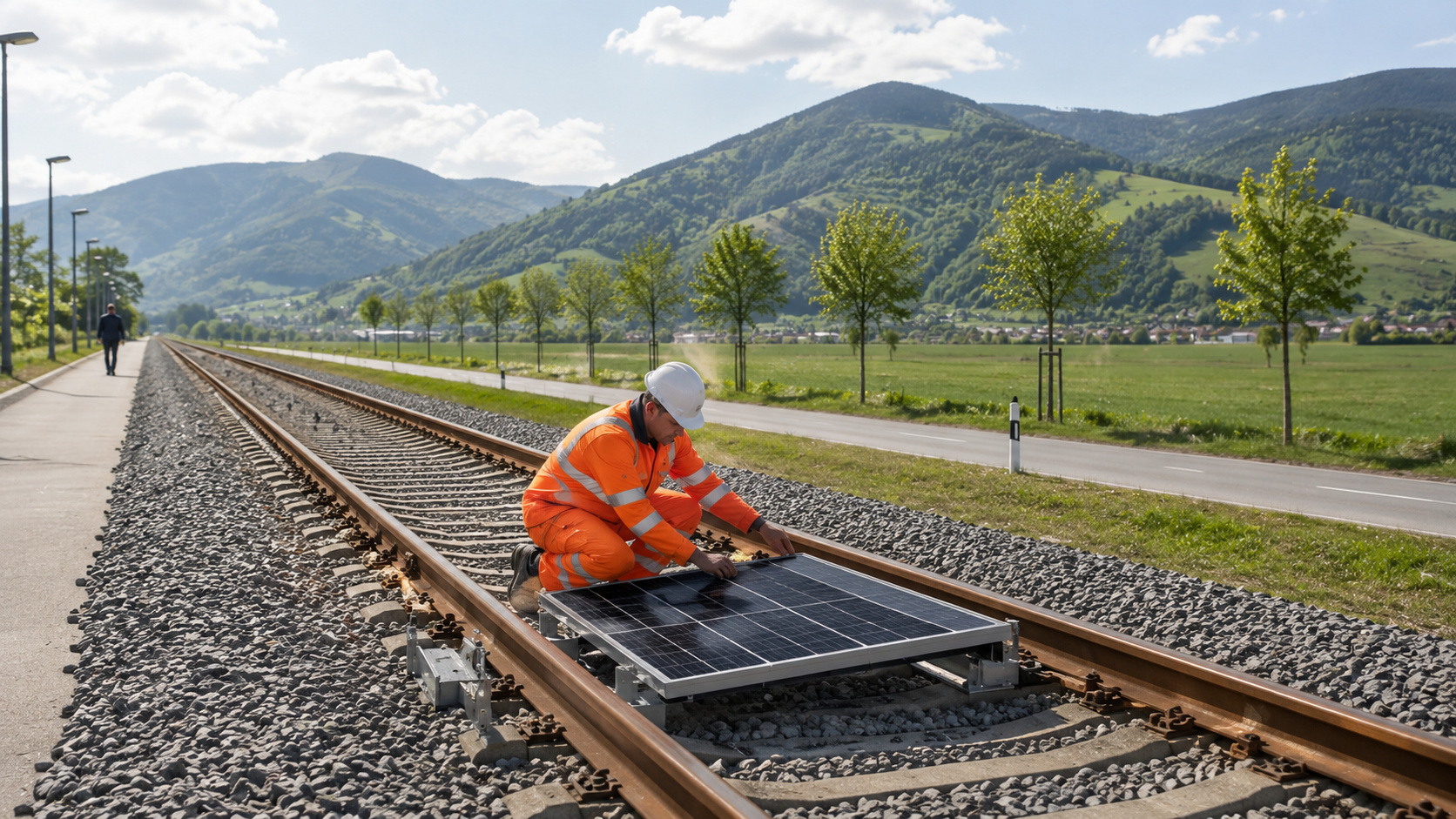
After a Year of Success in Switzerland, Solar Railway Attracts Italy’s Interest for Clean Energy Transformation

Understand The Imbalance In The Electric System
The electric system needs to operate in a balanced manner, maintaining the frequency at 60 Hertz (Hz).
When generation exceeds consumption, the frequency rises.
Above 60.5 Hz, automatic protections shut down plants, which may cause cascading outages and affect national supply.
The risk is greater between 10 AM and 12 PM, a period when solar generation peaks and energy consumption tends to be lower.
According to the ONS, the advancement of renewable generation has shifted a significant portion of production to low-demand hours, which amplifies the mismatch on Sundays and holidays.
The phenomenon is reinforced by the growth of distributed generation (DG) — solar panels on rooftops and small plants connected directly to distributors — which injects more energy into the grid without centralized control by the operator.
Measures By ONS To Prevent Blackouts
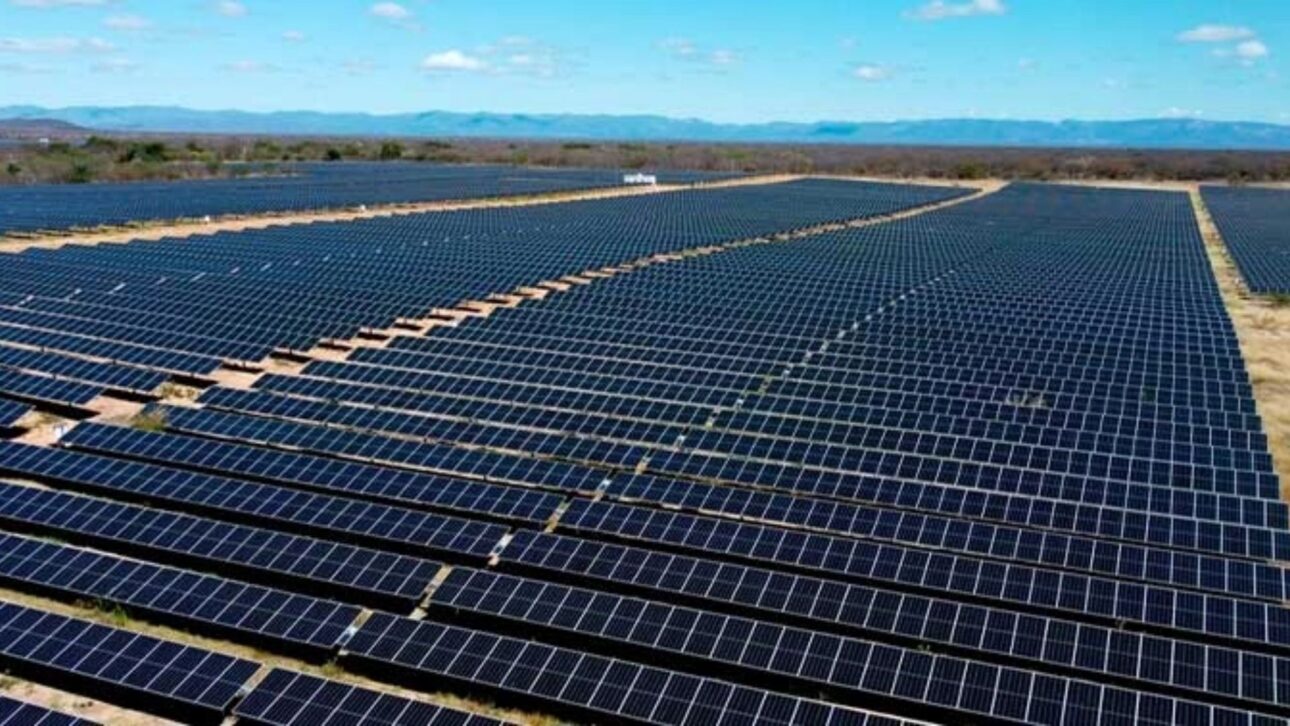
In the face of increasing instability, the ONS has expanded the use of curtailment (temporary reduction of generation) at large plants.
On at least four Sundays in 2025, the operator reached the maximum limit of cuts to balance load and supply.
In August, the cuts represented about 7% of national consumption, and in September, 8.8%.
On Father’s Day (August 10), the cut reached 98% of available renewable generation, according to the agency, due to low demand that Sunday.
After this episode, the National Electric Energy Agency (Aneel) authorized the ONS to make emergency cuts in any type of generation, including micro and minigeneration distributed (MMGD), when technically possible.
In a statement, the ONS stated that there are no technical and regulatory mechanisms to directly control the excesses of MMGD, as they are connected to the networks of distributors.
The agency further stated that it is working with the Electric Sector Monitoring Committee (CMSE) on an emergency plan to provide more flexibility to operations.
Distributed Generation And Supply Concentration
The installed capacity of distributed generation is nearing the sum of centralized wind and solar plants.
Experts assert that this coincidence of production amplifies the peak supply in late morning.
“The problem is that both DG and centralized solar plants produce simultaneously, peaking between 10 AM and 12 PM,” explained Donato Filho, CEO of the consultancy Volt Robotics.
According to him, this concentration during low demand hours creates the surplus that threatens the balance of the grid.
Controlling this volume is more difficult because MMGD is not dispatched by the ONS.
In Small Hydroelectric Plants (PCHs), monitoring is also limited, as the data is relayed by distributors and not directly by the operator.
Financial Impact On Renewable Plants
The forced reduction of generation has affected the revenue of wind and solar plants.
According to an estimate from the Brazilian Association of Photovoltaic Solar Energy (Absolar), losses to centralized solar plants have already reached R$ 1.9 billion.
“There is no enterprise that can withstand cuts of this magnitude, as only 10% of the losses can be compensated,” said Barbara Rubim, vice president of the entity.
The Aneel Resolution 1,030 limits the average compensation to 10% of the cut volume.
The Brazilian Wind Energy Association (Abeeólica) also expresses concern and advocates for more adequate compensations.
For the association’s president, Elbia Gannoum, the problem lies in the National Interconnected System (SIN), where generators must fulfill contracts but do not have control over ONS operational decisions.
According to her, when the operator prevents the delivery of contracted energy, the generator should be compensated.
Most Affected States By The Cuts
Sector data indicate that Minas Gerais, Rio Grande do Norte, Ceará, and Pernambuco are among the states with the highest reductions in renewable generation.
At a sector event, the CEO of Gerdau, Gustavo Werneck, reported that the Arinos solar park in Minas Gerais had 70% of production cut after an investment of R$ 1.5 billion in partnership with Newave Energia.
He stated that he has “difficulty understanding” why renewable plants remain idle while thermal plants are dispatched.
Eneva reported that the Futura 1 park, in Juazeiro (BA), ceased generating 185 GWh in the third quarter of 2025, the largest cut in its historical series.
Meanwhile, Comerc Energia revised its Ebitda projection to R$ 1.05 billion to R$ 1.15 billion, down from the initial estimate of R$ 1.3 billion, due to increased curtailment.
The company stated in a statement that it is discussing solutions in Congress and with regulatory agencies to make the process “more predictable and balanced.”
Discussions In Congress And Actions By Aneel
The topic is under discussion in the National Congress, as part of MP 1,304, which addresses structural changes in the electric sector.
The rapporteur of the proposal, Senator Eduardo Braga (MDB-AM), advocates for the creation of appropriate economic signals for generation, storage, and consumption, as well as the modernization of networks and improvement of operational efficiency.
The Aneel stated that it is studying regulatory enhancements and operational actions to mitigate the impacts of curtailment.
Director Agnes da Costa requested a legal evaluation on including micro and minigeneration distributed in the distribution of possible compensations, recognizing, however, the technical restrictions for physically disconnecting this generation.
In a statement, the agency reinforced that the safety of the National Interconnected System is the responsibility of the ONS.
The Brazilian Association of Distributed Generation (ABGD) released a statement expressing “deep concern” about proposals that could impose restrictions on DG.
The entity believes that the modality, composed of thousands of companies and consumers, should not be held responsible for structural imbalances in the system.
Technical Solutions Under Discussion
Experts suggest short-term measures to reduce the risk of blackouts.
Among the proposals are the creation of smart tariffs to incentivize consumption between 8 AM and 2 PM, reduction of the Settlement Price of Differences (PLD) during this period, and additional remuneration for hydroelectric and thermal plants that provide more energy in the late afternoon when demand increases.
There is also a defense for the use of storage batteries in solar plants, allowing energy generated in the morning to be injected at night.
To make this feasible, companies are requesting a reduction in import taxes on batteries, which still represent a significant portion of the final cost.
In the long term, the modernization proposal includes transforming distributors into local system operators, with technology and autonomy to manage energy flows in real-time, as well as offering incentives for consumers and generators to collaborate in balancing the grid.
Risk Of Overload At The End Of The Year
With the arrival of the end of the year, a period of low industrial activity and collective vacations, consumption tends to drop even more on Sunday and holiday mornings.
According to experts, this increases the risk of solar overgeneration and requires constant monitoring.
“The chance of additional cuts in wind and solar plants is real, and distributors may be called to intervene in distributed generation,” said Donato Filho from Volt Robotics.
Sector technicians point out that there is still no consensus on whether emergency measures will be sufficient to avoid interruptions and maintain the stability of the national system.
In an increasingly renewable matrix scenario with control challenges, how to balance electrical safety and the expansion of clean energy in the coming months?









Can energy storage be considered in the face of surplus wind and solar power.
太阳能风能这种过剩是否可以考虑储能