Portuguese
  Spanish




Transition Dialogues: Clean Energy Investment Boom, Renewable Energy Targets, and Wind and Solar Energy Installations Drive the Electricity Market.
Renewable investments have stood out as one of the main alternatives to drive energy transition and reduce dependence on fossil fuels. Companies from various sectors are directing resources toward clean energy generation projects, such as solar, wind, and biomass, aiming not only for attractive financial returns but also to contribute to the planet’s sustainability.
In addition, investments in clean energy are increasingly gaining ground in the portfolios of financial institutions and investment funds, signaling a paradigm shift towards more sustainable practices. The search for sustainable investments is driving the growth of the renewable energy market and opening opportunities for new projects and innovative technologies.
Renewable Investments Are Rising in Brazil
After falling to 9th place in the ranking of emerging countries with the most favorable conditions for renewable energy investments in 2022, Brazil will finish the year 2023 as the fifth most attractive, according to BloombergNEF’s Climatescope report.
-
Axia Energia Invests $280 Million in Q1, Increases Investments by 36%, and Turns Loss into $740 Million Profit

-
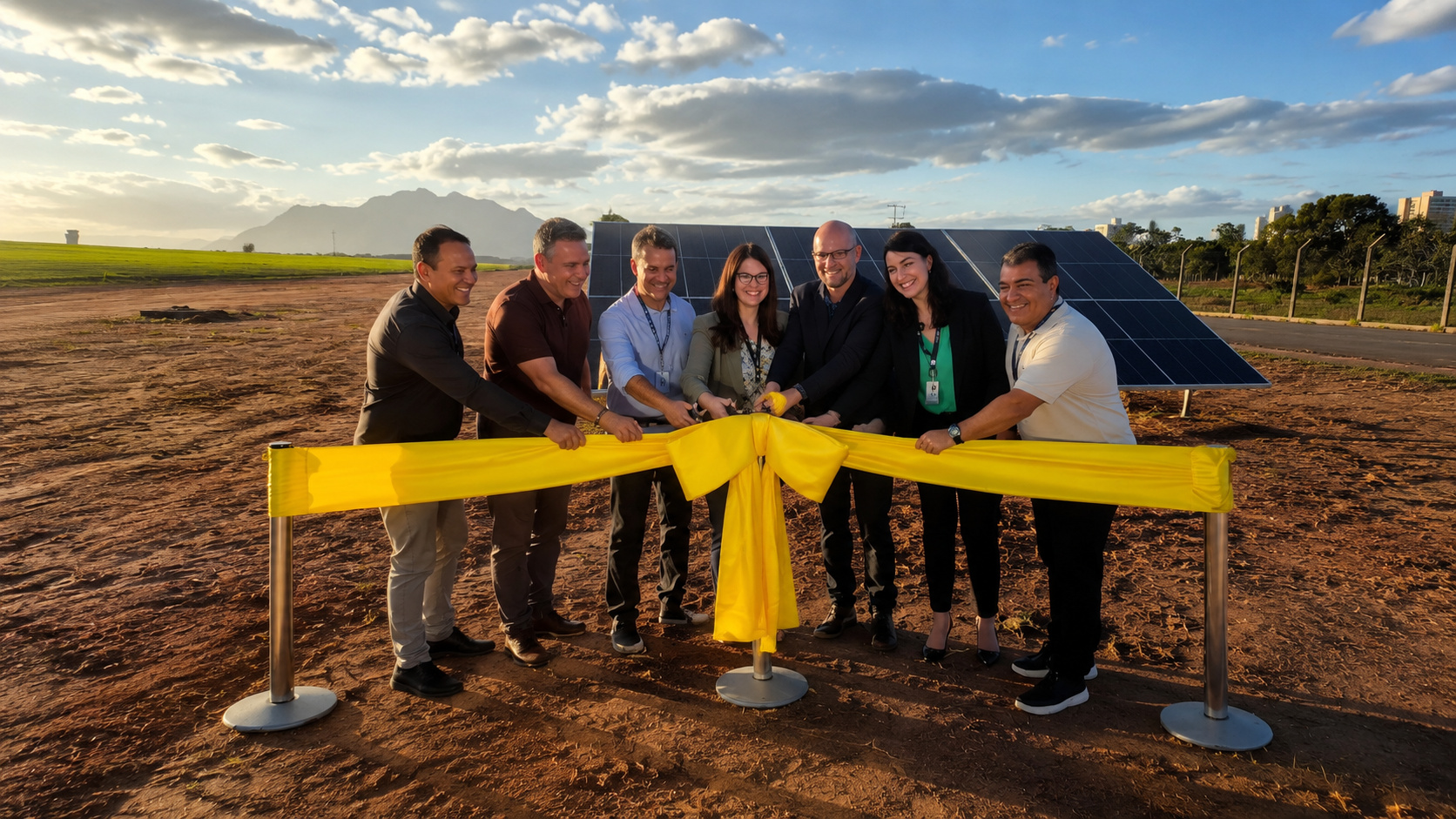
Brazil’s Vitória Airport to Launch Solar Plant Covering Area of 10 Soccer Fields, Boosting Clean Energy and Cutting Costs
-
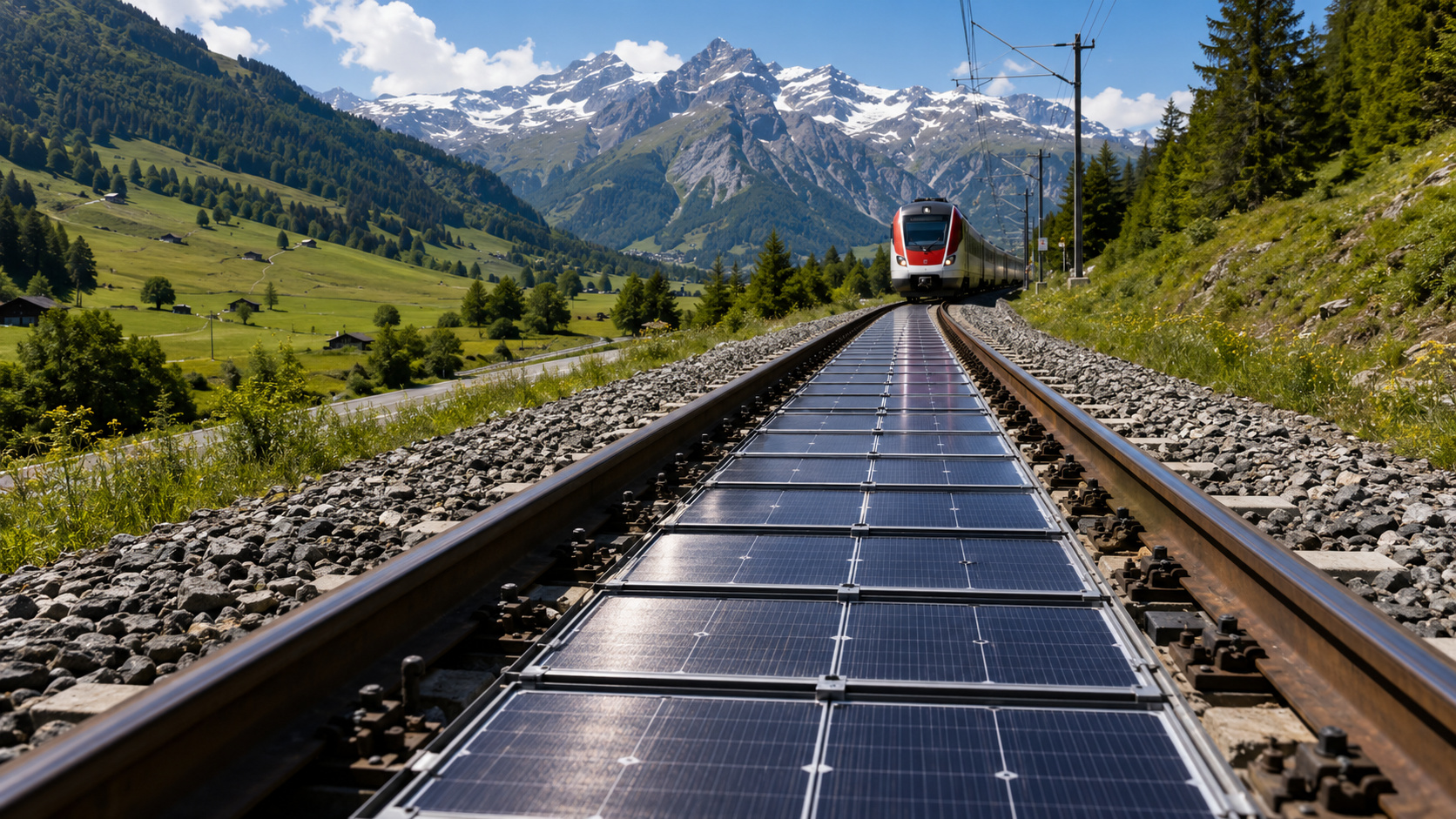
Switzerland Converts Train Tracks into Solar Power Plants with Removable Panels to Generate Energy Without Using Additional Land
-
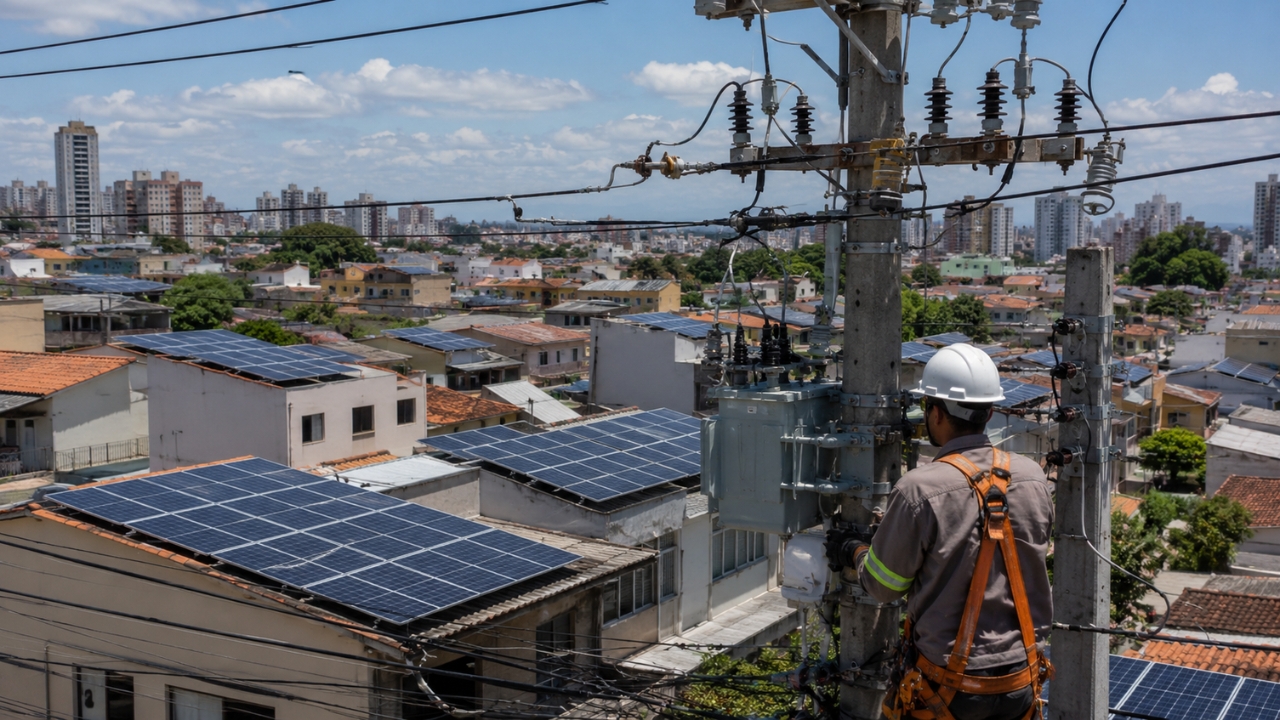
Surge in Solar-Powered Homes in Brazil Leads to Grid Strain and Connection Restrictions in Three States


India tops the list, followed by China, Chile, and the Philippines. The Climatescope analyzes progress and attractiveness in the clean energy sector in 110 economies. Together, these countries represent nearly two-thirds of the total global additions of renewable generation capacity in 2022 and 82% of the world’s population.
Last year, it saw a more significant drop in score and fell to 9th place. This year, it has recovered again and will be among the top five countries in the ranking. This positive change reflects a energy compensation policy in recent years that attracted a massive amount of investments, especially since it was announced that some incentives would be ending.
Progress of Countries Like India and China
India, in first place, has a combination of ambitious targets for replacing fossil fuels, renewable energy auctions, and growing investment in wind and solar capacity.
In the case of China, which ranked second, it remains the largest market for the deployment of clean energy, with significant growth opportunities in the near future.
Chile, in third place in the ranking, has well-structured policies that drive investment.
The Philippines, in fourth place, climbed six spots compared to last year, holding two renewable energy auctions and have an ambitious strategy for offshore wind energy production.
Challenges and Opportunities in Brazil
Sofia Maia, head of the Transition research at BNEF, explains that to attract investments, emerging economies need a well-structured electricity market, with a series of policies in place to support their renewable energy targets.
In the case of India, the first place, the recipe combines ambitious targets for replacing fossil fuels, renewable energy auctions, and growing investment in wind and solar capacity.
Clean energy is an emerging sector in Brazil, which jumped from 8 GW at the beginning of 2022 to 25 GW in November 2023, helping to improve the attractiveness of the Brazilian sustainable investment market. The country is working to achieve its renewable energy targets, despite still facing some barriers regarding the expansion of renewable capacity.
Despite attracting increasing investments in wind and solar generation, the country has taken steps to expand its matrix with gas-fired power plants and keep coal plants operational until 2050 with the approval of policies in this regard.
Source: EPBR