






 Portuguese
  Spanish
  4 min of reading
  0 comments


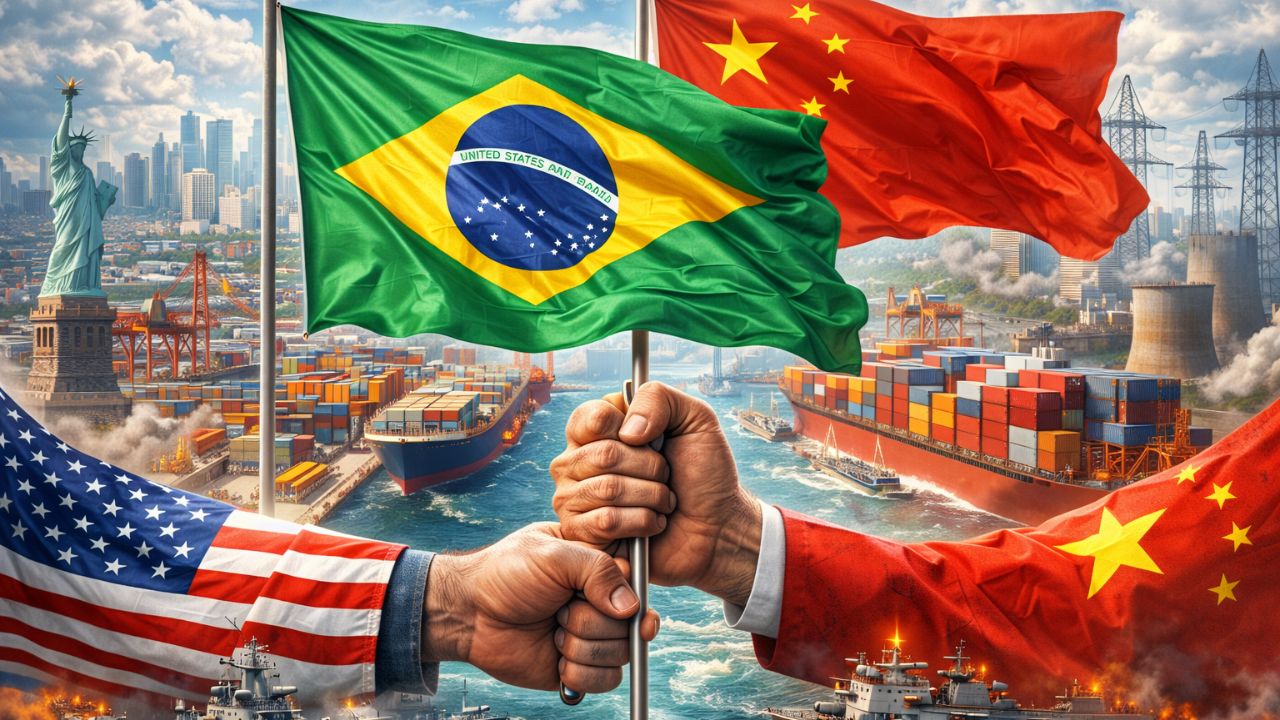
United States and China Compete for Global Influence as Brazil Expands Trade Dependence, Receives Billions in Chinese Investments, and Risks Sovereignty Over Ports, Energy, and Strategic Decisions
The United States and China are currently the main actors in the largest geopolitical rivalry since the Cold War, with Brazil at the center of this silent confrontation. The country negotiates with both, sells commodities, receives investments, and insists on a position of neutrality in an increasingly divided world.
In practice, this neutrality becomes increasingly difficult. As economic dependence grows and strategic interests deepen, Brazil may be forced to choose between the United States and China, even as it attempts to delay that decision.
Brazil in the Middle of the Dispute Between the United States and China
The United States and China are today two of Brazil’s main trading partners. The country exports soybeans, iron ore, oil, meat, and cellulose to supply the two largest economies on the planet, becoming an essential supplier.
-
Ukraine launches largest drone attack on Moscow since 2022, Russia claims to have intercepted nearly 200 aircraft near the capital, Kapotnya refinery targeted again, and offensive reignites alert about war reaching the Russian energy heart just a few kilometers from the Kremlin.

-
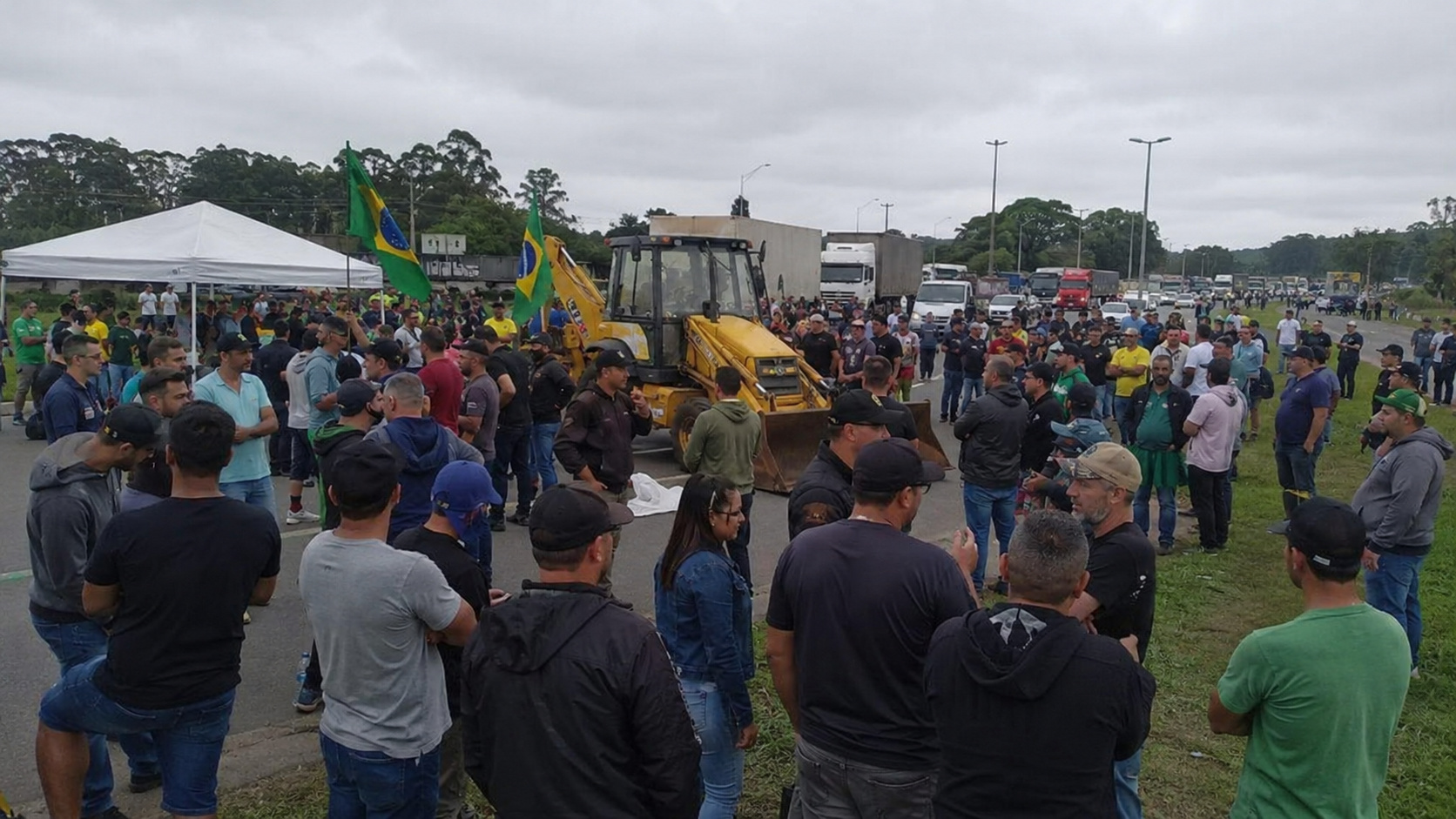
Truck drivers, freight, and fines from 2022 take center stage in politics: Chamber approves MP with amnesty, mandatory tracking by CIOT, million-dollar penalties, and new minimum wage for those who spend more than 24 hours on the road.

-
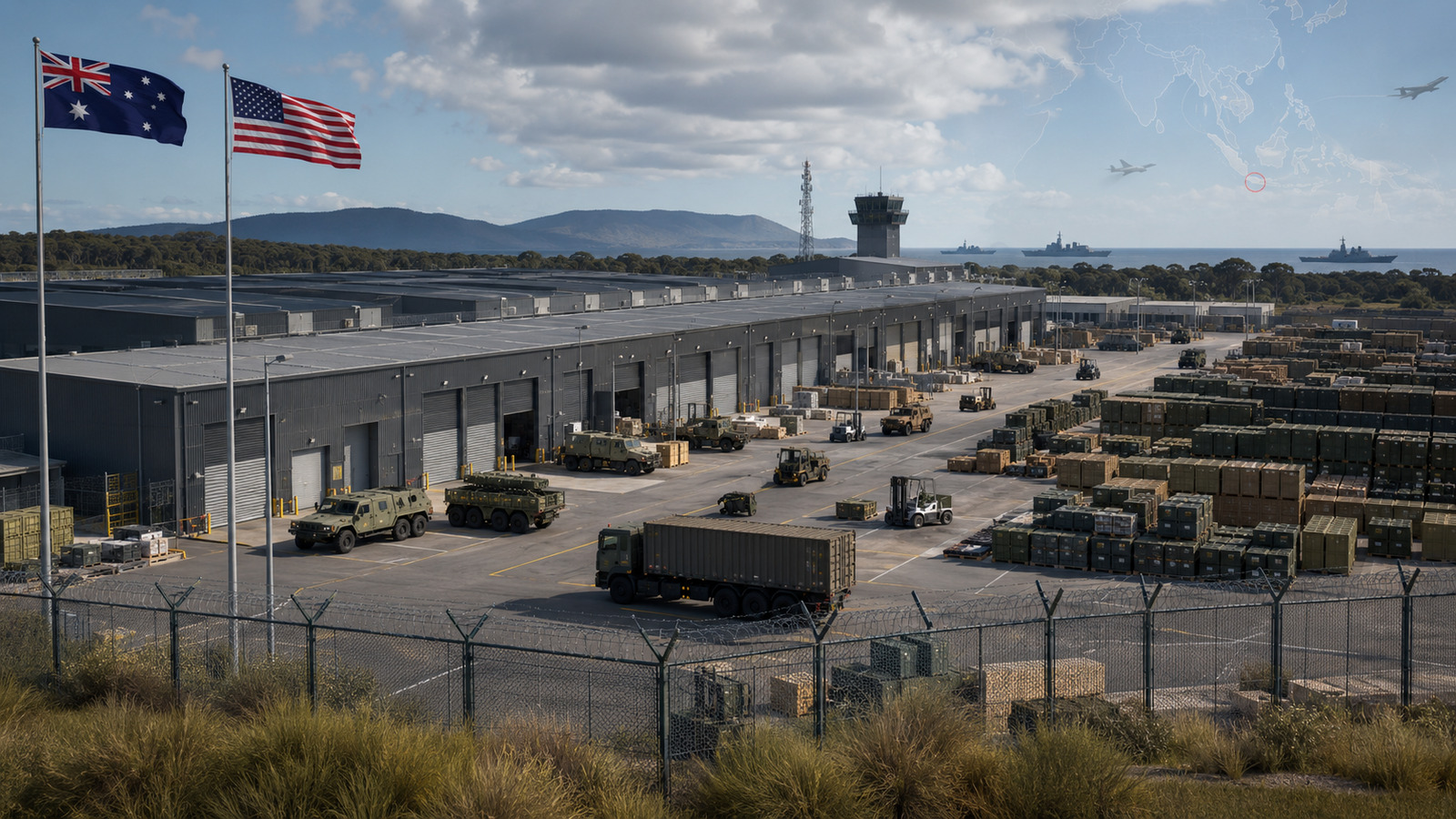
China off the radar: US plans mega $30 million weapons depot in Australia, out of reach of most Chinese missiles, with full capacity expected by 2028

-
Trump’s wall advances at a rapid pace: government promises to complete a barrier of over 3,000 km by 2027 while drones and cartels turn the US border into a new field of technological dispute


This position generates bargaining power, but also creates vulnerability. When a country depends too much on a few buyers, any global tension turns into a direct risk to its economy.
The Rivalry That Doesn’t Use Tanks but Pressures Governments
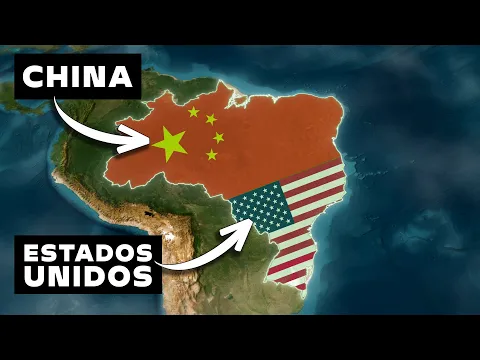

The conflict between United States and China does not occur through traditional wars. It is a commercial, technological, and influence dispute. Tariffs, sanctions, technology blockades, and diplomatic pressures have become central weapons.
In this scenario, multilateral institutions have lost influence, and the world has reverted to fragmentation into blocs. Brazil tries to maintain relations with both sides, but the room for maneuver decreases with each new clash.
BRICS Expands Alternatives but Increases Chinese Dependence

Brazil is part of BRICS alongside China, India, Russia, and other emerging countries. The bloc’s proposal is to reduce dependence on the dollar, create its own financing mechanisms, and expand economic cooperation.
However, China dominates the group economically, concentrating a large portion of the capital and exercising decisive influence. For Brazil, this means access to financing and investments, but also greater exposure to Chinese interests.
Chinese Investments Advance on Strategic Sectors
In recent years, Chinese investments in Brazil have grown rapidly. Ports, logistics terminals, energy, agricultural lands, and stakes in large companies have become part of China’s interest map in the country.
The sensitive point is that many of these assets are strategic, linked to infrastructure, exports, and energy security. This raises alarms about sovereignty and national decision-making capacity in times of crisis.
Neutrality Works in Times of Peace, Not in Open Conflict
Historically, Brazil has managed to maintain neutrality in global disputes. During the Cold War, it negotiated with both sides and avoided direct military alignments.
The problem is that the current scenario is different. United States and China demand clear positions. A larger conflict, especially involving Taiwan, tends to divide the world quickly, leaving little room for neutrality.
The Risk of Being Pressured from Both Sides
If Brazil supports the United States and China in an unbalanced way, it will face consequences. Supporting China might mean losing access to Western markets. Supporting the United States could affect Brazil’s largest trading partner.
Trying not to choose may result in simultaneous pressure from both sides, with sanctions, trade restrictions, and loss of international credibility.
Rare Earths and Energy as Yet Underexplored Trumps
Brazil possesses strategic reserves of minerals essential for modern technology and a predominantly renewable energy matrix. These assets could strengthen the country’s position in the dispute between United States and China.
However, the lack of industrialization and internal processing means Brazil continues to export raw materials and import high-value-added products, maintaining an unequal relationship.
A Decision That Is Being Postponed
The Brazilian strategy has been to buy time. To negotiate with both sides, avoid direct conflicts, and maintain the image of a mediator. But global pressure grows faster than the capacity for improvisation.
Brazil is not a mediator in this dispute. It is a country trying to survive among giants playing to win. In an increasingly polarized world, neutrality may cease to be a choice and become an illusion.
Do you believe that Brazil will be able to maintain its neutrality between the United States and China or will it inevitably have to choose a side in the coming years?





Be the first to react!