Portuguese
  Spanish



Structural Problem at the Friendship Bridge Draws Attention to Bridge Maintenance and Safety in Engineering Works with High Daily Traffic
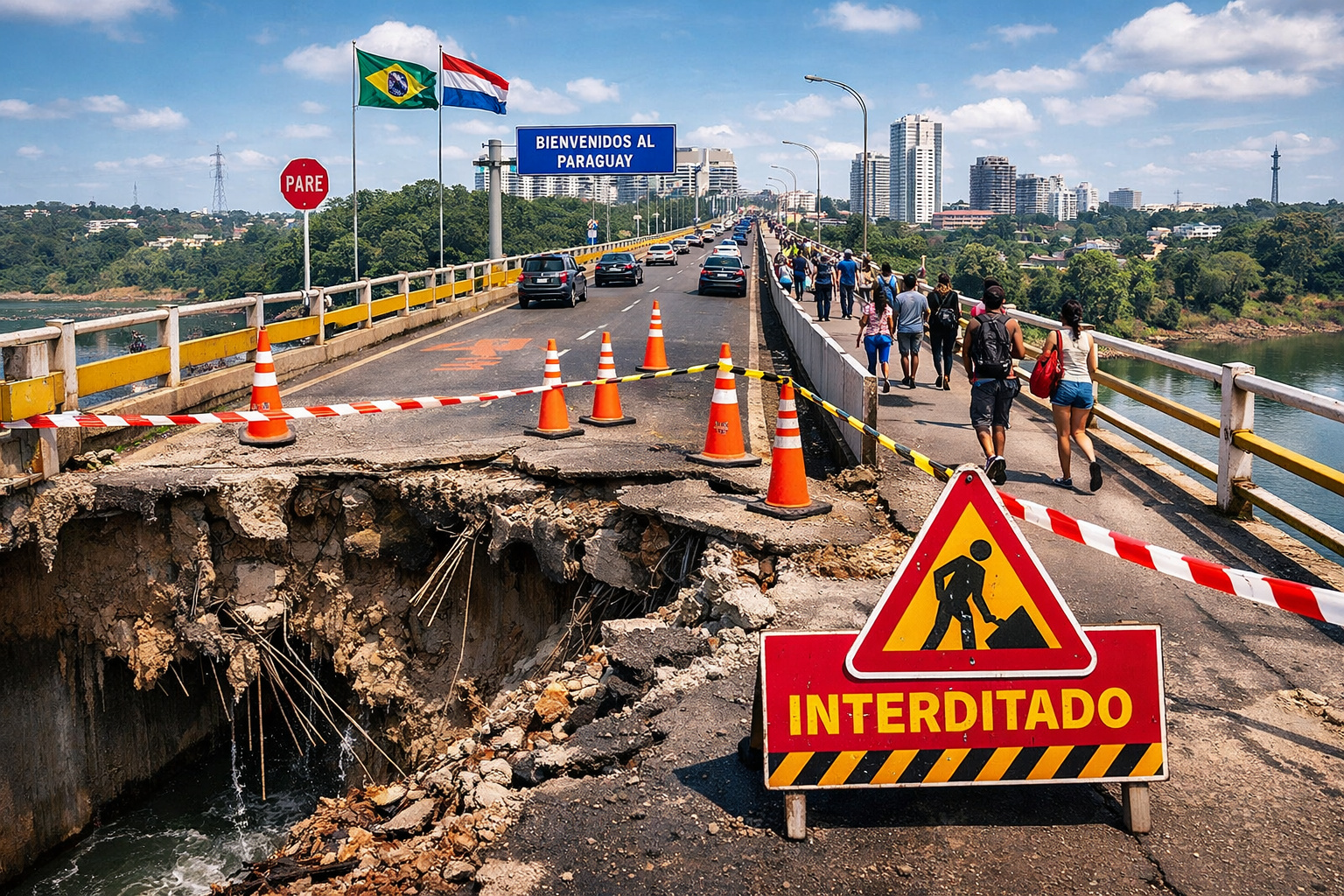
The collapse of a sidewalk at the Friendship Bridge led to the temporary closure of the pedestrian passage from Paraguay to Brazil and brought to light a relevant issue for infrastructure engineering. Structures that concentrate a large daily flow require constant monitoring, preventive maintenance, and frequent technical assessments to ensure safety and durability.
The situation reported at the Friendship Bridge, a strategic link between Ciudad del Este and Foz do Iguaçu, shows how small structural damages can affect the functioning of an international route with significant economic and logistical importance.
The report was published by Portal da Cidade, Foz do Iguaçu, a regional news portal about local events, which detailed the closure following an emergency inspection conducted by the responsible authorities.
-
Giant 3,600-ton Crane Breaks Two World Records by Installing World’s Largest Single-Piece Forged and Welded Hydrogenation Reactor, Weighing 3,037 Tons, in Chinese Petrochemical Plant in Just Six Days

-
$80 Million Bridge in Brazil Cuts Travel Time from 30 Minutes to 1 Minute, but Audit Reveals Major Flaws
-
Man Builds Stone Bed with Granite Rocks and Hand-Sawn Cedar Beams, Home Extension Garners Over 437,000 Views on Bonus Bolts Channel

-
British Factory Transitions from Mechanical Parts to Producing 420,000 Electric Power Units Annually, Supplying 70% of Ford’s Electric Cars Sold in Europe




Technical Inspection Identifies Structural Risk in Bridge Area
An emergency assessment was carried out after the partial collapse of the sidewalk on the Paraguayan side of the Friendship Bridge. The inspection indicated risk for pedestrians using the stretch daily.
In light of the identified scenario, responsible authorities determined the closure of the passage from Paraguay to Brazil. This measure was deemed necessary to prevent accidents while structural interventions are planned.
In infrastructure engineering, situations like this typically involve analyzing the integrity of concrete, stability of the structural base, and impact of constant load on the structure.
Maintenance Engineering is Essential in Bridges with High Traffic
Structures like the Friendship Bridge operate under intense usage conditions, with constant circulation of vehicles and pedestrians. This type of scenario requires frequent inspection and maintenance routines to prevent structural damage.
International bridges present additional challenges for engineering, including exposure to weather, constant vibration caused by traffic, and natural wear of construction materials.
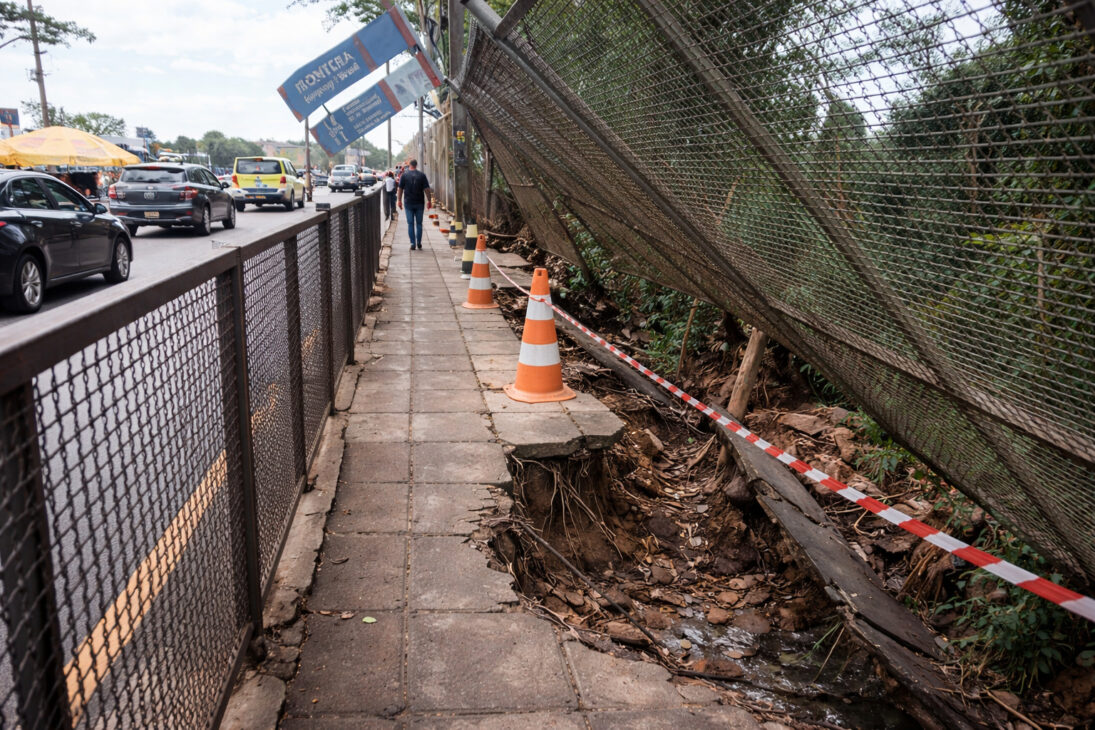
The preservation of safety in these structures depends on technical monitoring and corrective interventions whenever signs of wear or instability arise.
Walkway Starts Operating in Both Directions During Repairs
With the closure of the sidewalk on the Paraguayan side, pedestrian flow on the Friendship Bridge needed to be reorganized. The walkway from Brazil to Paraguay began to operate in both directions, allowing crossing in both directions.
This temporary solution maintains the movement of people while the affected area awaits structural recovery. The objective of the measure is to preserve circulation at the border without compromising safety.
Portal da Cidade, Foz do Iguaçu, a regional news portal about local events, highlighted that the change will remain until the completion of the sidewalk recovery works.
Friendship Bridge is Strategic Infrastructure for Trade and Mobility
The Friendship Bridge represents one of the main mobility corridors in the border region between Brazil and Paraguay. The structure directly connects Ciudad del Este and Foz do Iguaçu, two cities with strong commercial and tourist activity.
In addition to pedestrian flow, the bridge also experiences heavy vehicle traffic, which increases the importance of periodic structural assessments and engineering interventions when necessary.
Any changes in the operation of the bridge directly impact workers, merchants, tourists, and the logistics sector that relies on the connection between the two countries.
Episode Reinforces Importance of Preventive Engineering in Infrastructure
The case of the collapse at the Friendship Bridge reinforces the relevance of preventive engineering in the management of bridges and other large infrastructure works. Regular technical assessments help identify wear before larger problems arise.
Proper maintenance of these structures is fundamental to ensure public safety, urban mobility, and continuity of economic activities in regions that depend on international connections.
If you often cross the Friendship Bridge or follow news about infrastructure and engineering in Brazil, share your opinion in the comments and share this content with others interested in the subject.