






 Portuguese
  Spanish


Project in Tarumirim, in the interior of Minas Gerais, transforms PET bottles into a visible part of a house and brings together environmental education, reuse, and construction, highlighting the contrast between daily consumption, plastic disposal, and permanent use of waste in a real structure.
In Tarumirim, in the interior of Minas Gerais, a house built with about 10,000 PET bottles has become a local example of plastic reuse applied to construction and environmental education.
Reported by Estado de Minas/Lugar Certo on June 3, 2010, the initiative was attributed to a mobilization by the municipality’s Environmental Education Center, which transformed disposable packaging into a visible part of a permanent structure.
Instead of appearing only as waste associated with rapid consumption, the bottles were gathered in large quantities and incorporated into the construction, creating a practical demonstration of reuse.
-
At 29, Veridiana swapped her office job for the open road, becoming “Pakita BR-153” and now travels Brazil as a trucker and influencer with over 1.4 million followers.

-
Historic 1932 Art Deco Jacob Riis Bathhouse in New York to Reopen as $1,000-a-Year Club After 54 Years Closed
-
Brazil’s Famous Blue Lagoon Cave Set to Reopen to Tourists in 2026 After 23-Year Closure
-
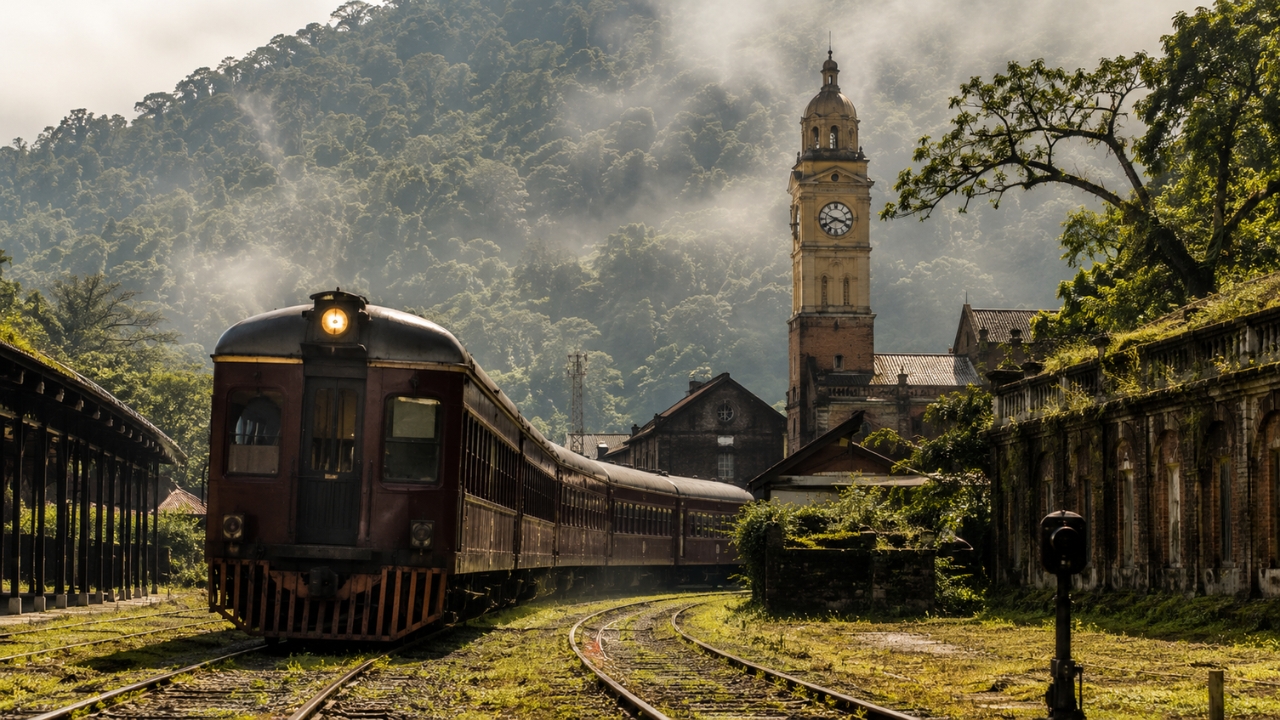
Tourist Train in São Paulo’s Serra do Mar Takes Passengers to a 19th-Century English Railway Village, Showcasing the Historic Santos-Jundiaí Railway’s Role in Coffee Transport


Located in the Vale do Rio Doce, Tarumirim had about 13,000 inhabitants according to the 2010 report, while more recent data from the 2022 IBGE Census indicates 14,709 residents in the municipality.
House of PET bottles gains prominence in Tarumirim
The most striking aspect of the project is the scale, as about 10,000 packages were used to shape the construction and show how common objects can gain a new function.
By transforming PET bottles into part of a house, the experience makes more concrete a discussion that often remains confined to campaigns about selective collection, recycling, and proper waste disposal.
For residents, students, and visitors, the structure serves as a visual example of reuse, capable of bringing the environmental agenda closer to daily life and facilitating understanding of the fate of plastic.
Without presenting the proposal as a broad replacement for traditional construction methods, the case gains relevance by showing an educational and public application of reused materials in a real work.
Even so, the initiative became notable precisely for placing thousands of packages in the same space, reinforcing the amount of plastic that circulates daily and the importance of proper separation.
Environmental education explains the strength of the project
The relationship with the Tarumirim Environmental Education Center gives the house a role that goes beyond architectural curiosity and places the construction within a proposal for public awareness.
According to Estado de Minas/Lugar Certo, the mobilization led by the center helped gather the bottles used in the construction, bringing residents closer to the idea of reusing waste previously considered as discard.
In smaller cities, visible environmental initiatives tend to gain symbolic value because they allow the population to follow concrete results and associate consumption habits with impacts perceived in their own municipality.
In this context, the PET bottle has strong educational appeal as it is present in homes, schools, businesses, and events, which facilitates the immediate identification of the public with the origin of the material.
When this same object appears incorporated into a house, the contrast between quick disposal and long-term use creates a direct message about consumption, collection, community organization, and reuse.
Reused plastic assumes a permanent function
Among the aspects that make the construction known is the contrast between PET bottles and materials traditionally associated with a dwelling, such as bricks, blocks, and cement.
While conventional components refer to civil construction, the bottles evoke light, disposable packaging associated with beverage consumption, which reinforces the visual impact of the experience in Tarumirim.
By bringing together these two universes, the project highlights how waste can be treated as raw material when there is planning, although it does not eliminate the broader challenges related to the accumulation of plastic waste.
The value of the initiative lies precisely in its ability to communicate a complex idea without relying on numbers distant from everyday life, using a house composed of thousands of bottles as a tangible reference.
Therefore, the experience requires a balanced reading, without being presented as the sole solution for civil construction or a definitive answer to plastic disposal in urban areas.
Reuse brings consumption and disposal closer
The story of Tarumirim dialogues with the debate on conscious consumption because each bottle used in the structure represents packaging that received a new function within an environmental proposal.
Before being incorporated into the construction, the packaging needed to be collected, stored, and organized, stages that show how recycling depends on mobilization prior to final reuse.
This process helps bring the environmental agenda closer to readers who do not follow technical discussions about waste but recognize the constant presence of plastic bottles in everyday life.
Unlike solutions restricted to reports, laboratories, or technical spaces, the house can be observed as a physical work, favoring the circulation of history in reports on sustainability.
Local mobilization also reinforces the role of municipalities and community initiatives in the environmental agenda, especially when simple actions can transform discarded materials into public references for education.
With about 10,000 PET bottles incorporated into the construction, the house in Tarumirim remains a strong image of reuse by showing that common waste can gain a lasting function when there is collective organization.


