






 Portuguese
  Spanish


The foundry giant installed a unit at the Technological Research Institute that processes 400 tons of batteries per year using hydrometallurgy, validating a process developed with USP since 2021
The recycling of batteries has gained an unlikely protagonist in Brazil: Tupy, a company known for casting engine blocks and iron parts in Santa Catarina, has become a kind of urban miner. The company inaugurated a pilot plant within the Technological Research Institute (IPT) in São Paulo, which recovers valuable metals from electric car batteries.
The unit processes about 400 tons of batteries per year, equivalent to nearly a thousand electric vehicles, using a cleaner process that reduces the carbon footprint by up to 70% compared to traditional mining. An internal combustion engine parts factory now extracts the lithium that powers electric cars.
From foundry to urban mine
The contrast is what makes the story remarkable. Tupy was born and grew in the heavy foundry industry, transforming iron into engine blocks and components. It’s the type of company that the energy transition could threaten, not boost.
-
Italian Orphan Turned Entrepreneur Builds World’s Largest Eyewear Company, Owner of Ray-Ban and Oakley, Selling Nearly 1 Billion Lenses and Frames Annually

-
The Transparent Plastic Pen That Sold Over 100 Billion Units, Becoming the Best-Selling Pen in History Across Five Continents
-
Brazilian Startup Develops Solar-Powered Mobile Factory, Recycles 100,000 Panels in Under a Year, Recovering Silver and Copper
-
Your Door Lock, Gate Padlock, and Hotel Key Card Likely Come from the World’s Largest Lock Manufacturer, the Swedish Group Behind Yale and Brazil’s Papaiz


Instead of resisting change, the company repositioned itself. By entering battery recycling, it bets on being a supplier of critical minerals for the new automotive industry. Those who manufactured for the combustion engine decided to extract the metal that powers the electric motor. It’s industrial reinvention in practice.
According to Automotive Business, the pilot plant marks Tupy’s formal entry into the recycling market, with the ambition to go far beyond the pilot.
What the IPT battery recycling plant does
The choice of location is no accident. The unit is located within the IPT, in São Paulo, one of the main technological research centers in the country, which gives scientific strength to the project. There, the company validates on an industrial scale a process developed in partnership with the USP Engineering laboratory since 2021.
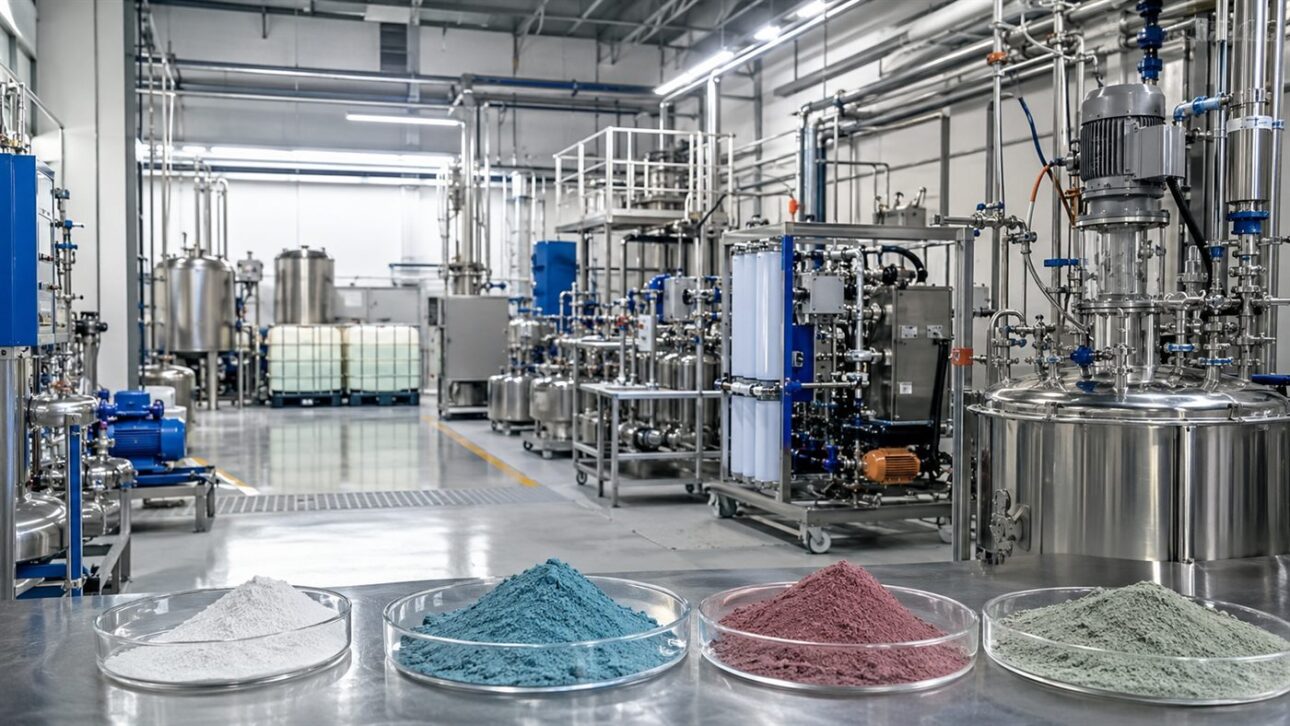
The current capacity is about 400 tons of batteries per year, a number that represents nearly a thousand electric vehicles dismantled and recycled. It’s not a bench experiment, it’s a line that already operates on a relevant scale, precisely to prove that the process works before expanding.
Recovering metals from batteries, such as lithium, nickel, cobalt, and manganese, is the central goal. These elements are expensive, strategic, and finite, and reusing them prevents throwing away a fortune with each discarded battery.
Hydrometallurgy: water instead of fire
The technical heart lies in the chosen method. The plant uses hydrometallurgy, a route that dissolves and separates metals chemically, with aqueous solutions, instead of traditional pyrometallurgy, which burns the material at extremely high temperatures.
The difference is enormous. Pyrometallurgy consumes a lot of energy and tends to lose light metals like lithium in the process. Hydrometallurgy recovers more, uses less energy, and reduces the carbon footprint by up to 70% compared to extracting virgin metal from nature. It’s recycling in a way that makes environmental sense.
This choice aligns the project with global environmental demands and the logic of the circular economy, where the waste of one cycle becomes the input for the next without generating new liabilities.
R$ 45 million and Finep’s support
The project has financial weight. The total investment revolves around R$ 45 million, with contributions from Tupy and strategic partners, and received about R$ 40 million in support from Finep, the Funding Authority for Studies and Projects linked to the Ministry of Science, Technology, and Innovation.
The public support is significant. When a federal funding agency backs most of an industrial project, it signals that the country treats battery recycling as a strategic priority, not as an environmental whim. Critical minerals have become a matter of sovereignty.
According to AutoData, Tupy sees recycling as a new business front, targeting the mineral market that electrification will increasingly demand.
Why recycling batteries is strategic
The world is filling the streets with electric cars, and each of them carries a battery that will one day reach the end of its life. Without recycling, this would become a mountain of toxic waste and a colossal waste of rare metals.
Recycling solves both problems. It relieves nature from the pressure of more mining and recovers lithium, nickel, and cobalt that can go straight back into new batteries. Each recycled battery is an urban mine of critical metals, without needing to dig a hole in the ground. It’s mining without a mine.
For countries that do not have all the reserves of these metals, mastering recycling is a way to ensure their own supply and reduce dependency on imports, a geopolitical and economic asset.
The commercial goal of 10 thousand tons
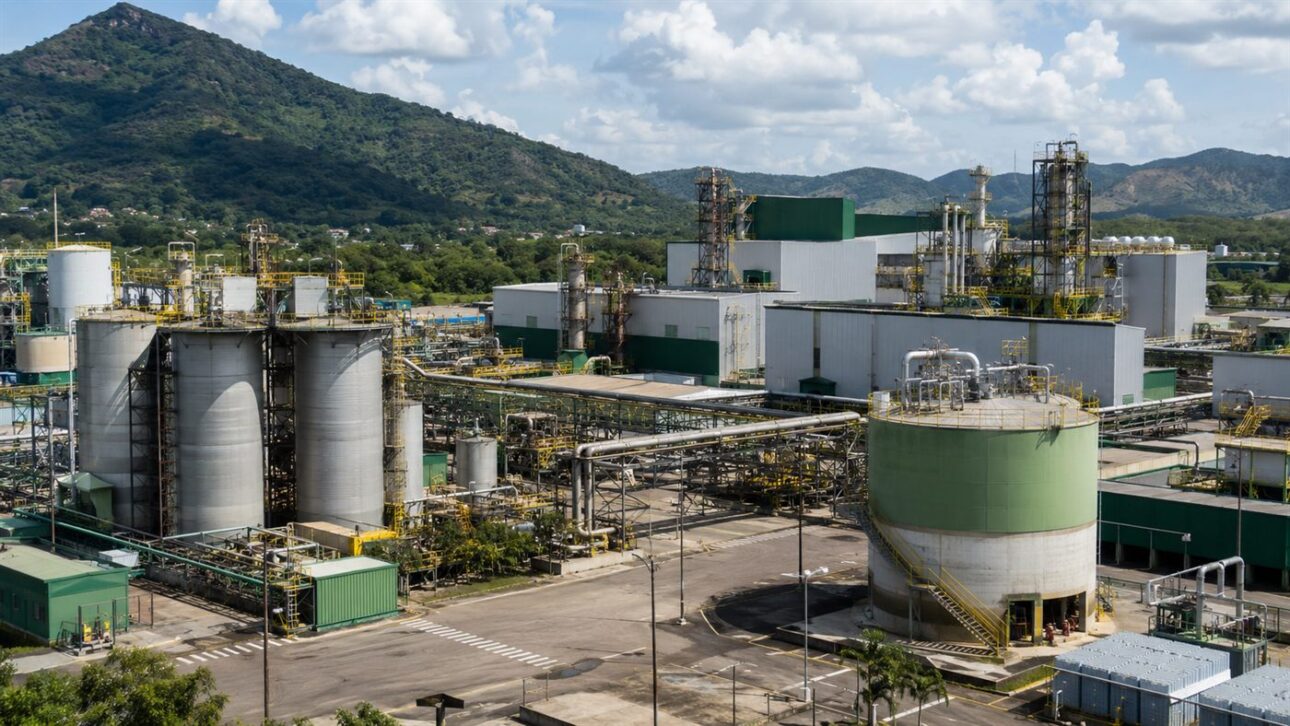
The pilot plant is just the beginning. Tupy projects a future commercial unit with a capacity of about 10 thousand tons of batteries per year, 25 times larger than the current one, to meet the approaching demand with the growing electric fleet.
This scale leap is the real test. Proving the process in 400 tons is science; delivering 10 thousand tons is industry. It is in this transition that the project stops being a promise and becomes a real business, generating revenue and large-scale environmental impact.
Getting there requires ensuring a constant supply of used batteries, something that depends on the maturation of the electric car market and a well-established reverse logistics in the country.
Why this matters for Brazil
Brazil risks electrifying its fleet by importing batteries and, in the future, not knowing what to do with them. Having a national recycling technology, developed by Brazilian company and university, changes this equation profoundly.
It means retaining value, technology, and jobs in the country, as well as creating a domestic source of critical minerals from electronic waste. Recycling batteries in Brazil is turning a future environmental problem into a present industrial advantage. It’s preparing the ground before the flood of disposal arrives.
The involvement of IPT and USP also shows the strength of national public science, capable of generating cutting-edge technology when well-funded and connected to industry.
The challenges of the urban mine
None of this is trivial. Recycling batteries on a large scale requires collecting batteries spread across the country, transporting them safely, as they are flammable, and maintaining the quality of the process with an input that varies greatly from model to model.
There is also the economic challenge of competing with traditional mining when metal prices fall, and scaling while maintaining the environmental advantage. The urban mine only wins if it is, at the same time, cleaner and economically viable.
Even so, the starting point is strong and counterintuitive: an internal combustion engine block foundry turned into an electric battery recycler, with public support and cutting-edge science. If Tupy can extract lithium from waste with 70% less carbon, why would we still bury a battery that is, essentially, a deposit?


