






 Portuguese
  Spanish


EssilorLuxottica designs, manufactures, and sells glasses at the same time, owns Ray-Ban, Oakley, and the largest optical chains, and also produces frames for luxury brands like Chanel and Prada
When you enter an optical store and think you’re choosing between competing brands, it’s very likely that almost all come from the same company. The largest eyewear manufacturer in the world was born in a small village in the Italian Alps and was built by a man who spent his childhood in an orphanage, far from any glamour.
His name was Leonardo Del Vecchio, and the company he founded became EssilorLuxottica, owner of Ray-Ban, Oakley, and the largest optical chains on the planet. According to Fortune, citing data from the consultancy Euromonitor, the group controls about 25% of the global eyewear market, a very rare dominance in any consumer sector.
How an orphan created the largest eyewear manufacturer in the world
The trajectory seems like a movie script. Born in Milan in 1935, Del Vecchio lost his father before he was born and was sent to an orphanage as a child because his widowed mother couldn’t support him. He started life as a toolmaker apprentice, shaping metal parts, and only later saw in the eyewear business the chance of his life.
-
The Transparent Plastic Pen That Sold Over 100 Billion Units, Becoming the Best-Selling Pen in History Across Five Continents

-
Brazilian Startup Develops Solar-Powered Mobile Factory, Recycles 100,000 Panels in Under a Year, Recovering Silver and Copper
-
Your Door Lock, Gate Padlock, and Hotel Key Card Likely Come from the World’s Largest Lock Manufacturer, the Swedish Group Behind Yale and Brazil’s Papaiz
-
Major Brazilian Ethanol Producer Becomes Largest Owner of Planted Forest in Mato Grosso, Aiming to Power Plants with Renewable Energy Instead of Fossil Fuels


In 1961, he moved to Agordo, a village surrounded by mountains in northern Italy, and set up a small workshop for frame components. The city offered cheap land and labor, and the local government wanted to generate employment in the region. From that modest workshop would emerge one of the largest industrial empires in Europe.
From toolmaker apprentice to eyewear billionaire
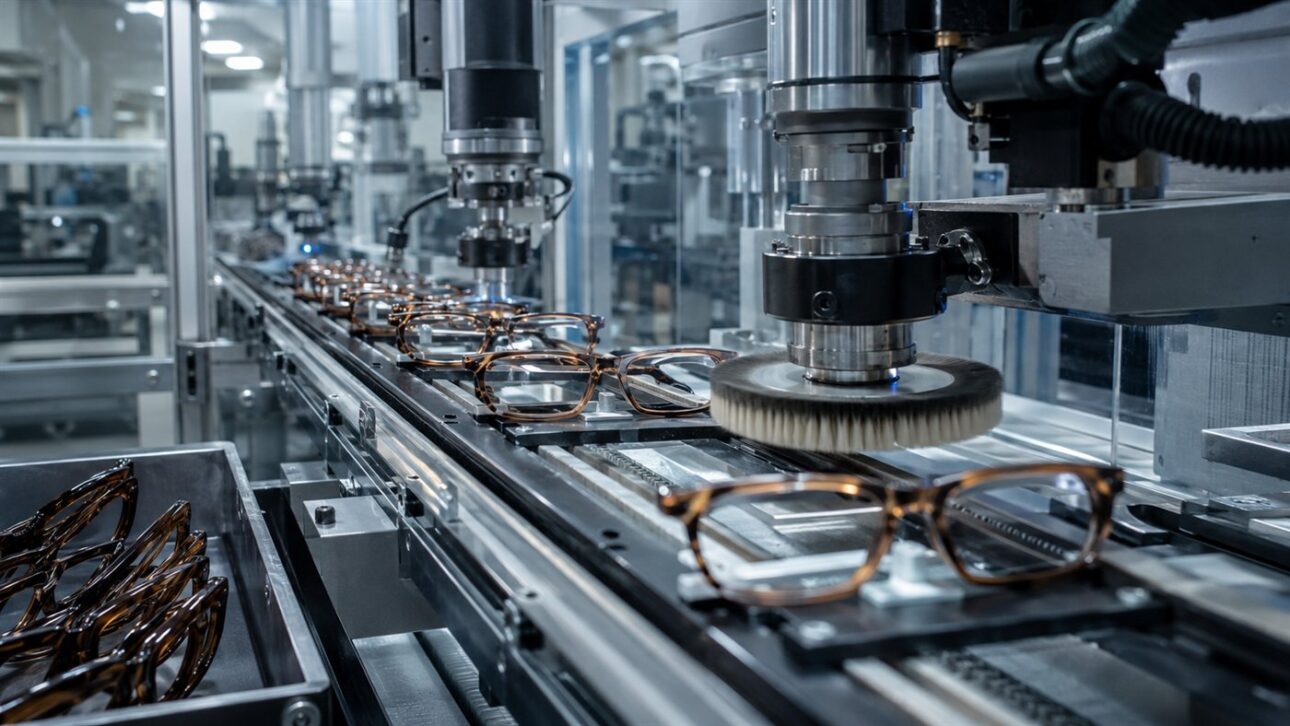
Del Vecchio’s clever move was understanding that glasses were not just a medical object, but a fashion accessory and a desire. According to Fortune, he founded Luxottica in 1961, in Agordo, producing components for the optical sector, and began buying brands, factories, and store networks, assembling piece by piece a structure that no one in the sector had.
Instead of just manufacturing frames for third parties, the company decided to keep everything: the factory, the brand, and the store. Del Vecchio died in 2022 as one of the richest men in the world, owning a fortune of tens of billions of dollars built entirely on an item that fits on the face. His story is the backbone of the modern eyewear market.
Ray-Ban, Oakley and a collection of brands that seem like rivals
Here things get surreal for the consumer. The company owns Ray-Ban and Oakley, described by Fortune as two of its core brands, alongside Persol and Oliver Peoples. The first one alone is the most valuable in the entire portfolio.
In other words, brands that appear side by side in the showcase, competing for your wallet, often belong to the same group. The feeling of choice is, for the most part, a marketing illusion, because the money goes into the same cash register regardless of the label. Whoever controls the most famous sunglasses on the planet also controls several of the “competitors” on the same shelf.
Luxury brands are also manufactured by her
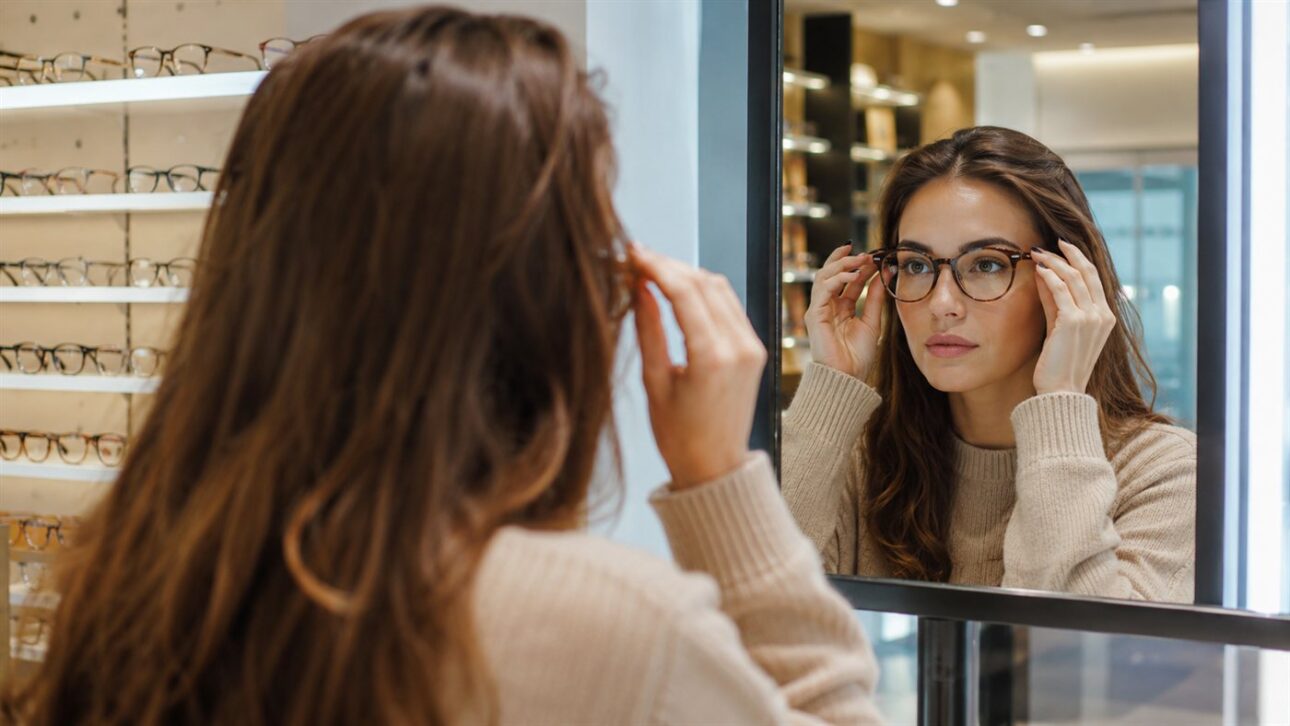
The domination doesn’t stop at its own brands. As Fortune points out, the company manufactures, under license, the glasses of major fashion brands, including Giorgio Armani, Prada, and Chanel. When you buy glasses from one of these maisons, the frame probably came from a factory in the group.
This gives the company a double power: it profits from its own brands and also from those of others. Few companies in the world can be on both sides of a luxury market at the same time. Not surprisingly, an analyst interviewed in the same report summarizes that 90% of the company’s strength comes from vertical integration, which he calls the sector’s ultimate competitive advantage.
She manufactures and also sells: the owner on both sides of the counter
What makes this case almost unbelievable is the control of the final point, the store. Besides manufacturing, the company owns giant optical retail chains. The Fortune report cites retailers like LensCrafters and Sunglass Hut among the group’s chains, which also controls its own brands like Persol and Oliver Peoples.
This means that it designs the glasses, manufactures the frame and the lens, puts the brand label, and even sells it to you at the counter. It is a mastery of the entire chain, from the screw to the showcase, which gives the company enormous power to set prices. This integration from the factory to the shelf is pointed out by Fortune as the main competitive advantage of the sector.
The merger with Essilor and the empire of nearly 1 billion glasses
The final leap came in 2018. The Italian company, a specialist in frames and brands, merged with the French Essilor, the world leader in lenses, creating EssilorLuxottica. According to Fortune, the company had revenue of about 26.5 billion euros last year and a market value close to 112 billion euros. A report by Exame magazine cites the production of 560 million lenses and 116 million frames per year, a volume that, combined with distribution, brings the group closer to the mark of 1 billion pairs sold.
The union brought together the two halves of the glasses into one company: those who make the lens and those who make the frame became partners. The result is a powerhouse that accounts for about a quarter of the entire optical market on the planet. There is hardly any other universally used product with such a large concentration in the hands of a single group.
In Brazil, the group bought Óticas Carol
The advance reached the Brazilian market with force. According to Exame, the Italian group bought the Óticas Carol chain for about 110 million euros, expanding its direct presence in the national retail market. The chain had around 990 points of sale when it was acquired, and thus a significant part of the optics that Brazilians frequent began to orbit the same owner of the world’s most famous sunglasses brand.
With its own brands, licensed labels, and store networks, the company reaches the Brazilian consumer in practically all price ranges. From street sunglasses to designer prescription glasses, the path almost always leads to the same group. It is proof that the dominance built in the Italian Alps knows no borders.
Why there is almost no real competition in glasses
The story of this eyewear empire is unsettling because it dismantles a cherished idea: that the market always gives us many options. In the case of glasses, the variety of brands hides a brutal concentration of power in a single group, capable of setting price, fashion, and availability.
It is not about illegality, but rather an industrial strategy built patiently over sixty years. The next time you try on a frame and compare labels, it’s worth suspecting how many of them are actually rivals. Had you noticed that you might always be buying from the same company, no matter which brand you choose?


