Portuguese
  Spanish


The New Industry Brazil package will receive a new boost of R$ 140 billion by the end of 2026, with funds from BNDES and Finep for strategic sectors such as fertilizers, biopharmaceuticals, sustainable mobility, and artificial intelligence.
The New Industry Brazil will receive an additional R$ 140 billion by the end of 2026, reinforcing one of the federal government’s main bets to revitalize the national industry. With this, the volume of investments linked to the program reaches around R$ 750 billion since 2023.
According to agenciabrasil.ebc.com.br, the new package comes from two important fronts of public financing: R$ 102.5 billion from BNDES and R$ 37.5 billion from Finep. The distribution shows that the program continues to be used as an instrument to drive credit, innovation, and production in areas considered strategic by the government.
In practice, the reinforcement expands the capacity to support companies and industrial projects at a time when the country is trying to accelerate the modernization of the production park and reduce bottlenecks in sectors dependent on technology, inputs, and long-term financing.
-
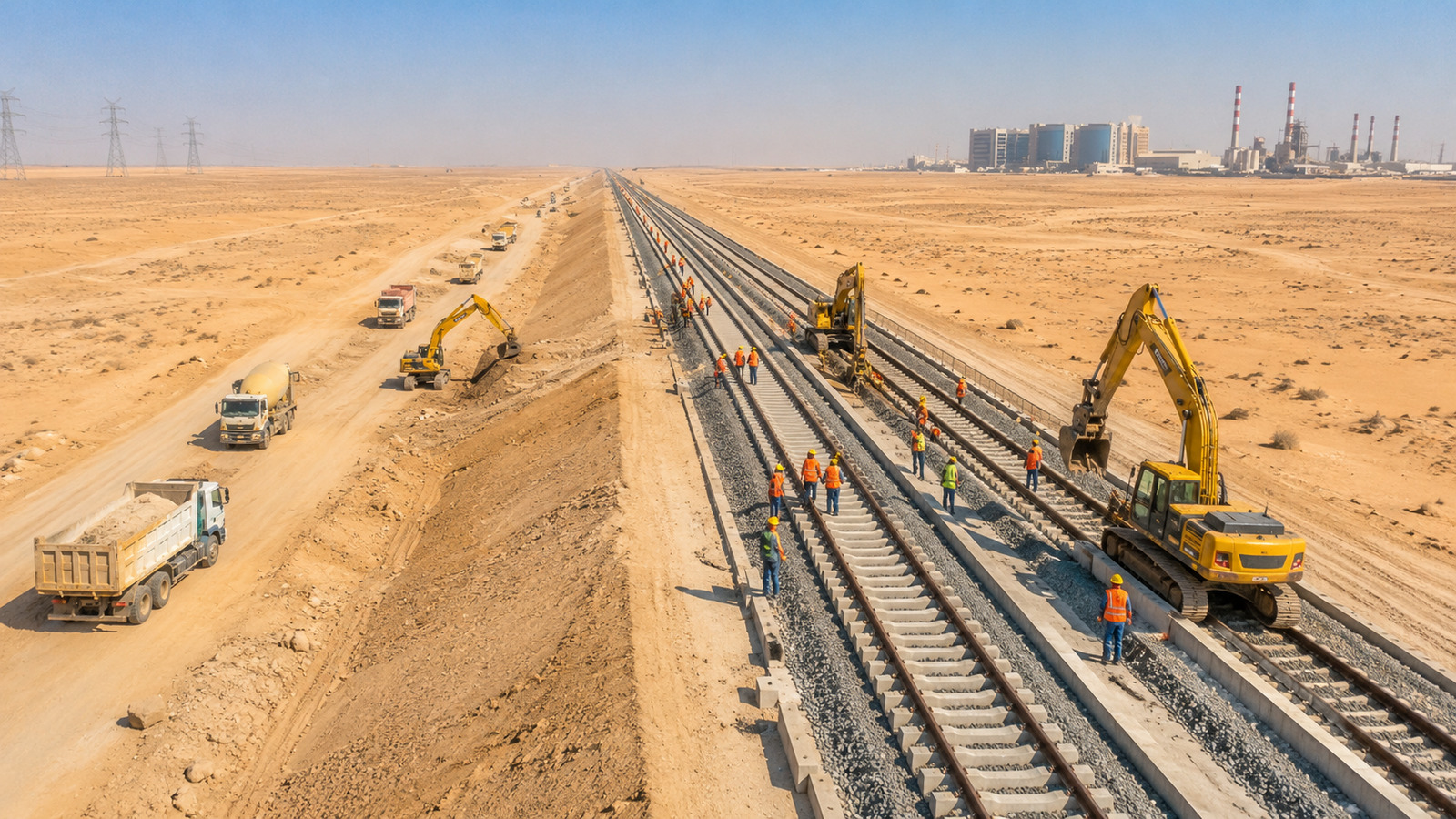
Mota-Engil Awaits Approval to Invest $1.4 Billion in Brazilian Northeast Railway Project Connecting to Porto Sul in Bahia

-
Global Food Prices Drop for Second Consecutive Month, but Meat Hits Record High and Vegetable Oils Rise Again, Despite Relief from Sugar, Cereals, and Dairy
-
Brazil’s Tax Authority Unveils 2026 Income Tax Data, Highlighting Professions with Highest Average Declared Wealth
-
Brazilian President Urges Citizens to Brace for Gasoline Price Changes Following Petrobras Chief’s Remarks on Upcoming Adjustments


New funds target sectors seen as strategic
The additional resources will be directed to specific industrial chains, chosen within the missions of the New Industry Brazil policy. Among the mentioned segments are fertilizers, agricultural machinery, active pharmaceutical ingredients, biopharmaceuticals, advanced therapies, sustainable mobility, artificial intelligence, the audiovisual sector, and critical minerals.
Civil and military use technologies are also on the list, reinforcing the program’s role as a tool not only for economic incentive but also for strengthening sensitive areas for the national industry.
This targeting helps explain why the government treats the NIB as a program with broad reach. Instead of spreading resources generically, the idea is to concentrate support on chains capable of generating innovation, reducing external dependence, and opening space for new productive investments.
BNDES and Finep concentrate most of the reinforcement
Of the total announced, BNDES accounts for the largest share, with R$ 102.5 billion, while Finep contributes R$ 37.5 billion. Both agencies are linked to the federal government and play a central role in financing industrial, technological, and innovation projects.
The weight of these two institutions is relevant because a large part of Brazilian companies, especially those with higher technological intensity or needing long-term capital, depend precisely on this type of support to bring projects to fruition.
Although the announcement confirms the total amounts and the source of the funds, the available material does not detail how each sector will be distributed nor does it present the complete release schedule. Even so, the new package shows that industrial policy remains a priority in the government’s economic design.
Total industrial policy package reaches R$ 750 billion
With the new round of resources, Nova Indústria Brasil reaches about R$ 750 billion in investments since the start of the program in 2023. The number gives the dimension of the federal bet on a more active industrial policy, with public financing as a lever for modernization and competitiveness.
The accumulated volume also helps position NIB among the main economic programs underway in the country. Instead of a one-off action, the government has been sustaining the strategy over the years, with successive reinforcements and focus on previously defined missions.
For the industry, the reading is clear: there is more money entering the official support network, and this can accelerate projects that depend on credit, technology, and scale to get off the ground. For the government, the package functions as a sign of continuity of an agenda that tries to reposition the Brazilian productive sector in more sophisticated chains and less dependent on imports.
The new contribution of R$ 140 billion until 2026 consolidates this direction and puts more pressure for the resources to reach the promised areas. If you follow industry, employment, and investments, it is worth keeping a close eye on the next announcements about the execution of this package.
If you want, share this news and tell us what you think about the size of the package intended for the Brazilian industry.