






 Portuguese
  Spanish
  5 min of reading
  0 comments


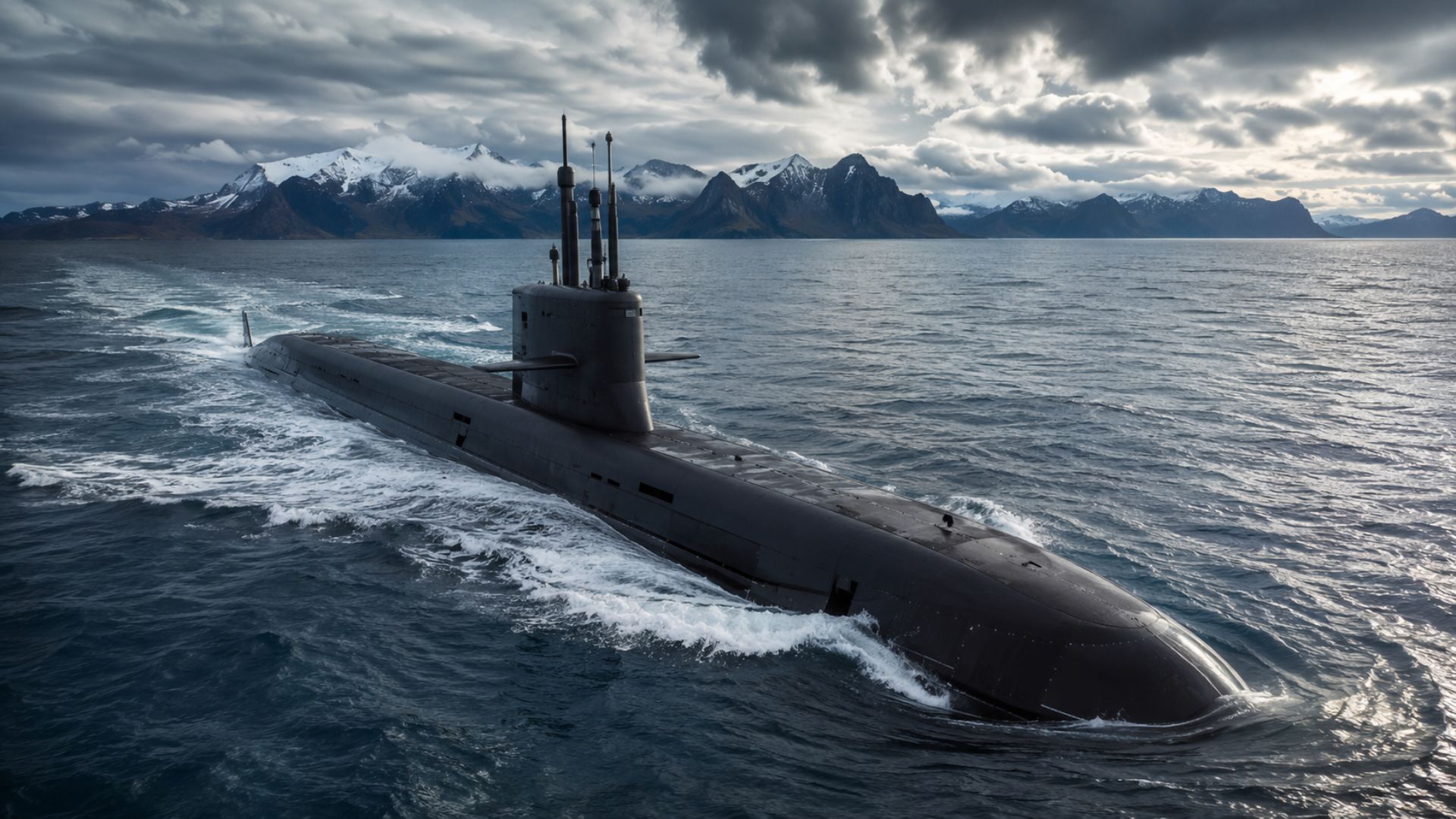
The vessel became a kind of floating showroom: two Canadian submariners boarded in Hawaii and one of them compared the switch to going from an old car to a Tesla. But victory is far from guaranteed, because the German rival has a solid reputation and has been strengthening its proposal with a substantial economic package.
For the first time in history, a South Korean submarine crossed the Pacific Ocean, sailing about 14,000 kilometers to Canada, in a bold demonstration of strength. The crossing, the longest ever made by South Korea’s submarine fleet, was no accident: it is part of the competition for a billion-dollar contract to replace the aging Canadian submarine fleet, one of the country’s biggest military decisions in recent years.
The vessel is the ROKS Dosan Ahn Changho, a 3,000-ton KSS-III class submarine, the first of entirely South Korean design and construction. It departed from the Jinhae Naval Base in South Korea on March 25, 2026, made stops in Guam and Hawaii and arrived at the Canadian base in Esquimalt, Victoria, British Columbia, on May 23, 2026, marking the first transpacific crossing of a South Korean submarine in history.
An Unprecedented Journey Across the Pacific

Covering 14,000 kilometers in open sea over about two months is a test of endurance and reliability that few submarines in the world can demonstrate in practice, not just on paper.
-
The United States government approved a potential sale of 100 portable Stinger anti-aircraft missiles to the Brazilian Army, in a package estimated at around 330 million dollars that still depends on negotiations between the two countries.

-
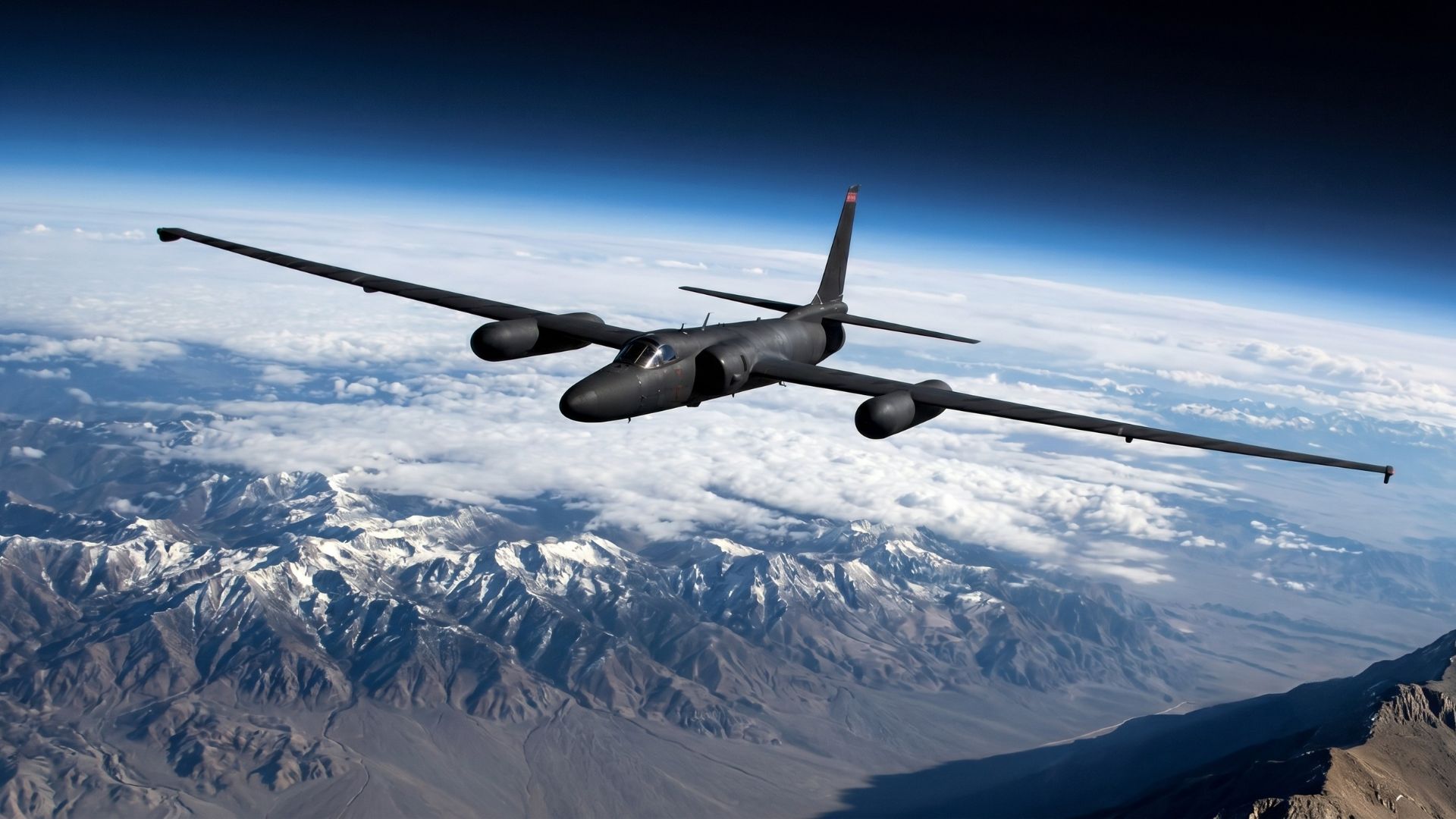
The spy plane that flies on the edge of space and requires the pilot to wear an astronaut suit: U-2 Dragon Lady has been crossing the skies above 21 km altitude since the Cold War and remains one of the most extraordinary reconnaissance aircraft ever built.
-
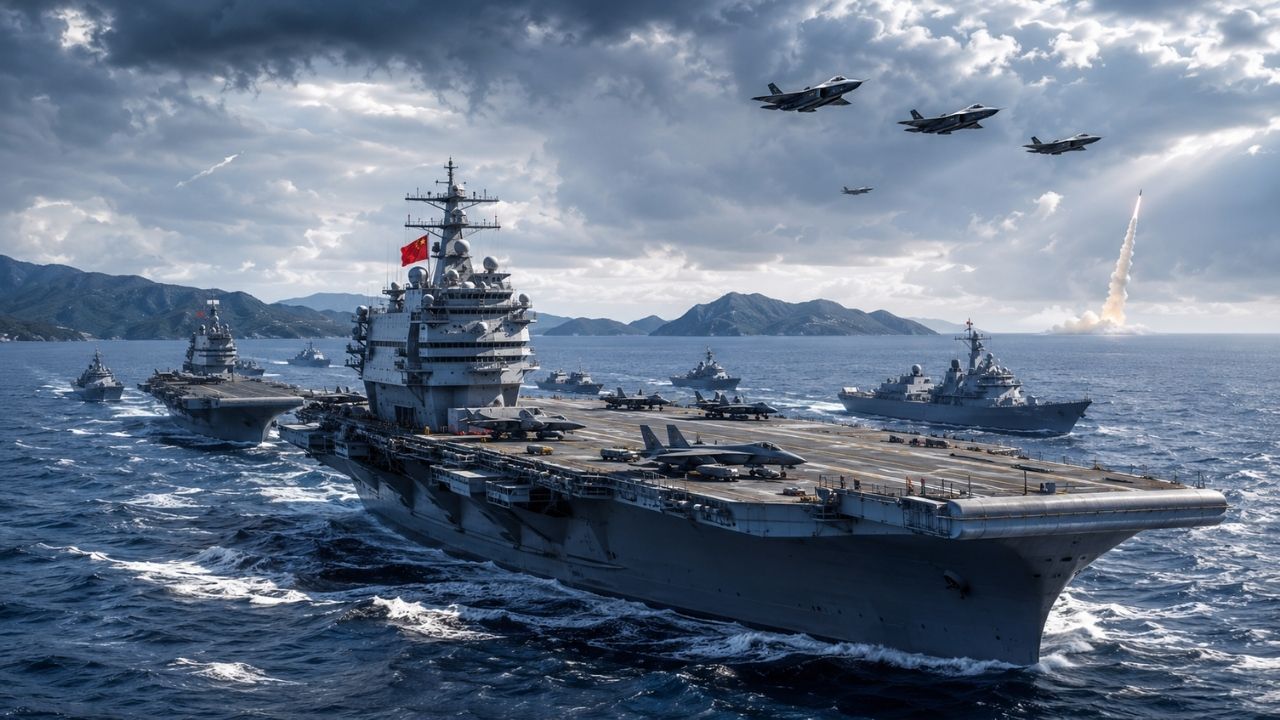
Chinese aircraft carriers on alert amid Japanese military advancement: exercises with 64 anti-ship missiles, F-35 fighters, and new Type-12 missiles highlight the race to protect giant fleets in the Western Pacific.

-
USS Gerald R. Ford, the most expensive aircraft carrier in the world, returned to the USA after almost 11 months at sea with 4,600 military personnel on board, but is entering maintenance to repair a fire, rebuild accommodations, and fix a bathroom system that caused a series of failures.


According to the South Korean Navy, the crossing highlighted the submarine’s operational capabilities, supported by reliable systems and good living conditions on board during the long journey. The vessel arrived accompanied by the frigate ROKS Daejeon and, after joint exercises with Canada, is expected to proceed to Hawaii to participate in RIMPAC 2026, the world’s largest multinational naval exercise.
The Billion-Dollar Contract in Dispute
The backdrop of all this demonstration is the Canadian Submarine Patrol Project, acronym CPSP in English. Canada wants to replace its already obsolete Victoria-class submarines with up to 12 new vessels, in a contract of significant value. Estimates vary widely depending on the source and what is included, reaching figures of tens of billions of dollars when acquisition, maintenance, and support over decades are added up.
The new fleet is considered strategic not only for the Pacific and the Atlantic but also for the Arctic, where the submarines would need to operate for long periods under the ice, a technically challenging requirement. The final decision, under the responsibility of Prime Minister Mark Carney’s government, is expected around June 2026, and Canadian authorities have been emphasizing the urgency of quickly renewing the country’s submarine capability.
South Korea versus Germany


The dispute is concentrated between two finalists, chosen in August 2025 after evaluating five initial proposals. On one side, the South Korean consortium formed by Hanwha Ocean and HD Hyundai Heavy Industries, offering precisely the KSS-III class submarine, the same model that crossed the Pacific. On the other, the German ThyssenKrupp Marine Systems, TKMS, supported by Germany and Norway, with its Type 212CD submarine.
The great Korean advantage is the timeline: Hanwha promises to deliver the first submarine by 2032 and four of them by 2035, while the German project is at an earlier stage of production. Physically bringing the submarine to Canada and training alongside the local Navy is a powerful way to show that the product exists, works, and is already operational, turning the vessel into a sort of floating showcase for Canadian decision-makers.
The Dispute is Far from Decided
Despite the strong South Korean marketing move, it would be a mistake to consider the victory as certain. The German TKMS has a solid and established reputation in submarine design and engineering, with models already in service in various European navies, which weighs heavily in a decision of this magnitude and long-term impact.
Furthermore, the dispute goes far beyond the technical aspect. According to the Canadian press, Germany has reinforced its proposal with a robust economic and industrial package, involving investments in areas such as batteries for electric vehicles and rare earth mining in Canadian territory. In other words, Canada is not only evaluating which is the best submarine but also which deal brings more economic benefits to the country, keeping the competition open.
The Message from an Emerging Naval Power
Regardless of the outcome, the crossing already plays an important role for South Korea, which has been establishing itself as an exporting power of defense equipment. Showing that its submarine is capable of crossing an entire ocean and cooperating with a Western navy is a valuable calling card for future contracts, both inside and outside North America.
The episode also reflects a moment of naval arms race in various parts of the world, with countries strengthening their fleets amid rising geopolitical tensions. South Korea itself has been expanding its military capabilities at sea, and the journey of the Dosan Ahn Changho serves both as a commercial demonstration and as a strategic message about how much its defense industry has evolved in recent decades.
The unprecedented journey of the South Korean submarine to Canada is both a naval feat and a sophisticated commercial strategy, showing how the competition for large defense contracts is also decided in the practical demonstration of capability. It remains to be seen whether the effort will be enough to surpass German tradition and the economic interests at play. Ottawa’s decision, expected in the coming weeks, will reveal which path Canada has chosen to rebuild its submarine fleet.
And you, what did you think of this display of strength by South Korea, taking a submarine 14,000 kilometers to Canada? Do you believe the strategy will secure the contract or will Germany prevail? Leave your comment, share your opinion on this naval dispute, and share the article with those interested in defense, military technology, and geopolitics.







-

-

-

5 people reacted to this.