






 Portuguese
  Spanish


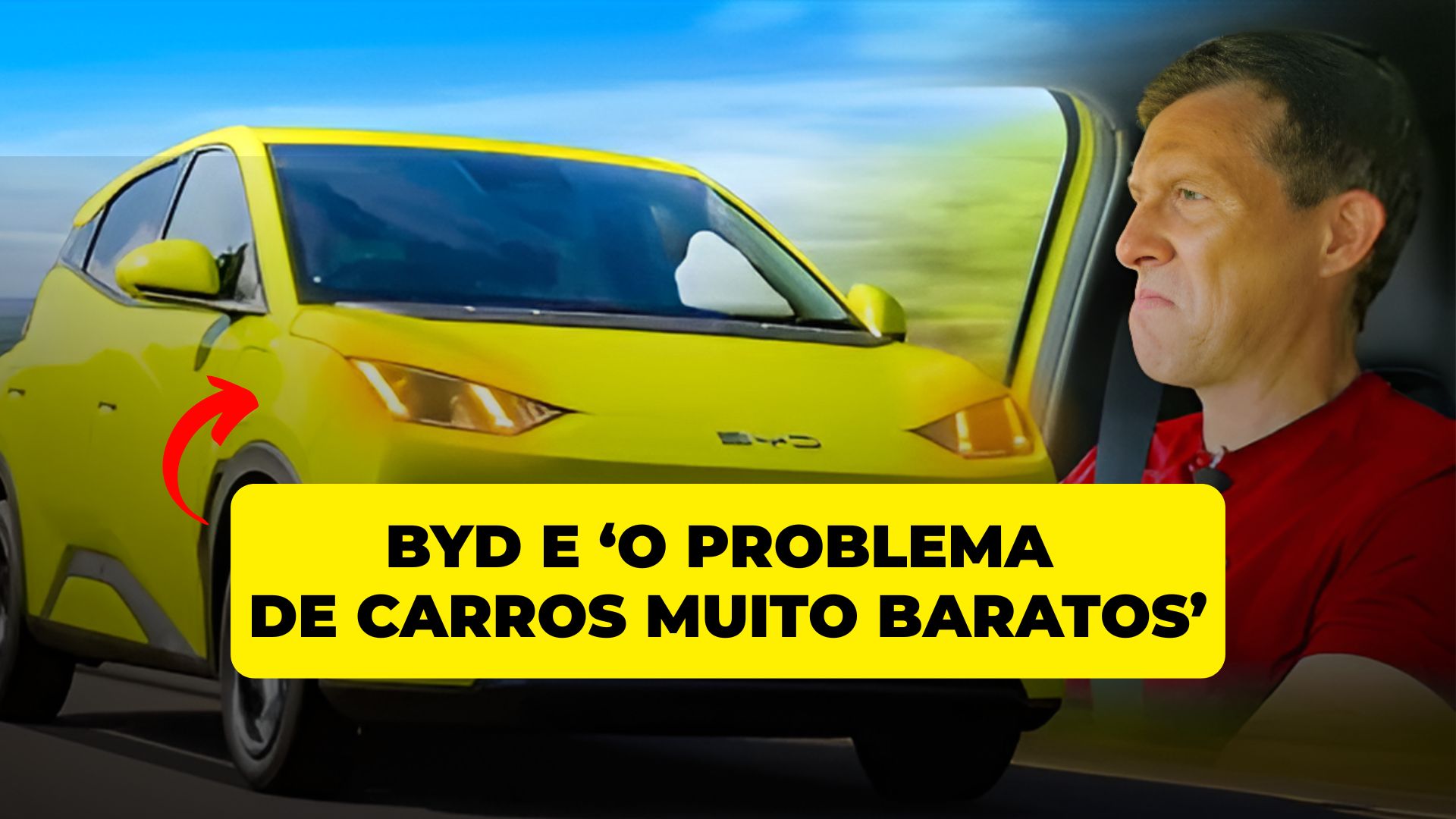


Recent Evaluation of the BYD Dolphin Mini Highlights Performance and Energy Efficiency, but Points Out Faults in Finish, Technology, and Handling That Cast Doubt on the Real Cost-Benefit of the Electric Compact.
The BYD Dolphin Mini, known in some markets as the Seagull and sold in the UK under the name Dolphin Surf, has been notable for its competitive price and its proposal to be an entry-level option in the electric vehicle segment.
However, a recent evaluation by a journalist from the British channel Carwow brought a series of critical observations about the model, pointing out limitations that, according to him, compromise the overall user experience.
According to the reporter, the hatch electric is presented as the second cheapest battery car available in Europe, behind only the Dacia Spring.
-
End of the Affordable Car Era: Fiat Argo 1.0 2026 Offers 14.7 km/l Efficiency and Easy Maintenance, but $18,000 Price Raises Cost-Benefit Concerns

-
Honda XR 300L Tornado Special Edition 2026: Off-Road Focused Motorcycle with 293.5cc Engine, 24.3 HP, Priced at $6,200
-
Indian Government Offers Up to $1,000 Incentive for Drivers to Swap Old Cars for Electric Vehicles

-
Tesla Begins Testing Two-Seater Autonomous Robotaxi Without Steering Wheel or Pedals, Featuring Onboard Safety Monitor


Despite this, the professional pointed out that the reduced cost comes with concessions that affect everything from the finish to the onboard technology.
External Design Causes Controversy
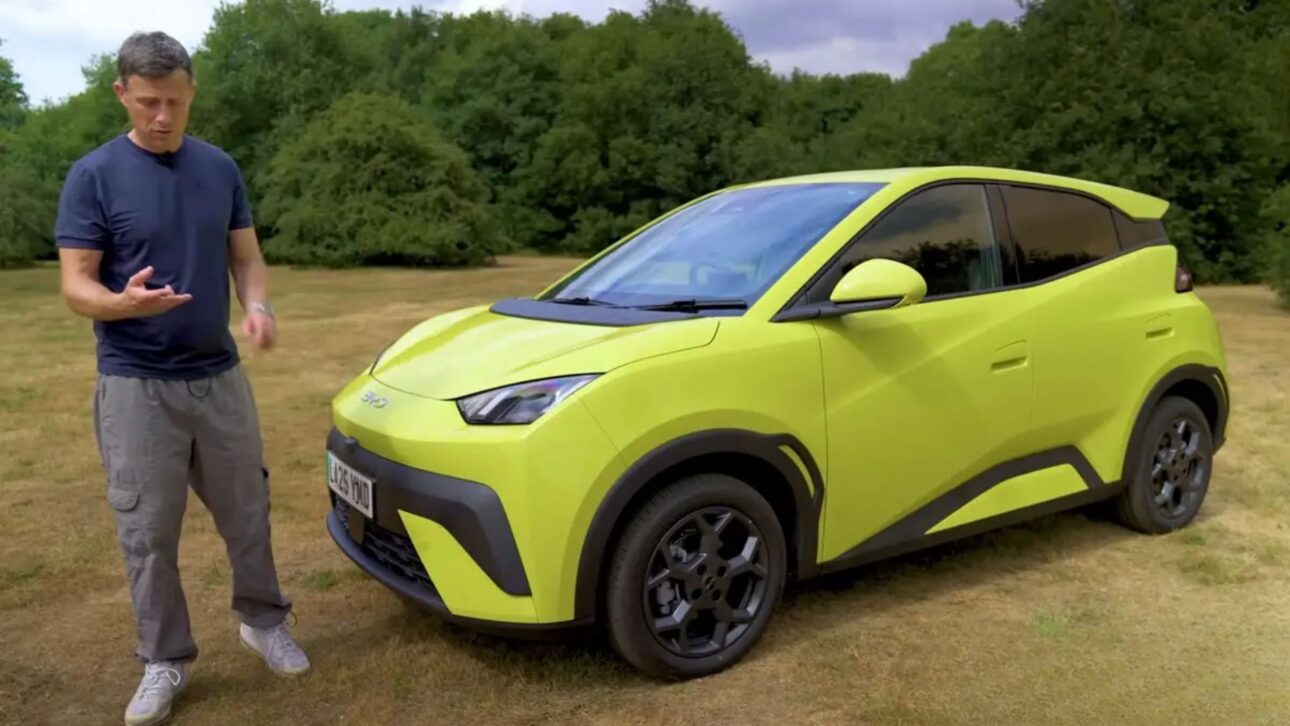
The external design was one of the first points questioned.
According to the journalist, the appearance of the Dolphin Mini resembles older compact models, such as the Chevrolet Spark or the Chevrolet Bolt, resulting in a look that he classified as “somewhat odd”.
Although style is subjective, the comparison highlights that the aesthetics may not appeal to all consumers.
Interior Receives Criticisms About Finish and Usability
In the interior, the criticisms intensified.
The evaluator highlighted the predominant use of hard plastics, the multimedia center with a confusing interface, and the instrument panel with small fonts, which makes it difficult to read the information while driving.
Additionally, the air conditioning was another point of dissatisfaction: the air conditioning controls are positioned impractically, and several functions can only be adjusted via the touchscreen, which can distract the driver.
Positive Aspects: Internal Space and Energy Efficiency
Despite these reservations, there was room for praise.
The journalist recognized that the seats are comfortable and that the internal space is satisfactory, especially in the rear, where there is good accommodation for legs and head.
Another positive highlight was the energy consumption: in tests, the Dolphin Mini achieved an average of 4 miles per kWh, surpassing direct competitors like MG4, Hyundai Inster, and Citroën e-C3.
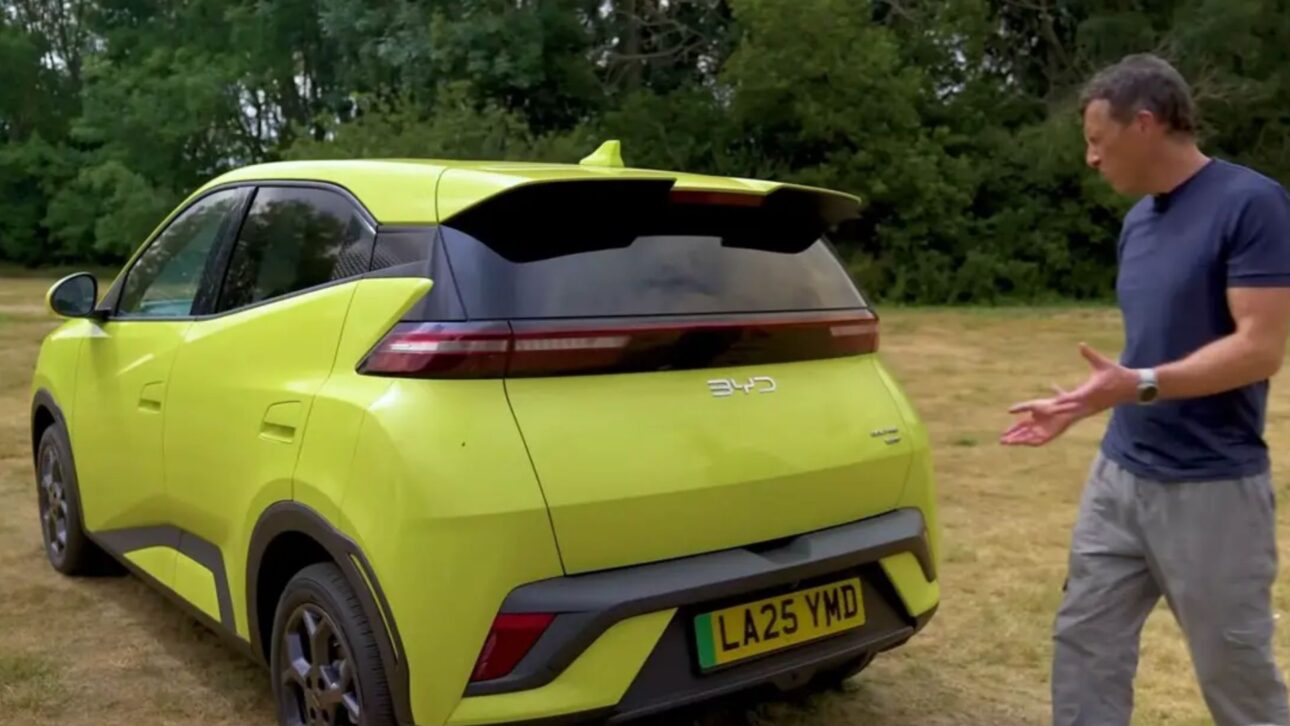
With this efficiency, the actual range recorded was about 270 km, a number considered adequate for urban displacement.
In terms of performance, the compact surprised by accelerating from 0 to 100 km/h in 7.7 seconds, a result even better than reported by the manufacturer itself.
Handling Issues and Assistance Systems
Still, the driving experience did not convince the evaluator.
Among the cited problems is the lack of manual control over the energy regeneration level — a resource that takes advantage of deceleration to recharge the battery.
The brakes also received criticism for their inconsistent response, and the driver assistance system was considered excessively sensitive, issuing alerts even when there was no imminent risk.
Another point mentioned was the ventilation, which, according to the journalist, does not ensure efficient air distribution throughout the cabin.
This limitation, combined with the need to constantly resort to the central screen for adjustments, was seen as a factor that hinders usability in day-to-day.
Comparison with Rivals and Cost-Benefit
The professional compared the Dolphin Mini with rivals that reach the European market in similar price ranges, such as the Renault 5, the MG4, and the Hyundai Inster.
For him, although BYD’s model stands out for its initial price, when analyzing factors such as finish, technology, and comfort, the cost-benefit becomes less competitive.

Expansion of BYD and Challenges of Accessible Electrics
The market for accessible electrics has been growing rapidly, driven by Chinese manufacturers looking to expand their global presence.
However, as pointed out by the evaluator, the challenge is to balance the reduced price with a package of attributes capable of competing with established brands and new releases that bet on more sophisticated design and advanced technological features.
BYD, currently one of the largest electric vehicle manufacturers in the world, has been increasing its presence in Europe and Latin America.
In Brazil, the company already sells other electric and hybrid models, and the Dolphin Mini is set to reinforce its lineup as an urban alternative.
Despite the criticisms, the brand’s strategy continues to focus on offering more affordable options to accelerate the adoption of battery-powered cars.
The case of the Dolphin Mini raises an important question in the sector: to what extent does a low price compensate for potential limitations in finish, comfort, and technology?





Ah até parece que o dacia spring vulgo e-kwid é uma maravilha de acabamento, espaço e dirigibilidade. É o segundo mais barato. Quer luxo, compra o mais caro ué.
Estão procurando defeito no carro, nada haver essa matéria …
A pergunta é quantos anos a bateria do carro elétrico dura?
8 anos com garantia total da bateria e produção nacional a partir de 2026 em Manaus
Querem matar o carro elétrico pela 4 vez , a indústria ( Montadoras Nacionais) são desonestas , tanto com consumidores e também com a concorrência. Elétricos que entregam tudo camb. Aut, contrl estab. Freios 4 rodas pelo preço dos carros de entrada.
Tem garantia de 6 anos do carro .E 8 anos na bateria
Em 8 anos fazendo uma conta básica , já lucrou 3 carros nacionais. Kkkkkk