Portuguese
  Spanish


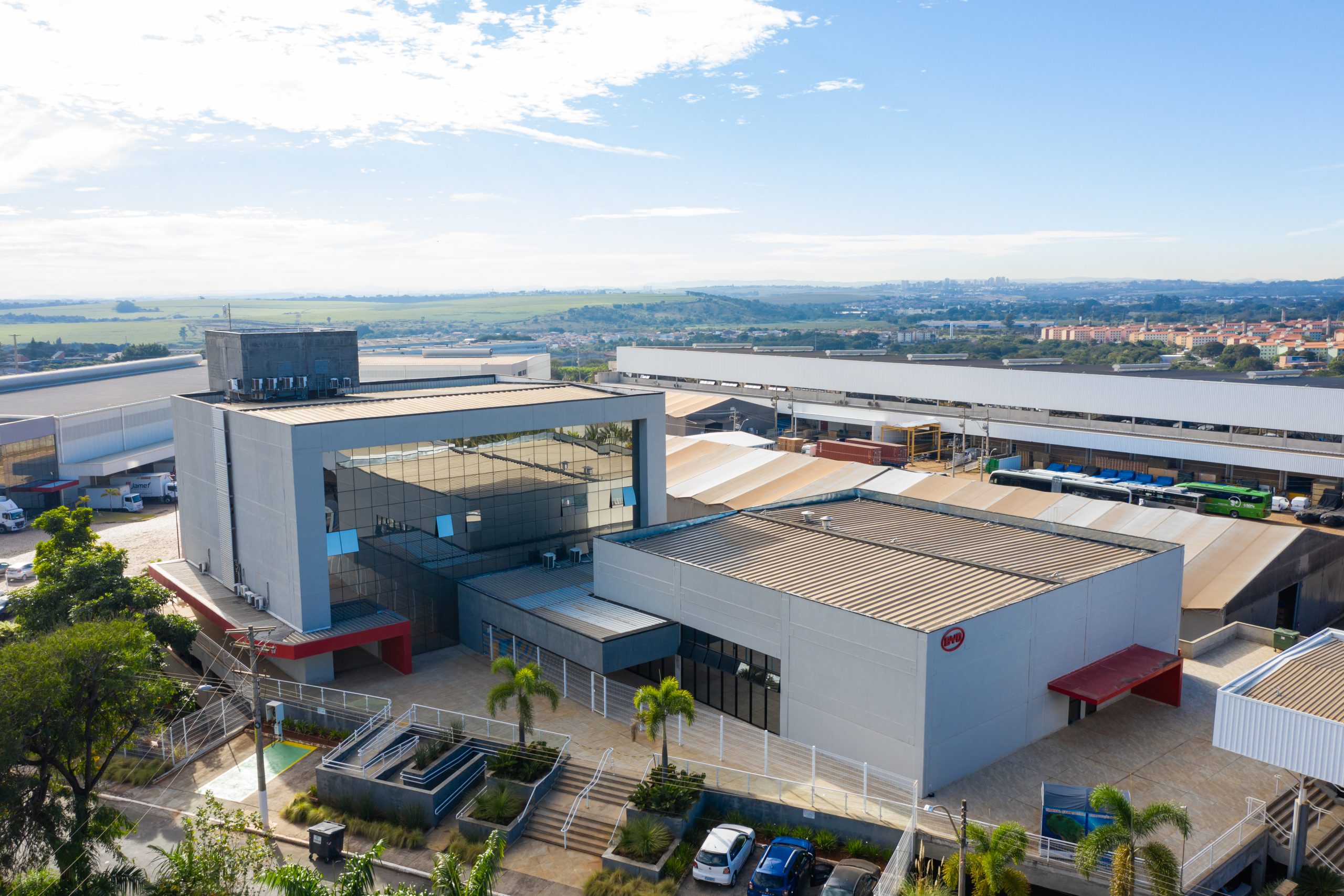

BYD May Become The First To Manufacture Electric Cars In Brazil. After Producing Electric Buses, Batteries, And Solar Panels, The Chinese Company Plans To Develop A New Production Facility In Bahia.
The multinational BYD has ambitious plans for the country in the electric car sector, and during the launch of its models, named BYD Song Plug-In Hybrid And BYD Yuan Plus Fully Electric, which was attended by the president of BYD for the Americas, Stella Li, the Chinese company reinforced its commitment to the country during the energy transition process to electric models. Nearly 10 years after debuting in the country, the company is poised to make billion-dollar investments in the largest market in Latin America, which is currently undergoing a government change that may lead the country to focus on technologies that reduce carbon emissions.
BYD Will Invest R$ 3 Billion In Electric Cars In Brazil
Currently, the company has three local factories, where it manufactures electric buses, batteries, and solar panels in São Paulo and Manaus, and is also working on monorail projects in Brazil. The sales of passenger electric cars began at the end of last year, with BYD already having five models for sale in the country, namely the Han, Tan, D1, and Yuan Plus, as well as the Plug-In Hybrid Song.
While celebrating the historic milestone of 3 million electric cars produced, the Chinese company is focused on its global expansion strategy. In just a few months, the multinational has started selling its models in Australia, Israel, Japan, Thailand, Colombia, Costa Rica, Uruguay, and Europe.
-
End of an era in Brazil: beloved sedan by Brazilians is discontinued despite having a 2.0 engine with 151 hp, CVT transmission, 466-liter trunk, and up to 650 km of range.

-
New Law Proposal in Brazil Could Heavily Penalize Drivers: Dangerous Overtaking May Become a Serious Offense with Fines Increased Tenfold and a 12-Month License Suspension; Update on 2026 Progress

-
Electric Revolution: Watts W125 Motorcycle Offers 160 km Range, 90 km/h Speed, and Affordable Price Starting at $3,000
-
General Motors Replaces Over a Thousand Workers with 50 Cobots at Electric Vehicle Plant, UAW Union Criticizes Move Amid Industry’s Automation Push
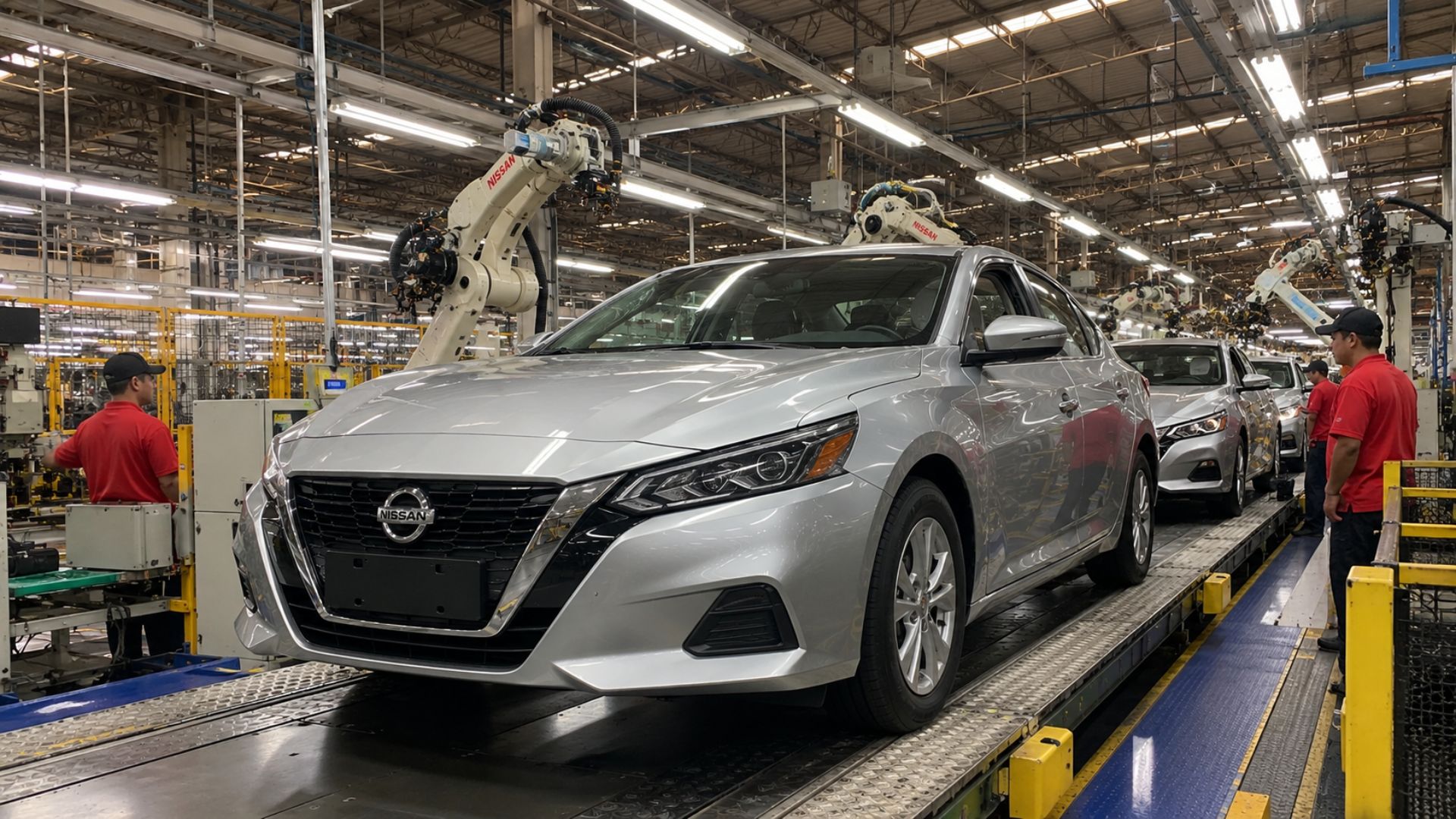


In the specific case of Brazil, the projected sales of these vehicles and the expansion prospects in Latin America motivated the Chinese giant to sign a memorandum of understanding with the government of Bahia for the development of an industrial hub for electric cars in Camaçari, Bahia.
The investment plan of R$ 3 billion in the venture includes a schedule that anticipates the start of battery assembly unit activities in mid-2023. The following year, the production of commercial electric vehicles would commence, and finally, in 2025, the production of electric cars would begin.
Chinese Company May Be The First Electric Car Manufacturer In Brazil
According to BYD’s Director of Marketing and Sustainability, Adalberto Maluf, the negotiation process for the facility in Bahia is well underway. The executive states that, as far as the automaker is concerned, the project will be realized, with only a few outstanding tax or legal issues remaining.
When asked about the possibility of BYD becoming the first electric car manufacturer in Brazil, Maluf did not provide a confirmation but highlighted the potential of the Chinese brand and its competitive advantages, especially with the use of the e-platform 3.0.
Electric Car Sales In Brazil Surge By 44%
Although the figures are high, the market for electric and hybrid vehicles in the country has accelerated, even without a clear national incentive policy. As of October this year, sales in the sector increased by 44% compared to the same period last year, despite the cheapest models in the Brazilian market costing over 140 thousand reais.
For BYD’s president for the Americas, Stella Li, the company believes that now is the ideal moment, both politically and environmentally, to invest in the construction of these new technologies in the country; however, it will be a challenging process, as it requires the government to be open-minded for the technology to expand.
Luiz Inácio Lula da Silva, the president-elect, promised an agenda to combat climate change. At the end of October, the coordinator of the government program, Aloizio Mercadante, stated that the government needs to stimulate a process of reindustrialization focused on a greener economy and mentioned that the Brazilian automotive industry needs to modernize to include hybrid vehicles.