Portuguese
  Spanish


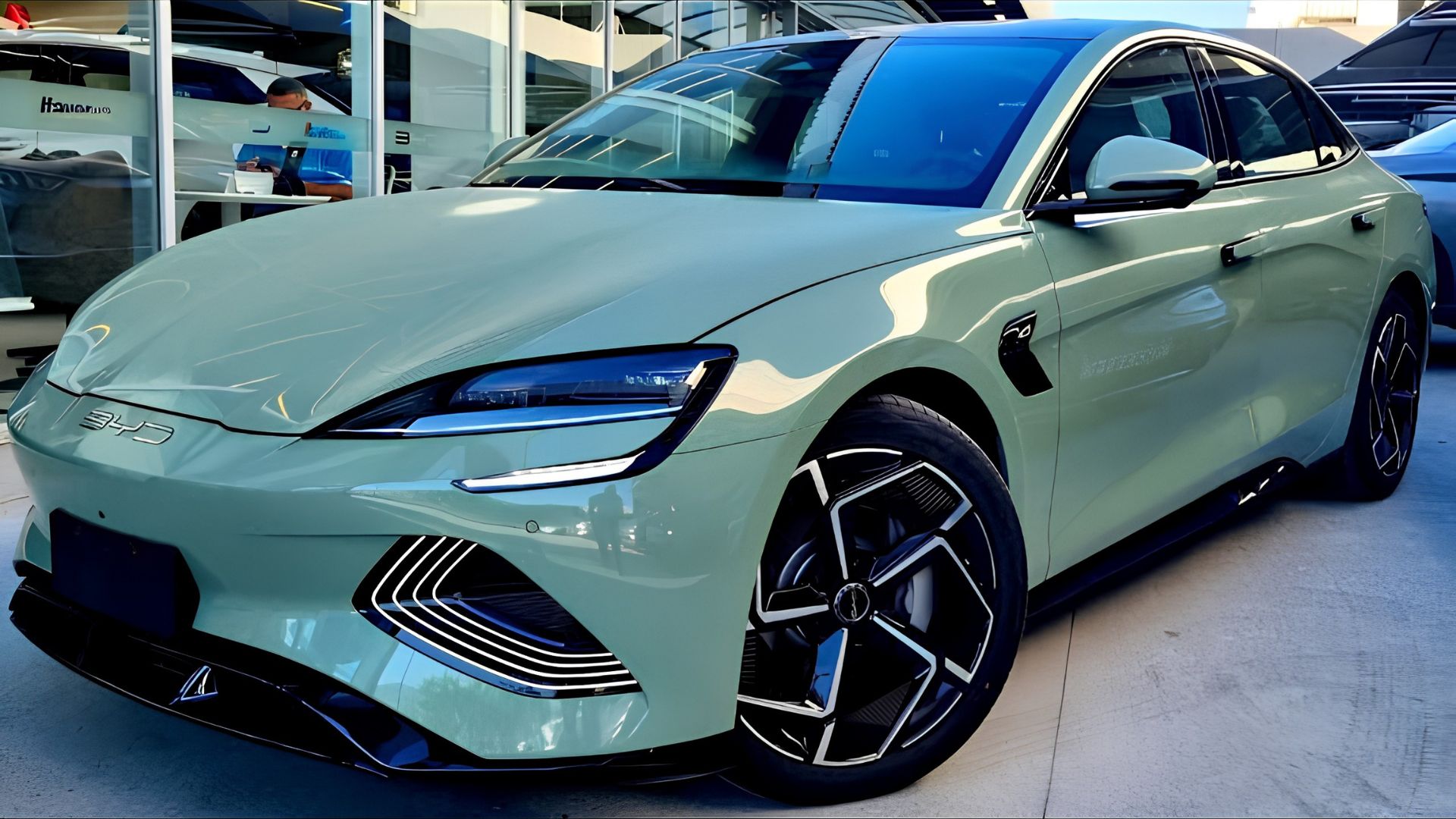

BYD Seal 2024 now appears for R$ 179.9 thousand, almost R$ 117 thousand below the launch, but maintains performance of 531 hp and acceleration from 0 to 100 km/h in 3.8 s.
The Brazilian electric vehicle market continues to adjust, and the BYD Seal 2024 has become one of the most visible cases of this movement. Launched in the country for R$ 296,800, the electric sedan is already appearing in ads for R$ 179,900, a difference of R$ 116,900 compared to the debut price.
This drop is noteworthy because the Seal arrived in Brazil with a premium proposal, sports car performance, and a comprehensive technology package. Even with the strong price correction in the resale market, the model continues to occupy a technical range above most generalist electric vehicles sold in the country.
BYD Seal 2024 plummets in the resale market and already appears for less than R$ 180 thousand after debuting at R$ 296,800
The strongest point of the agenda is the difference between the launch price and current ads. When it debuted in Brazil, on August 30, 2023, the BYD Seal was presented for R$ 296,800.
-
Electrified Cars Made or Assembled in Brazil Now Account for 39% of Sales, Driving Industrial Shift in the Sector

-
Renault Kwid Outsider 2023: Affordable Used Hatchback with 1.0L Engine, 15.7 km/l Efficiency, and Ample Cargo Space for Around $11,000

-
Chevrolet SUV Offers 153 hp Engine, 620 km Range, and ADAS Features at a Lower Price Than a New Kwid

-
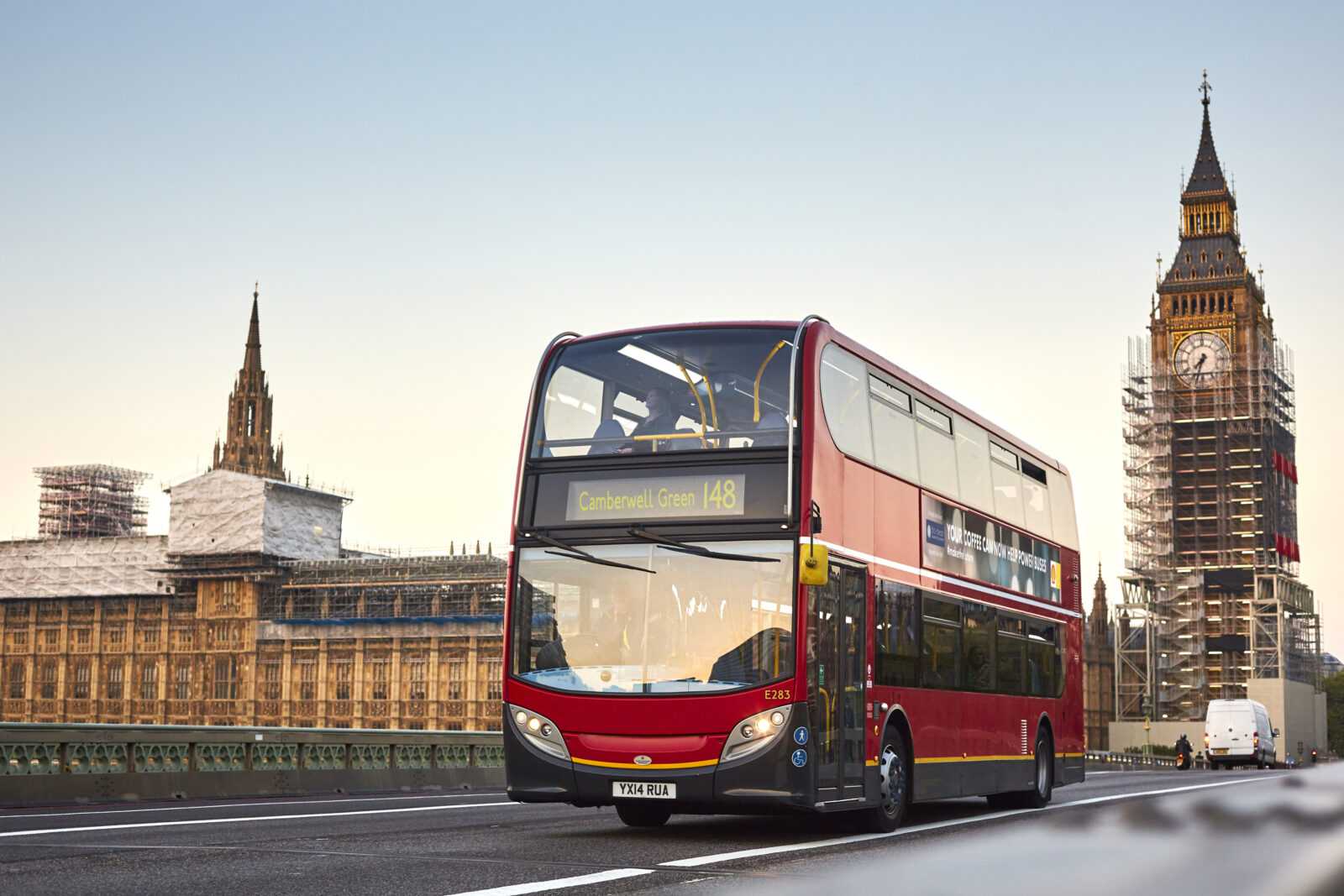
London buses run on biofuel made from coffee grounds, turning café waste into sustainable public transport fuel without engine modifications.


Today, there is already an offer published on Webmotors for R$ 179,900, which places the model below the R$ 185 thousand range and shows a very significant accumulated depreciation in less than two years.
In practice, this means that the sedan lost almost 39.4% of its debut value in this specific ad. The calculation is straightforward: R$ 296,800 minus R$ 179,900 results in R$ 116,900, a difference that brings the model closer to a price range normally occupied by medium sedans and compact combustion SUVs.
Even cheaper, BYD’s electric sedan maintains 531 hp and acceleration from 0 to 100 km/h in 3.8 seconds
The price drop did not change the car’s main technical argument. On the brand’s official page, BYD states that the Seal delivers 531 hp of maximum power, accelerates from 0 to 100 km/h in 3.8 seconds, and has a range of up to 372 km in the PBEV cycle.


These numbers keep the model at a rare performance level for the price range where some used examples are already starting to appear. The Seal continues to be a sports-oriented sedan, with all-wheel drive and acceleration response that brings it closer to traditional premium brand cars.
Large sedan dimensions and premium proposition helped the BYD Seal arrive as the brand’s technological showcase
At the Brazilian launch, InsideEVs Brasil recorded that the model measures 4.80 meters in length, 1.91 meters in width, 1.49 meters in height, and has a 2.92-meter wheelbase. The proportions placed the Seal in a size range above conventional medium sedans, reinforcing the proposal of a more sophisticated electric vehicle aimed at the premium segment.
This set of dimensions, combined with the low design and sportier profile, was a central part of BYD’s strategy to position the car in Brazil. The Seal did not arrive as an entry-level electric vehicle, but as a product of image, performance, and technology within the brand’s expansion in the country.
15.6-inch screen, Dynaudio sound, and fast charging keep the BYD Seal competitive in technology
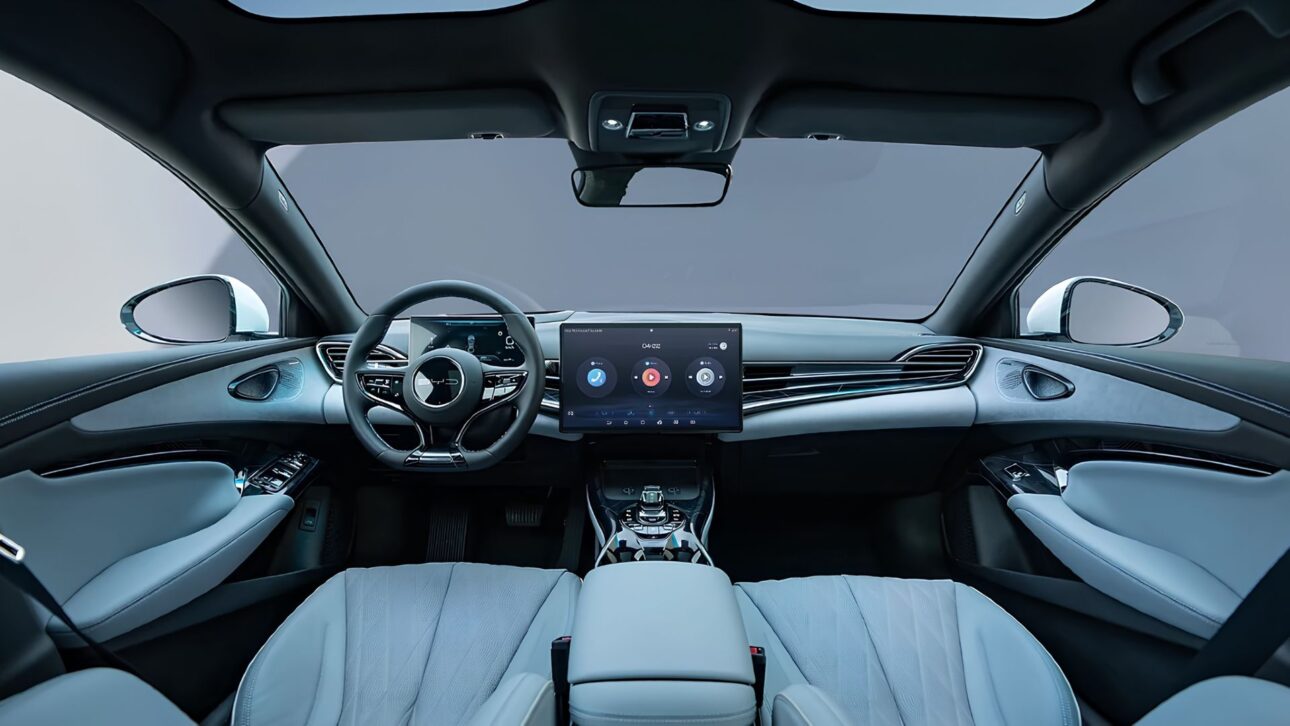
Even with accelerated depreciation, the Seal continues to offer an above-average cabin and convenience package.
BYD reports that the model features a 15.6-inch rotating screen, Dynaudio sound system with 12 speakers, and fast charging in direct current, with a recharge from 30% to 80% in 30 minutes on a 150 kW DC charger.
These items help explain why the model has also started to attract attention in the used car market. When an electric sedan with this level of performance and technology starts to appear below R$ 180,000, it comes onto the radar of consumers who previously did not consider a car of this size.
Strong price drop makes the BYD Seal a rare opportunity in the used electric car market
The case of the Seal aptly summarizes the new phase of the Brazilian electric vehicle market. The car continues to deliver strong numbers, a technological cabin, and a more refined proposition, but the price pressure in the segment has already placed some units in a much lower range than at launch.

For those observing the used car market, the movement is significant because it repositions the model. What was once an electric sedan costing almost R$ 300,000 can now appear in ads for less than R$ 180,000, opening up space for a new perspective on resale value, buying opportunities, and the accommodation of electric vehicle prices in Brazil.