Portuguese
  Spanish


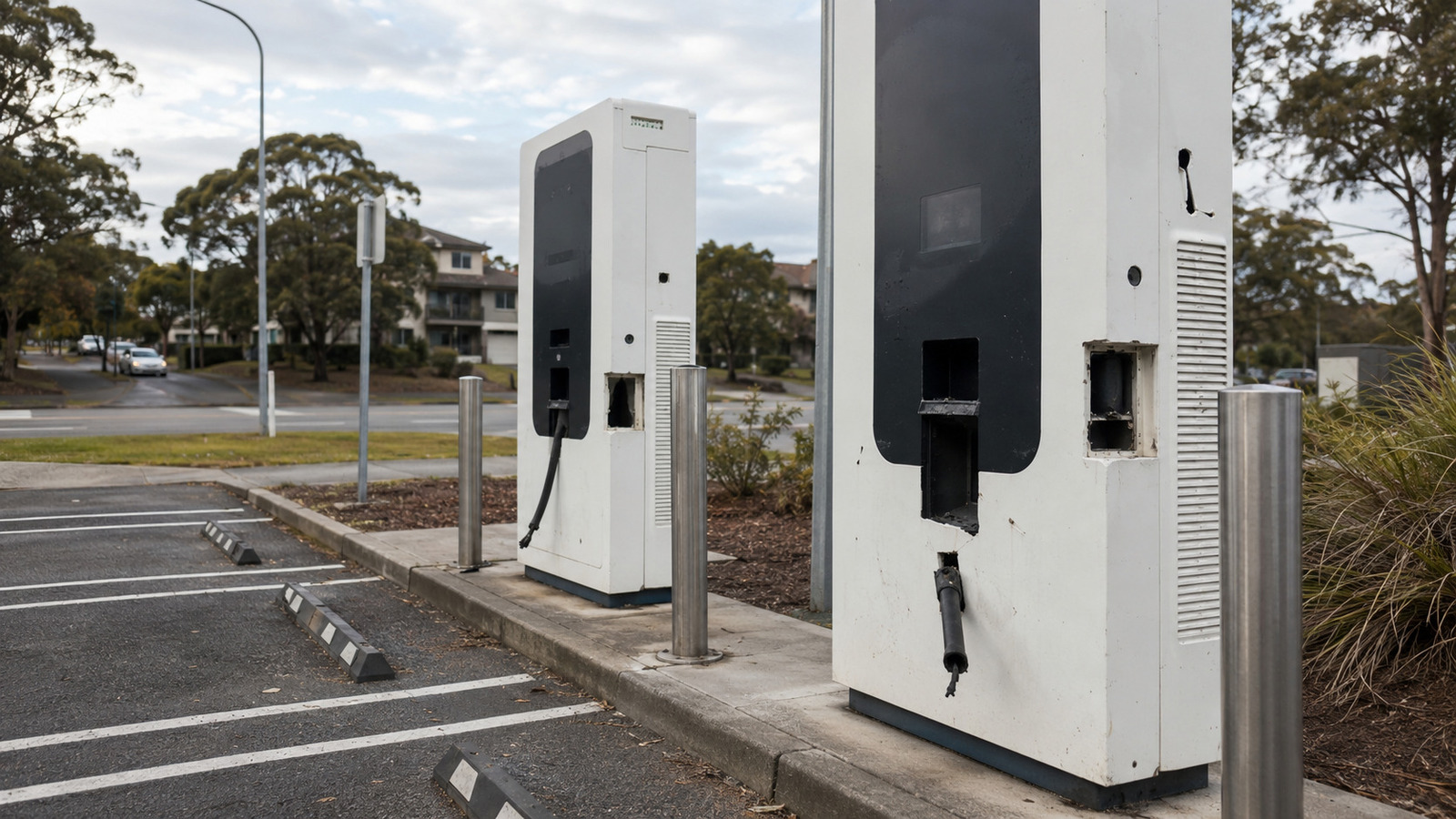

Criminals cut cables at stations in Newcastle, Raymond Terrace, and Central Coast, targeting the copper from fast chargers while operators test forensic technology to track the stolen metal and reduce losses to local electric mobility
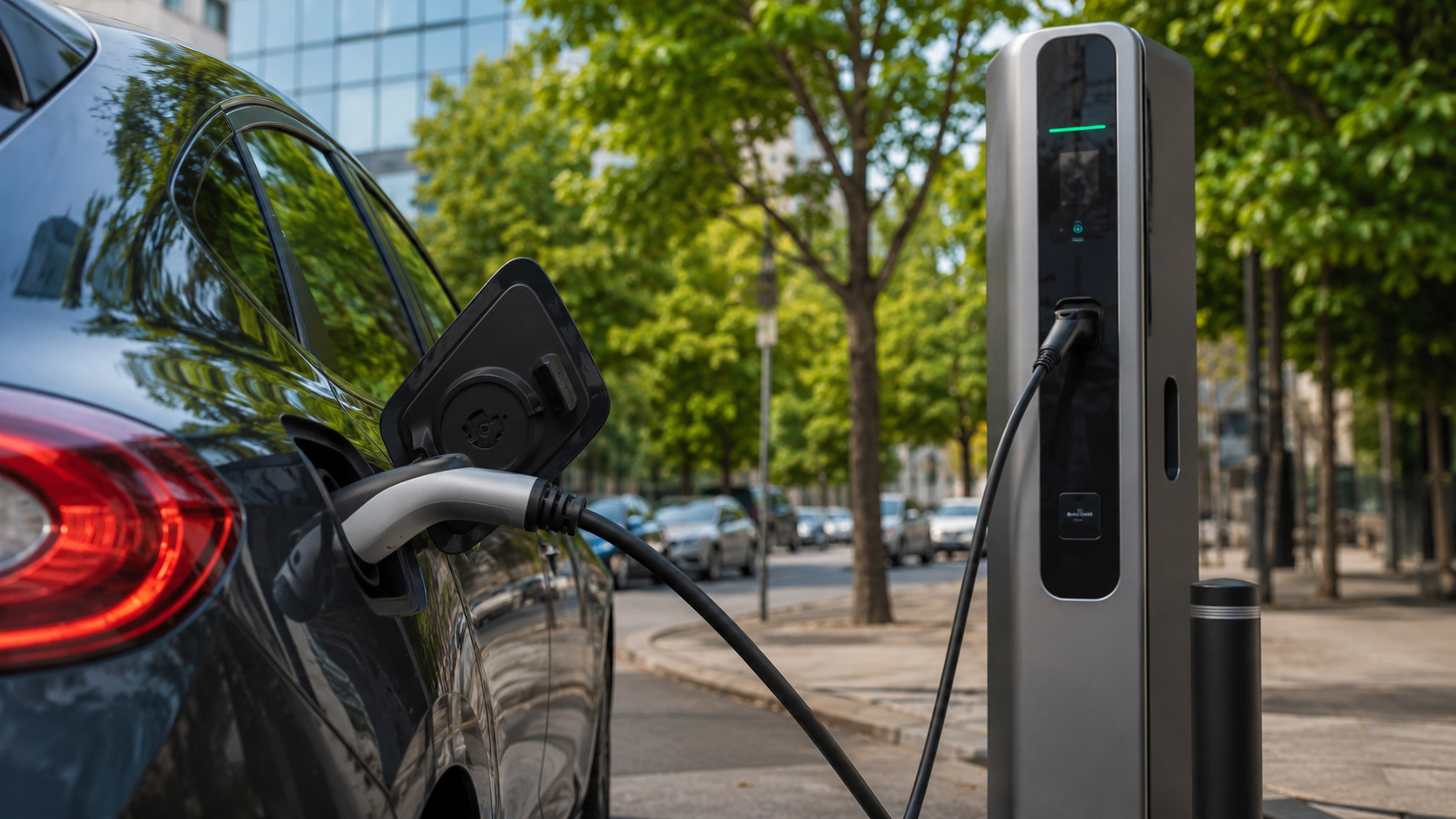
Copper wire thefts at charging stations for electric cars have been reported in Australian cities, with cases in Newcastle, Raymond Terrace, and Central Coast, in the state of New South Wales. The attacks render equipment useless, reduce charging availability, and put pressure on the infrastructure at a time of expansion of the electric fleet in the country. The information was released by Extra.globo.
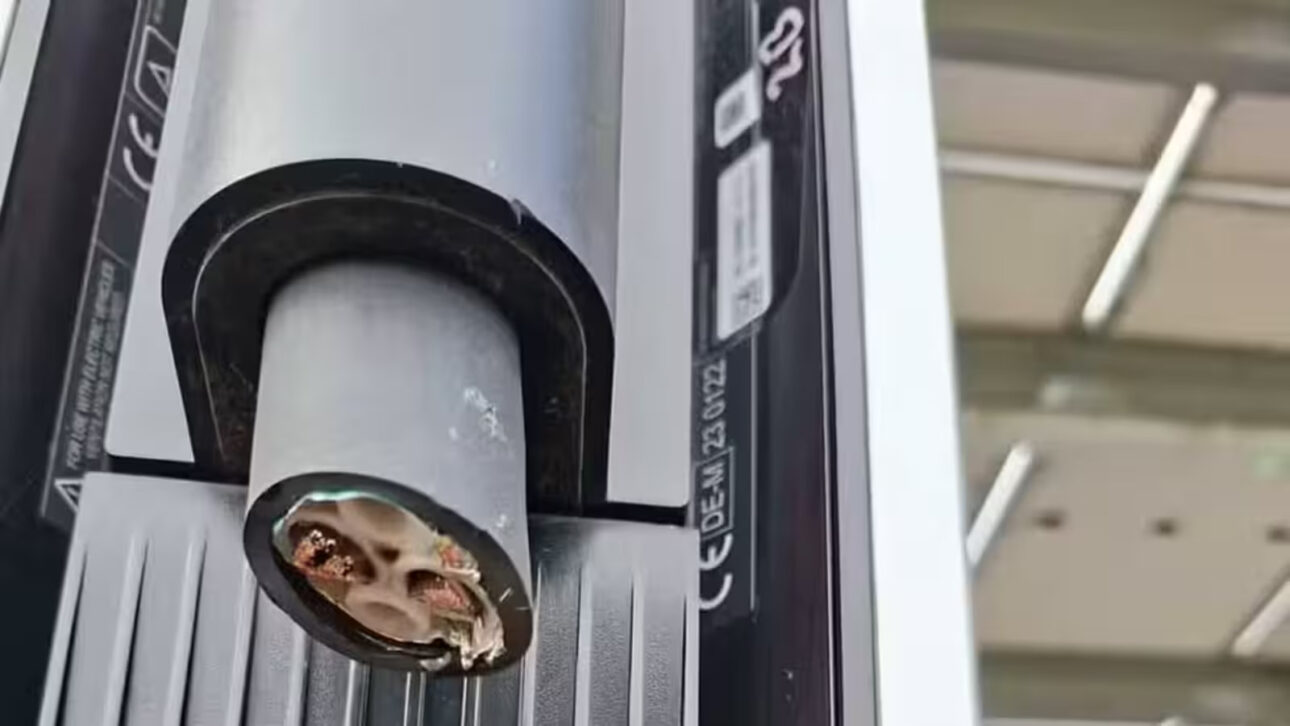
Copper wire thefts target chargers on public roads
The sequence of attacks has affected stations installed in public places and busy routes. According to the Australian site News.au.com, criminals cut and took charging cables at different points in New South Wales.
The problem draws attention because the charging infrastructure is a central part of the adoption of electric cars.
-
Jetour S06 Launches in Brazil as a More Affordable Plug-In Hybrid SUV Than BYD Song Plus and Haval H6, But Tests Highlight Its Shortcomings

-
Electric and Hybrid Cars Set to Transform Brazilian Streets: A New Era Begins
-
Chinese Giant Invests $1.3 Billion in Brazil to Produce 50,000 Cars Annually, Create Jobs, Develop Local Suppliers, and Manufacture Electric, Hybrid, and Combustion Models by 2027

-
Unprecedented achievement in India: a colossal 650-ton, nearly 3,000 hp excavator is transformed into 100% electric, marking a new phase in heavy mining.


For consumers, the decision to buy such a vehicle usually depends on the ability to charge the car safely and regularly.
In Australia, the demand for electric vehicles has grown exponentially in recent years. Therefore, the interruption of charging points has a practical impact on drivers and also on governments seeking to reduce CO² emissions.
Cables are targeted because of the copper used in electrical conduction
Criminals target the cables for the copper inside them. The metal is used because it conducts electricity, has flexibility, and resists heat, important characteristics for delivering energy from the grid to the vehicle’s battery.
Each charging cable contains about 2.3 kilograms of copper. Sold as scrap in Australia, this volume is worth approximately US$ 30, or R$ 157.
Even with a relatively low value per unit, fast stations are more targeted because they use thicker cables.
The black market operates by removing the coating from cables and selling the copper as scrap.
After that, the metal can be passed on to illegal recyclers or fences, taking advantage of the demand for the raw material.
Newcastle and Raymond Terrace had stations compromised
One of the recent cases occurred in Newcastle. Thieves stole the cables from two fast stations managed by the city council.
The municipality reported that the equipment was completely disabled and that new cables needed to be ordered.
The city council stated that the loss of revenue from electric vehicle chargers will put additional pressure on the budget, precisely at a time when the team is conducting an expense review.
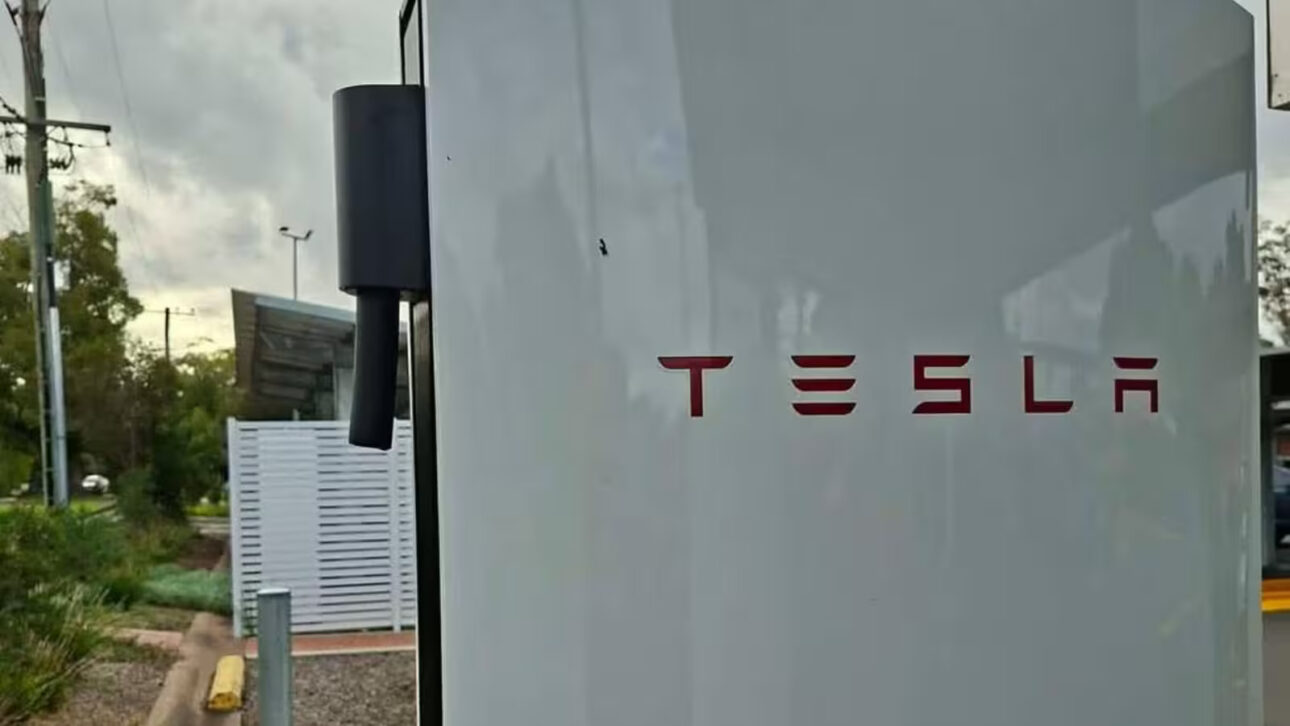
A few days earlier, criminals attacked the Tesla Supercharger station in Raymond Terrace, on a busy route between Sydney and Brisbane.
Half of the cables were cut and taken, halving the service capacity until repairs are completed.
A driver reported on social media that he arrived at the Raymond Terrace Supercharger and found four totems with the cables completely removed.
According to him, the stations were still energized, but there was nothing to connect to the car.
Another similar attack was recorded at a Tesla station in the Central Coast region, also in New South Wales. The case forced drivers to seek other charging points.
Technology with forensic identification is tested against crimes
Evie Networks, Australia’s leading charging operator, has started testing a solution called CableGuard. The technology releases a liquid with forensic identification when the cable is cut.
The substance glows under ultraviolet light and has a code registered in a database accessible to the police. With this, the recovered copper can be traced back to its origin.
Copper theft does not only affect chargers. Last week, an attempted theft at an electrical substation in southeast Queensland caused a fire after criminals tried to cut an energized 11,000-volt cable. About 13,000 homes were left without power.
According to the Australian Institute of Criminology, metal theft causes losses exceeding US$ 100 million per year in the country.
The local press points out that similar cases are also being observed in the United Kingdom and the United States, affecting the expansion of charging infrastructure.
This article was prepared based on information from News.au.com and the Australian Institute of Criminology, with data, numbers, and statements preserved as per the consulted material.