





 Portuguese
  English
  Spanish
  4 min of reading
  0 comments


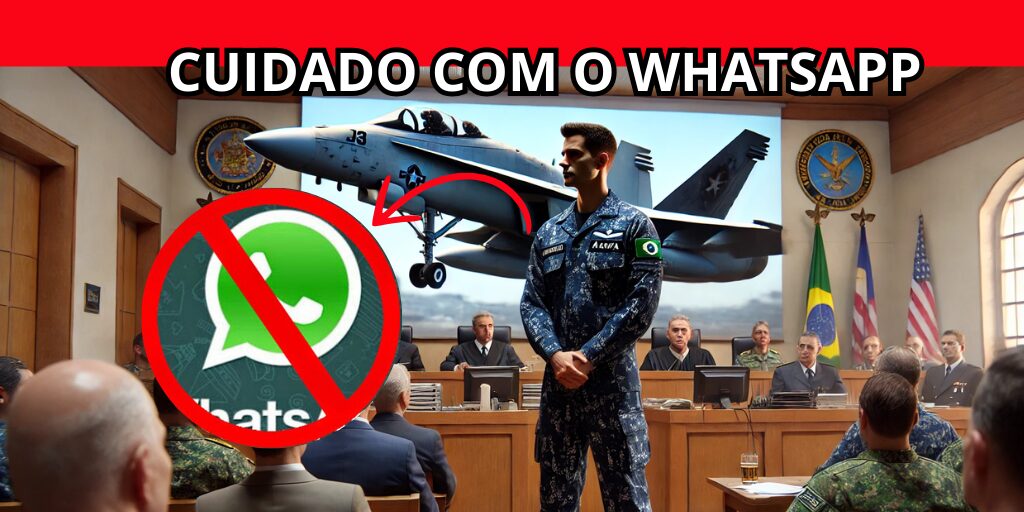
Navy Captain Shares Photo of American Fighter Jet on WhatsApp and Ends Up Punished for “Violation of Secrecy”. The Case, Full of Controversies, Went to Court, Where the Military Seeks to Reverse the Decision.
The Brazilian Navy is at the center of a controversy involving one of its high-ranking officers. Captain Marcos Roberto Cavalcanti Sales was punished after sharing sensitive images of an American F-35C Lightning II fighter jet.
The record was made at the Air and Naval Base of São Pedro da Aldeia, but the disclosure resulted in a series of serious consequences for the military officer, who is now turning to the courts to annul the decision.
In May of this year, an unexpected incident drew attention along the coast of Rio de Janeiro. An F-35C Lightning II fighter jet from the USS George Washington aircraft carrier had to make an emergency landing.
-
The United States government approved a potential sale of 100 portable Stinger anti-aircraft missiles to the Brazilian Army, in a package estimated at around 330 million dollars that still depends on negotiations between the two countries.

-
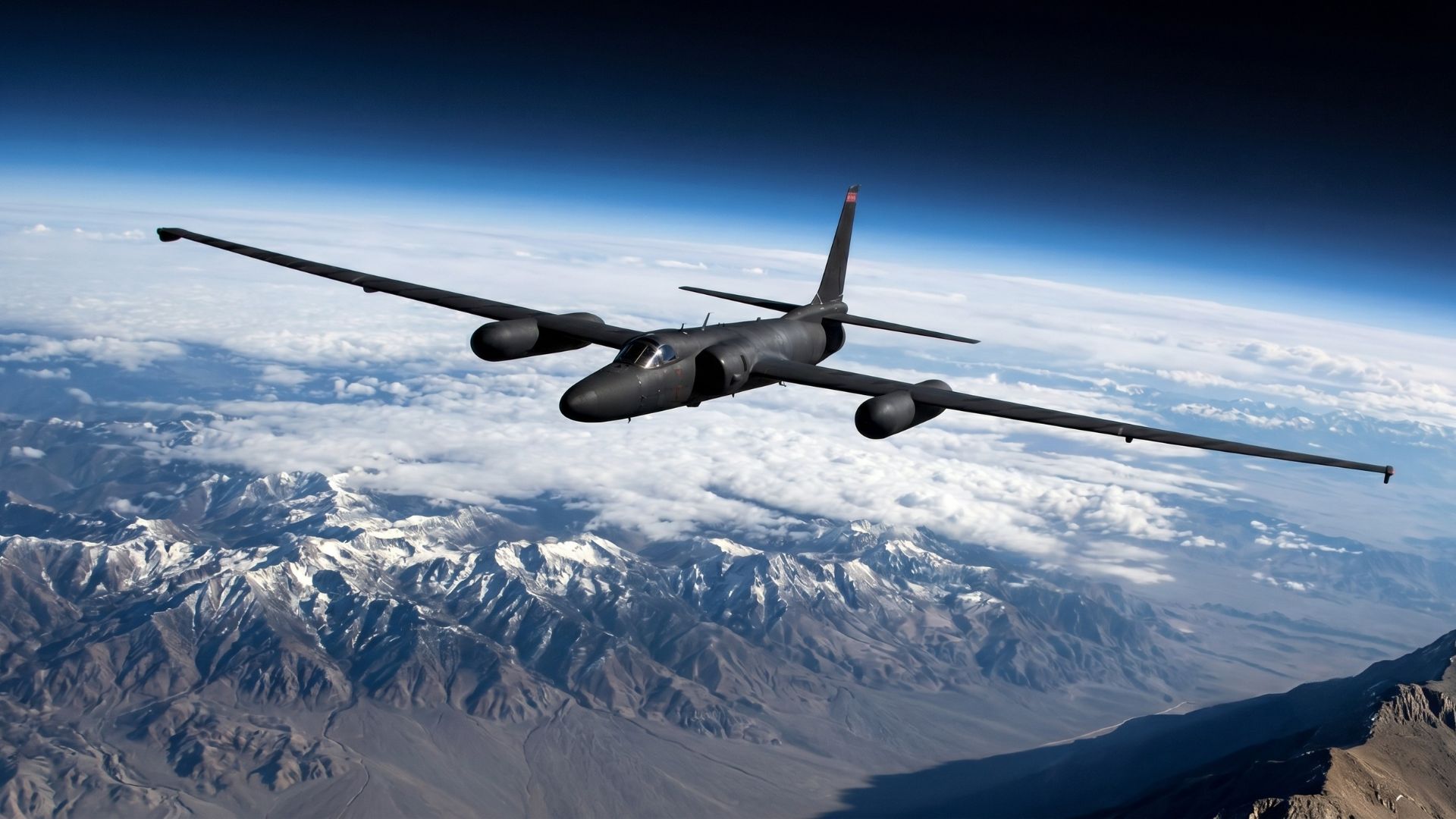
The spy plane that flies on the edge of space and requires the pilot to wear an astronaut suit: U-2 Dragon Lady has been crossing the skies above 21 km altitude since the Cold War and remains one of the most extraordinary reconnaissance aircraft ever built.
-
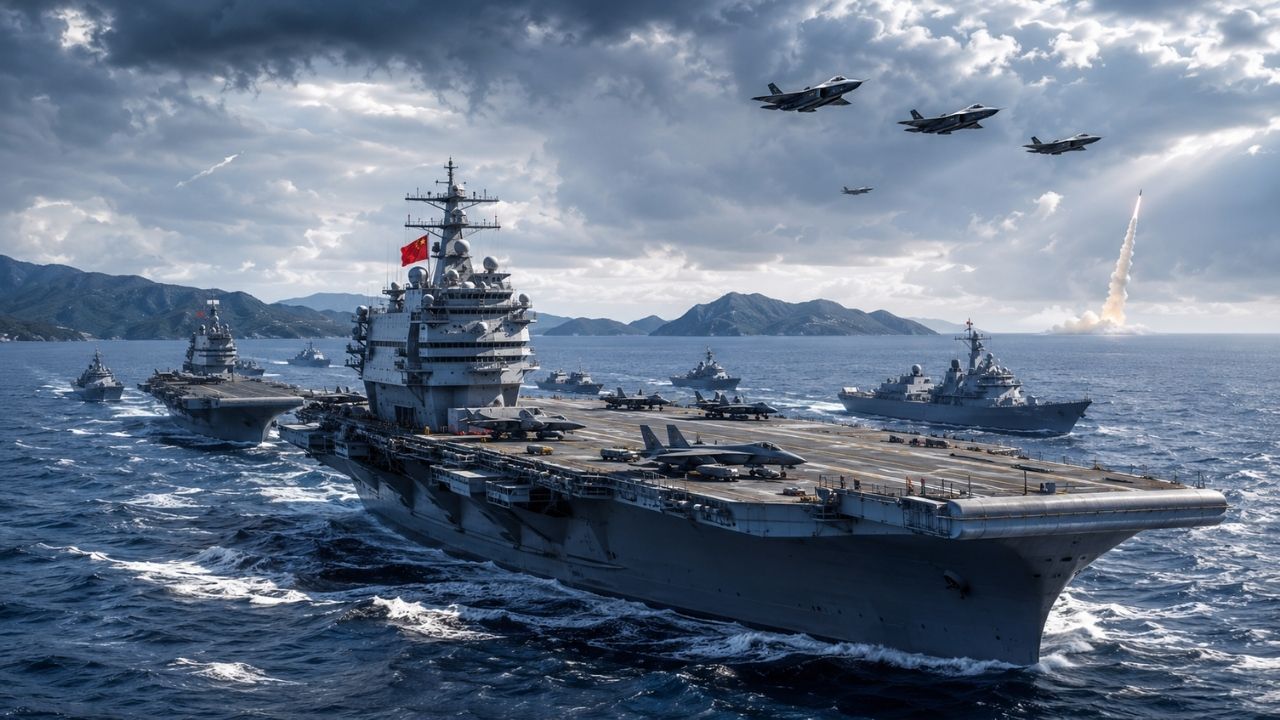
Chinese aircraft carriers on alert amid Japanese military advancement: exercises with 64 anti-ship missiles, F-35 fighters, and new Type-12 missiles highlight the race to protect giant fleets in the Western Pacific.

-
USS Gerald R. Ford, the most expensive aircraft carrier in the world, returned to the USA after almost 11 months at sea with 4,600 military personnel on board, but is entering maintenance to repair a fire, rebuild accommodations, and fix a bathroom system that caused a series of failures.


According to O Globo newspaper, the images of this operation ended up being shared by Sales, who, curiously, was not in the area at the time. According to his lawyers, he was on an official mission in Belém. Nevertheless, the punishment was immediate.
The Navy’s Reaction and the Punishment of the Officer
According to the report from the Navy, the captain was accused of sending the photo without proper authorization in a WhatsApp group, resulting in the loss of “replication control” of the material.
For the institution, the conduct of the officer was against counterintelligence guidelines, which justified a series of administrative sanctions.
Among the punishments imposed on the military officer is the removal from his position as Chief of the Intelligence Department, transfer to another unit, and reduction of his military rating, which dropped from 10 to 7.
The Navy classified the image as “sensitive material,” arguing that uncontrolled dissemination could pose security risks.
Defense of the Captain: Claims of Injustice
The defense of Marcos Roberto Cavalcanti Sales, represented by lawyers Cláudio Lino and Adão Farias, contests the Navy’s decision.
The lawyers argue that the military officer was not given the right to a fair hearing and comprehensive defense during the administrative procedure that led to the punishment. In addition, they question the classification of the image as sensitive.
In their petition, the lawyers emphasize that the images of the fighter jet were already circulating on social media and WhatsApp groups even before the captain shared them.
The U.S. Navy itself would have publicly and overtly disclosed the aircraft. “Furthermore, how could Sales have captured the image if he was in Belém and the plane was in São Pedro da Aldeia?,” the defenders question.
The Context of the Fighter Jet and the Presence of the U.S.
The incident involving the American fighter jet happened within the context of the military exercise “Southern Seas 2024,” conducted by the Naval Forces of the U.S. Southern Command.
The USS George Washington, the aircraft carrier from which the fighter jet departed, is one of the main naval platforms of the U.S., equipped with advanced aircraft such as the Boeing F/A-18F Super Hornet and the F-35C Lightning II itself.
The presence of the F-35C, a fifth-generation stealth aircraft, marked a significant moment, as it was the first time this type of fighter jet flew over Brazilian airspace.
In a statement, the U.S. Embassy in Brazil confirmed that the emergency landing occurred as part of the military exercise preparations.
The Navy’s Position on the Process
When approached for comment on the case, the Navy stated that it does not comment on ongoing judicial processes.
The official note reaffirms the institution’s commitment to legislation and ethical values, ensuring that it will continue to fully cooperate with the Justice throughout the process.
The punishment of Captain Sales raises questions about the handling of sensitive information within the Armed Forces and the limits of disclosure on social media.
This case, besides highlighting the Navy’s counterintelligence practices, opens a debate about the use of social media by military personnel and the consequences of seemingly harmless acts.
The Legal Battle Continues
Now, the captain is seeking to annul the punishment in court, which he claims was imposed in an unjust and disproportionate manner.
The legal battle promises to be long and tense, with implications that could go beyond the specific case and affect the future behavior of other military personnel regarding the use of social media and sharing of information.
In light of this scenario, the question remains: to what extent can sharing information on social media harm a military career? Will Justice side with the captain or the Navy? Share your thoughts in the comments!


Be the first to react!