Portuguese
  Spanish


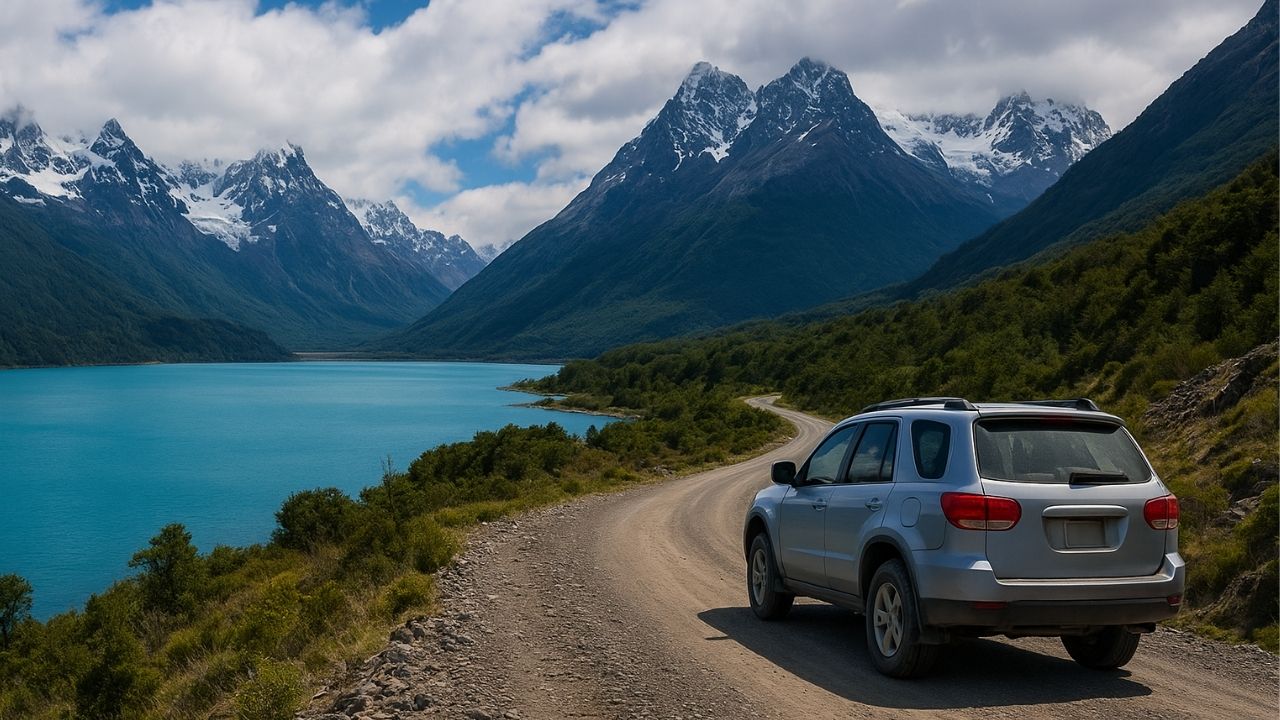


Explore The Carretera Austral, The Legendary Road Of Chile That Cuts Through Patagonia And Reveals Wild, Challenging, And Unforgettable Landscapes.
The Carretera Austral, in the far south of Chile, is one of the most stunning and challenging routes on the planet.
Built by the Chilean Army in the 1970s, the road stretches for 1,240 km, connecting Puerto Montt to Villa O’Higgins, amid mountains, forests, and glaciers.
Considered the “road at the end of the world,” Chile’s Route 7 attracts adventurers seeking authentic contact with nature and a journey where the destination matters less than the path.
-
15-Year-Old Entrepreneur Malu Lira Publishes 20 Children’s Books on Financial Education, Earns $500,000, and Expands Her Project to the Amazon Rainforest

-
Entrepreneur Turns Rio Cemetery Canteen into a Successful Snack Chain Generating $4.9 Million Annually and Expanding to Metro Stations

-
Rare fox feared “extinct” found alive on Caribbean island after over two decades without official sightings

-
21-Year-Old Brazilian Student Turns Homemade Popsicle Hobby into $100,000-a-Month Business




The Power of Nature on The Carretera Austral
Raised amidst the Patagonian jungle, the Carretera Austral required decades of hard work, blasting through granite rocks and building bridges over raging rivers. Many sections still remain unpaved, making the journey a true test of endurance.
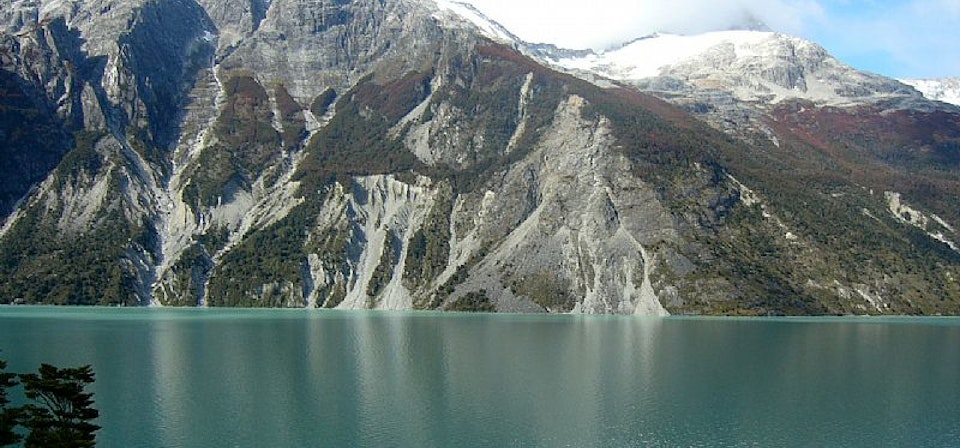
But the effort is widely rewarded. The road crosses larch forests, skirts immense fjords, and surrounds turquoise lakes fed by glaciers. It’s a scene that turns every curve into a spectacle.
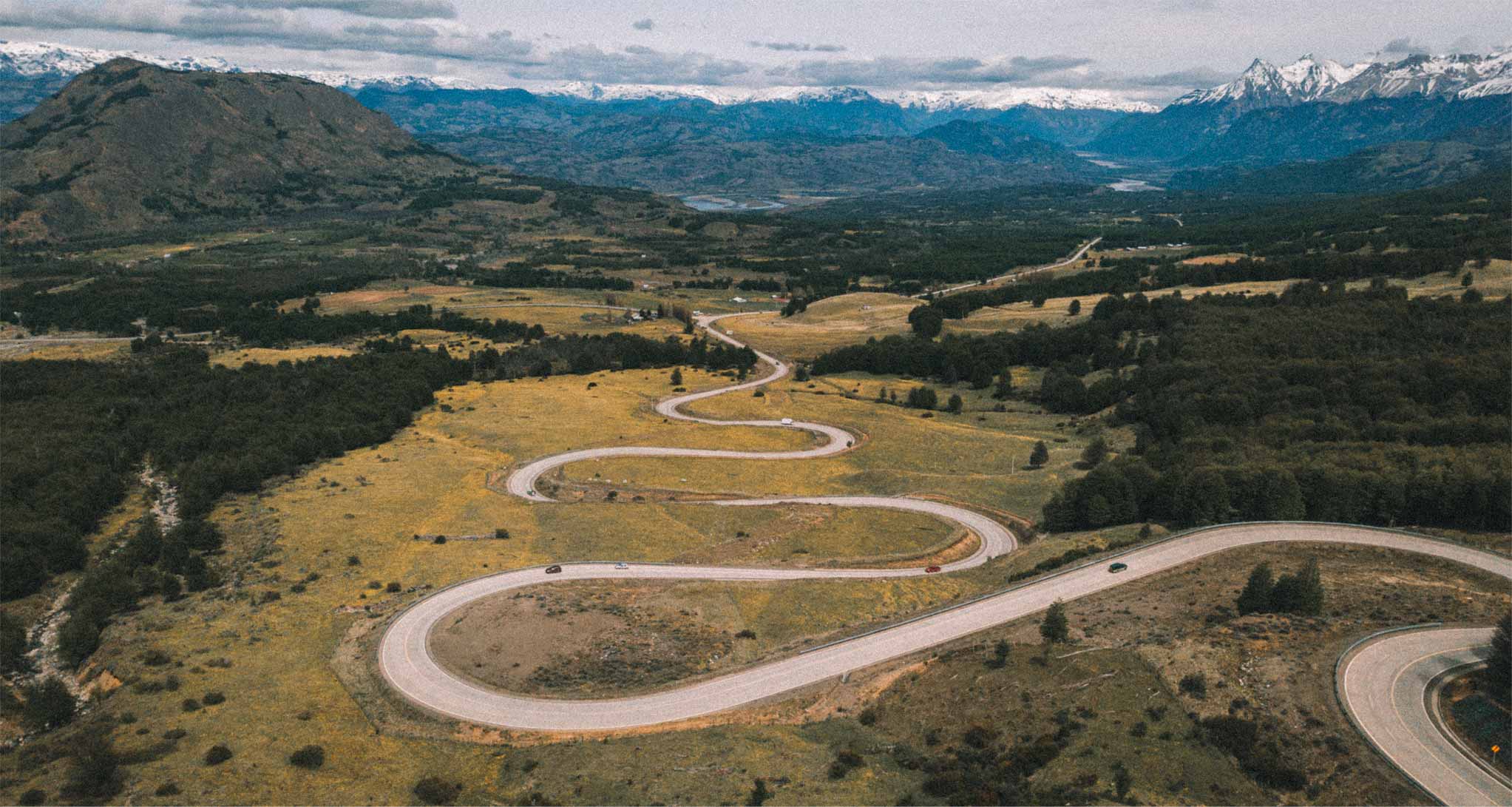
Between Challenges, Solitude, And Surreal Landscapes
Traveling on the Carretera Austral is facing the unpredictable. The steep gravel climbs, unstable weather, and long distances between villages are part of the experience.
At one stop, truck drivers warned: “only 4×4 pickups can handle the route to Bahía Murta.” They were right. The curves require constant attention, and time seems to move at a different pace.
The path passes through Puyuhuapi, with its hot springs, and Coyhaique, the last big city before the vastness.
From there to Bahía Murta, the isolation is nearly absolute — only the sound of the wind and rivers breaks the silence.
The Marble Caves And The Climate Impact
In the middle of the route, along the shores of Lake General Carrera, is one of the most fascinating spots in Chile: the Marble Caves.
Formed up to 15,000 years ago, these natural sculptures emerge in bluish tones due to erosion caused by water over the centuries.
“My grandfather, Don Cirilo Herrera Aguilera, came here in 1948 when he was only eight years old,” said local guide Valeria Leiva. “Due to global warming, the glaciers are receding and there is less snow — and this is how the caves began to reveal themselves around 40 years ago.”
Today, the phenomenon is a poetic and alarming reminder of the relationship between natural beauty and climate change.
️ Itinerary And Tips For Travelers
The Carretera Austral offers stunning landscapes and welcoming communities along the way. Must-visit stops include Chaitén, Villa Santa Lucía, Coyhaique, and Cochrane, the last major city before Villa O’Higgins.
It’s also worth including strategic detours:
Marble Caves (half a day visit);
Queulat National Park and its hanging glacier (two hours detour);
Termas de Puyuhuapi, a natural refuge of hot springs.
The best time to travel is from December to March, with more stable weather. However, the journey should be taken without hurry — part of the charm is precisely getting lost in time.
❄️ Villa O’Higgins: The End Of The Road
The final stretch, between Cochrane and Villa O’Higgins, is the most challenging of the Carretera Austral. There are cliffs, narrow curves, and stunning views of the Southern Patagonian Ice Field, the third largest in the world.
With fewer than 500 residents, Villa O’Higgins is the last outpost of Chilean civilization. From there, boats depart for glaciers and trails that cut through the eternal ice.
“Villa O’Higgins is where the road ends — not because the engineers gave up, but because the Earth is too wild to be tamed.”
Reaching the end of the Carretera Austral is more than just completing a journey: it’s understanding the power of nature and rediscovering the silence that modernity has erased.