






 Portuguese
  Spanish
  3 min of reading
  0 comments


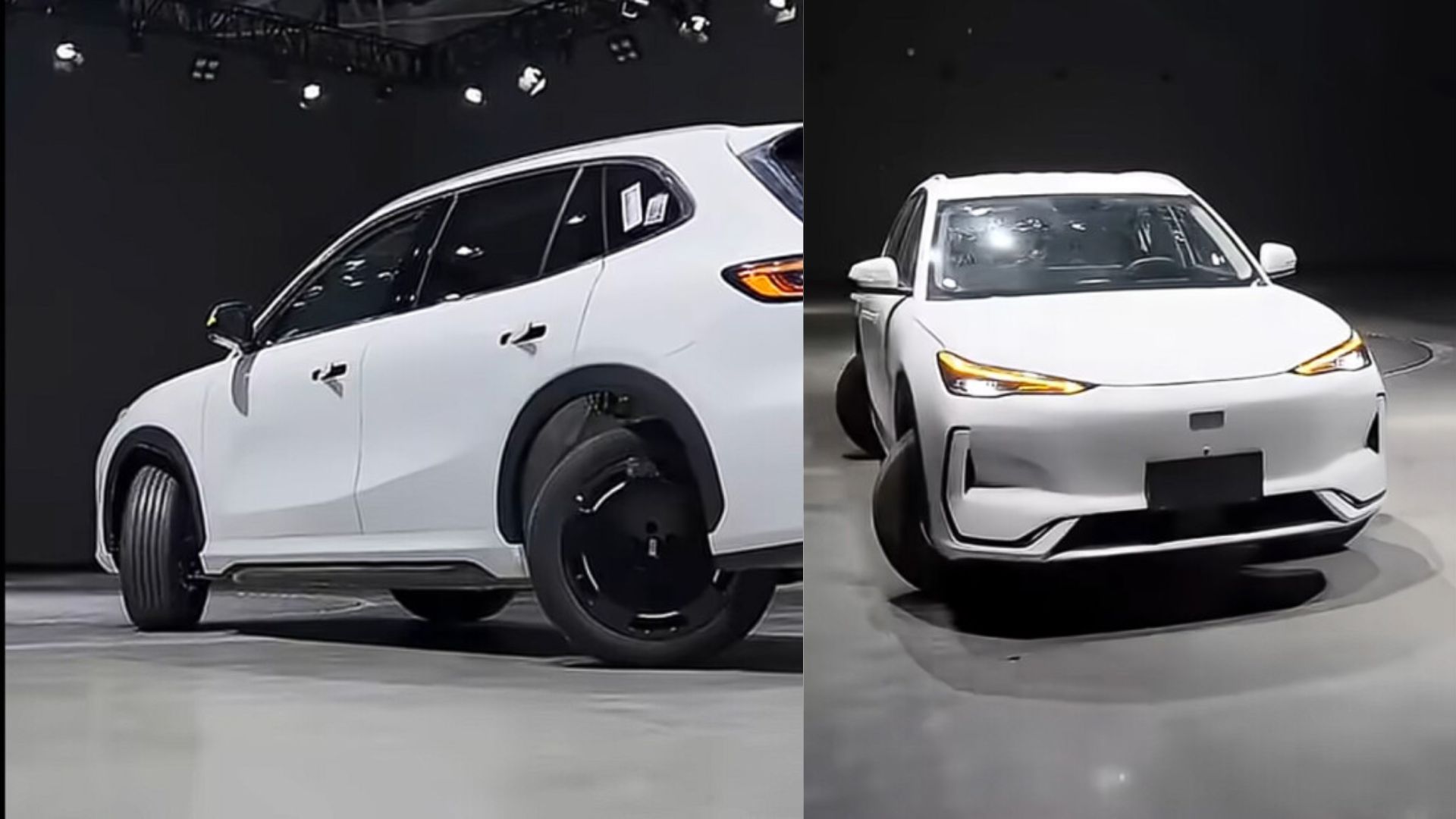
New Technology Allows Electric SUV to Move Laterally, Facilitate Extreme Maneuvers and Anticipate Solutions That Are Already Starting to Appear in the Brazilian Automotive Market
The Chinese automotive market has once again drawn attention by presenting a technology that until recently seemed restricted to conceptual vehicles or industrial applications. A prototype of the Geely EX5, an electric SUV that is already being sold in Brazil, was showcased with a system capable of allowing it to move laterally, a feature that has come to be known as “Crab Walk”. The innovation significantly expands the vehicle’s maneuverability and points to a new phase of automotive engineering applied to passenger cars.
The information was released by CNN Brasil, based on an official video shared by Geely itself, in which the model appears executing lateral movements with extreme precision. The technological solution, although still in the prototype stage, demonstrates how the Chinese industry has accelerated the development of advanced automotive architectures, especially in the electric vehicle segment.
How “Crab Walk” Works in the Geely EX5


Unlike traditional steering systems, the prototype of the Geely EX5 presented uses four driving units integrated directly in the wheels. This arrangement allows each wheel to operate independently, both in rotation and direction, which is rare in conventional vehicles.
-
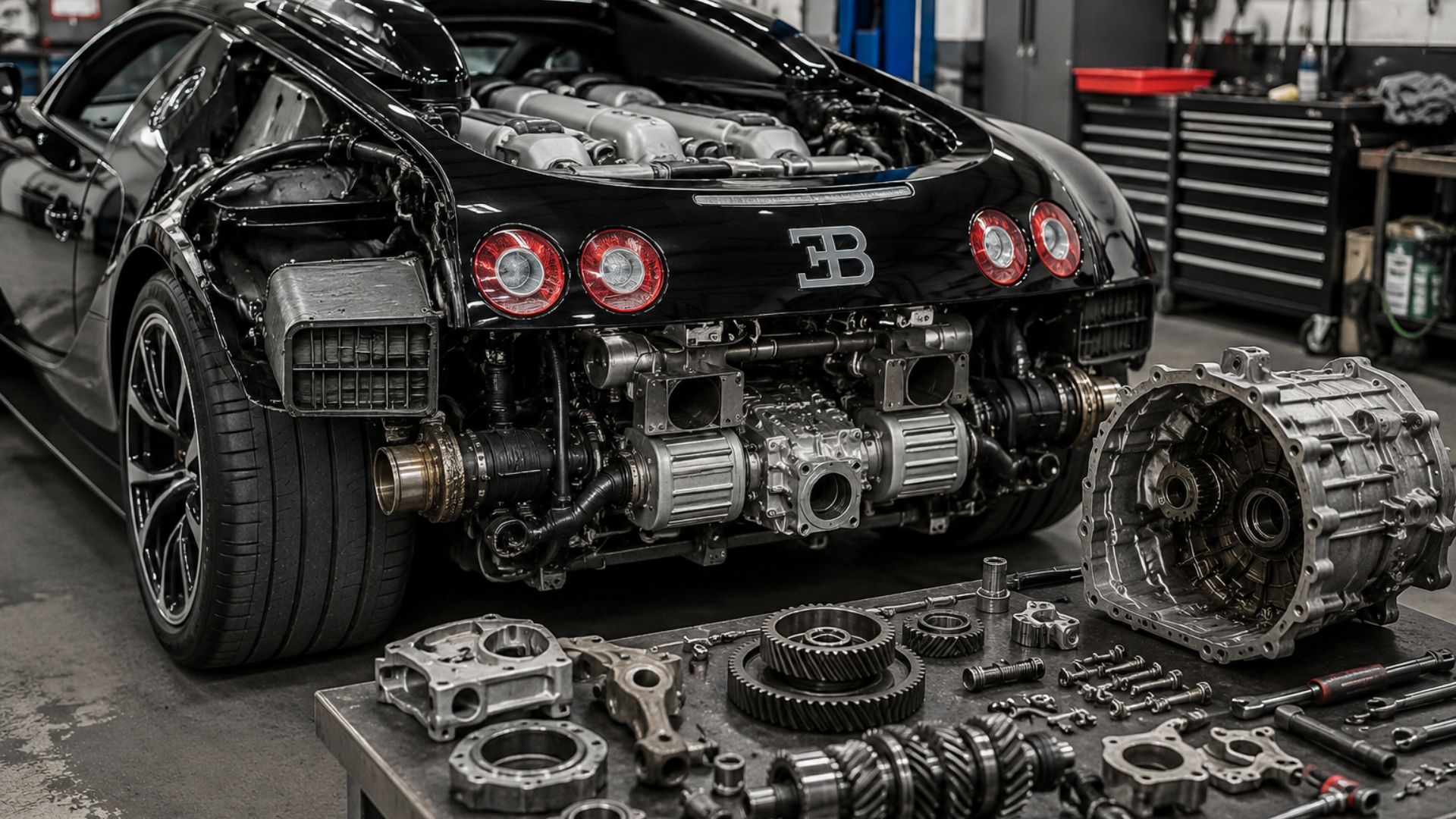
The YouTuber Mark McCann bought a Bugatti Veyron for almost $1.2 million, but discovered that the supercar’s gearbox is so damaged that even Bugatti itself won’t accept to repair it, and the repair could cost a fortune.

-
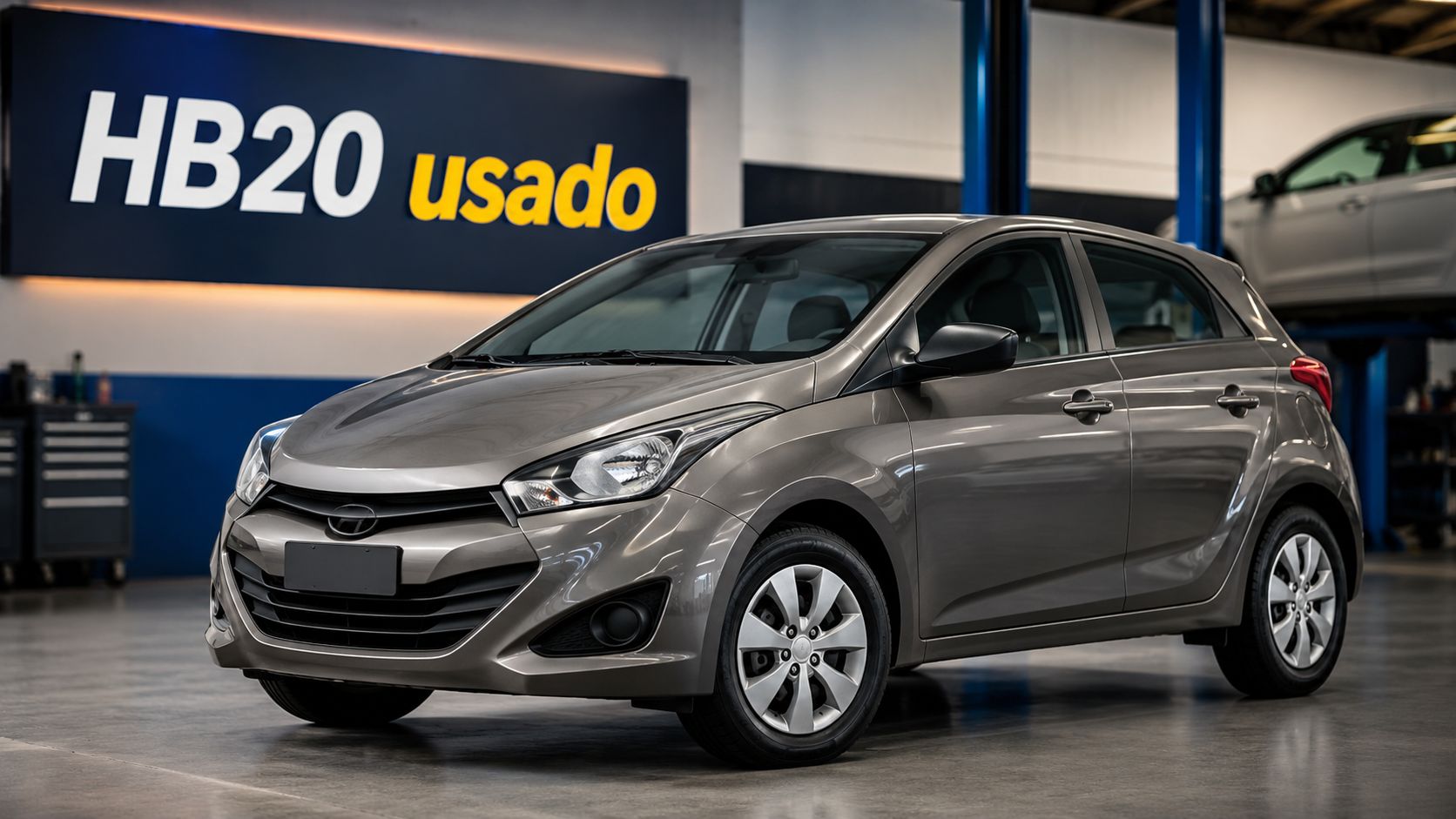
Thinking about buying a used HB20? See why the 2015 model is still a crowd favorite, with cheap parts, easy-to-fix mechanics, a strong engine, and quick sales.

-
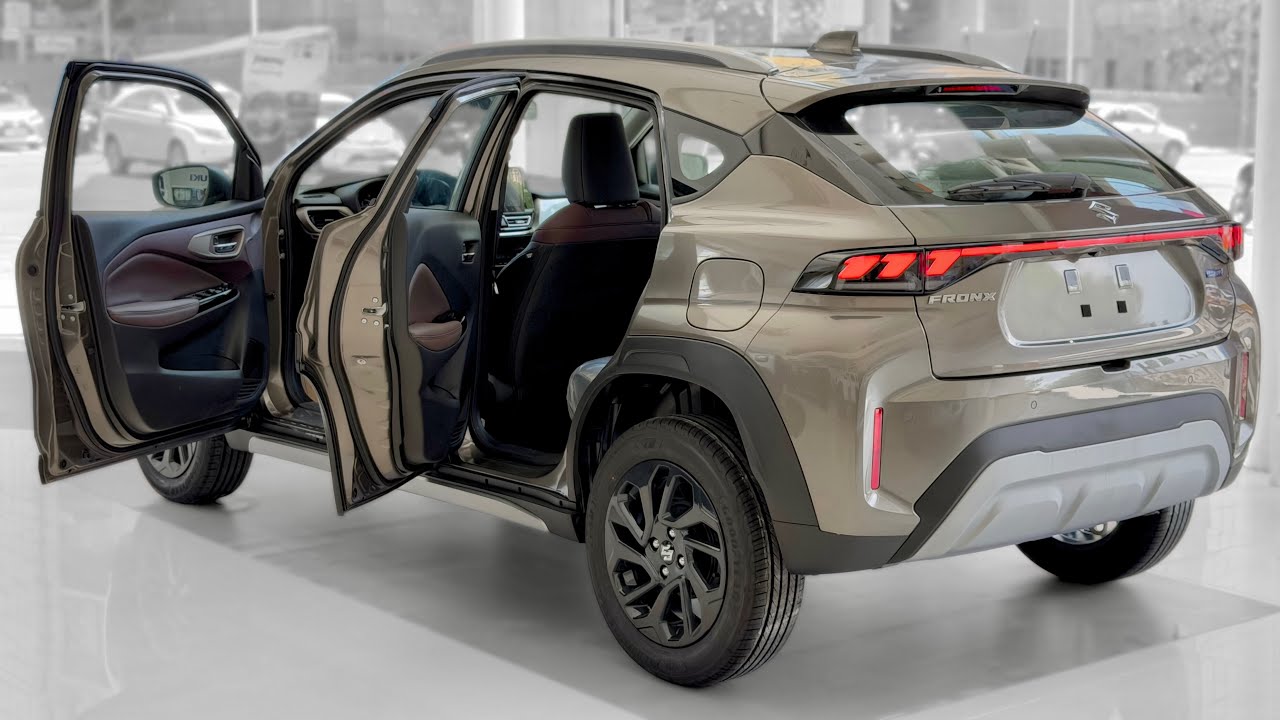
Suzuki Fronx emerges as the “compact coupe SUV” that Brazil doesn’t have: priced around R$ 37,000 in a tax-free conversion, the model has a hybrid version, 1.0 turbo engine, bold design, and the price of a popular car in India.

-
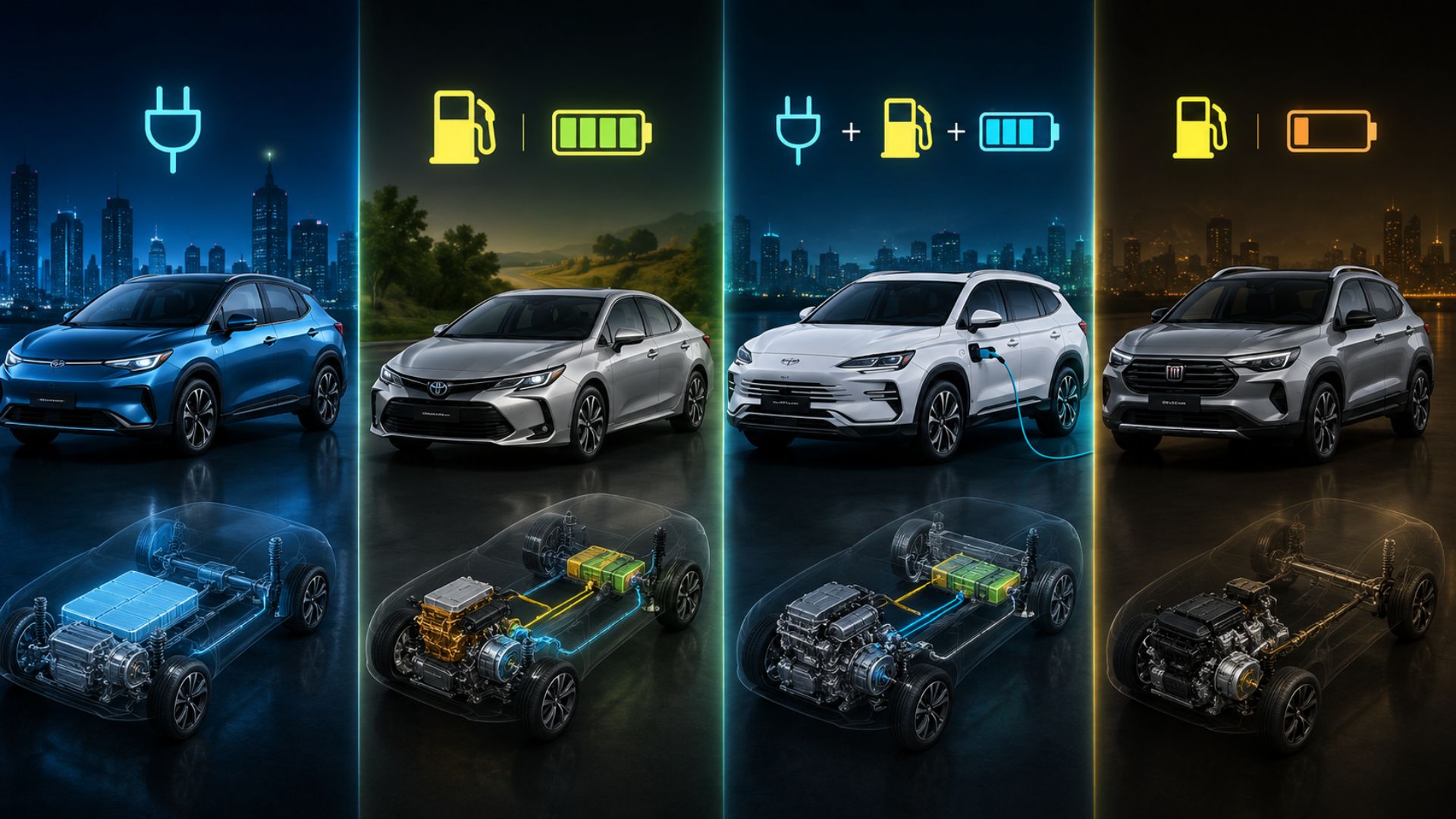
Not every car with a battery is truly electric; some hybrids never run solely on electric power, and since 2025, ABVE stopped counting mild hybrids as electrified, and these differences change everything when buying.
Moreover, the developed architecture allows for a steering angle of up to 90 degrees in all four wheels, enabling lateral movement of the vehicle without the need for traditional turns. As a result, the electric SUV can enter and exit extremely tight parking spaces, as well as perform complex maneuvers in urban environments with much greater ease.
While the front and rear axle wheels usually work together in current cars, in this system they can turn and steer in completely independent directions, increasing control and versatility of the vehicle in critical parking or driving situations.
Technology Not Yet Available in Brazil, But Has Future Potential
Although the Geely EX5 is already being marketed in Brazil, the version available in the national market does not feature the “Crab Walk” system. The technology is currently restricted to the prototype presented in the Chinese market, where the manufacturer typically tests innovations before deciding on mass production.
Nonetheless, the mere fact that the feature is already functional indicates that similar solutions may make their way into production models in the coming years. This reinforces a clear trend: Chinese manufacturers have been heavily investing in technological differentials to stand out globally, especially in electric vehicles and advanced modular platforms.
Consequently, features that currently seem experimental may, in the medium term, become common in markets like Brazil, particularly in large urban centers, where parking difficulties are a recurring problem.
Geely EX5: Performance, Range, and Technology of the Electric SUV
Regardless of the experimental lateral steering system, the Geely EX5 already stands out for its technical numbers. The electric SUV is built on the GEA platform and offers 413 km of range, according to the Inmetro cycle, positioning itself competitively among the electric vehicles available in Brazil.
The Pro version, which is the most affordable in the lineup, has a starting price of R$ 205,800. In terms of performance, the model delivers 218 hp and accelerates from 0 to 100 km/h in 6.9 seconds, figures that reinforce its proposal of efficiency coupled with good performance.
Inside, the technology package is also noteworthy. The Geely EX5 features a 15.4-inch multimedia hub, as well as a 13.8-inch head-up display, providing the driver with information projected directly in their line of sight, elevating the level of comfort and safety while driving.






-

-

5 people reacted to this.