






 Portuguese
  Spanish
  3 min of reading
  5 comments


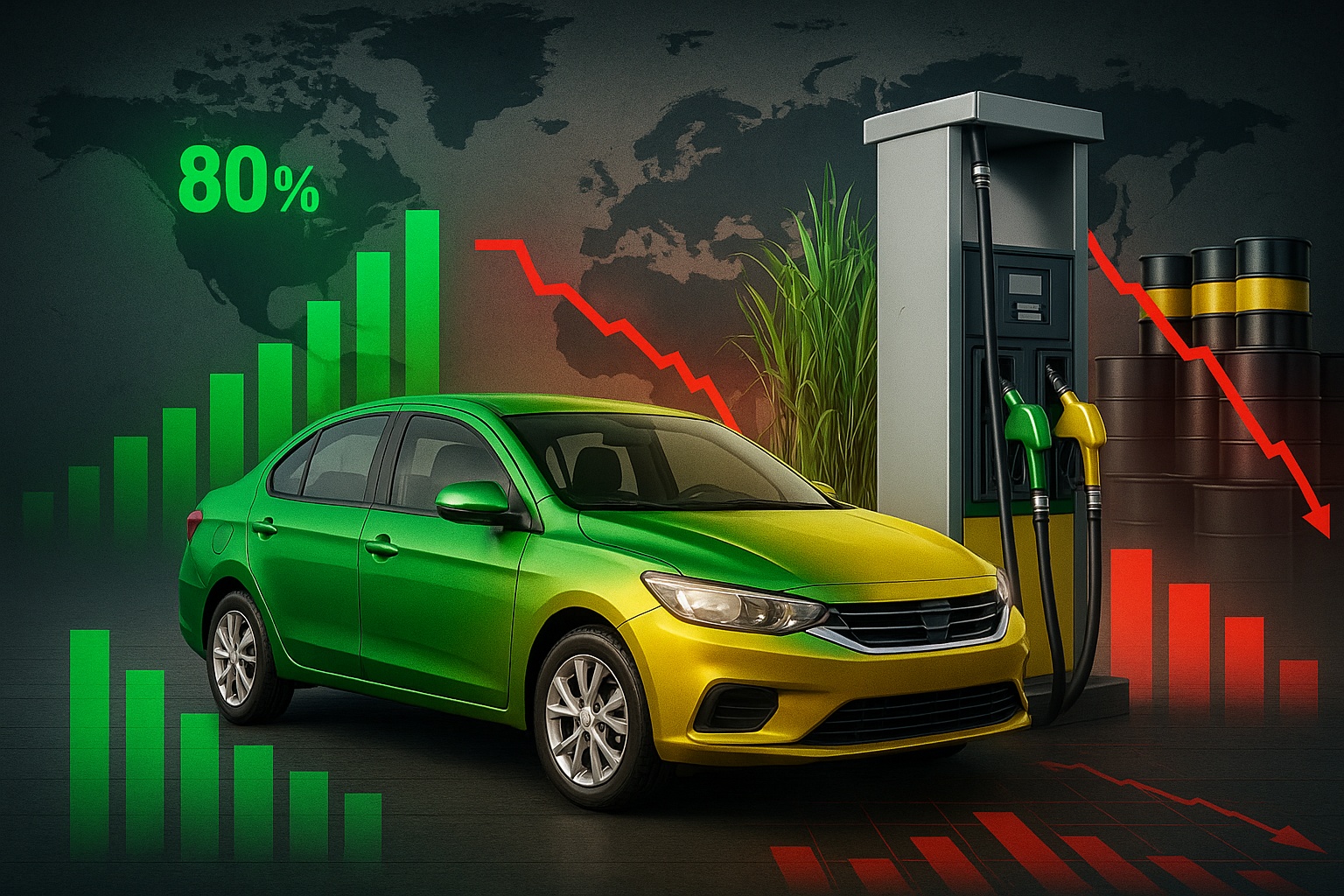


Flex Fuel: Brazilian Invention That Dominates More Than 80% Of The National Fleet, Challenged Oil And Became A Reference In Biofuels Worldwide.
The history of the Brazilian flex fuel car began in the 1970s when the world faced oil shocks and Brazil sought energy alternatives. It was in this context that the National Alcohol Program (Proálcool) was born, encouraging the use of ethanol as an alternative fuel to gasoline.
At the time, cars powered solely by alcohol emerged, but the instability of ethanol prices and the difficulty of refueling drove consumers away. The definitive solution only came decades later, with the creation of the flex fuel system, capable of running on both ethanol and gasoline—or any mixture of the two.
The Gol Total Flex And The Turnaround Of The Automotive Market
In 2003, Volkswagen launched the Gol 1.6 Total Flex, the first mass-produced Brazilian automobile with the technology.
-
New Honda HooRide 125 scooter debuts in China with ADV styling, 17-inch wheels, TFT panel, Smart Key, and fuel consumption of up to 47.17 km/l, aiming to resemble an urban X-ADV with a 125 engine, CVT transmission, and an economical proposal for cities.

-
Volkswagen focuses on ethanol and tests a Saveiro 100% alcohol-powered with a recalibrated engine; the project may ensure tax reduction, targets corporate fleets, and revives technology that lost ground since the arrival of flex-fuel vehicles in 2003.

-
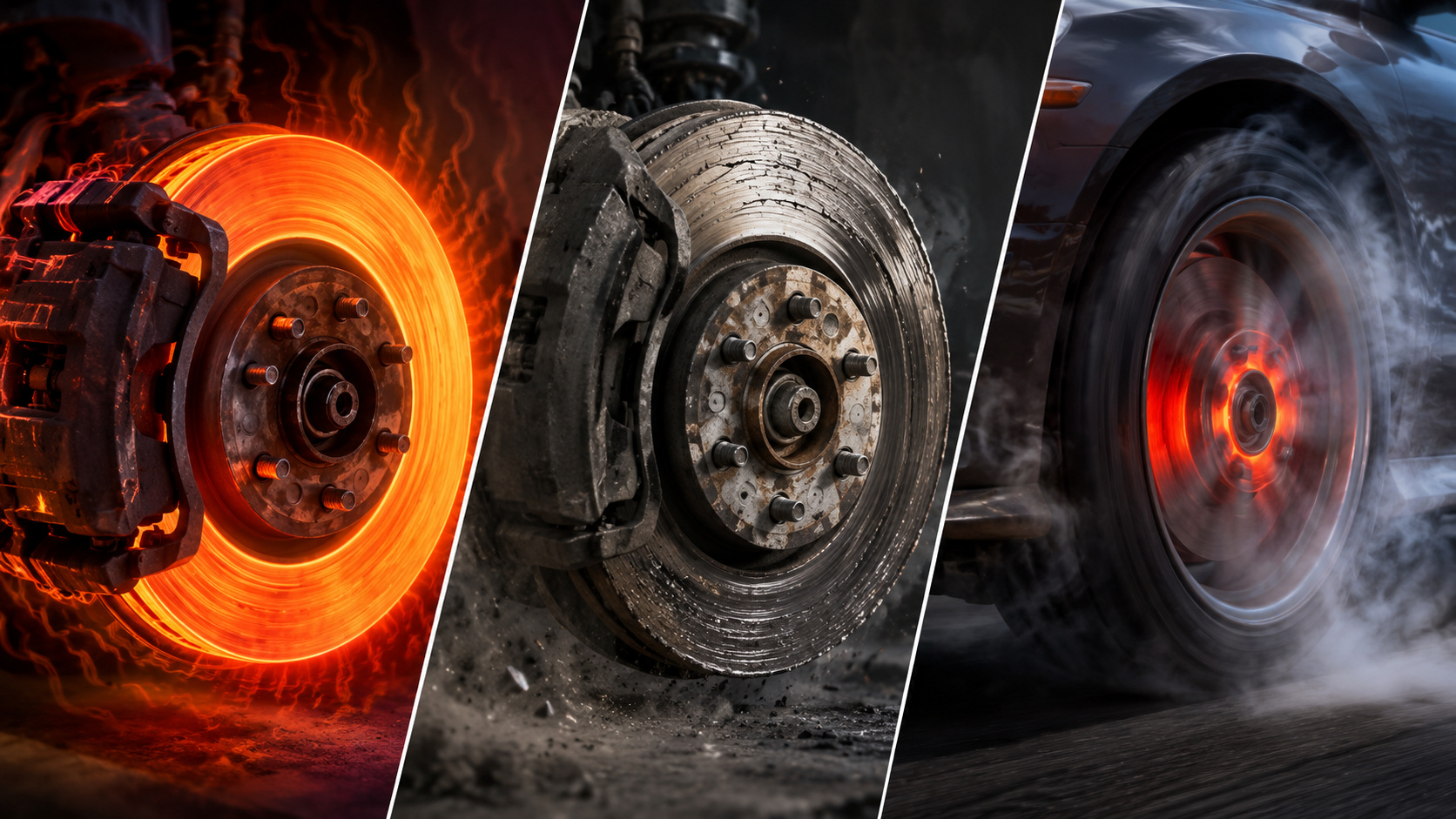
Keeping your foot lightly on the brake pedal while driving may seem harmless, but mechanics warn: this habit generates constant heat, wears out the pads too quickly, and can warp the discs, making braking expensive and dangerous.

-
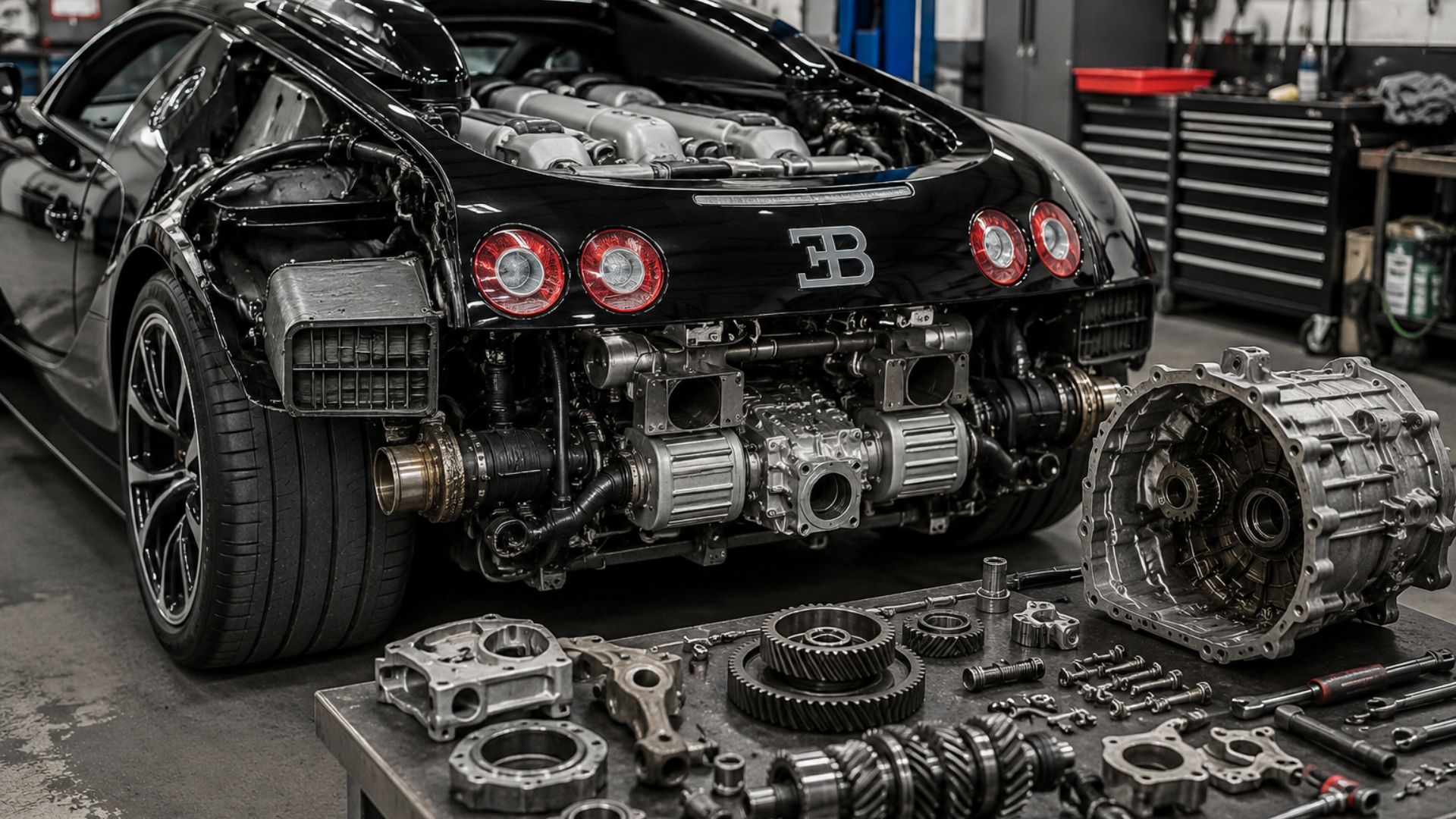
The YouTuber Mark McCann bought a Bugatti Veyron for almost $1.2 million, but discovered that the supercar’s gearbox is so damaged that even Bugatti itself won’t accept to repair it, and the repair could cost a fortune.


The success was immediate: in a short time, all major automakers adopted the model in their production lines.
The advantage was clear: the driver could choose the cheapest fuel at the moment, balancing costs and maintaining mobility.
The flex fuel car became a shield against oil volatility and fluctuations in ethanol prices.
Flex Technology And The Impact On The Brazilian Fleet
Today, the flex fuel car represents over 80% of the national light fleet, becoming practically a Brazilian standard.
This dominance has transformed the country into a global reference in biofuels, placing sugarcane ethanol as a key player in the transportation sector.


Besides its flexibility, the technology has helped reduce external dependence on gasoline, brought environmental gains with lower CO₂ emissions, and boosted the entire sugarcane production chain, involving millions of workers and billions in exports.
Flex Cars Outside Brazil: Why It Didn’t Succeed
Despite its success in Brazil, flex fuel technology never consolidated in the international market. Some countries tested flex vehicles, such as the United States, Sweden, and Canada, but the model did not gain scale.
In the U.S., for example, flex cars managed to represent part of the fleet, but the low availability of stations with E85 (a mixture of 85% ethanol and gasoline) discouraged drivers.
In Europe, on the other hand, the high cost of ethanol compared to gasoline made the technology unfeasible.
In summary, economic and logistical factors prevented the flex car from becoming a global solution.
Advantages And Challenges Of Brazilian Ethanol As A Fuel
The success of the flex car in Brazil is directly linked to the abundance and competitiveness of sugarcane ethanol.
Unlike corn used in the U.S., sugarcane has high productivity, reduces costs, and makes the fuel more attractive for consumers.
On the other hand, the fluctuation of ethanol prices between harvest and off-harvest seasons, along with competition from subsidized gasoline at certain times, poses challenges to maintaining constant competitiveness.
Even so, flexibility continues to be seen as a unique asset for the Brazilian market.
The Future Of Flex Cars In The Era Of Electrification
With the rise of electric vehicles, the question arises: what will be the role of the flex car in Brazil? Experts argue that the technology will still have space for many years, especially in emerging markets where charging infrastructure is limited.
Additionally, the combination of hybrid engines with ethanol emerges as a promising alternative: vehicles that unite electrification and biofuel can be a transitional solution to reduce emissions without giving up existing logistics.
A Symbol Of National Innovation
The flex car is one of the greatest innovations of the Brazilian automotive industry. Created in response to energy vulnerability, it has become an absolute standard in the country and established Brazil as a leader in biofuels.
Even though it has failed to gain global scale, flex has become a symbol of national ingenuity, showing how Brazil can create solutions adapted to its energy reality.
More than just a technology, it is a reflection of the country’s ability to transform crises into innovation.




Pelo menos no meu caso não vejo vantagem em abastecer no etanol com a diferença de preço e a autonomia hoje a conta não fecha.
Faltou mencionar o louvável trabalho desenvolvido pelo Eng° Luc Henry De Ferran da Ford Brasil no desenvolvimento dos motores à álcool. Foi ganhador do premiação conferida pelo ITA por esta tecnologia pioneira.
qual o nome do inventor ?