Portuguese
  Spanish




Renault Prepares Update for Kwid Combustion with Electric Visual, but Equipment Cuts Indicate Focus on Affordable Pricing. Model is Already in Testing in India and is Expected to Arrive with Renewed Design, but Simplified Content.
Cheapest car in Brazil will have the look of its more expensive sibling, but without modern air conditioning and a 7-inch digital panel; see what is known about the new Kwid.
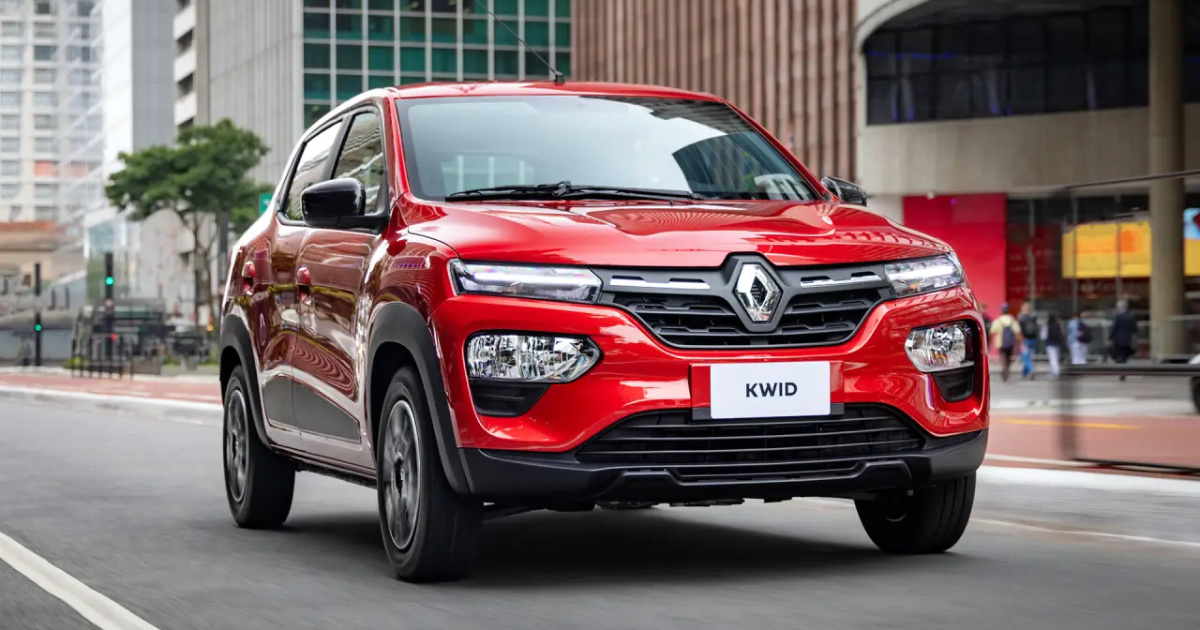
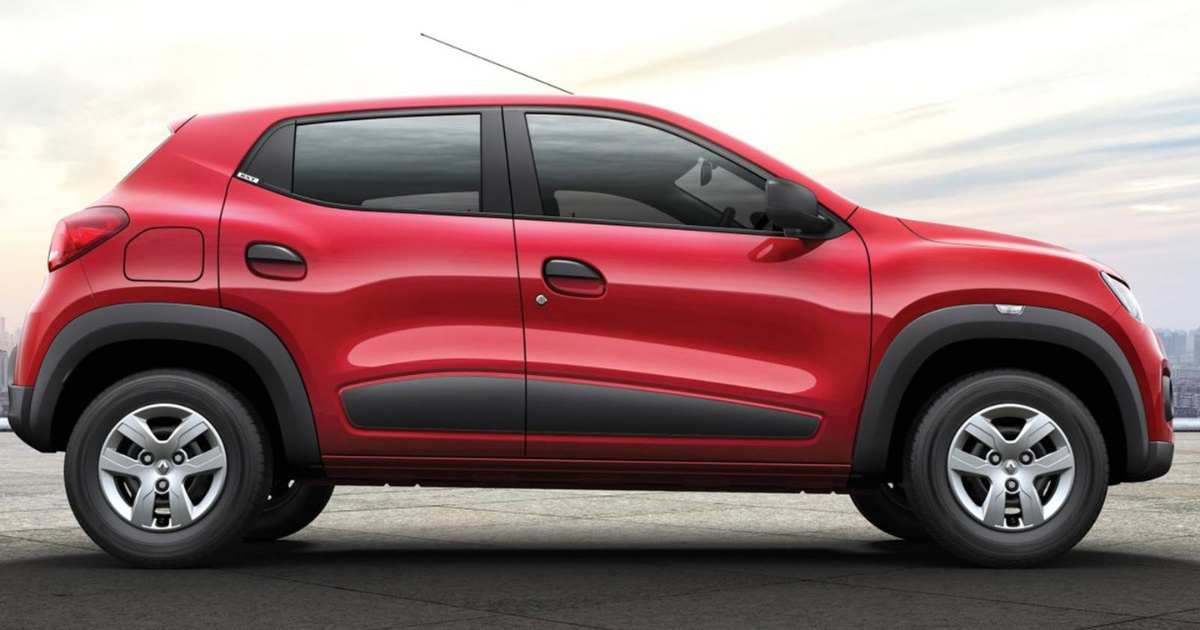
The Renault Kwid Combustion will undergo updates and is expected to adopt the design inspired by the Kwid E-Tech 2026, but without replicating the entire equipment package of the electric version.
The confirmation that the model will follow its own schedule was made by Ariel Montenegro, president of Renault do Brasil, during the presentation of the E-Tech.
-
End of an era in Brazil: beloved sedan by Brazilians is discontinued despite having a 2.0 engine with 151 hp, CVT transmission, 466-liter trunk, and up to 650 km of range.

-
New Law Proposal in Brazil Could Heavily Penalize Drivers: Dangerous Overtaking May Become a Serious Offense with Fines Increased Tenfold and a 12-Month License Suspension; Update on 2026 Progress

-
Electric Revolution: Watts W125 Motorcycle Offers 160 km Range, 90 km/h Speed, and Affordable Price Starting at $3,000
-
General Motors Replaces Over a Thousand Workers with 50 Cobots at Electric Vehicle Plant, UAW Union Criticizes Move Amid Industry’s Automation Push



There is still no official detail on which items will be preserved or removed.
Line will Keep the Kwid Combustion
When asked about the future of the gasoline/ethanol subcompact, Montenegro indicated that the Kwid Combustion will remain in line and will receive updates soon, separate from the E-Tech planning.
According to the executive, the thermal version will not be “exactly the same” as the electric; the statement was made without specifying whether the difference pertains to the design or the list of equipment.
Restyling with Focus on E-Tech Design
Images from tests in India show a heavily camouflaged prototype, but already with a visual signature similar to that of the E-Tech, including headlight and taillight shapes, as well as a redesigned grille.
At the rear, the lights feature a new LED arrangement and a gloss black strip that connects the ends, a solution that brings the piece closer to the electric’s style.
As reported, all body parts are said to have been revised, except for the roof.
Electric Interior Serves as Reference, but Not Everything Migrates
Inside, the Kwid E-Tech marked significant evolution.
The panel has been redesigned, the 100% digital 7-inch instrument cluster now equips the electric version, and the 10-inch multimedia center gained wireless mirroring for Android Auto and Apple CarPlay.
The steering wheel is new, with a design close to that of the Kardian, and the height-adjustable steering column improves ergonomics for drivers of different heights.
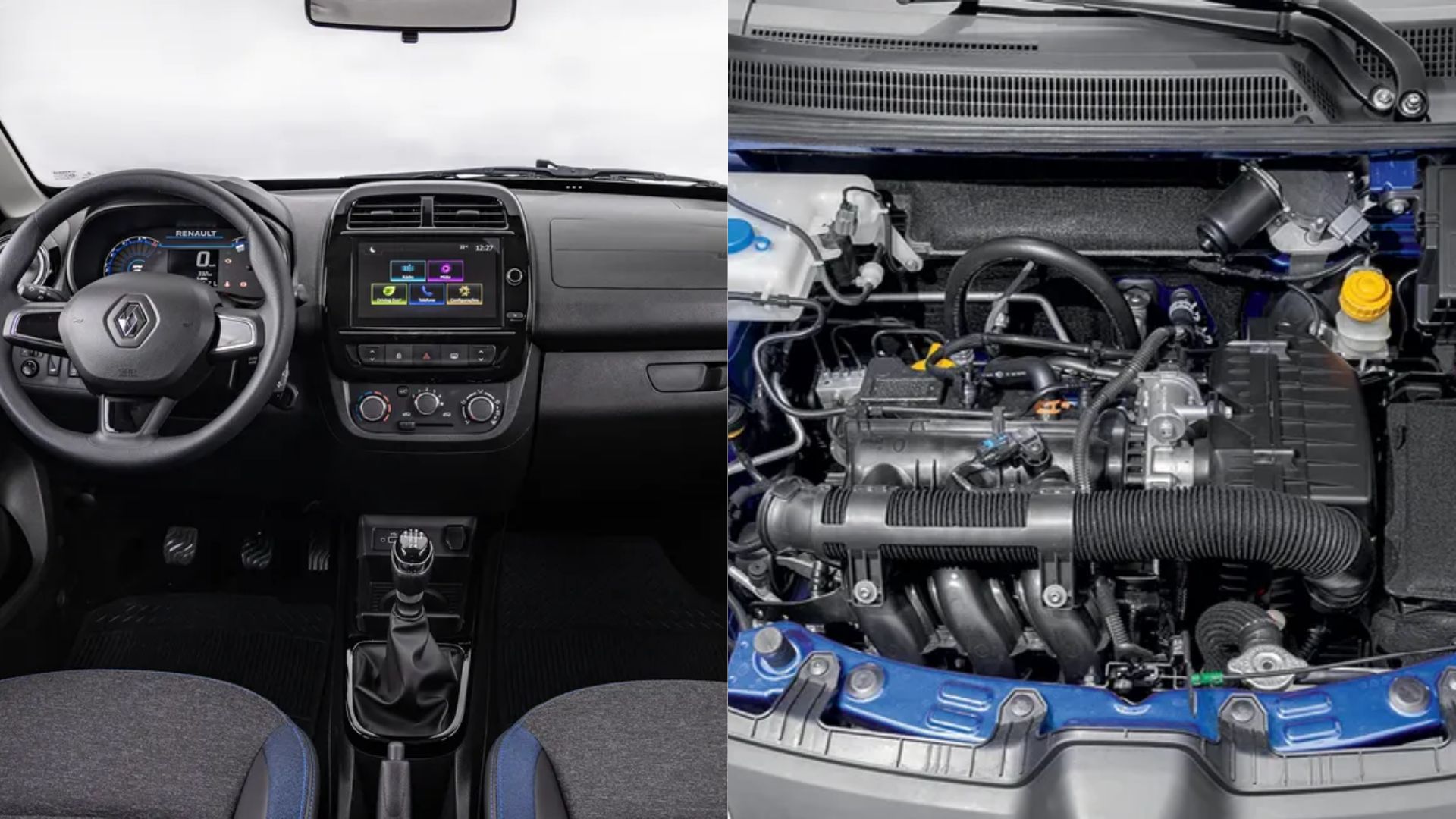
For the Kwid combustion, however, the tendency is for more restrained content.
The strategy should prioritize the entry price, preserving essential items and leaving out advanced features that debuted in the E-Tech.
The expectation is that the air conditioning will maintain analog controls, without the electric’s digital interface, and that the 7” digital panel will remain exclusive to the electric variant.
Safety Equipment: Probable Differences
While the E-Tech brought a broader package of embedded technology, with lane-keeping assist, traffic sign reader, and automatic emergency braking, the combustion version is not expected to replicate the entire list.
The removal of some assist features may be adopted to contain costs and maintain the content gap between the variants.
The brand has not yet detailed which active systems will be incorporated or maintained in Brazil in the next cycle of the Kwid.
Pricing Positioning and Current Versions
In retail, the Kwid 1.0 flex remains for sale in four versions, with prices starting at R$ 78,690.
The current level reinforces the model’s role as the brand’s entry option in the country, focusing on acquisition cost and fuel economy.
The design update serves as an argument to renew consumer interest for those seeking a zero-kilometer car with more accessible prices, without relying on equipment that increases the overall cost.
Product Strategy and Differentiation
The Renault has been repositioning its local portfolio with greater attention to higher ticket models, but indicates that the thermal Kwid remains relevant for volume and reach.
By adopting aesthetic elements from the E-Tech, the brand brings the appearance of the entry-level car closer to that of its more expensive sibling, reinforcing identity and perception of modernity.
On the other hand, by limiting comfort and assist items, it maintains a clear distance between proposals, avoiding internal overlap.
Impact on Ergonomics and Onboard Experience
Even with possible content cuts compared to the electric version, some improvements in finish and adjustments in ergonomics are expected, aligning the cabin with current standards in the segment.
If the new steering wheel and the height adjustment of the column are extended to the combustion model, there would be a practical gain in driving position.
The maintenance of physical controls for the air tends to facilitate everyday use, especially for those who prefer simple and intuitive interfaces.
Competition and Market Context
The restyling is an important piece to keep the Kwid competitive against direct rivals.
The Fiat Mobi, for example, underwent an update and now adopts the same panel as the Strada pickup, an attempt to elevate the perception of quality without abandoning mechanical simplicity.
In this entry-level battle, renovated design and a coherent safety package with the price range become relevant differentiators for purchase decision.
What Renault Still Needs to Reveal
Some points have not been detailed yet. The brand has not confirmed launch dates, final equipment list, powertrain changes, or possible calibration adjustments for efficiency gains.
There is also no official indication about new standard or optional features for Brazil.
The information observed in sightings abroad helps to form a picture of what is under development, but the final configuration for the national market depends on a specific announcement.
While the Kwid E-Tech 2026 arrived with totally renewed visual, 10” interior, and enhancements in active safety, the combustion Kwid is expected to position itself a step below, with aligned visual and rational content to sustain competitive prices.
The strategy seems clear: keep the “cheapest car in Brazil” attractive through design and cost without encroaching on the electric’s technological package.
In light of this scenario, what combination of equipment do you consider essential for the updated Kwid to remain worthwhile in the entry segment?