Portuguese
  Spanish




Understand The Average Mileage Per Year Of A Car, How It Affects Resale Value And What Really Matters On The Vehicle Dashboard!
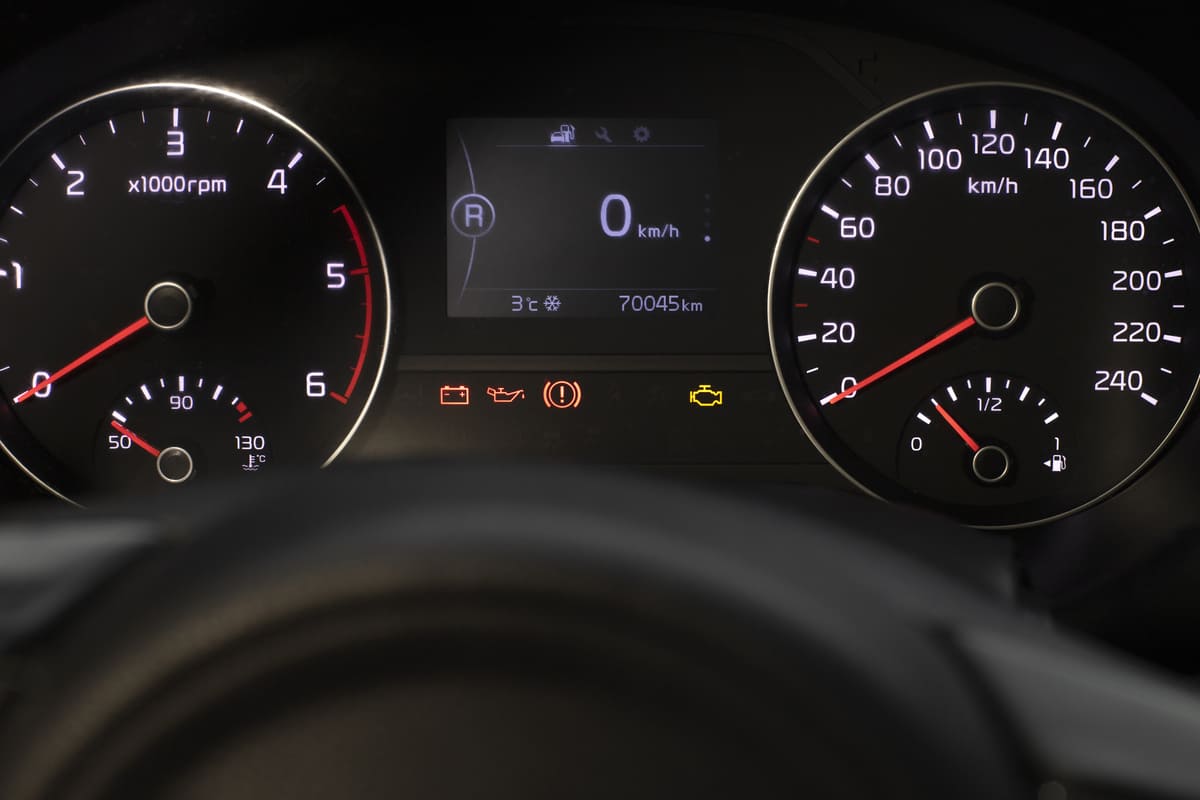
When buying or selling a used car, the mileage displayed on the dashboard is one of the most evaluated points.
In Brazil, the annual average varies between 10,000 and 20,000 kilometers, but this number should be analyzed with caution. Besides usage, the maintenance history and care for the vehicle are decisive factors. Understand how the automotive sector interprets this data and what to consider in a negotiation.
Mileage On The Dashboard: A Decisive Factor In Buying And Selling Cars
The mileage of a car, which can be easily checked on the dashboard, plays a central role in the evaluation of used vehicles.
-
Nissan Kicks S Direct 2018: Affordable Used SUV with Over 13 km/l Fuel Efficiency, 432-Liter Trunk, and CVT Automatic Transmission

-
Iconic Orange Double-Decker Bus, a Dutch Fan Favorite for Over 20 Years, Arrives in Texas for the World Cup After Touring Brazil, England, Qatar, and More
-
$100 Million Hypercar Collection, Including Ferrari LaFerrari and McLaren Speedtail, Found Abandoned at Los Angeles Airport
-
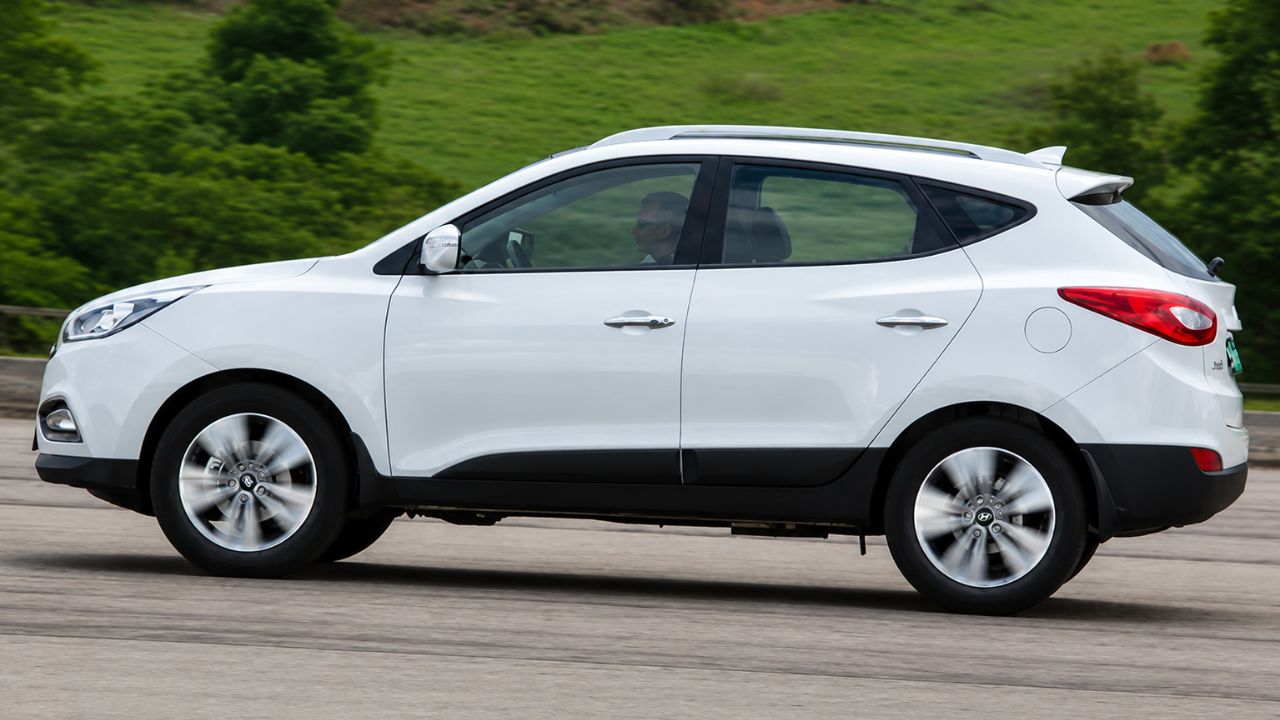
Hyundai ix35 2019: A Forgotten SUV with 2.0 Engine and 650 km Range Costs Less Than a New Kwid in Brazil


Buyers and sellers need to deal with this data daily when closing a deal. But what would be the ideal average mileage per year? According to automotive industry standards, the “normal” range in Brazil is between 10,000 and 20,000 kilometers per year.
This information serves as a reference, but should not be analyzed in isolation.
What Really Influences The Mileage Driven Per Year?
The number of kilometers driven by a car depends on many factors. The driver’s lifestyle is the first of them.
A driver who uses the vehicle for daily commutes between cities will have significantly higher mileage than someone who only uses the car on weekends.
Additionally, the place of residence directly influences this. Those living in large urban centers with efficient public transportation tend to drive less.
On the other hand, in rural or remote areas, car use is constant and essential, which naturally raises the numbers on the dashboard.
Is High Mileage Always A Problem?
Not necessarily. A common mistake in the automotive sector is to assume that high mileage automatically means a car is in poor condition.
This is not true. A vehicle that has traveled 20,000 km per year, but has been thoroughly serviced, may be in better shape than a car that has traveled 8,000 km with no preventive maintenance.
Components such as the sealing system and tires can suffer from idleness. In other words, even cars with low mileage may show premature wear if they are not used regularly and carefully.
Resale Value And The Impact Of Mileage
When it comes to resale, mileage is one of the first items observed. Generally, the lower the number displayed on the dashboard, the higher the value perceived by the buyer. However, this is not a fixed rule.
The automotive market has become increasingly discerning. A car with documented maintenance, a reliable history, and good condition can stand out even with above-average numbers.
After all, care for the vehicle speaks louder than the exact number of kilometers driven.
How To Care For The Car Regardless Of Mileage
Regardless of the annual average of use, some practices are essential to keep your car in good condition and, consequently, preserve its market value.
Filling up with quality fuel is essential to maintain the performance of the mechanical system.
Regularly checking tires, brakes, and alignment is important, especially if the vehicle covers long distances.
These measures help maintain the health of the vehicle even when the mileage increases year after year.
Much Beyond The Numbers On The Dashboard
Mileage is undoubtedly a relevant factor in analyzing a vehicle, but it cannot be the only criterion. The automotive sector increasingly values transparency and maintenance history.
Driving between 10,000 and 20,000 kilometers per year is considered within the standard, but the most important thing is that the car is well cared for.
When evaluating a vehicle, consider the complete context: actual use, maintenance, conservation, and provenance. These points will make all the difference in a fair negotiation — whether to buy or sell.
In the automotive sector, mileage is still used as a reference but is losing strength compared to proven maintenance.