






 Portuguese
  Spanish


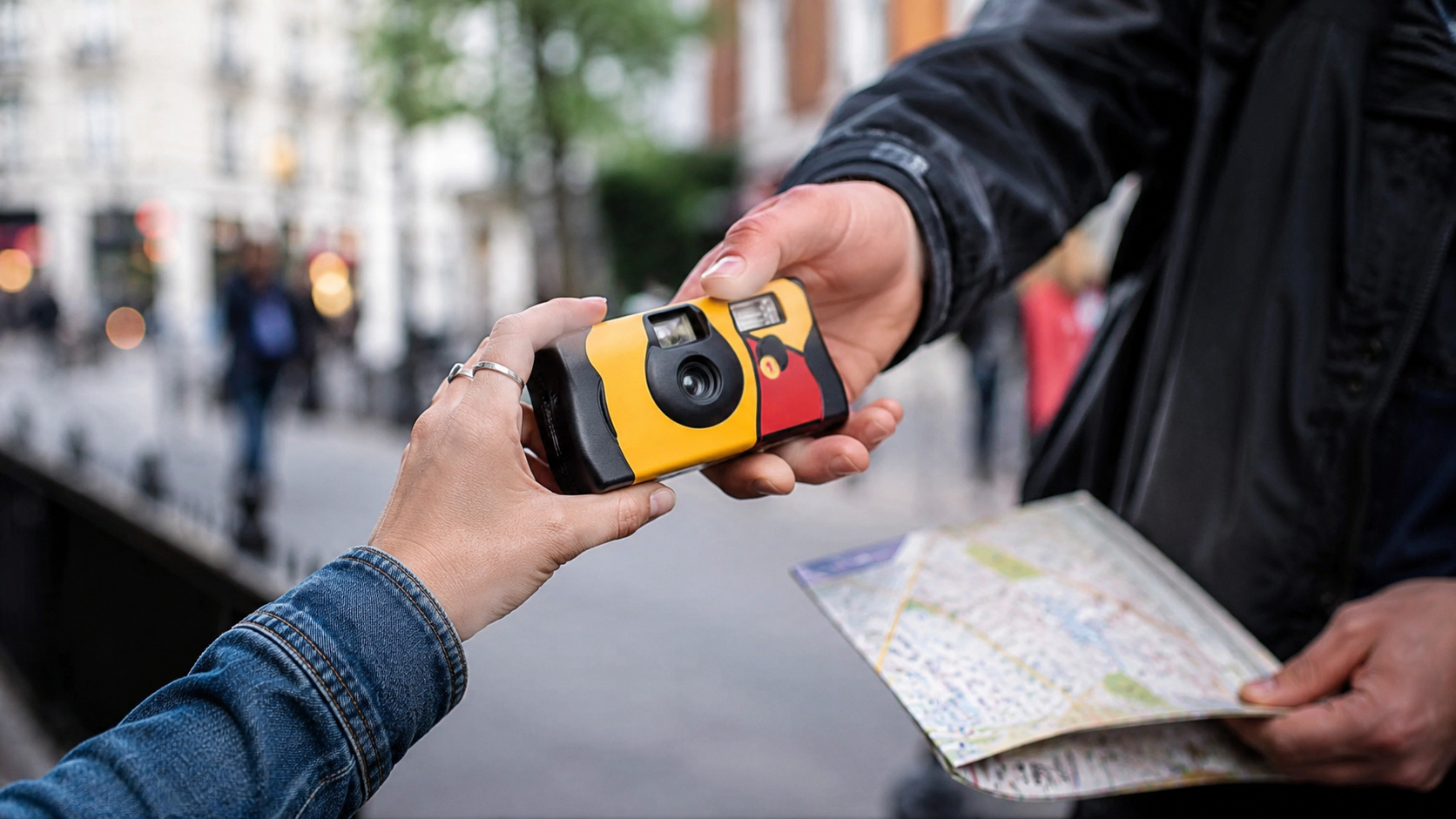

Participatory photography in Galt City Centre led residents to capture views and facades and expanded the conversation about urban planning.
A city hall in Canada put disposable cameras in the hands of residents to discover what they saw in the city center. In Galt City Centre, volunteers photographed views, facades, streets, and paths they considered important for local life.
The experience took place in 2004, in the city of Cambridge. The information was published by ISOCARP, the international society of city and regional planners. The study gathered images and reports to show that the perception of those who circulate in an area also helps to understand the value of that place.
Participatory photography transformed common scenes into information for urban planning. An old facade, a square, a view of the river, or a passage between buildings could have importance that a technical map alone did not show.
-
São Paulo Expands Healthcare and Housing in Southern Region with New Health Center, 374 Apartments, and Over 2,300 Property Titles

-
Rescue Teams Use Flashlights to Find 47 Dogs in Abandoned, Powerless U.S. Home, Offering Them a Fresh Start Through Responsible Adoption

-
Siblings Discover 1939 Superman Comic in Late Mother’s Attic, Sets Record at $9.12 Million Auction
-
12-Year-Old Discovers 80-Million-Year-Old Marine Tylosaurus Fossil During Kansas Field Trip


Residents received cameras, maps, and space to explain each image
The activity began with invitations to members of local groups and organizations. Later, participation was opened to the public and others interested in capturing downtown Cambridge.


On July 22, 2004, about 50 people attended an introductory meeting. Each volunteer received a disposable camera, forms for observations, and maps of Galt City Centre.
The task was not just to photograph. Each participant needed to mark where the image was taken, explain why that spot was important, and indicate which detail of the view deserved attention.
This care gave more meaning to the photos. The participatory photography combined the image and the memory of the person behind it, allowing an understanding of why certain paths, facades, and landscapes held value for the residents.
Each volunteer had one week to explore the city center
The participants had from July 23 to 30, 2004 to walk through Galt City Centre and make the records. Each person could take up to 27 photos, but they didn’t have to use all the available clicks.
The volunteers carried a table to note their observations. The material also included maps where they could indicate the point and direction of each photograph, linking the image to the exact place where it was captured.
90 packages were delivered for the activity. Eight were not picked up and two were not used, leaving 80 packages in the hands of people interested in participating.
In the end, 59 packages returned and had the cameras developed. Another 21 were not returned, resulting in a return rate of 74% and forming a broad base of photos and comments about the urban center.
Photos and comments turned into 11 categories about the perception of the city
After development, each photograph was linked to the notes made by the volunteers. The responsible team read the comments, identified repeated themes, and separated the records by similar characteristics.
ISOCARP, international association of urban and regional planners, detailed that the images were grouped into 11 categories. The division considered both the content of the photos and the explanations given by each participant.
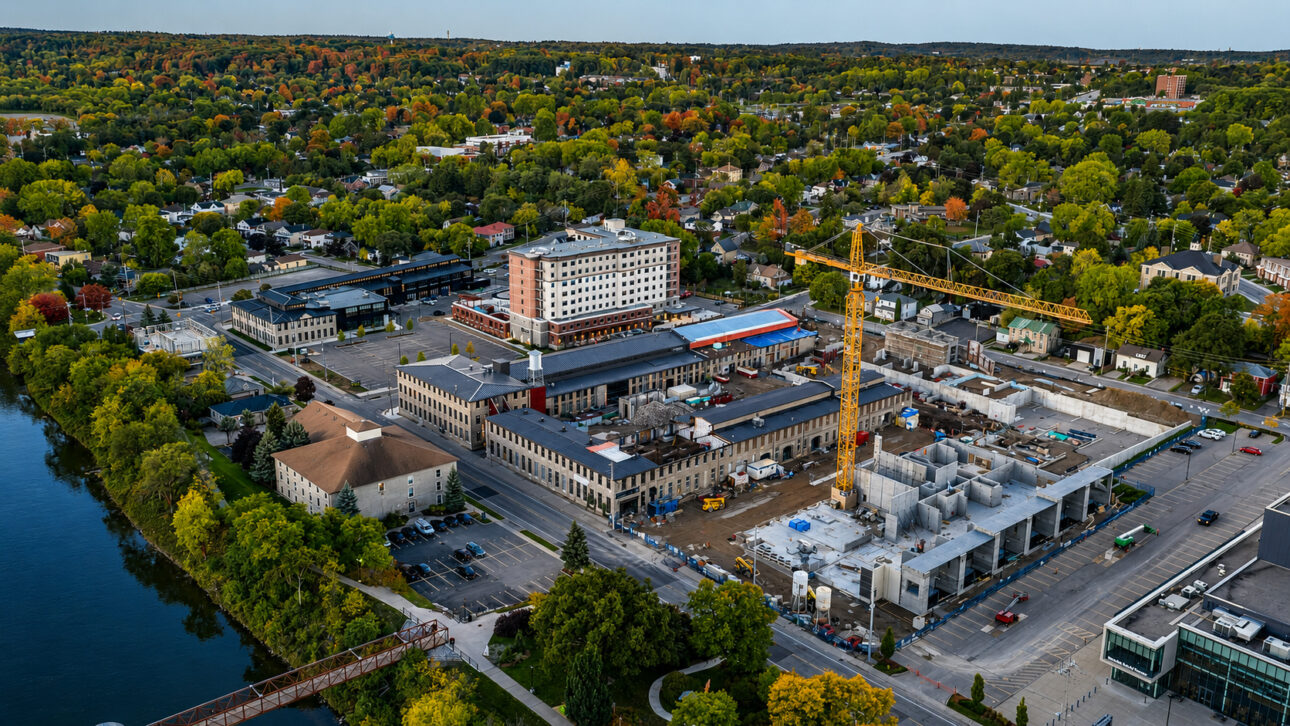
Among the records appeared elements of architecture, public areas, natural landscapes in the urban environment, artworks, streets, squares, and views of the Grand River. The analysis showed that the value of a place was not only in its appearance but also in the memory, use, and feeling it provoked.
The facades received special attention because they helped give identity to the region. Many images also highlighted stone buildings, old constructions, passages, signs, lamps, and spaces that reinforced the personality of the city center.
Public exhibition placed photos and stories before residents
On August 10, 2004, Galt City Centre hosted an exhibition with the first results of the research. The meeting gathered about 35 to 40 people to observe the images and comment on what appeared in the records.
The room featured 10 posters with photographs and stories from the participants. Other images were displayed in a continuous presentation, allowing visitors to see points that were not included on the posters.
Each person received a card to write suggestions, questions, and comments. The exhibition opened up space to discuss what residents valued in the urban center, without turning the photos into an automatic decision about works or changes.
The results were still initial at that moment, as only a week had passed between the delivery of the developed cameras and the public meeting. Even so, the activity made visible landscapes and details that often remain outside conversations about the city.
Participatory photography aids urban planning but does not replace technical studies
A photo can show that a street has emotional value, that a facade draws attention, or that a view of the river is part of a neighborhood’s identity. It helps reveal the perception of the city from those who live, work, or move through that space.
But images do not calculate the cost of construction, traffic, water network, housing needs, building safety, or public budget. These decisions depend on data, projects, technical professionals, and analysis of the rules applicable to each city.
Participatory photography does not replace technical maps, engineering studies, mobility data, or housing planning. It adds a human layer to the debate, showing what people might lose when a street, square, or facade changes without dialogue.
The case of Cambridge showed that urban planning also involves listening to those who know the place closely. When residents record what they consider important, the city gains more elements to discuss changes with attention to the memory, use, and identity of each area.
The disposable cameras did not decide works nor solve urban problems on their own. They opened a simple way to show that facades, views, and paths can have collective value far beyond what appears in reports and technical plans.
What place in your city would you photograph before a major change, and what does it reveal about the life of those who pass by there every day? Leave your opinion in the comments and share this post.


