Portuguese
  Spanish




Mobile home in a moving truck was born after zoning rules limited a compact house in California and shows how space, light, safety, and a permitted parking location weigh before transforming a vehicle into a home
Summer Winston, a graphic design teacher, wanted to build a compact studio-style house when she was preparing to leave Texas and live in California. A workshop on zoning changed the plan and led to the purchase of a Penske moving truck to become a mobile home.
The information was published by Apartment Therapy, a site specialized in housing, decoration, and design. On April 9, 2019, the truck named Shadow was not yet ready and was part of a plan to live with more space and reduce expenses.
The case shows that an adapted vehicle does not alone solve the housing challenge. The choice involves zoning rules, parking location, ventilation, insulation, weight, and safety.
-
Five-Year-Old Turns Crayon Drawings of Colorful Socks into a Brand, Raising $200,000 to Aid Vulnerable Children

-
Daughter of a Construction Worker and a Baker, Bruna Achieves Dream of Studying Medicine at Brazil’s Prestigious USP at 21

-
City Provides Disposable Cameras to Residents to Capture Downtown, Uncovering Hidden Value Beyond Appearances

-
São Paulo Expands Healthcare and Housing in Southern Region with New Health Center, 374 Apartments, and Over 2,300 Property Titles




A zoning workshop changed the compact house plan
Zoning is the set of rules that defines which uses are allowed in each area of a city. Summer discovered that California had restrictions for those intending to live in a compact house on wheels.


The problem was not just building a small residence. The rules addressed how it would be possible to live in it and where it could remain.
For those looking for an alternative to renting, this detail changes the entire decision. The reduced size of the dwelling does not eliminate the need to check what is allowed in the location.
Moving truck offered the space that a van did not provide
A climbing session put Summer in contact with a person who lived in a van. The visit rekindled her interest in a house on wheels.
She researched vans and retired heavy military vehicles but chose a Penske moving truck. The enclosed body offered more internal space to create a home where it was possible to stay comfortably.
Summer didn’t want a place used just for sleeping. The goal was to have a mobile home where she could stay on days she didn’t want to go out.
More light and less feeling of tightness guided the project
The search for a mobile home was born from a simple desire: to avoid a dark, closed, and uncomfortable environment. The project was designed to have more light and less feeling of tightness.
This focus affects the interior setup, the walls, and the circulation. In a small dwelling, the space needs to allow for rest and routine without making the resident feel trapped.
The volume of the truck was an important part of this choice. It wasn’t just a larger vehicle, but an attempt to create a more livable environment.
The renovation was not ready on April 9, 2019
Apartment Therapy, a site specializing in housing, decoration, and design, showed that the conversion was still underway on April 9, 2019. The truck had already received work on the metal structure and internal walls.
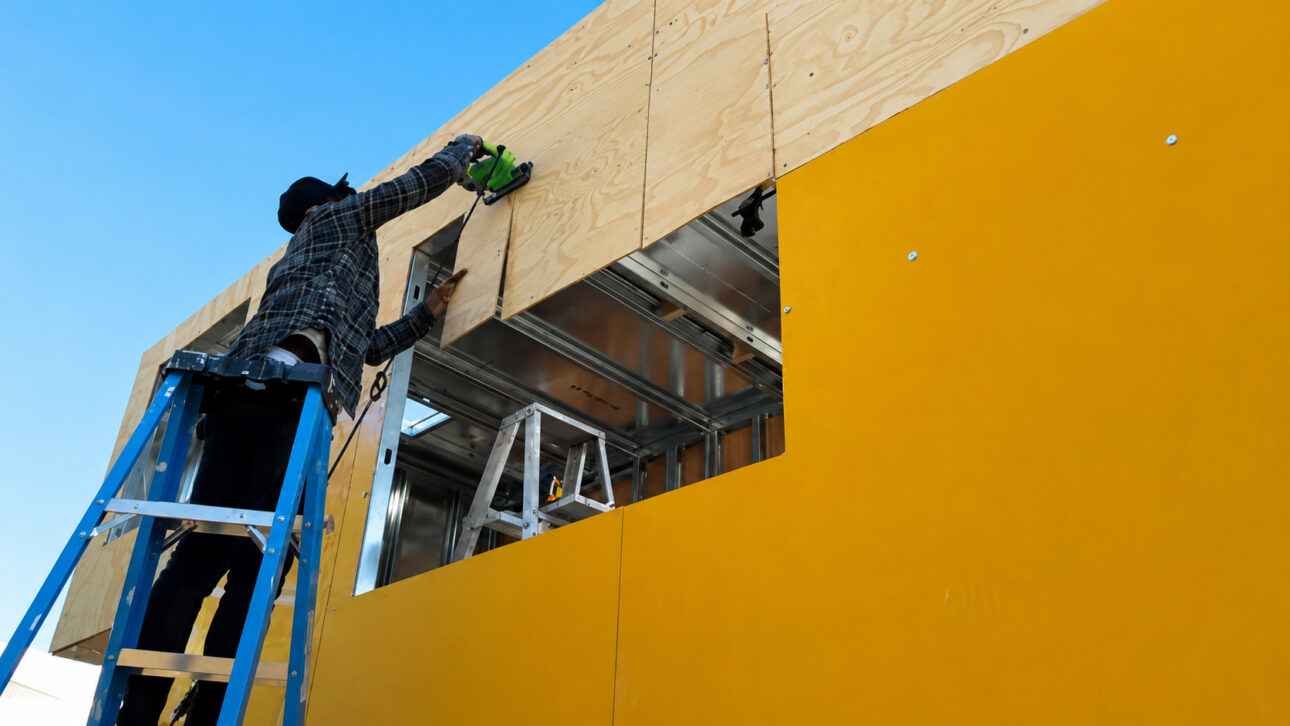
Summer built the walls in parts and then took each section to be installed inside the truck. The work required practical learning during the cutting of the structure and the interior assembly.
Ventilation, insulation, and weight need to be considered
A residential adaptation in a vehicle requires more than decoration. Ventilation is the exchange of air inside the space, while insulation helps reduce the effect of heat and cold.
It’s also necessary to consider the weight of walls, furniture, water, and equipment. The safety of the truck and the internal space needs to be evaluated before using it as a dwelling.
Another concern involves the location where the vehicle will be parked. Local rules may limit the stay of vehicles, and adapting a truck does not automatically make it a permitted address.
The truck was part of a plan to save 80% of the payment
Summer intended to live in the truck and save 80% of her salary. The goal was to buy a plot of land used as a farm in Petaluma, between 10 and 20 acres, a unit of land measurement used in the United States.
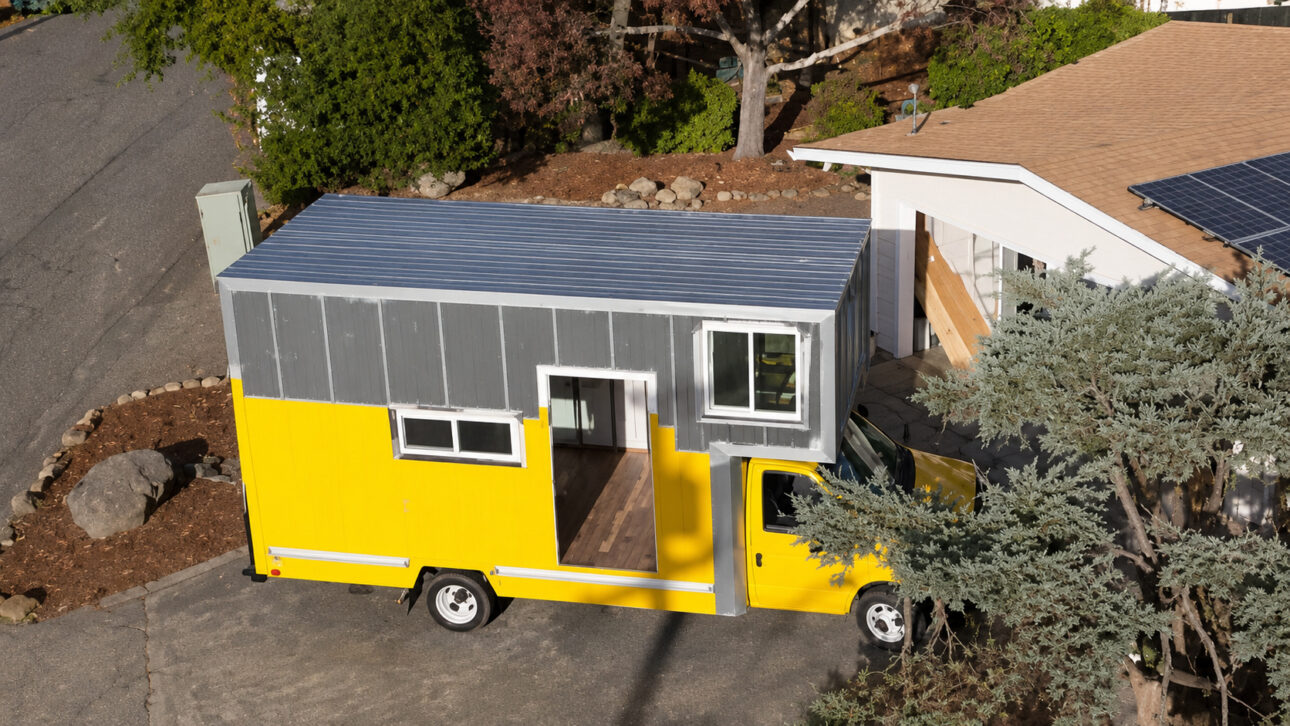
She imagined sharing the purchase with a friend, building houses with containers, creating a farm, and offering workshops on food cultivation and construction techniques.
The project did not mean abandoning her teaching career. Summer saw the truck as a step towards achieving a bigger plan without leaving her job behind.
The story shows why the desire for a compact home needs to align with the reality of the location. The truck provided space and the possibility of reducing expenses, but it also highlighted zoning limits and the care required for adaptation.
Instead of being a ready-made recipe to escape rent, Summer’s choice illustrates a quest for housing that depends on planning, construction, and respect for local rules.
In your city, would clearer rules for compact homes help those seeking affordable housing or could they create new problems? Leave your opinion in the comments and share this story.