






 Portuguese
  Spanish
  5 min of reading
  0 comments


In Five Years, DF Jumped From 154 To 14,715 Electric Vehicles And The Grid Became A Technical Dispute. Neoenergia Says There Is Margin In The System, While Experts Call For Planning To Avoid Local Overloads.
The Federal District has firmly entered the map of electric mobility. According to Metrópoles, Data from Detran-DF shows a jump of 9,455% in the fleet of electric vehicles between 2020 and August 2025, going from 154 to 14,715 units. This number sparked a discussion about the electric grid’s capacity to meet the new charging demand.
The largest share comes from automobiles, 11,683 cars are already circulating in DF, equivalent to 79% of the total electric vehicles. Consumer appetite helps explain the speed of the curve, but also raises doubts about peak hours, concentration by neighborhoods, and infrastructure reinforcements.
On one hand, experts warn that the simultaneous use of residential and public chargers, with typical powers between 3.5 kW and 22 kW, can strain substations in dense areas if adoption grows in a concentrated manner. On the other hand, Neoenergia Brasília states that the substations operate with margin and that local solar energy generation has helped ease the grid.
-
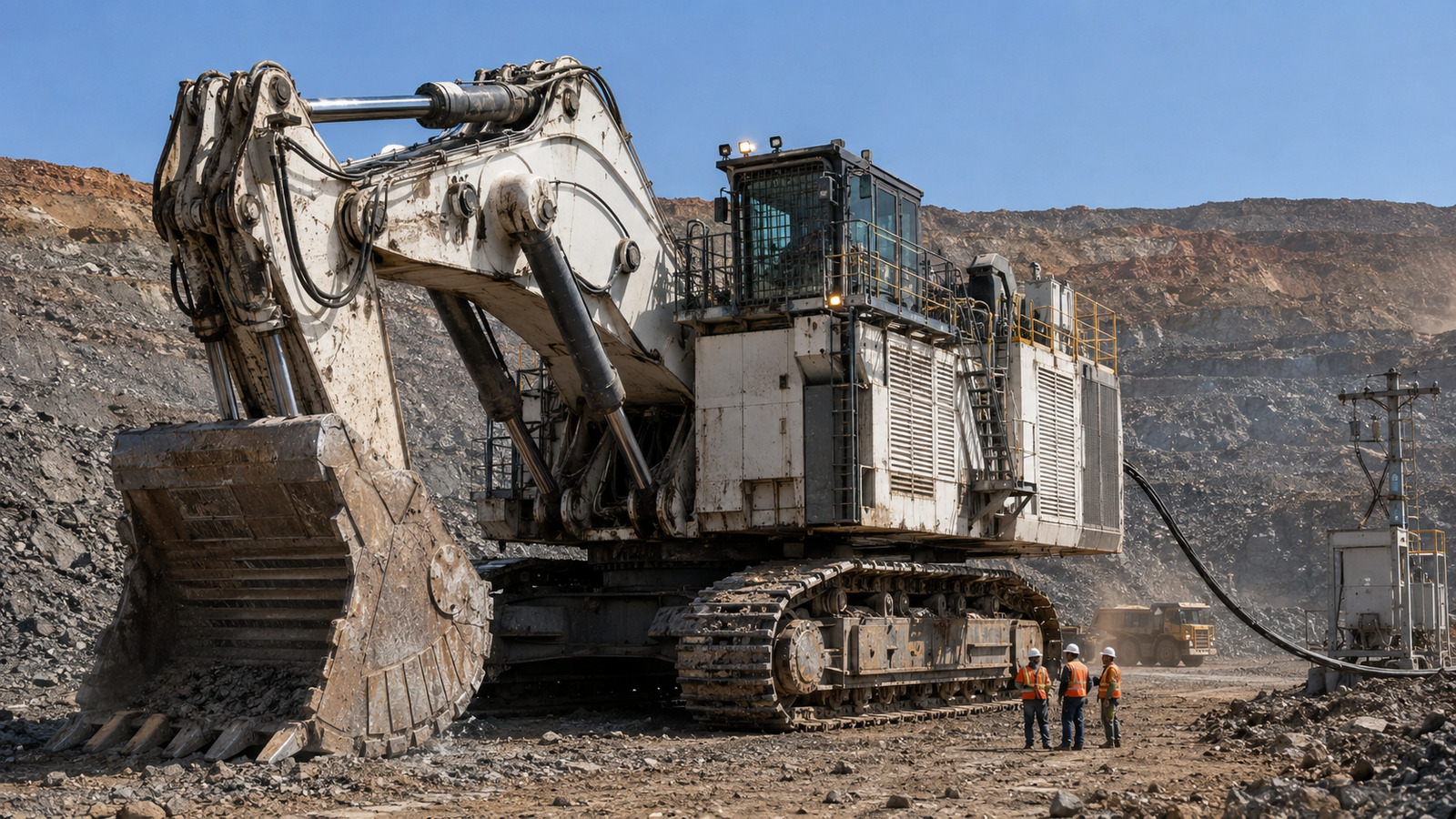
Unprecedented achievement in India: a colossal 650-ton, nearly 3,000 hp excavator is transformed into 100% electric, marking a new phase in heavy mining.

-
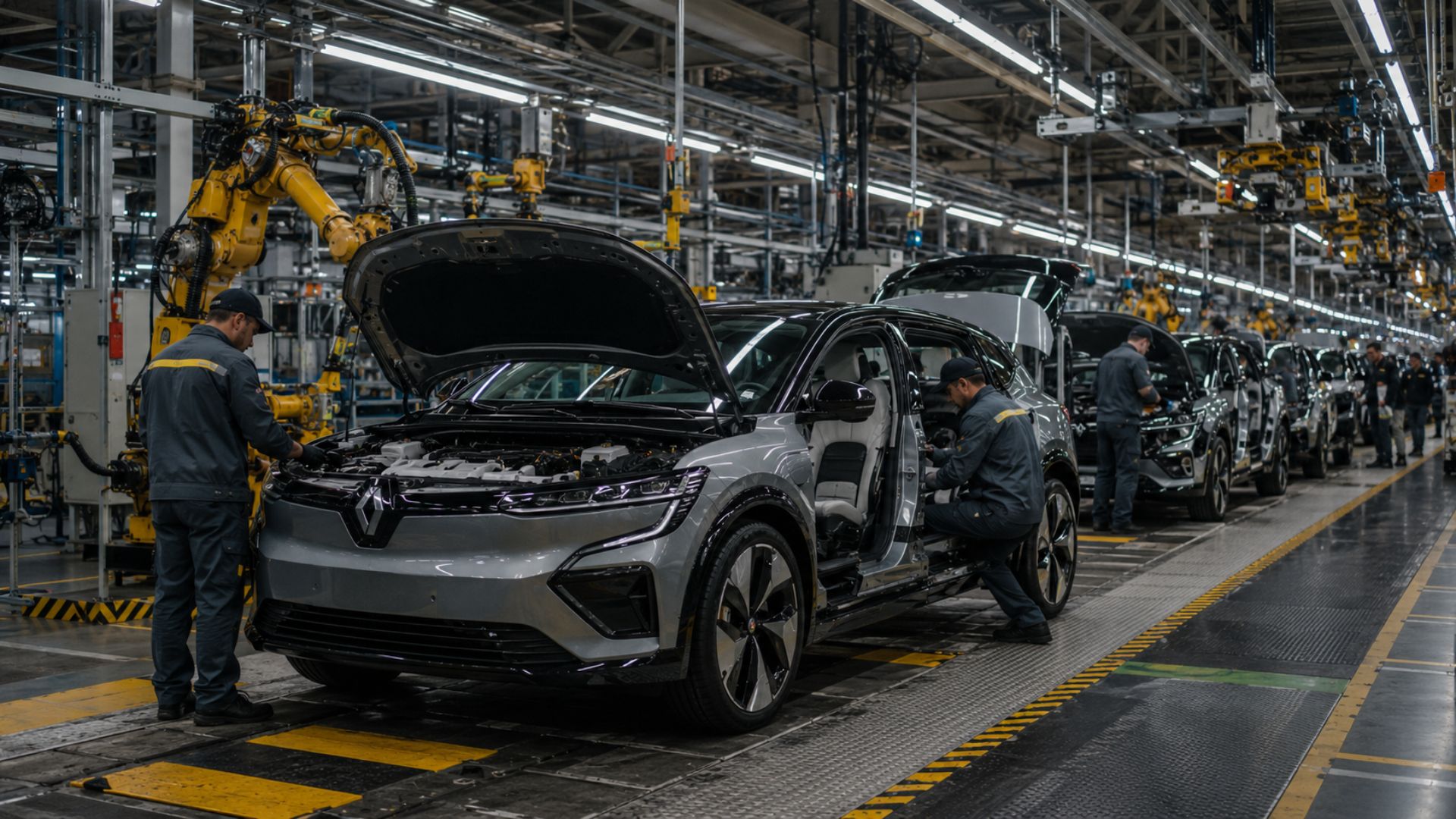
Frightened by the speed of Chinese manufacturers, Renault decided to mimic the pace, made the new electric Twingo in just 21 months, wants to repeat the feat with 36 models by 2030, and along the way, will cut up to 2,400 engineering positions.

-
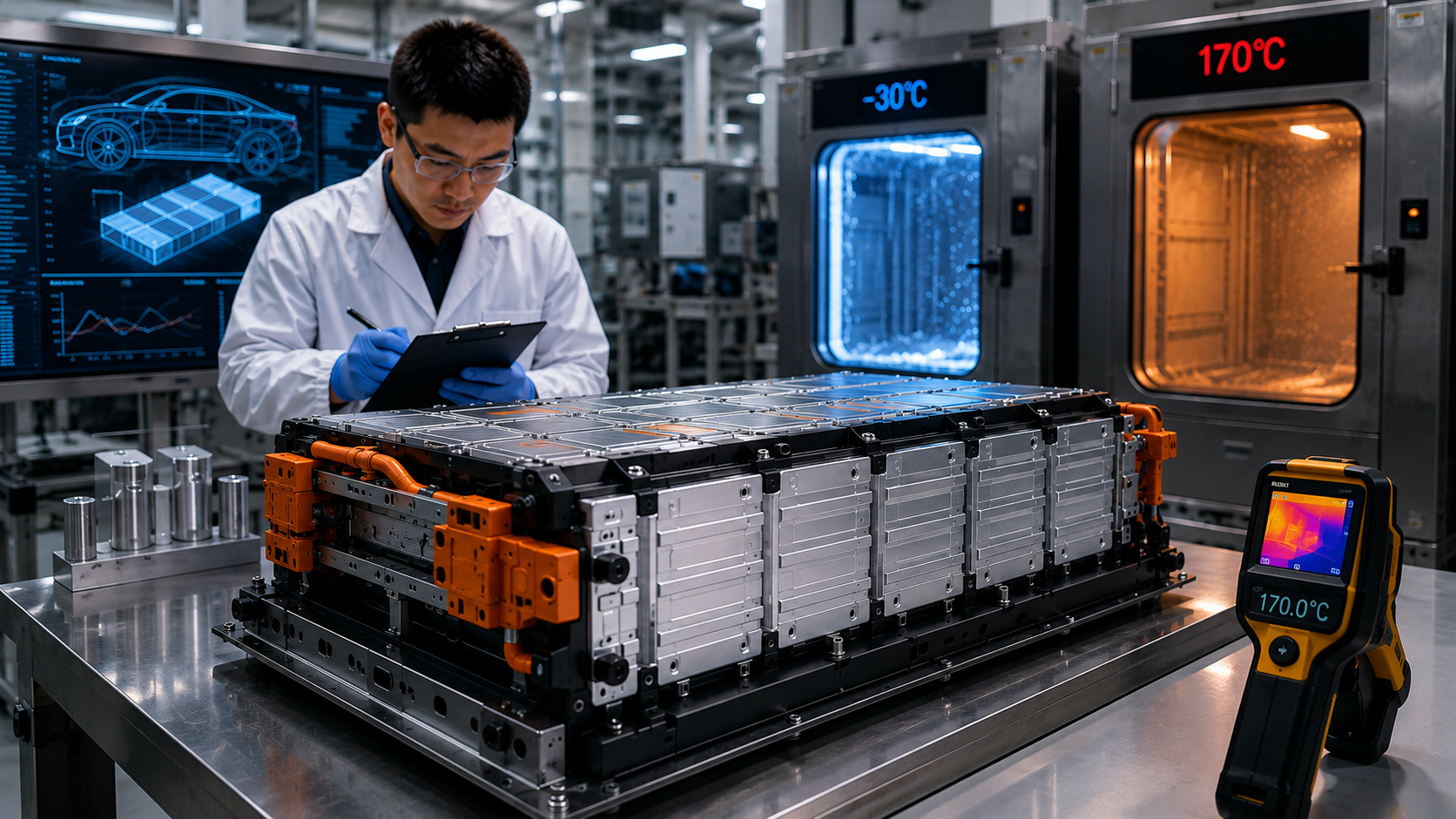
Chinese battery from Dongfeng promises to exceed 1,000 km without relying on liquid electrolyte, and the detail behind the technology could change the electric car competition.

-
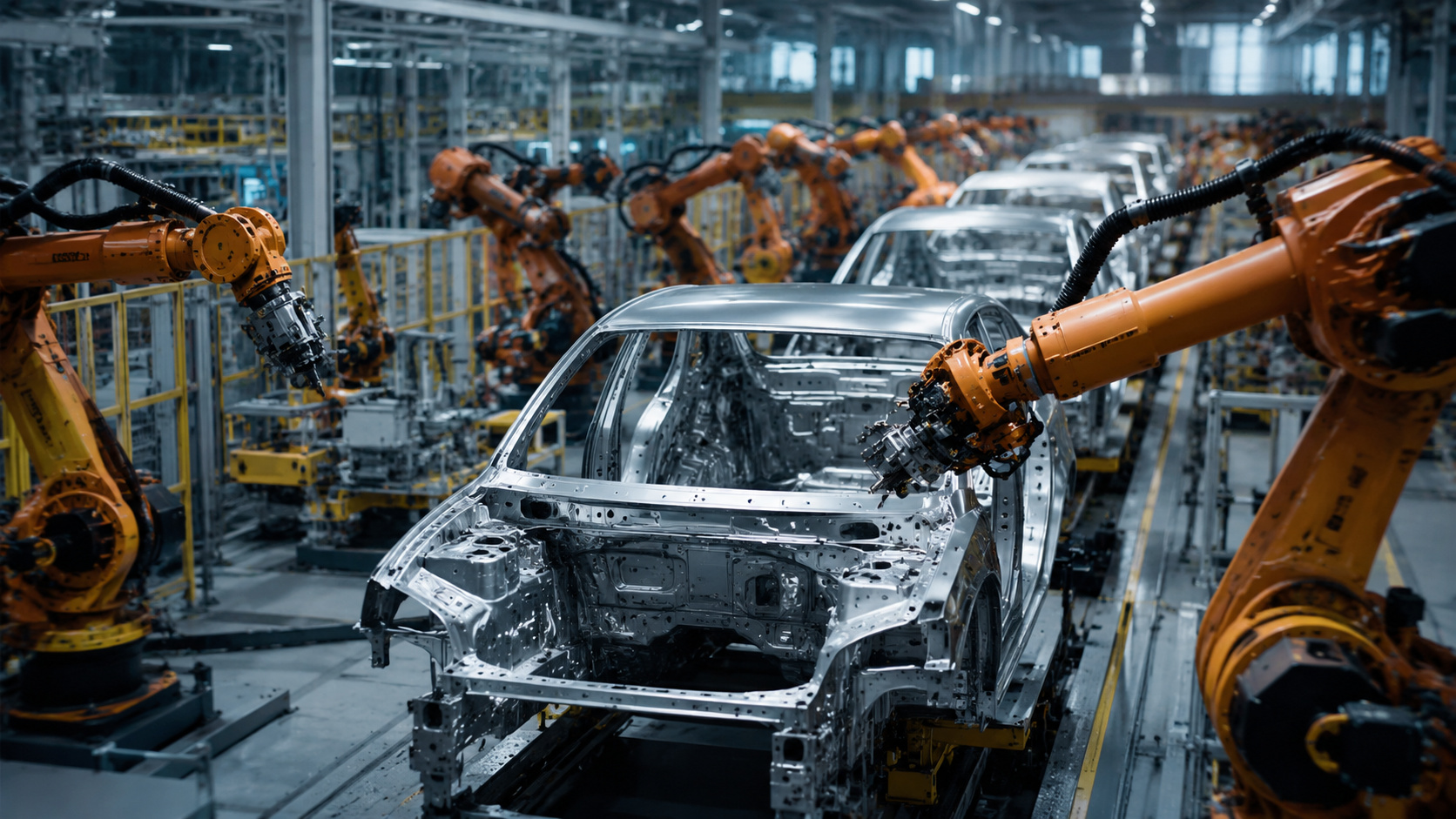
The end of the automotive combustion era has already begun, but many in Brazil have not yet realized the magnitude of the shift towards Chinese electric cars.
In the background, DF offers exemption from IPVA for electric vehicles and already has around 130 public charging stations, factors that stimulate electrification. The question now is how to grow without surprises, with technical planning and smart charging habits.
Growth Of 9,455% In Electric Vehicles In DF According To Detran-DF
Official data indicates that the electric fleet in DF went from 154 units in 2020 to 14,715 in August 2025. The leap, consolidated in a recent series, positions Brasília among the capitals with the most accelerated progress in electrification. Cars lead the expansion, followed by other categories.
Even with the acceleration, electric vehicles still represent a small fraction compared to the total fleet of over 1.2 million cars in the capital. In relative terms, the global impact on system consumption is modest today, but concentrated growth by administrative region can create points of local stress.
On the national scene, electrification is also advancing. In July, Brazil surpassed 500,000 electrified units accumulated since 2012, and electrified vehicles already account for a significant share of sales this year. DF, therefore, follows a broader market trend.
Does The DF Electric Grid Support? Neoenergia Says Yes And Expert Calls For Planning
The technical assessment depends primarily on when and where vehicles are charged. Common residential chargers range from 3.5 to 7.4 kW, while street equipment can reach 22 kW or more. In scenarios of high adoption and simultaneous charging in the same neighborhood, substations near the limit may be pressured, requiring reinforcements.
Neoenergia Brasília states that, today, the substations operate with margin, far from maximum load, allowing room for gradual demand expansion. The distributor cites investments in network modernization, automation, and new solutions to increase reliability. In other words, capacity exists but needs to keep up with usage evolution.
ABRAVEi emphasizes that electric vehicles still do not reach 1% of the fleet in DF, calling for calm in the debate and progressive planning. The understanding is that, with reinforced grids, appropriate pricing, and more distributed generation, the city can grow without systemic risks of blackouts.
IPVA Exemption In DF For Electric Vehicles And How To Request
The IPVA exemption for electric vehicles is one of the pillars of local advancement. In 2025, the GDF confirmed the expansion of requirements, including semi-new vehicles under specific conditions, while maintaining the central rule for purchases at DF dealerships or with the participation of a local dealer in direct sales.
To be eligible for the benefit, the vehicle must meet requirements such as: purchase from a dealer located in DF or direct sale with participation from a DF dealership; for used vehicles, possibility of acquisition by a natural person or establishment from DF; in addition to the tax compliance of the buyer and absence of registered debts. The official guidance details the information that must be included in the NF-e.
The incentives reduce the total cost of ownership and attract consumers to electrification, in line with the increase in sales observed in the capital in recent years. This movement also pressures public policies for more infrastructure and standardization of connection processes to the grid.
Charging Stations In DF And Charging Habits To Avoid Consumption Peaks
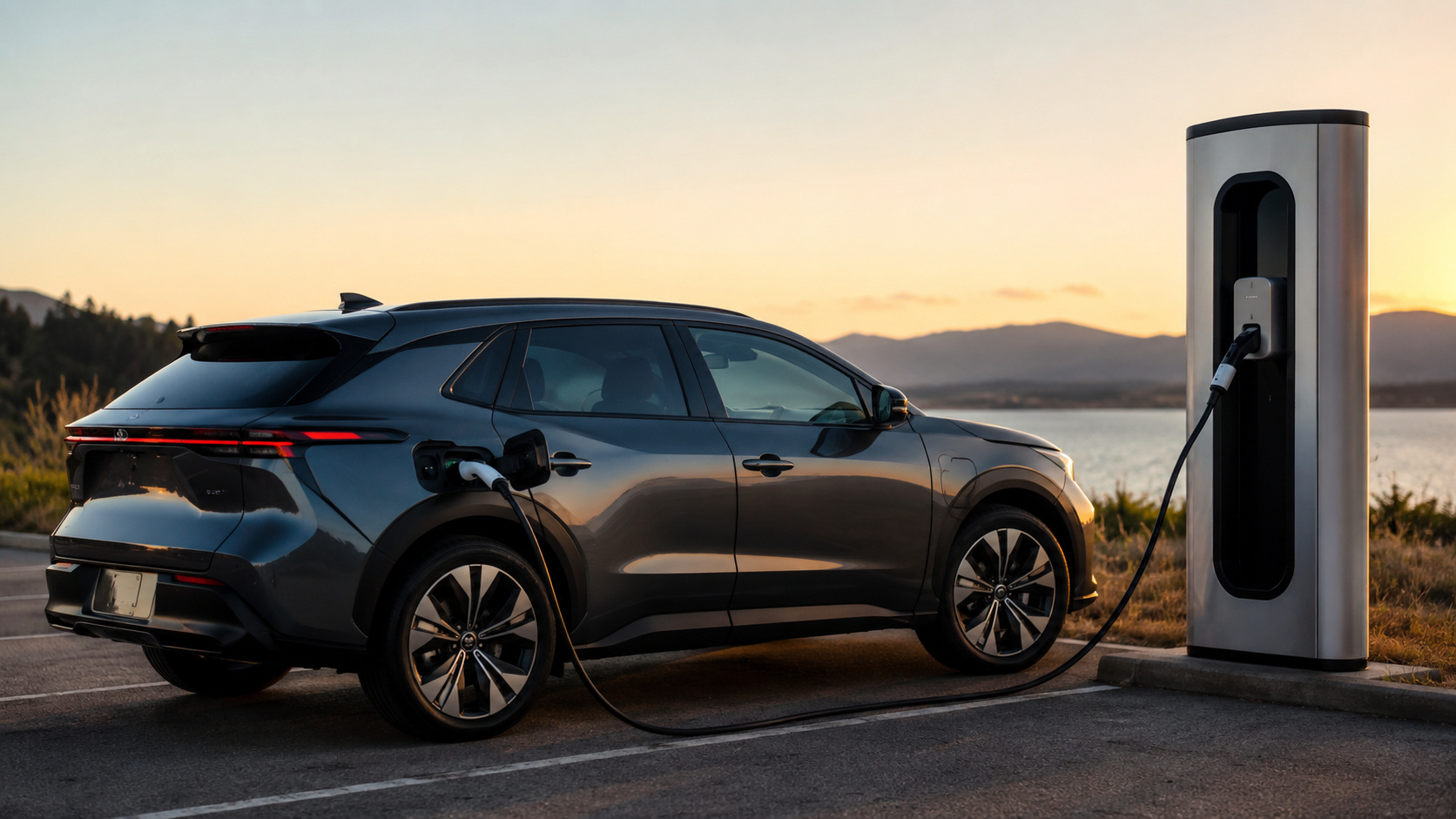
The local government reports that DF has around 130 public charging points, distributed in high-traffic areas. The expansion of this network is strategic to balance demand, dilute charging throughout the day, and reduce dependence on residential outlets during critical hours.
For consumers, the key is to adopt smart charging. Scheduling charging for the early morning, preferring off-peak hours, and adjusting power when possible are practices that relieve the grid and preserve battery health. Consumption simulations show that, when spread over time, the additional demand from cars remains manageable.
Another important factor is local generation. Neoenergia points out more than 30,000 consumer units with solar systems connected to the grid in DF, equivalent to about 12% of the total. This distributed energy helps offset part of the load, especially on sunny days, increasing the system’s resilience.
How To Avoid Overloading Substations With The Increase Of Electric Vehicles
On the supply side, the agenda involves transformer reinforcement, duplication of feeders, creation of new substations, and automation to isolate faults and reduce the duration of interruptions. Recent projects and energy efficiency actions indicate that the utility is already expanding capacity and modernizing assets.
On the demand side, time-based tariffs, load management programs, and pilots for bidirectional charging can smooth out peaks. The expansion of micro and mini distributed generation in the country, which added over 5 GW just between January and July 2025, also reinforces the energy cushion for the coming years.
Finally, coordination is key. Mapping neighborhoods with the highest adoption rates of electric vehicles, integrating registration data from Detran-DF with information from the Neoenergia grid, and prioritizing investments where demand grows fastest are low-cost measures with high returns. Maintaining planning, the risk of widespread blackouts remains low, and DF can lead a safe transition to electric mobility.




Be the first to react!