





 Portuguese
  English
  Spanish
  4 min of reading
  0 comments


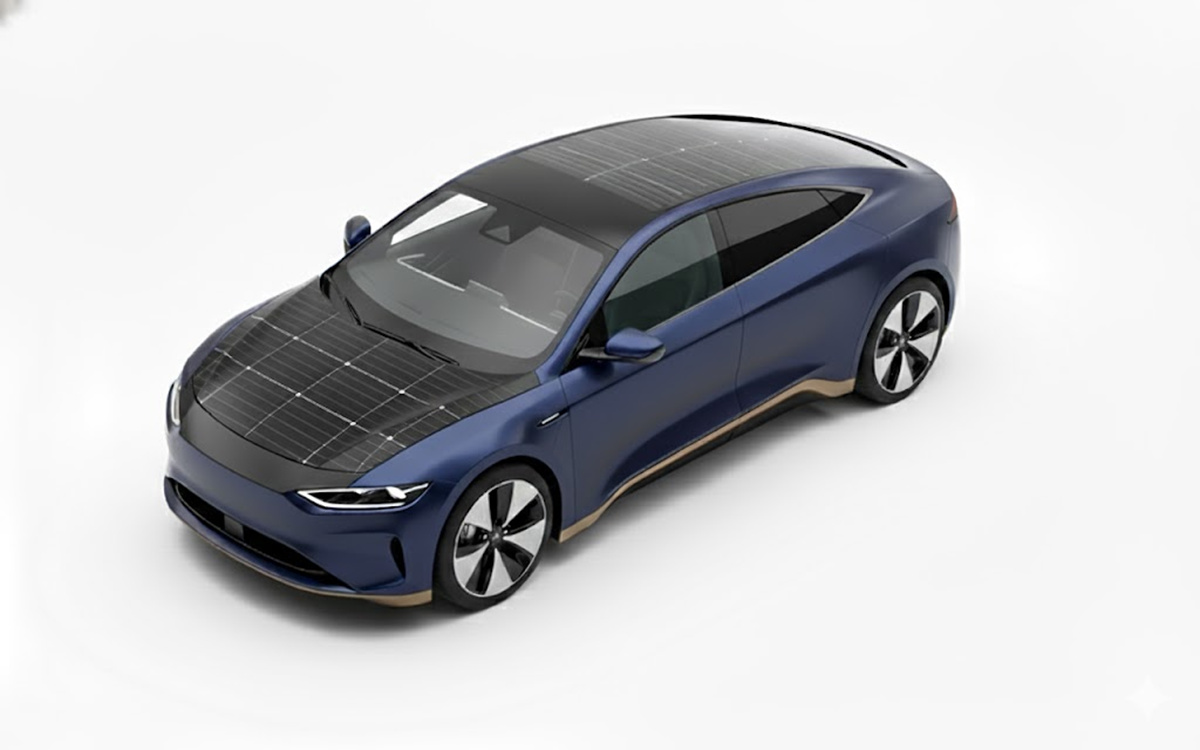
Composed of Lightweight and Durable Polymers, the New Technology Presented at CES 2026 by Solarstic Promises to Revolutionize Electric Mobility by Integrating Solar Panels into the Body, Generating Enough Energy to Cover Up to 80 Kilometers Daily and Drastically Reducing Dependence on Conventional Chargers
Solarstic, derived from the Hyundai Motor Group, presented at CES 2026 in Las Vegas a technology of solar modules integrated into the body. The system generates up to 500 watts and aims to increase vehicle range by 80 kilometers, reducing dependence on external charging.
Replacement of Glass with Polymer and International Recognition
The company is showcasing its technology at Eureka Park, located in the Hyundai Motor Group ZERO1NE pavilion. The innovation earned Solarstic the CES Innovation Awards in the Vehicle Technology and Advanced Mobility category. The recognition highlights the Injection-Molded Vehicle Solar Module developed by the company.
The award-winning approach incorporates solar energy generation directly into the external components of vehicles. The central differentiator of the technology is the replacement of traditional glass panels with a lightweight polymer casing.
-
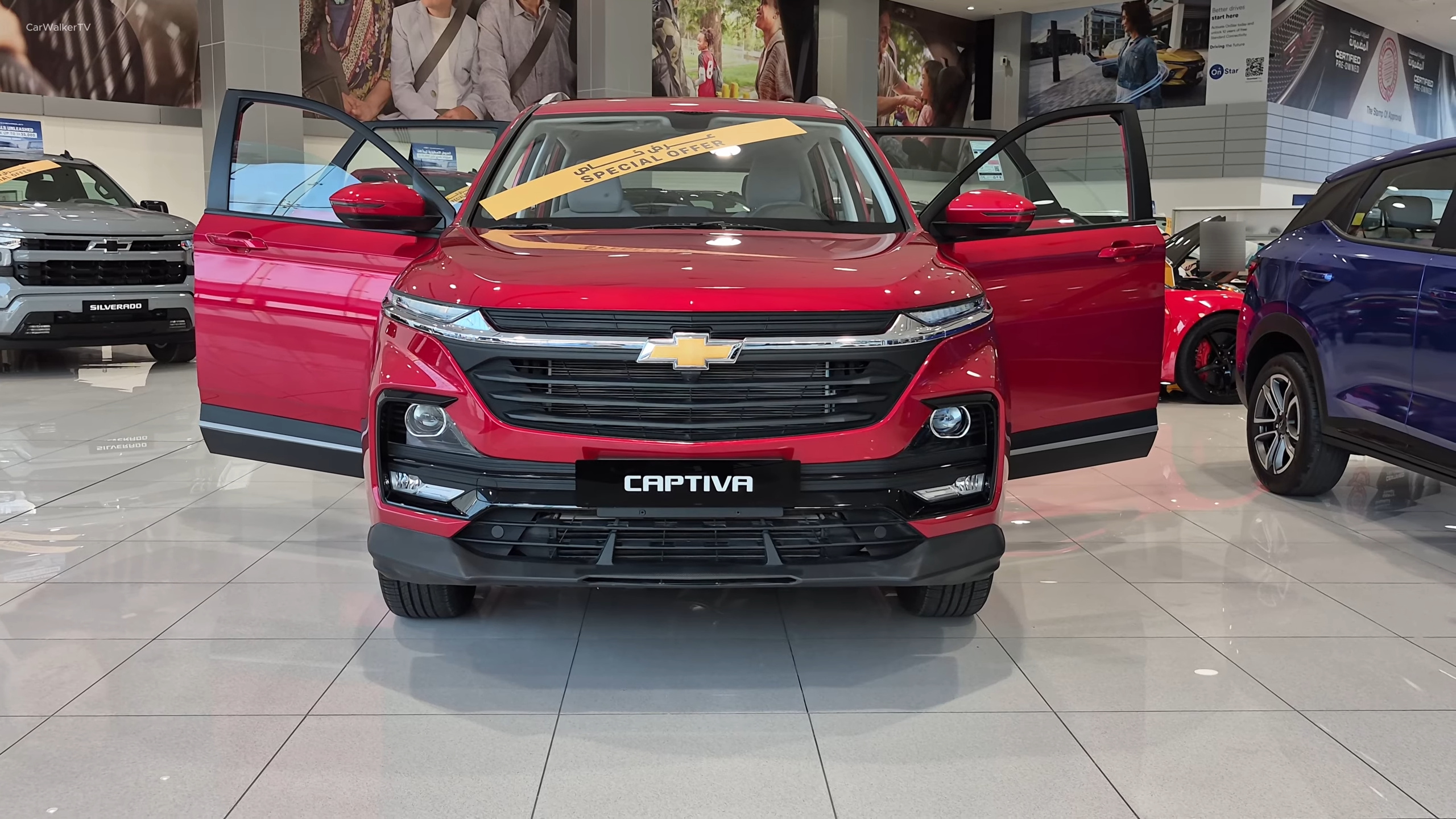
Chevrolet launches a “7-seater family SUV” cheaper than Jeep Commander, Toyota SW4, and Chevrolet Trailblazer in Brazil; Captiva 2026 features a 1.5 turbo engine, CVT transmission, 6 airbags, a 10.4″ vertical screen, a trunk of up to 887 liters, and a family package that GM sells in Mexico but does not offer to Brazilians.

-
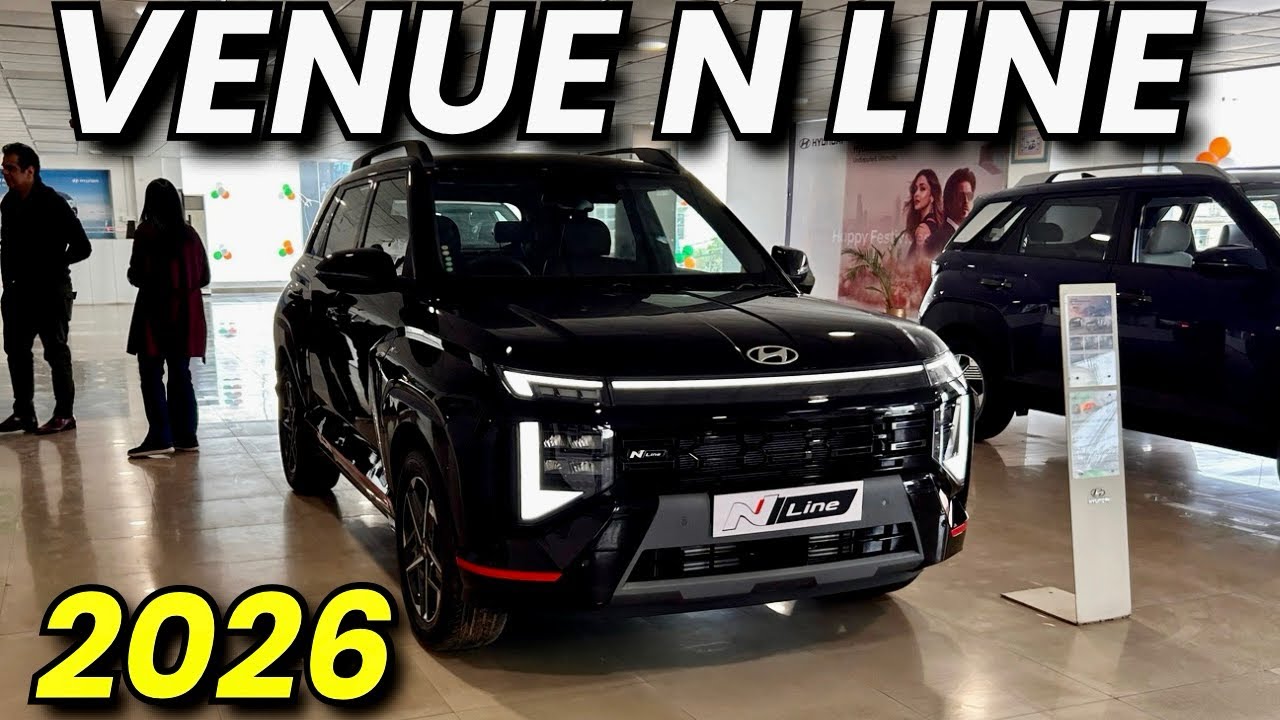
Hyundai sells a “sporty compact SUV” cheaper than Jeep Renegade, Volkswagen T-Cross, and Honda HR-V in Brazil; for about R$ 56,000 in conversion without taxes, the Venue N Line has a 1.0 turbo engine with 120 PS, manual or DCT transmission, dual exhaust, level 2 ADAS, 6 airbags, and a sports package that Hyundai sells in India but does not offer to Brazilians.

-
How GMC decided to create a cheaper “mini Hummer” after the failure of giant electric vehicles and revealed radical SUVs that promise to take on the Bronco and Wrangler with a brutal look, futuristic technology, and off-road capability in the USA.

-
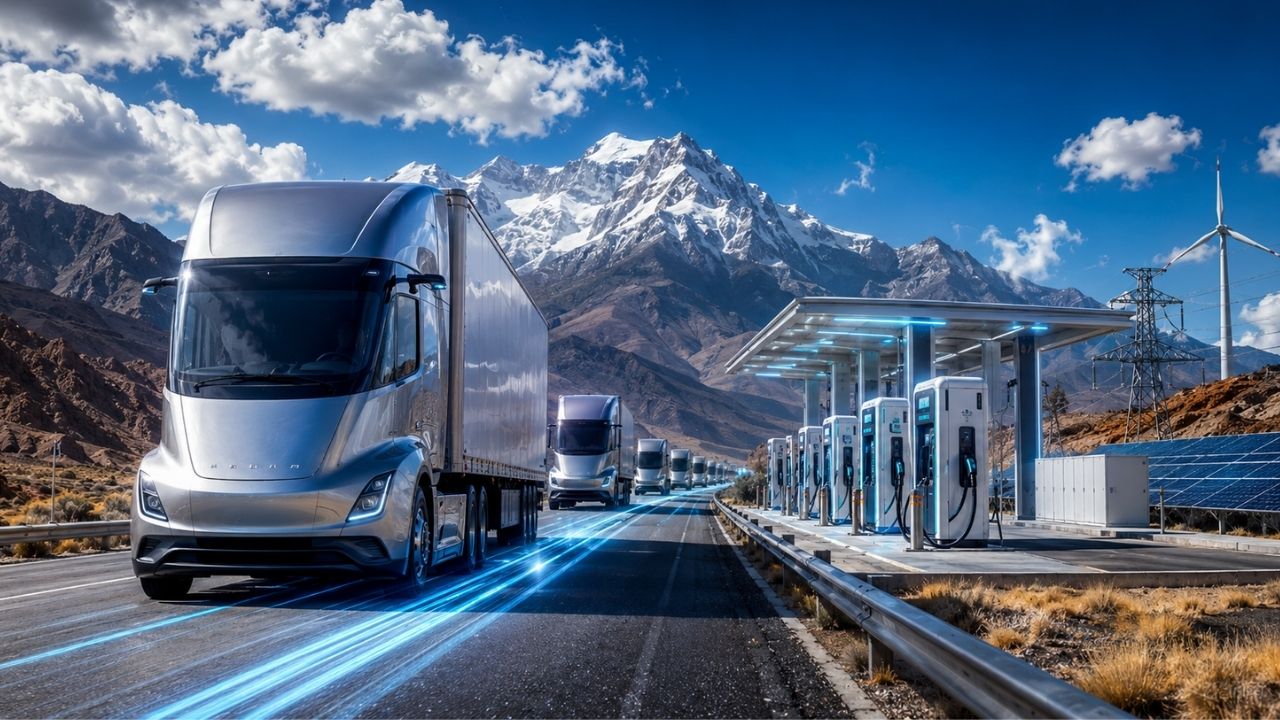
Chile inaugurates the first electric highway for the trucks that drive its economy, installs high-power chargers over 400 km, and aims to reduce diesel dependency in a logistical shift to Puerto Montt by 2030.

This material change reduces the overall weight of the component and provides greater flexibility for automotive design. The use of polymer allows the solar modules to function as external structural components, maintaining the safety standards required by the industry.
According to the company, the solution enables the integration of panels in various parts of the body. The areas indicated for application include the hood, the upper part of the vehicle, and the roof, overcoming the design limitations imposed by the weight of conventional glass solar panels.
Energy Potential and Reduction of Recharging Requirements
The implementation of the system on multiple external surfaces results in significant energy generation. When combined, the panels integrated into the hood, roof, and upper parts can generate up to 500 watts. This energy capacity allows extending the range of an electric vehicle by up to 80 kilometers per day.
The technology promises to significantly reduce charging needs, varying according to the driver’s usage patterns. For drivers who cover short distances, solar generation can eliminate the need to charge the electric vehicle from the power grid.
For long-distance trips, the impact is also measurable. The system can recharge about 30% of the battery while the vehicle is in motion, helping to maintain charge during driving.
Technical Validation in Electric Models and Timeline
The effectiveness of the technology has already been validated through proof-of-concept projects. The tests were conducted on Hyundai vehicles, specifically the IONIQ 5 and ST1 electric models.
These demonstrations confirmed the functionality of the solar modules under real driving conditions. The validation covered both passenger vehicles and commercial vehicles, proving the versatility of the application.
Despite the successful tests, the product is currently in the development phase and has not yet been commercially launched. Solarstic is working together with Hyundai to finalize the project. The plan is to present a vehicle equipped with this solar energy in the future, possibly within one or two years.
Manufacturing Processes and Solutions for Cell Protection
One of the primary technical obstacles faced by the company is the manufacturing process. The polymer casings require injection molding, a technique that uses high pressure. Solar cells are fragile components and can break easily under this type of mechanical stress.
To address the issue, Solarstic developed a new packaging approach. The company created a protective layer design combined with low-pressure injection technology. This method allows encapsulating the solar cells without damaging their structure.
Aesthetics and safety are also priorities in the development. The module has a glass-like appearance, with cells visible internally. To meet consumer preferences, a black finish was developed that hides the cells, making them visible only when viewed closely.
In terms of safety, the polymer coating has advantages over glass. Being a softer material, it offers greater safety in the event of impact from a person with the hood, a fundamental concern for components installed at the front of the vehicle.
Durability Tests and Corporate Strategy
Durability is a central engineering challenge for externally exposed components. The company needs to prevent yellowing of the material and surface damage that can be caused by frequent car washes.
To ensure the necessary durability, durability tests are underway. Solarstic is currently testing scratch-resistant and non-stick coatings to ensure the longevity of the product under daily use conditions.
The company’s presence at CES 2026 reflects the open innovation strategy ZERO1NE of the Hyundai Motor Group. The goal of the initiative is to accelerate the development and implementation of sustainable mobility technologies in the global automotive market.








-

1 person reacted to this.