






 Portuguese
  Spanish


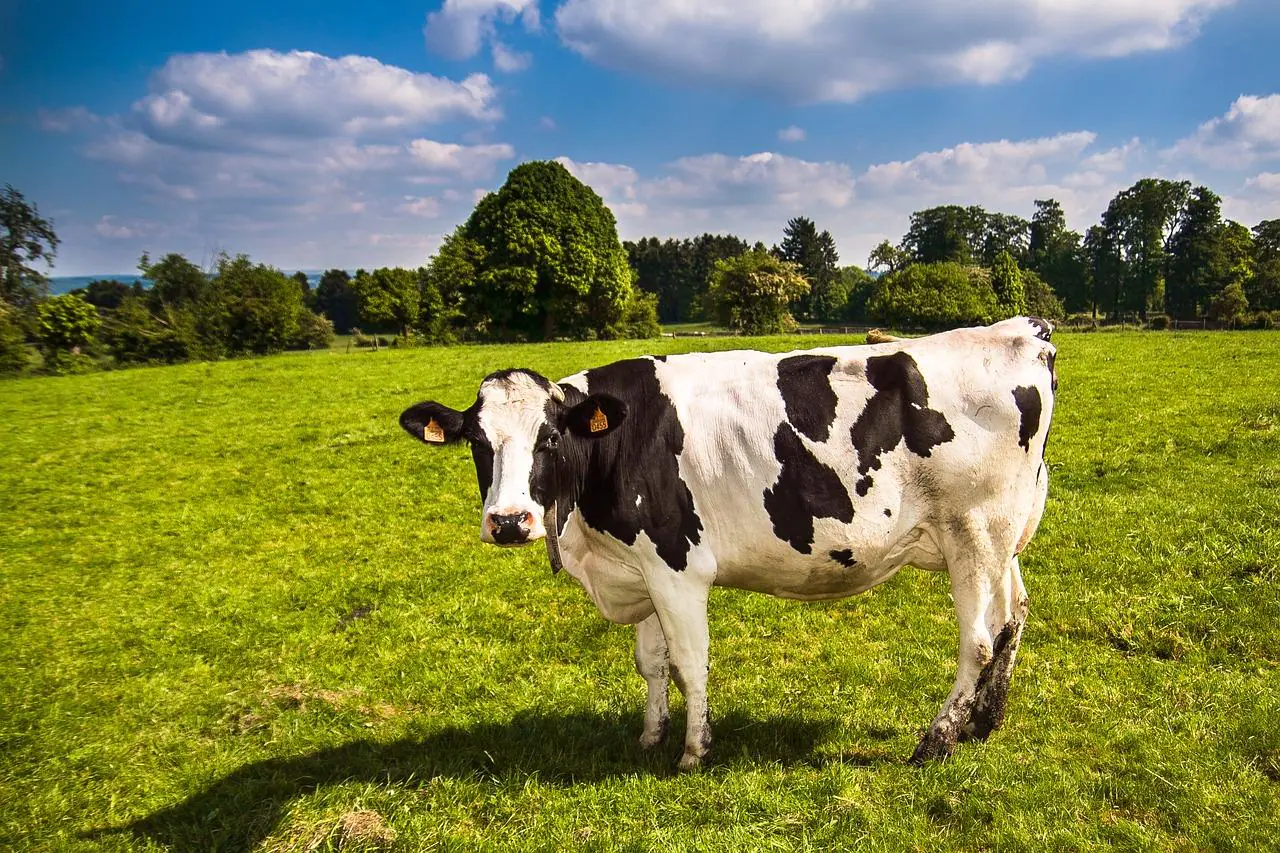

On Last Thursday (22), a Surprising News Shook the Brazilian Beef Market: The Confirmation of a Case of Bovine Spongiform Encephalopathy (BSE), Better Known as “Mad Cow Disease,” in Pará.
The mad cow disease is an atypical disease that arises spontaneously in nature in older cattle, does not pose a risk to herds or humans, but the confirmation of the case generated great concern among Brazilian slaughterhouses and initiated a rush to suspend slaughter in various regions of the country.
To avoid the impact of the disease on the international market, the Ministry of Agriculture communicated the case to the World Organization for Animal Health (WOAH) and sent samples to a reference laboratory located in Alberta, Canada. As a result, exports of Brazilian beef to China were temporarily suspended starting this Thursday (23).
According to analysts consulted by Reuters, industries were already drastically reducing their purchases since Monday when the mad cow disease case began to be investigated. Consequently, the price of fat cattle dropped by about 10%, causing losses for Brazilian ranchers and slaughterhouses.
-
Brazil’s Federal Revenue Auction: iPhone 13 for $95, PlayStation 4 for $80, and Volkswagen Jetta for $2,600 Among 232 Lots Available

-
Tech Giant Oracle Lays Off 21,000 Employees and Invests $70 Billion in Artificial Intelligence

-
Chinese Farmers Develop “Blanket Greenhouses” to Grow Vegetables in Extreme Winter Without Heaters
-
Chilean Giant Acquires St. Marche, Expanding from Discount to Premium Supermarkets in São Paulo’s High-End Retail Market



“We are in a critical moment,” said João Paulo Botelho Ribeiro, CEO of the Brazilian Association of Meat Exporting Industries (Abiec). “We need to stay calm and wait for the results of the tests sent to Alberta.”
Meanwhile, Brazilian health authorities are working to identify the origin of the suspected case and take appropriate measures to prevent the disease from spreading to other states in the country. For now, it is possible to state that the problems caused by the “mad cow disease” outbreak in Brazil have already affected thousands of families directly and indirectly.
The Brazilian Government Decided to Impose a Self-Embargo on Beef Exports to China to Avoid Any Risk of Contamination
As a consequence, the giants of the Brazilian food industry, JBS, Marfrig, and Minerva, have halted their operations. Scheduled slaughters are also being suspended across the country, and the prices of the arroba are stabilizing.
The situation is particularly concerning for the State of Pará, where the “China beef” is quoted at 226 reais per arroba in the spot market and 228 reais on a credit basis – values significantly lower than the 296 reais on a credit basis practiced in São Paulo.
Alcides Torres, director of Scot Consultoria, stated that “slaughters across the country have been suspended since the suspicion of the disease.” He also highlighted that contracts for fat cattle in the futures market dropped nearly 3% on B3.
Fernando Iglesias, an analyst at Safras & Mercado, stated that “a large part of the slaughterhouse industries have not even released prices for the arroba.” Aedson Pereira, an analyst at S&P Global, added that “this concerns not only the ranchers but generates concern within the industry itself about the possibility of not being able to manage the production of beef.”
This crisis represents a significant challenge for the Brazilian livestock sector and requires urgent measures to control and prevent the spread of the disease. The government has already announced it will intensify testing in cattle herds to be able to identify suspected cases early and thus prevent them from spreading throughout the country. Specific precautions need to be implemented to protect national herds and reassure international buyers.


