Portuguese
  Spanish




Giant 3D-Printed School Project in Qatar Highlights Cutting-Edge Technology, Innovative Architecture, and Inspiration from the Desert Dunes, Promising a World Record by the End of 2025.
Qatar commenced in June 2025 the largest 3D construction project on the planet, an initiative that promises to transform the educational landscape and establish the country as a reference in architectural innovation.
The project includes the construction of 14 public schools, two of which will be entirely 3D-printed, marking a historic advancement for global educational architecture.
According to information from UCC Holding, responsible for the work in partnership with the Public Works Authority of Qatar, these two schools will reach unprecedented dimensions, surpassing any previous construction made with this technology.
-
Brazil Sets New LED Bulb Efficiency Standards to Save Energy for 14 Million Homes by 2028

-
Actor Builds Portable Sound Booth in 25 Days with Limited Budget, Sells 55 Units and Earns $3,000 Monthly
-
Brazilian undergraduate builds eco-friendly weed-killing robot, wins $50,000 and starts own startup after beating 95 teams

-
Fervo Energy Adapts Oil Drilling Techniques to Develop Universal Geothermal Energy Solution


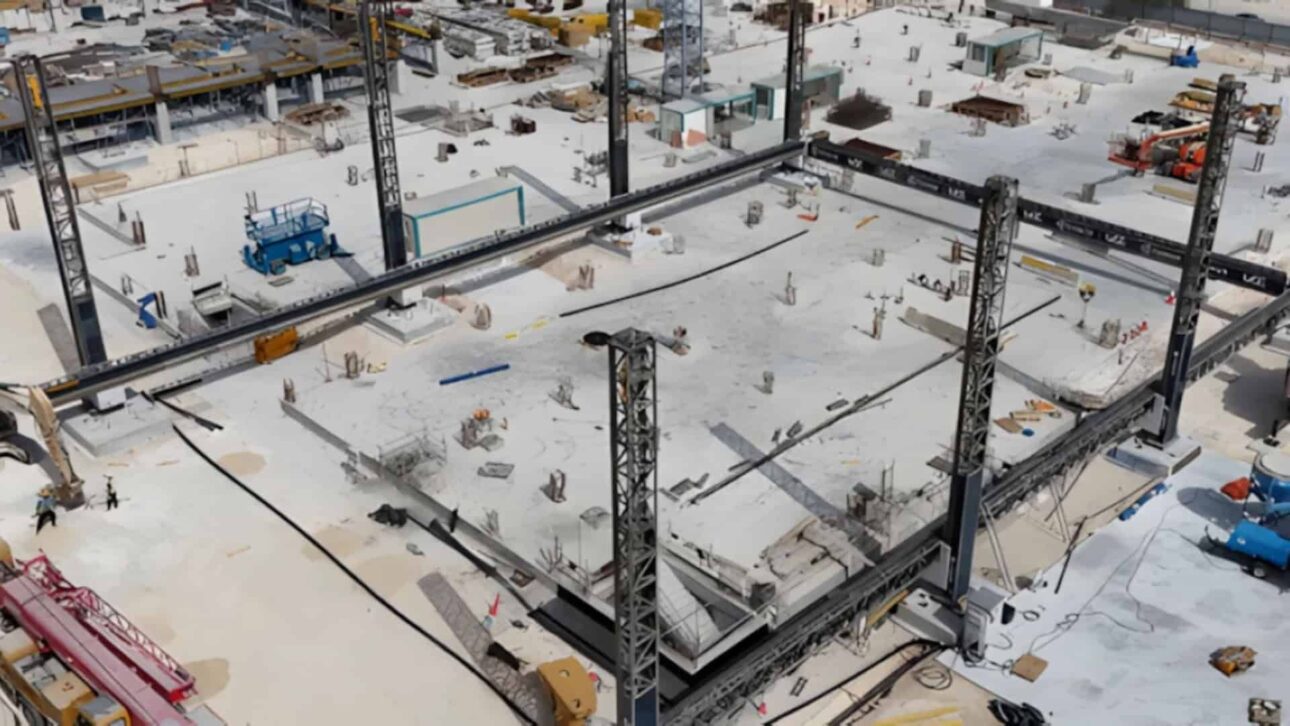
3D-Printed Schools in Qatar Surpass Area Construction Records
According to UCC Holding, the 3D-printed schools will each occupy an area of 20,000 square meters, totaling 40,000 square meters of infrastructure dedicated to education.
This volume is 40 times greater than the previous record for a 3D-printed building, as reported in June 2025.
The buildings will feature two floors distributed on plots of 100 by 100 meters, standing out for their size and innovative proposal.
The expectation is that the construction of the 14 schools, including the two printed ones, will be completed by the end of 2025.
Giant 3D Printers Enable Innovative Project
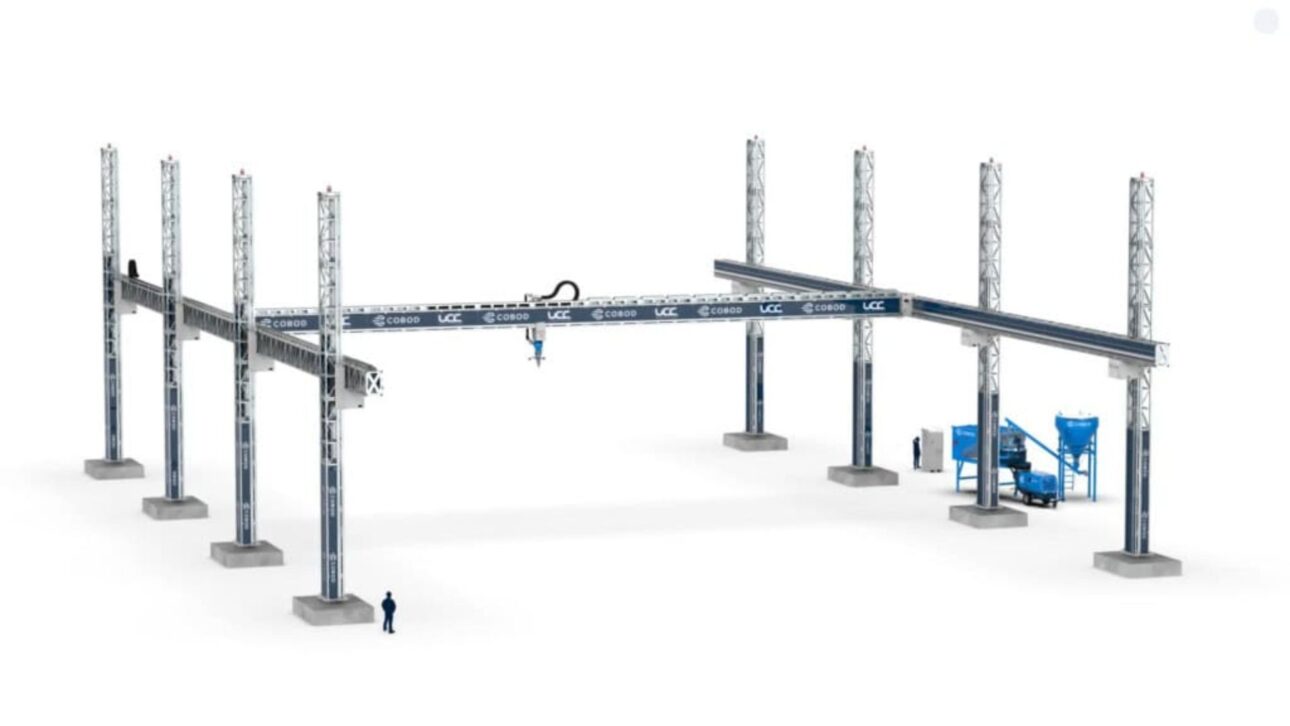
The development of the initiative is taking place in partnership with the Danish company COBOD, a global leader in 3D construction technology.
To make the project feasible, two BODXL industrial printers, customized to operate on a large scale, were ordered: 50 meters long, 30 meters wide, and 15 meters high.
The aim, according to UCC Holding, is to create a unprecedented model of educational infrastructure, designed to meet both current demands and future needs in Qatar and the Gulf region.
Architecture Inspired by the Desert Dunes of Qatar
The architecture of the schools reflects a strong inspiration from the country’s natural landscapes.
The projects were designed based on the formations of desert dunes, a striking symbol of Qatari geography.
Although official images of the plans or perspectives of the buildings do not yet exist, the company revealed that the buildings will feature curved and fluid walls, evoking the appearance of dunes, giving them a unique visual identity and integration with the local environment.
Why Is Qatar Betting on 3D Printing for Education?
The adoption of 3D printing in construction offers advantages that go beyond visual impact.
The technology allows for speed in execution, cost reduction in materials, waste minimization, and flexibility to create innovative architectural shapes.
In this way, 3D printing presents itself as a solution to accelerate access to quality education, expanding the network of schools with modern and sustainable infrastructure.
According to experts from UCC Holding, the decentralization of construction with 3D printing is one of the major differentiators of the technology, although it also makes it more difficult to validate global records.
World Records in 3D Construction
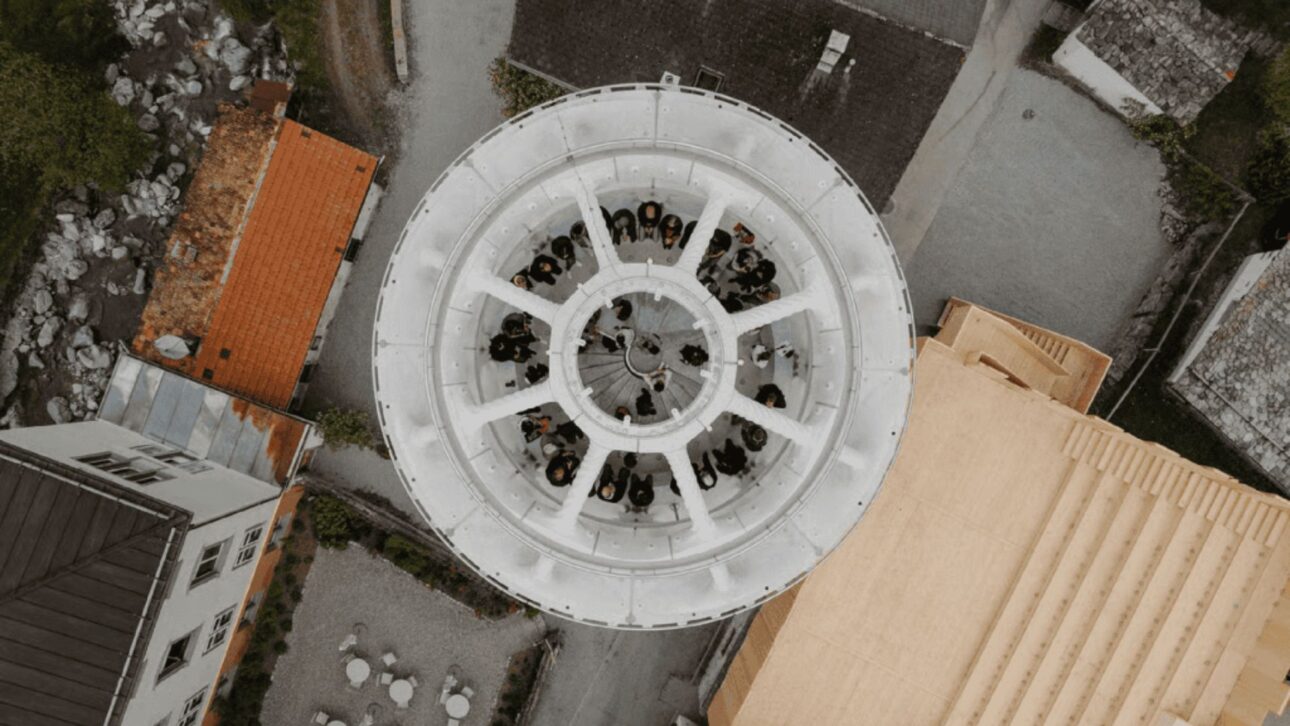
The title for the tallest 3D-printed building until then was held by Tor Alva, a 30-meter tower located in the village of Mulegns in the Swiss Alps.
The work was developed by researchers from ETH Zurich, in collaboration with the cultural foundation Fundaziun Origen, and completed after five months of intensive work.
The Swiss building, consisting of 32 white concrete columns distributed over four floors, serves as a space for cultural events and exhibitions, placing the small village of Mulegns, with only 11 inhabitants, on the map of global architecture.
While the Swiss tower stands out for its height, the schools in Qatar surpass all records in constructed area, establishing a new benchmark for large-scale works made with 3D printing.
The innovations of the Qatari project demonstrate the potential of this technology to transform strategic sectors, such as education, by providing cutting-edge infrastructure for thousands of students.
Challenges and Next Steps of the 3D-Printed School Project in Qatar
Despite the enthusiasm for technological advancements, the project faces challenges related to the complexity of the works, the need for specialized labor, and the integration of the new buildings into the existing urban fabric.
Still in June 2025, UCC Holding reported that another twelve schools in the package will be built using traditional methods, but they should also feature sustainable solutions, digital technologies, and architectural elements inspired by local culture.
In the coming months, additional details about the progress of construction are expected to be announced, including images, interim deadlines, and plans for using the new facilities.
Qatar’s investment in 3D-printed schools is part of a broader strategy to modernize the educational system, attract investments, and solidify its image as a hub of innovation.
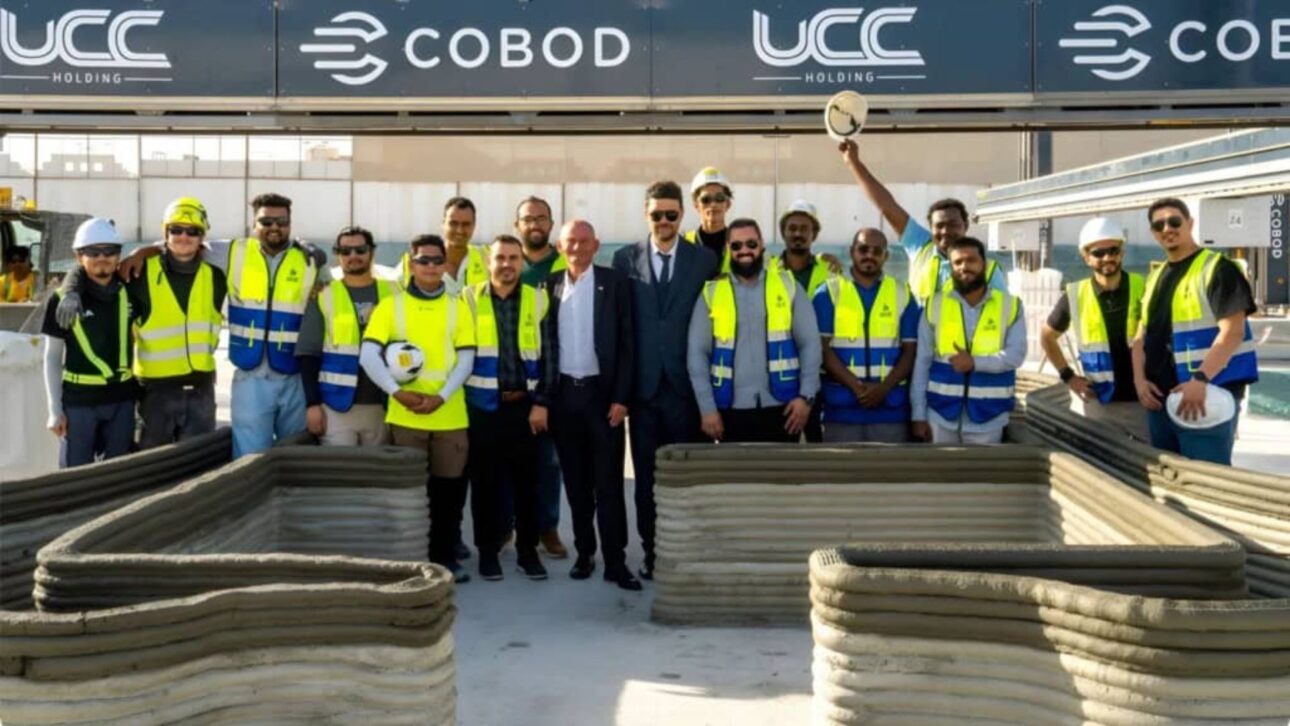
3D Printing and the Future of School Architecture
The expansion of 3D printing use in educational buildings not only revolutionizes engineering but also directly impacts the quality of education by providing more suitable, functional environments integrated into the local reality.
Qatar’s experience may serve as inspiration for other countries seeking agile and sustainable solutions to expand access to education.
Given this innovative scenario and record-breaking achievements, how do you imagine that 3D printing technology will influence school architecture and the student experience in the coming years?