





 Portuguese
  English
  Spanish
 3 min of reading


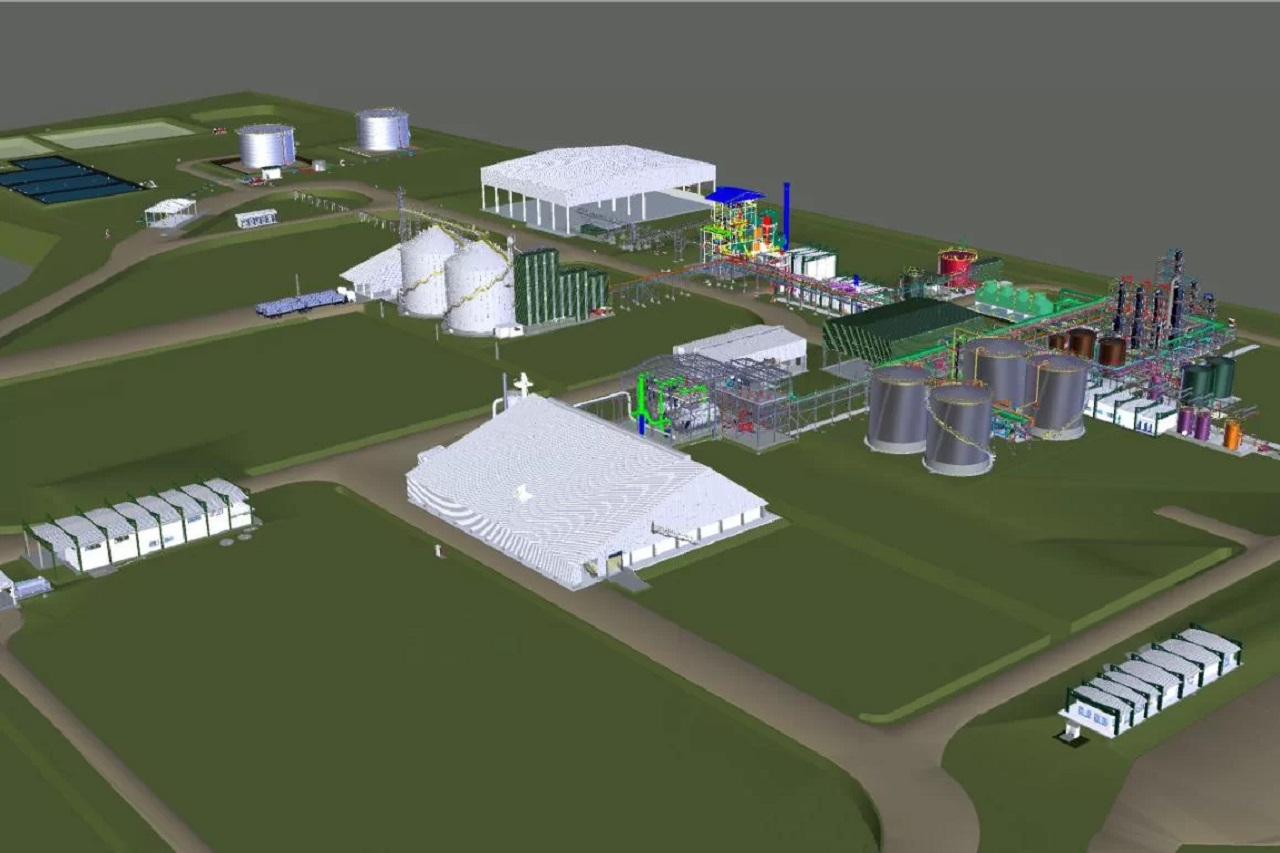
CB Bioenergia Closed A New Agreement With The RS Government To Build An Ethanol Plant With A Capacity To Produce 10 Million Liters Annually.
On Tuesday (23), the State Government of RS signed a letter of intent with CB Bioenergia for the construction of an ethanol plant in the municipality of Santiago (RS), which will have a capacity to produce 10 million liters per year. The document establishes coordinated actions for an investment of R$ 35 million through incentive programs. The signing took place at a ceremony held at the Palácio Piratini, with the presence of Governor Ranolfo Vieira Júnior.
RS Government Is Committed To Policies To Promote Clean Energy Production
Through the Secretary of Economic Development, the state has committed to making the processing of the CB Bioenergia project feasible within the State of Rio Grande do Sul’s Company Operation Fund (Fundopem/RS) and within the Industrial Development Harmonization Program of Rio Grande do Sul (Integrar/RS).
As part of the State’s contribution, and within the scope of Fundopem, the protocol establishes actions by the Secretary of Finance, such as the acceptance of ICMS payment due to the purchase of machinery and equipment from suppliers located in RS, as well as accessories, tools, and spare parts that accompany these goods and are produced in RS.
-
The largest treated water reservoir in Latin America, made with double steel technology, is completed in Curitiba, receives an investment of R$ 40 million, and promises to strengthen the supply for 130,000 residents in five neighborhoods of the capital.

-
Goodbye rent could become a reality for families in Gaspar: the city in SC will build 43 affordable homes in three neighborhoods, invest R$ 5.7 million, and pave the way for those hoping to achieve homeownership with dignity.

-
The largest private airport under construction in Brazil is progressing in Goiás with a 2 km certified runway, support for executive jets, and a promise to be operational in 2028, but the project reveals how agribusiness and luxury aviation are reshaping the country’s interior.
-
Workers opened the ground at a construction site in downtown São Paulo and found tram tracks buried under the concrete, revealing a forgotten city from the time when the capital still relied on rail transport.




According to Governor Ranolfo Vieira Júnior, the state is increasingly focused on policies to promote the production of renewable energy and that the new investment in the ethanol plant will also impact the local economy. According to the governor, CB Bioenergia’s investment will represent more economic and social development for the region where it will be established and for RS as a whole. The ethanol plant and the movement it generates in the production chain mean the creation of new jobs and income.
RS Depends On Ethanol Production From Other Locations
Ranolfo also states that clean energy is an important issue, being a global agenda included in the direction of sustainable development desired for the state. According to the governor, currently, RS depends on ethanol production from other states, and the agreement with CB Bioenergia will be another initiative to expand efforts towards changing this scenario.
The initiative of the ethanol plant is part of the State Policy to Promote the Production of this biofuel, established by law, from which the State Program for the Development of the Ethanol Production Chain was developed, through which CB Bioenergia’s project will also receive benefits. The program aims to incentivize the production chain and expand ethanol generation, especially taking advantage of winter crops as inputs.
RS Should Close the Decade Producing Half of The Ethanol Demand For Domestic Consumption
Currently, the state produces 1% of its internal ethanol demand. According to Joel Maraschin, Secretary of Economic Development, with the actions undertaken, the State has the potential to achieve self-sufficiency.
RS should close this decade producing up to 50% of the demand for internal consumption. Energy is a step forward, and the biofuels sector is gaining more space and stimulating the economy. The document signed with CB Bioenergia corresponds to an investment of R$ 35 million fostered through Fundopem for the development of the ethanol plant.
With the equipment and storage structure for agricultural production, the company’s investment reaches R$ 75 million. Unlike most factories in Brazil, it will not operate based on sugarcane, but rather on wheat, corn, and triticale.






Be the first to react!