Portuguese
  Spanish


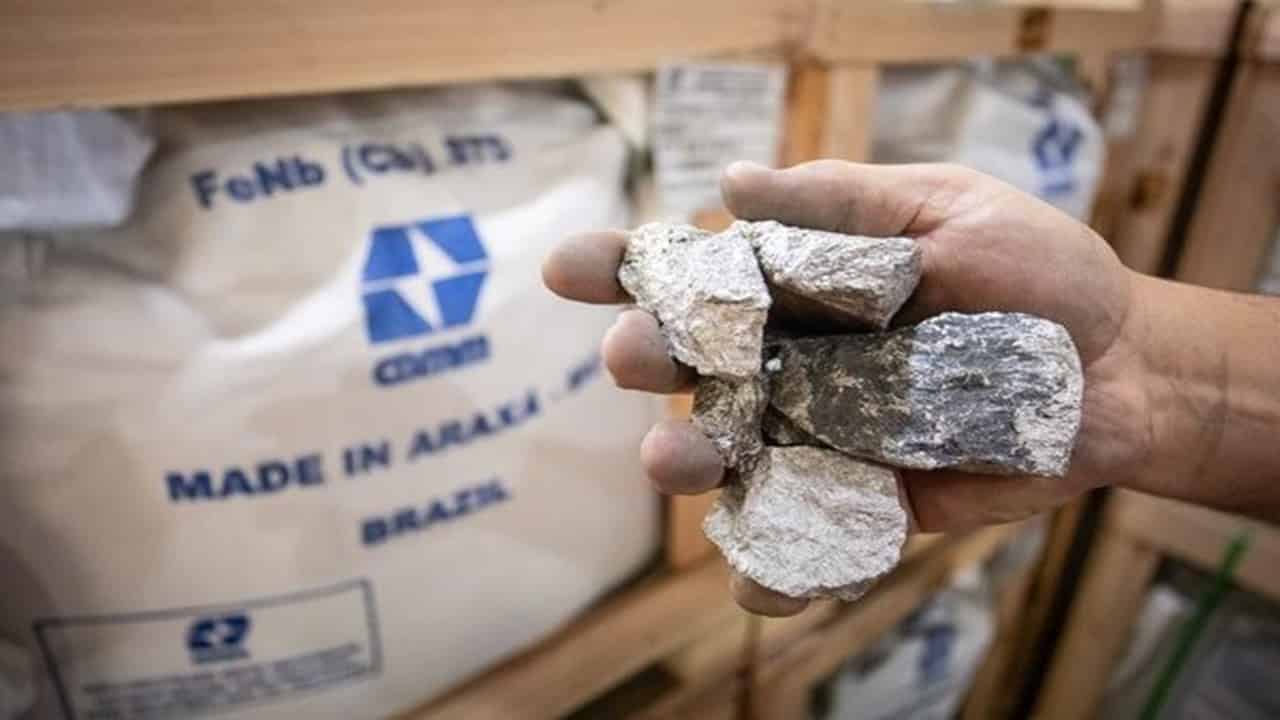

CBMM Will Invest About R$ 500 Million to Expand Its Production Line and Reach 3 Thousand Tons of Niobium Oxide for Batteries in 2024
CBMM, the largest producer of niobium in the world, is targeting the growing demand for electrification and will build a new niobium oxide factory at its unit in Araxá, MG. Expected to be inaugurated in early 2024, the new plant will have the capacity to supply 2 thousand tons of niobium per year! Additionally, the company is developing new technologies with graphene oxides at the unit.
The construction of the new factory came through CBMM’s partnership with Echion Technologies, known for producing niobium technology and having expertise in the battery segment.
The niobium oxide will be applied in the technology of Echion’s XNO, which uses the material in the anode of battery cells, which, according to CBMM, enables ultra-fast charging, provides greater lifespan and also offers more safety.
-
China’s Engineered Bamboo: The “Material of the Future” Stronger Than Steel and a Sustainable Wood Alternative

-
Egypt’s “New Nile”: 170 km Artificial River Aims to Turn Desert into Farmland, but Water Supply Concerns Loom
-
Eni Acquires 25% Stake in Chilean Lithium Project, Plans to Invest Up to $225 Million in Eco-Friendly Extraction Method
-
Unable to secure a mortgage as a self-employed single mother, she designed her own floating home from a 20-meter boat and now lives “off-grid” with her two children and solar panels on an English canal.


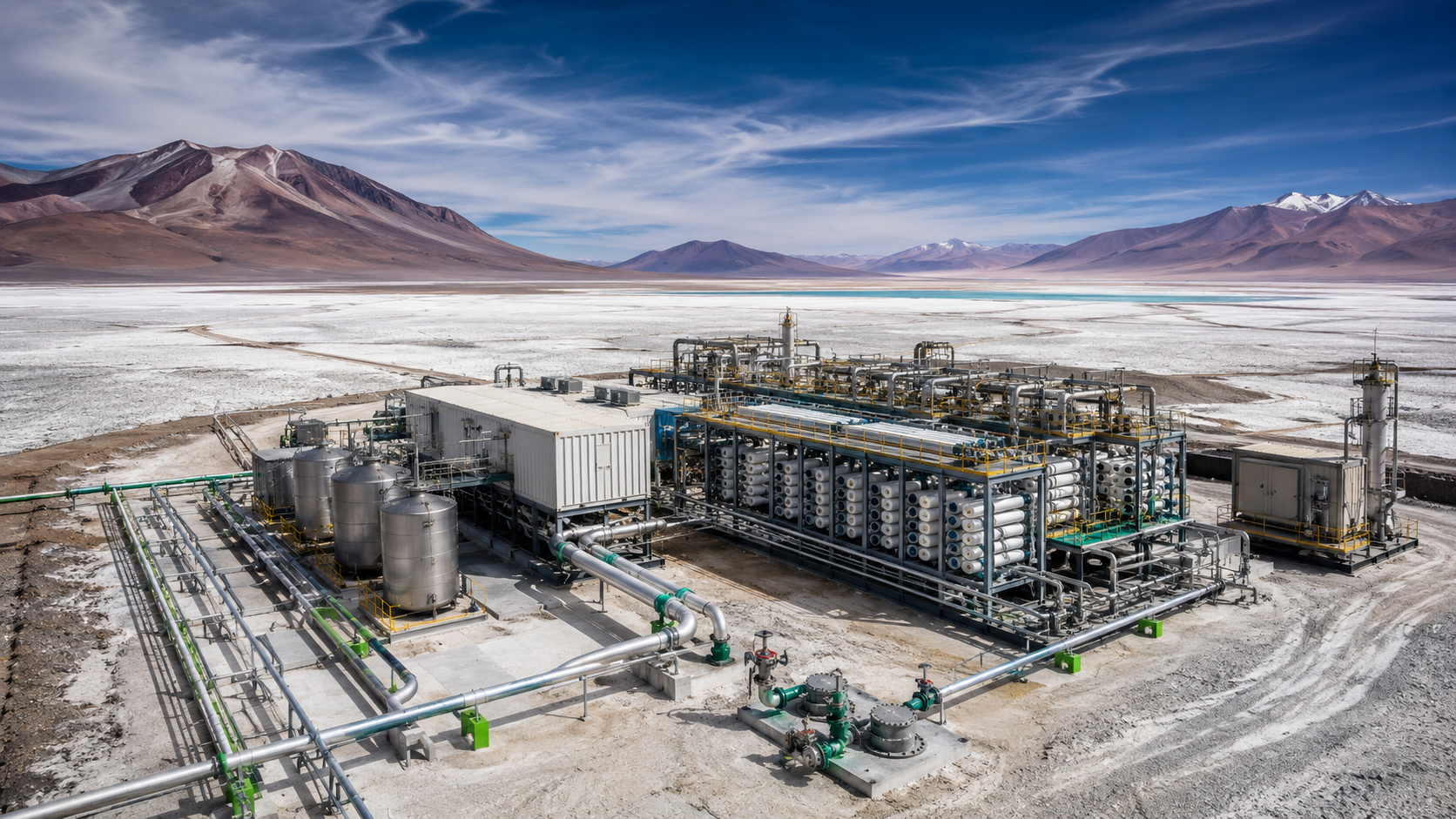

New Niobium Factory Will Supply Material Equivalent to 1GWh of Battery Cell Production!
The production of the new unit will supply material equivalent to 1GWh of battery cell production.
CBMM reported that it will invest about R$ 500 million to expand its production line of niobium oxides, which includes the new factory.
The company, which aims to have 25% of its revenue coming from non-steel products by 2030, will produce a total of 3 thousand tons of niobium oxide for batteries in 2024.
Brazil Holds 1/3 of the Graphite Reserves and Approximately 97% of Niobium, Which Combined with Graphene Will Revolutionize the Fate of Humanity
CBMM has made an investment of R$ 3 billion over the last eight years and continues to expand. Today, about 85 thousand tons of niobium are produced and sold per year and, according to Rodrigo Amado, executive manager of strategy and new business at the company, the investment will lead the company to more than double its production capacity. The goal is to reach up to 185 thousand tons per year by 2030.
In the mobility sector, there are investments in technologies for electric batteries and other advanced materials for the automotive segment, for example. Additionally, the company is developing new technologies with niobium and graphene oxides, elements that have great synergy in applications for this segment.
“But the applications do not stop there. Niobium is also a significant metal for the global energy transition, contributing to the construction of smarter cities, being a fundamental element for alternative energy sources,” he adds.
Brazil Welcomes the First and Largest Graphene Production Factory in South America, Capable of Producing Up to 5000 Kg per Year, Which Along with Niobium Will Revolutionize the Fate of Humanity
The inauguration of the first and largest graphene production factory, in industrial scale in South America, was attended by the President of the Republic, Jair Bolsonaro, the Chief Minister of the Civil House, Luiz Eduardo Ramos, and the Minister of Science, Technology, and Innovations, Marcos Pontes. The unit will have the capacity to produce up to five thousand kilograms of high quality per year.


Graphene is a material recognized worldwide for its incredible physical properties, such as high mechanical strength, lightness, malleability, and high thermal and electrical conductivity. Brazil is the third largest global supplier of graphite mineral, and has the second largest global reserve of this material, which is the main raw material for Graphene. It is estimated that this market will generate more than 3 billion dollars in 5 years.
Among the products that use this raw material are: bulletproof vests, anticorrosive paints, self-cleaning and antibacterial coatings, fabrics, motorcycle helmets, rebar for construction, batteries, among others.