






 Portuguese
  Spanish


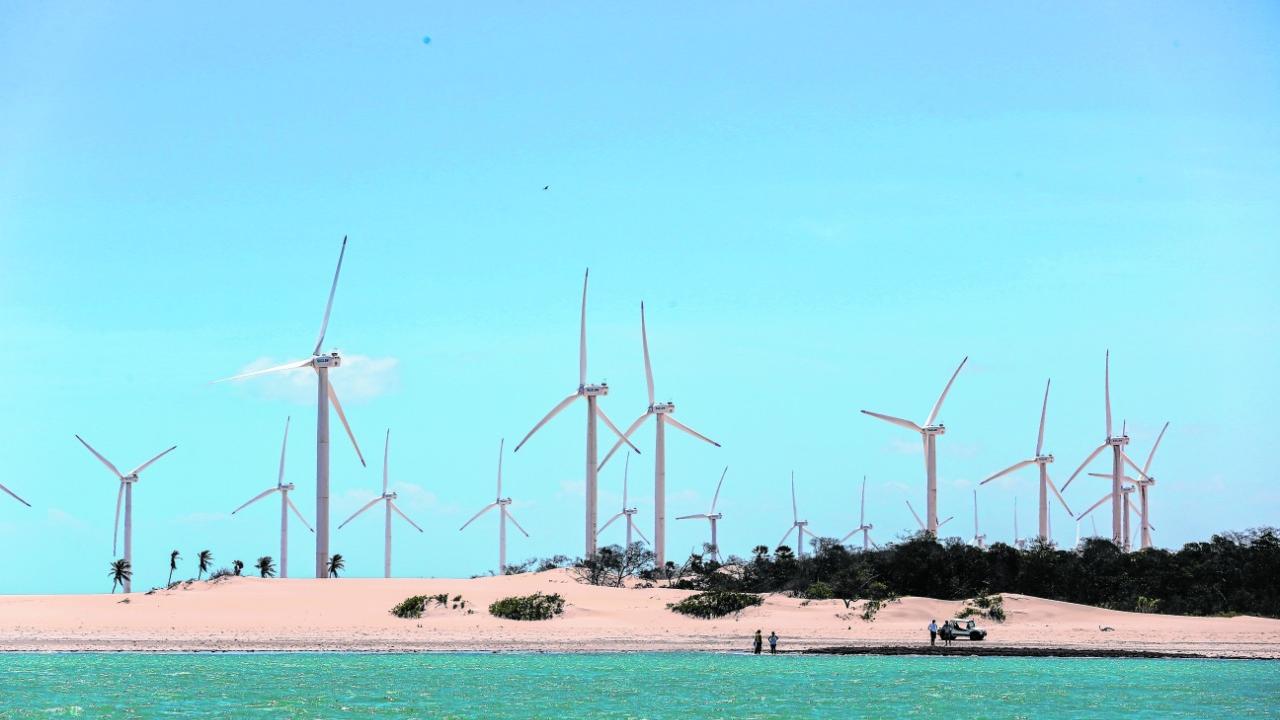

Ceará Currently Has 86 Wind Farms and 2,187.9 MW of Wind Power
Wind power has reached the highest level with wind turbines since October last year and solar, the highest volume since the beginning of the historical series, which started in 2018. New records are expected to be achieved by the end of the year.
Read Also
- Largest Ship to Dock at a Port in Ceará’s History, MSC Shuba B Arrived at Port of Pecém
- Renewable Energy Company Is Hiring Through CEPEM
- Ibama Approves New Offshore Wind Power Generation Project in Ceará with 100 Wind Turbines and 1.2 GW
- Business Group Hiring for Wind Tower Work
With the onset of the strong winds season, Ceará recorded, on last Sunday (30), the highest level of wind generation this year, with 1,236.5 MWmed (average megawatts). It was the highest recorded since October 8, 2019, when the generation was 1,326.5 MW, the highest recorded by the National Electric System Operator (ONS) since January 2010, when the wind generation records began.
Ceará Wind Power Plants
On the other hand, Ceará’s solar plants connected to the National Interconnected System (SIN) generated, on August 24, 73.9 MW, the highest volume in the historical series that started in November 2018. Despite the results still in August, the expectation is that these two sources will achieve new records by the end of the year, whether due to increased wind intensity or higher solar incidence, especially in December.
-
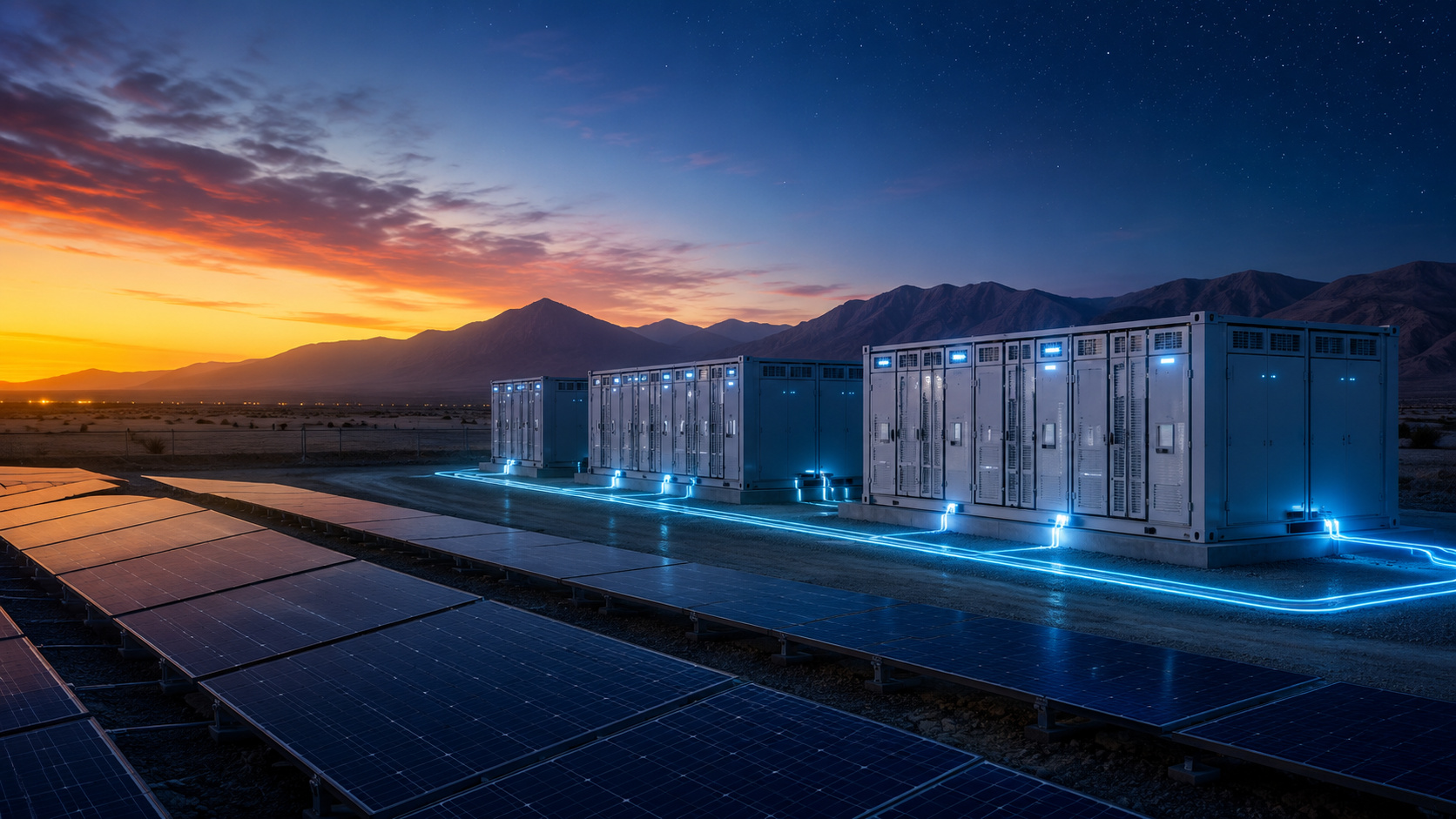
Giant Batteries Take Center Stage in Chile Auction as Company Offers 960 GWh of Solar Energy for Nighttime Use, Aiming to Stabilize Solar Power Supply

-
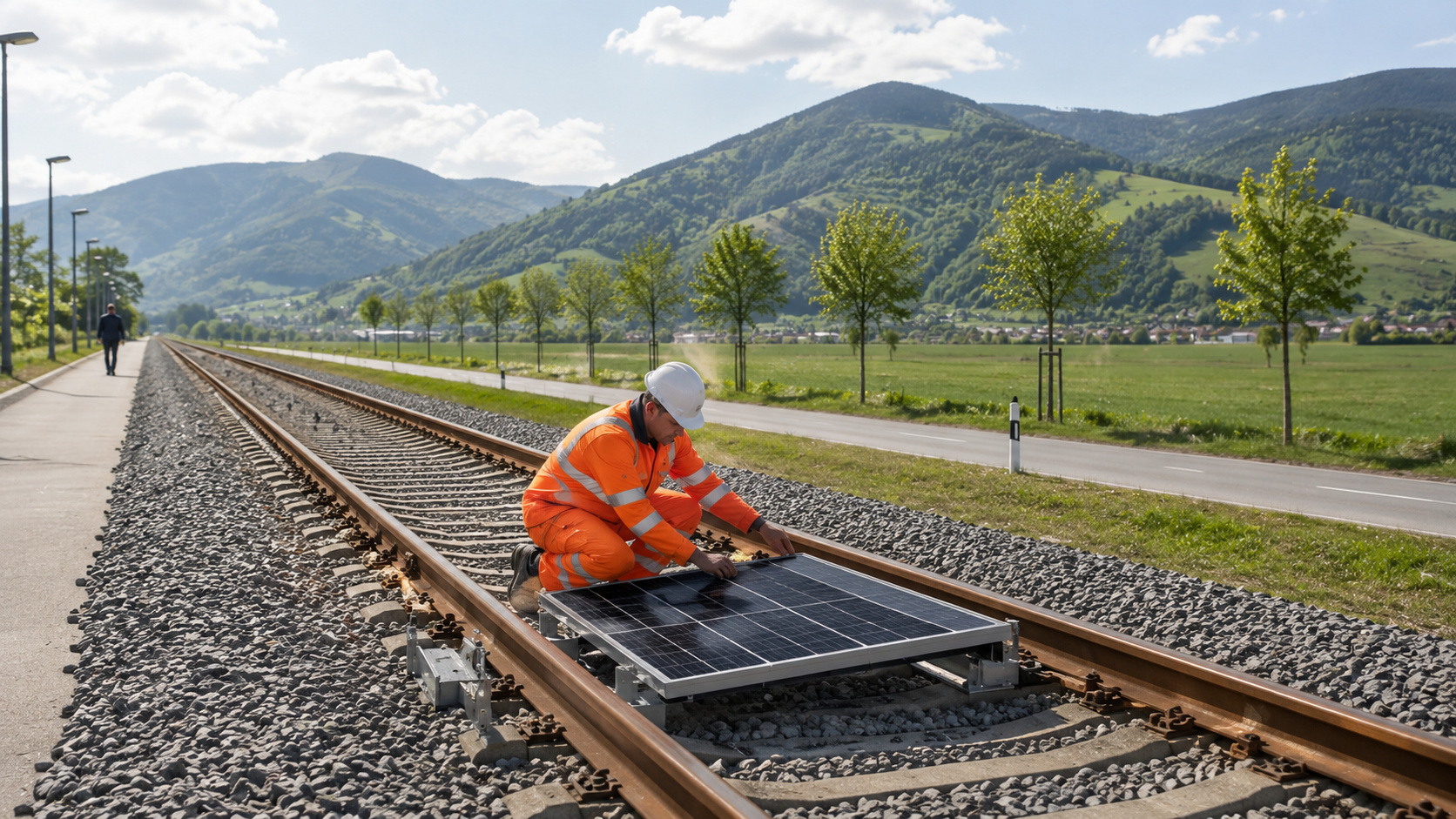
After a Year of Success in Switzerland, Solar Railway Attracts Italy’s Interest for Clean Energy Transformation
-
Robots Clean Solar Panels in Desert Power Plants Without Water, Preventing Energy Losses
-
Brazil’s Offshore Wind Energy Potential Worth $1 Trillion Stalled by Long-Delayed Agreement



“We are in the period we call the ‘harvest of winds’, which lasts until about November. Until then, we can have new records in the Northeast, which has a large part of Brazil’s wind farms, about 80% of them,” says Elbia Gannoum, president of the Brazilian Wind Energy Association (Abeeólica).
“We have to consider the expected curve for the year, which is always of greater generation at this time of year, with the first months of the year being lower,” Gannoum says. “The Northeast as a whole holds a large part of Brazil’s potential, and Ceará stands out, currently being the third state in installed capacity,” she says.
Wind Power Projects Depend on Demand
Unlike other energy matrices, wind and solar do not depend on demand to produce, so even with the drop in energy consumption due to economic slowdown, these matrices will continue to have maximum generation levels. Jurandir Picanço, energy consultant for the Federation of Industries of the State of Ceará (Fiec), states that wind and solar production helps preserve the levels of hydropower plants and the fuel of thermoelectric plants.
“Wind and solar production is done according to what is installed and the incidence of wind and sun. Regardless of demand. That’s why renewables help preserve other sources,” says Picanço. “In addition to being in the best season for winds, we have a larger number of wind farms in operation, so we should have new records by the end of the year.”
Finally, according to data from the National Electric Energy Agency (Aneel), Ceará currently has 86 wind farms in operation, with an installed capacity of 2,187.9 MW. For the coming years, an additional 176.4 MW is expected to be added for 7 projects under construction and 267.6 MW for 10 projects already contracted and with construction yet to start.







