






 Portuguese
  Spanish


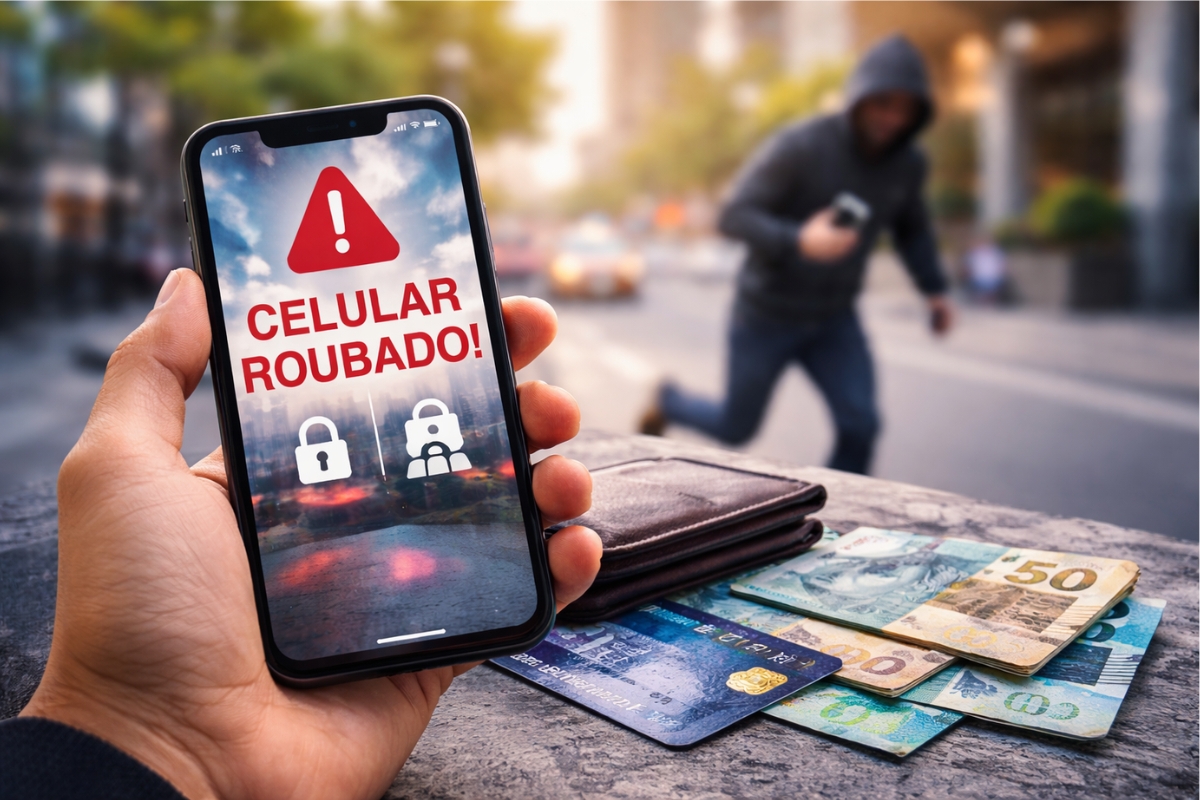


Access to Banking Apps Turns Phone Theft into Immediate Risk for Accounts and Credit
The theft of a mobile phone is no longer just the loss of a device. Today, the phone provides access to banks, cards, investments, and personal data, making the crime an open door to financial losses.
Many victims only realize the problem when unknown transactions appear, unauthorized loans are made, or their bank accounts are blocked. In some cases, the damage occurs within a few hours.
The risk increases when the device lacks adequate protection or when blocking is not done immediately.
-
Bruno Guimarães, 28, Misses Crucial Penalty Against Norway in World Cup After Replacing Vinicius Jr.

-
Inspired by a school lesson on Africa’s water crisis, a young boy raised money through chores to fund a well that transformed a Ugandan community.

-
Brazilian Construction Worker Moves to France, Earns Up to €2,500 Monthly with Home Renovations, Gains Social Media Attention

-
US Navy Sinks USS Oriskany with 230 kg of C-4, Creating World’s Largest Artificial Reef in 37 Minutes





What Happened and Why This Caught Attention
Reports of individuals having their accounts emptied following phone theft have multiplied. Fraudsters use the device to access banking apps, reset passwords, and authorize transactions.
Even when there is a password on the phone, security flaws, open apps, or saved data facilitate unauthorized access.
The issue gained attention because many victims believe that simply blocking the SIM card resolves the situation, which is not enough.
How Phone Theft Becomes Financial Loss
With access to the phone, criminals can enter banking apps, digital wallets, and payment platforms.
From there, they can make transfers, take out loans, and use cards linked to the device.
In some cases, the scam extends to the victim’s contacts, amplifying the scope of the losses.
What Changes Practically for Victims of Theft
The impact goes beyond the loss of the device. The victim may face preventive account blocking, transaction analysis, and delays in recovering funds.
There may also be a temporary credit restriction while the situation is investigated.
The quicker the access blocking is executed, the less financial damage tends to occur.
Urgent Measures That Need to Be Taken
After the theft, it is essential to block the SIM card, the device, and access to banking apps.
Changing passwords for email, social networks, and financial services reduces the risk of further breaches.
Filing a report helps formalize the case and reinforces the contestation of unauthorized transactions.
Points of Attention That Many People Overlook
Many users leave banking apps logged in or save passwords on the device itself, making it easier for criminals to act.
Another common mistake is not activating security features like remote lock and additional authentication.
These details make a difference at the moment of the crime.
What Could Happen from Now On
The trend is for an increase in this type of scam, following the concentration of financial services on mobile devices.
Users who are more vigilant about digital security reduce risks and expedite recovery in case of theft.
The central point is clear: stolen phones can lead to debts and financial blockages, and acting quickly is crucial to avoid greater losses.
Prevention and immediate reaction have become essential parts of financial protection in daily life.





