






 Portuguese
  Spanish
  3 min of reading
  3 comments


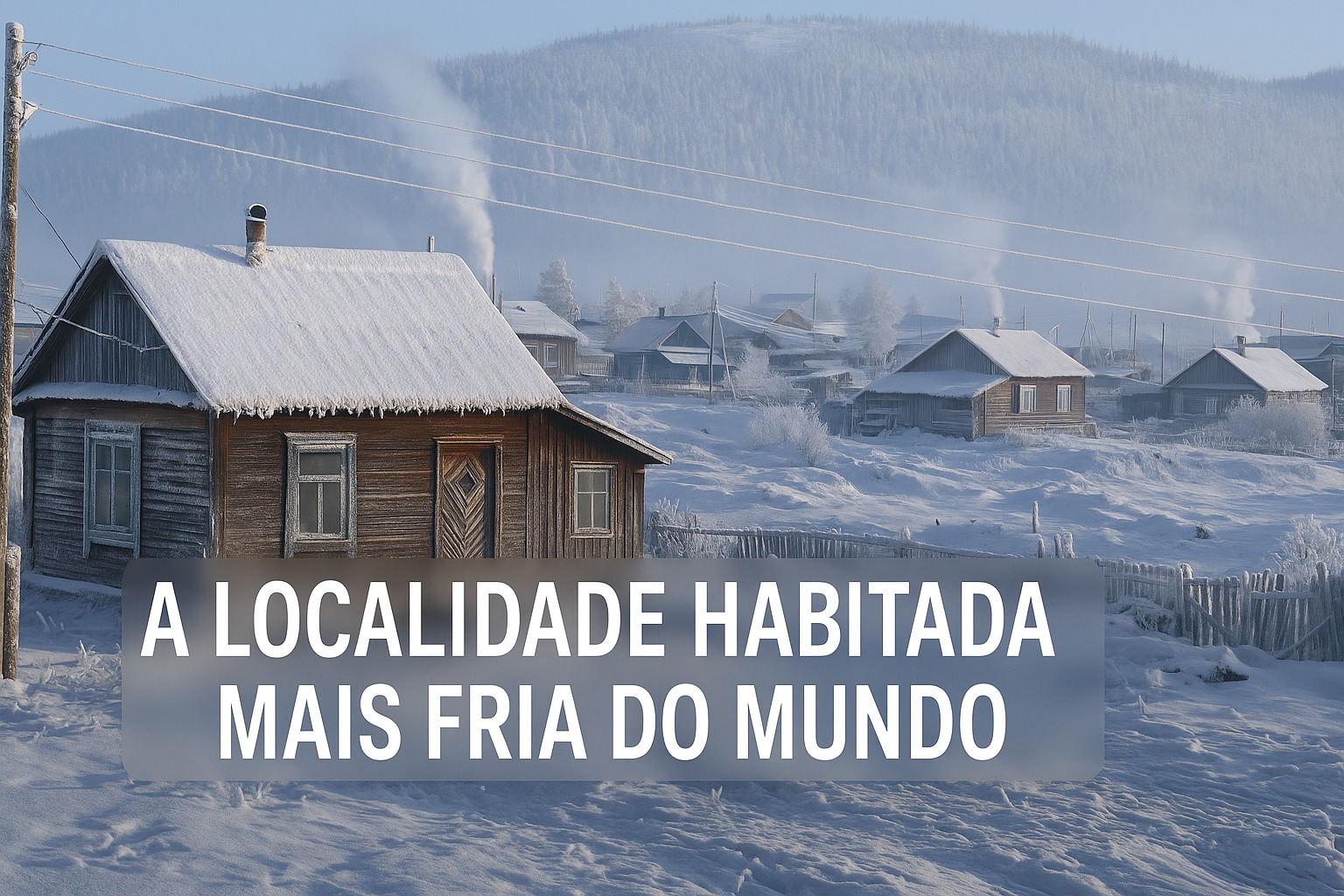


With Temperatures Reaching -71.2°C, Oymyakon in Siberia Is the Coldest Inhabited Village on the Planet — A Place Where Winter Never Ends and Survival Requires Creativity and Daily Resilience
While in many places winter is synonymous with blankets and hot drinks, there is a town where the cold is not a season but a way of life. Oymyakon in Russia is recognized as the coldest city in the world, with records reaching an impressive -70°C during the coldest months.


The Place Where Winter Never Ends
Located in the vast and frozen region of Siberia, Oymyakon is home to just over 500 residents. Winter dominates almost the entire year, and the landscape is marked by permanently frozen ground known as permafrost.
In 1924, the village entered history by recording the lowest temperature ever measured in an inhabited place: an incredible -71.2°C.
-
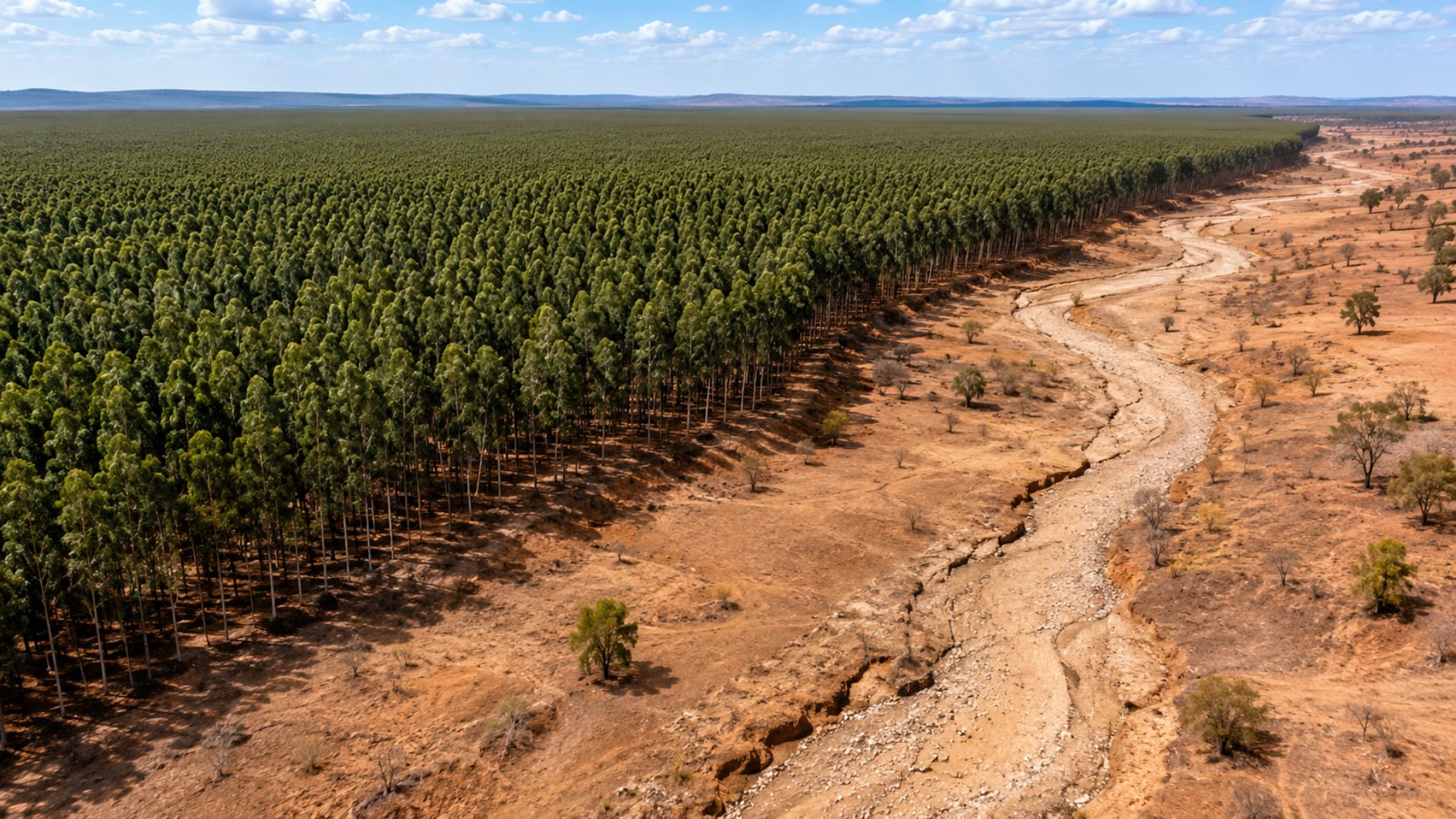
They planted a sea of eucalyptus to produce cellulose, but the monoculture turned into a green desert, dried up springs and rivers, and pushed families out of regions in Minas Gerais and Bahia.

-
Coal mine purchased for $2 million in Wyoming, the Brook Mine holds rare earth elements and critical minerals estimated at up to $37 billion, in an asset that the US is competing for with China.
-
The most common mistake when storing eggs is leaving them in the refrigerator door, where temperature fluctuations crack the shell, remove the cuticle, and cause them to lose freshness, with a risk of contamination.
-
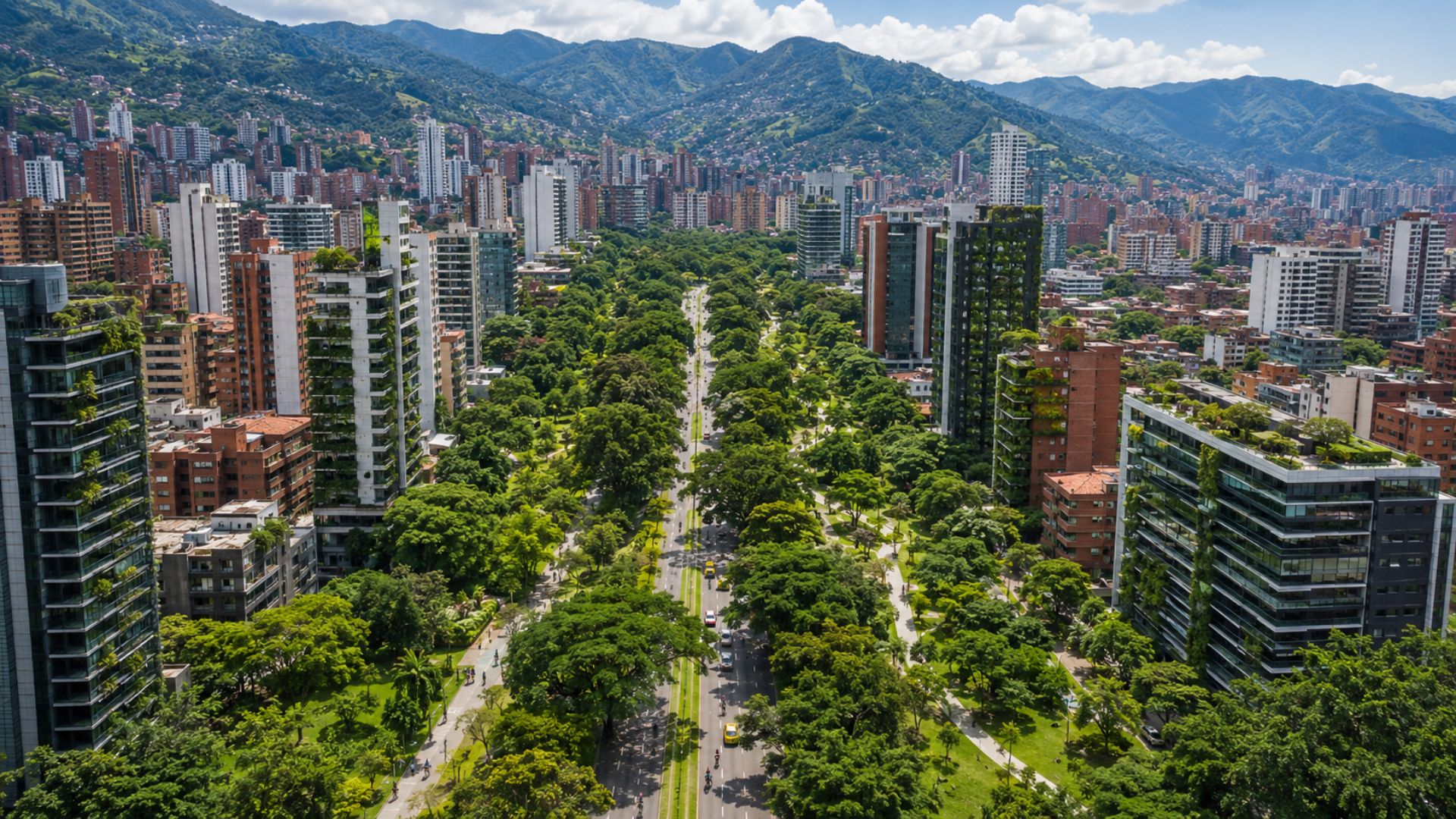
A city has planted 880,000 trees and 2.5 million smaller plants since 2016, reduced the temperature by up to 3°C in some areas, and won an international award for using vegetation to combat urban heat in Colombia.


During this long season, days are short and the sun appears for only a few hours. Life happens slowly, as the cold imposes limits even on the simplest tasks.

Adaptations to Survive the Extreme Cold of the Coldest City in the World
In such a hostile environment, the creativity and resilience of the residents make all the difference. Water and sewage pipes do not work, as they freeze almost instantly.
Therefore, supply systems are improvised. Cars also require special care: they remain running all the time or are kept in heated garages so that the engine doesn’t freeze.
Even writing outdoors is a challenge, as the ink in pens freezes quickly.
There are no regular commercial flights directly to Oymyakon: the village has an old airstrip that is practically inactive, and the most common way to access it is still by road, via the nearest operational airport in the region.

Routine, Food, and Local Culture
The food is simple but packed with energy. Since the soil does not allow for agriculture, meals are based on meat and fish.
Dishes such as reindeer soup, horse meat, and stroganina — raw frozen fish cut into thin strips — are part of the daily menu.
In homes, powerful heaters ensure comfort. Schools only suspend classes when temperatures drop below -55°C.
Therefore, children grow up accustomed to facing the cutting cold on their way to school.

The Festival That Celebrates the Cold in Oymyakon
Even amid such climatic rigidity, the inhabitants of Oymyakon keep their traditions alive. The Cold Pole Festival, for example, attracts tourists from all over the world.
The event offers hot spring baths, cultural performances, and the chance to experience the extreme cold up close.

A Symbol of Human Resilience
Oymyakon is proof that humans can adapt to any environment. There, the cold is not an obstacle but part of the local identity.
Among negative temperatures and frozen landscapes, this small Siberian village shows that even in the most inhospitable places, it is possible to build a home.
With information from Correio Braziliense.



Eu gostaria de conhecer a Cultura presencialmente. Iria na época menos gélida.
Só de ler a reportagem já estou congelado. Parabéns aos moradores desse vilarejo!!
Obrigado