






 Portuguese
  Spanish
  4 min of reading
  0 comments


Eleven African countries launched the Great Green Wall in 2007, an 8,000 km corridor to block the Sahara. Almost 20 years later, reforestation against desertification is hindered by violence and lack of money, and only a fraction of the 100 million hectare goal has been achieved.
The idea is one of the most ambitious the planet has ever seen. Plant a green belt 8,000 kilometers long across Africa, coast to coast, to halt the advance of the Sahara over inhabited lands. This is the heart of the Great Green Wall, launched in 2007 by the African Union and undertaken by eleven countries in the Sahel region, the semi-arid strip just below the world’s largest hot desert.
The problem is that, almost two decades later, the dream is still far from becoming reality. The Great Green Wall should have restored a significant portion of a 100 million hectare goal by 2030, but the 2026 reports show a very delayed project, hindered by wars, coups, and lack of resources. The reforestation against desertification is progressing, but at a much slower pace than necessary to win the race against the desert’s advance.
What is the Great Green Wall, and why it is not a wall of trees
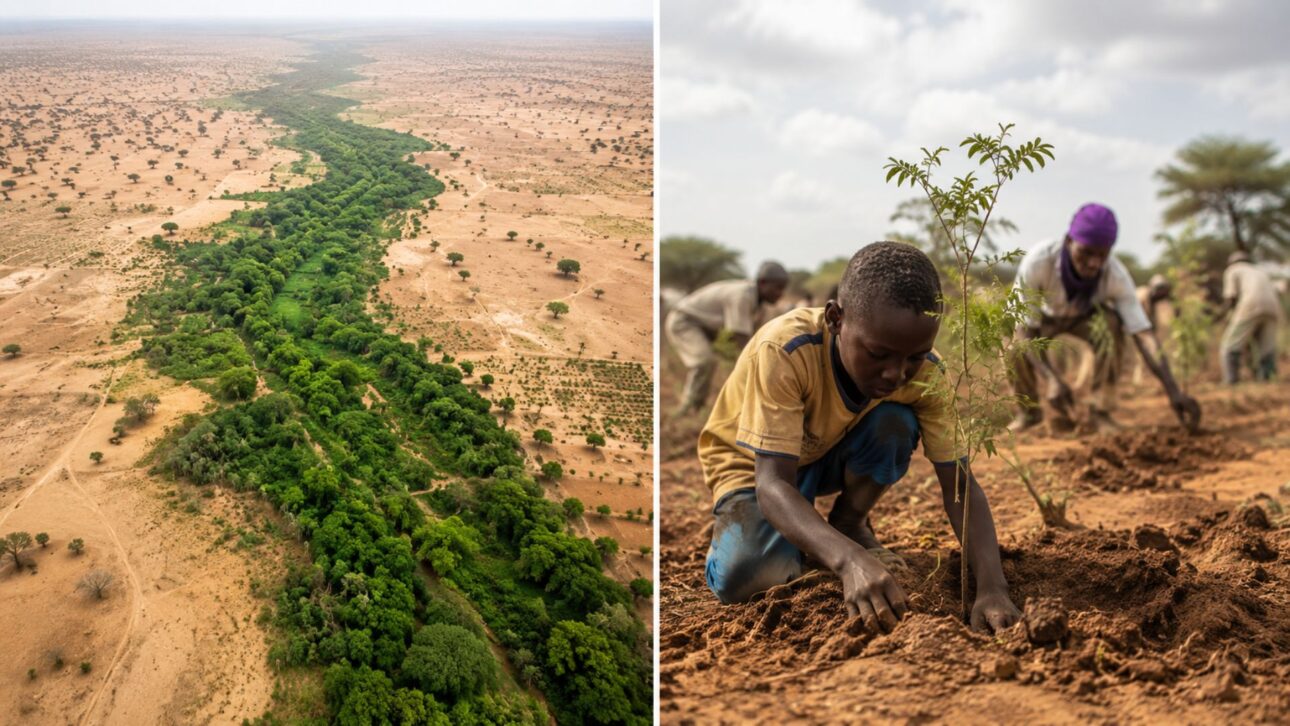
Despite the name, the Great Green Wall is not a continuous wall of trees planted in a straight line. The original idea was this, but it evolved into something smarter: a mosaic of restored lands, about 8,000 kilometers long and up to 15 kilometers wide, weaving together forest restoration, water management, adapted agriculture, and soil protection along the Sahel.
-
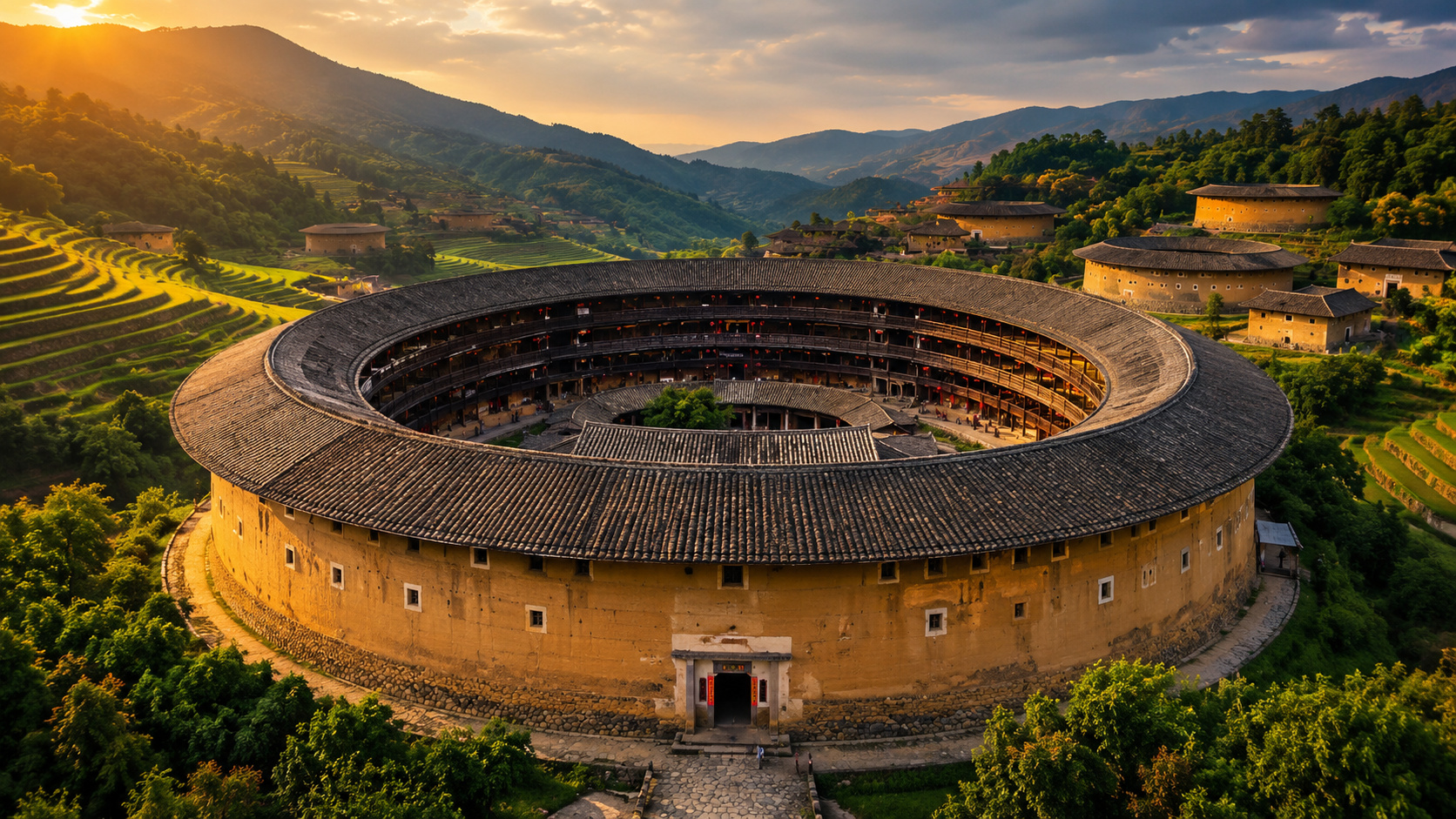
Long before sustainable construction became a trend, China built earthen fortresses with multiple floors, a central courtyard, and the capacity to house up to 800 people living in a community.

-
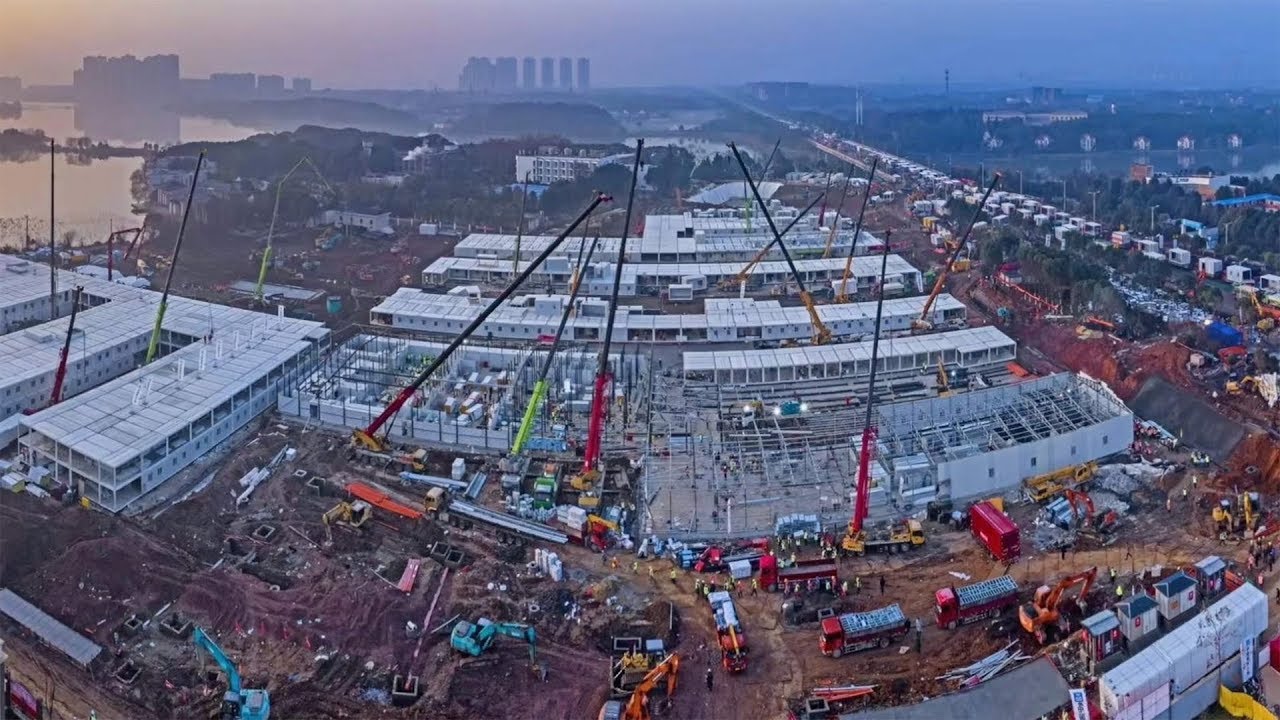
While in the rest of the world building a hospital takes years from design to inauguration, China erected the Huoshenshan Hospital from scratch in just 10 days, with 1,000 beds, foundation, structure, electrical installations, plumbing, and oxygen system ready to receive patients, mobilizing 7,000 workers.

-
Without mortar, grout, or traditional construction: the ClickBrick system assembles brick facades with ceramic pieces held by metal clips, eliminating the need for glue, speeding up installation, and even allowing everything to be dismantled later without turning the construction into expensive permanent debris.
-
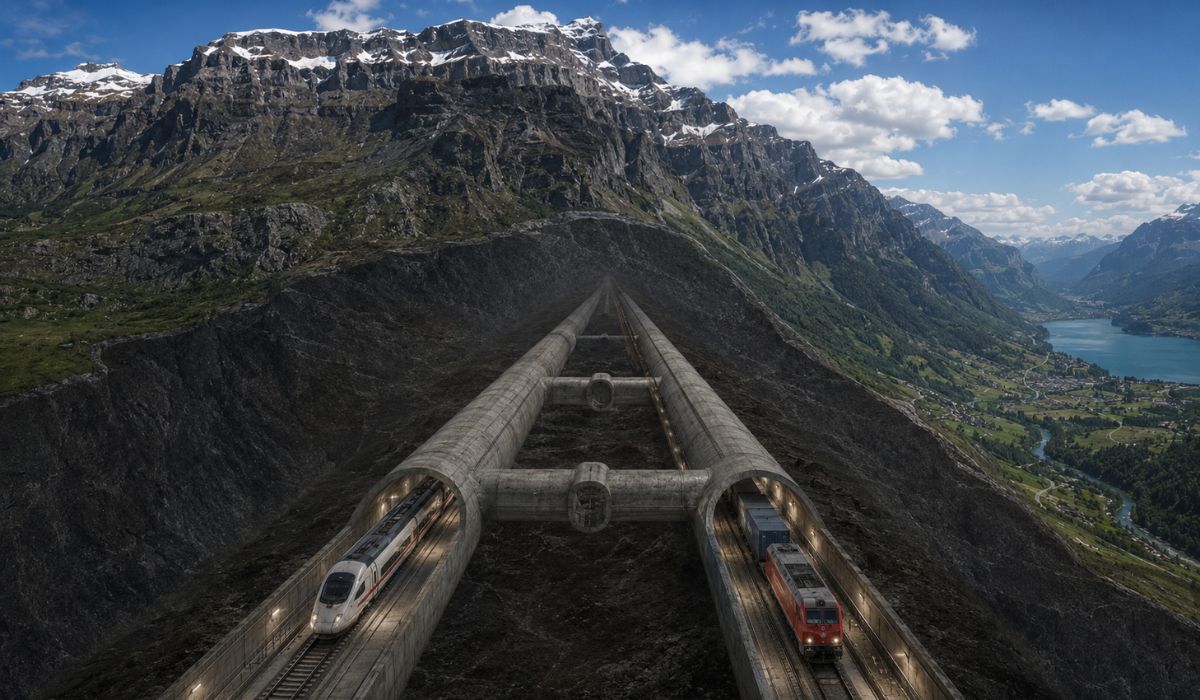
Switzerland took 17 years to tear through the Alps and build the world’s largest railway tunnel, a 57.1 km passage under 2,300 meters of rock, with 50 °C heat and 28.2 million tons excavated to connect the north to the south of Europe.


Instead of just planting seedlings in the ground, the project combines reforestation with recovery techniques that bring life back to degraded land. The goal is to transform a region plagued by desertification into a corridor of food, water, and work for local populations. Eleven countries set the tone for the initiative, including Senegal, Mauritania, Mali, Burkina Faso, Niger, Nigeria, Chad, Sudan, Eritrea, Ethiopia, and Djibouti, with several other international partners joining efforts against the Sahara.
The giant goals for 2030
The planned numbers are impressive. By 2030, the Great Green Wall aims to restore 100 million hectares of degraded land, capture 250 million tons of carbon from the atmosphere, and create 10 million green jobs for those living in the Sahel. It would be quite a turnaround in one of the poorest and most unstable regions on the planet.
To fund all this, robust financial promises have been made. In 2021, international partners announced around 19 billion euros in commitments to accelerate the work, and estimates indicate that the total cost to complete the reforestation and recovery reaches hundreds of billions of dollars. The financial ambition matches the size of the challenge to halt the Sahara and reverse desertification on a continental scale.
The turnaround: why the project is so delayed
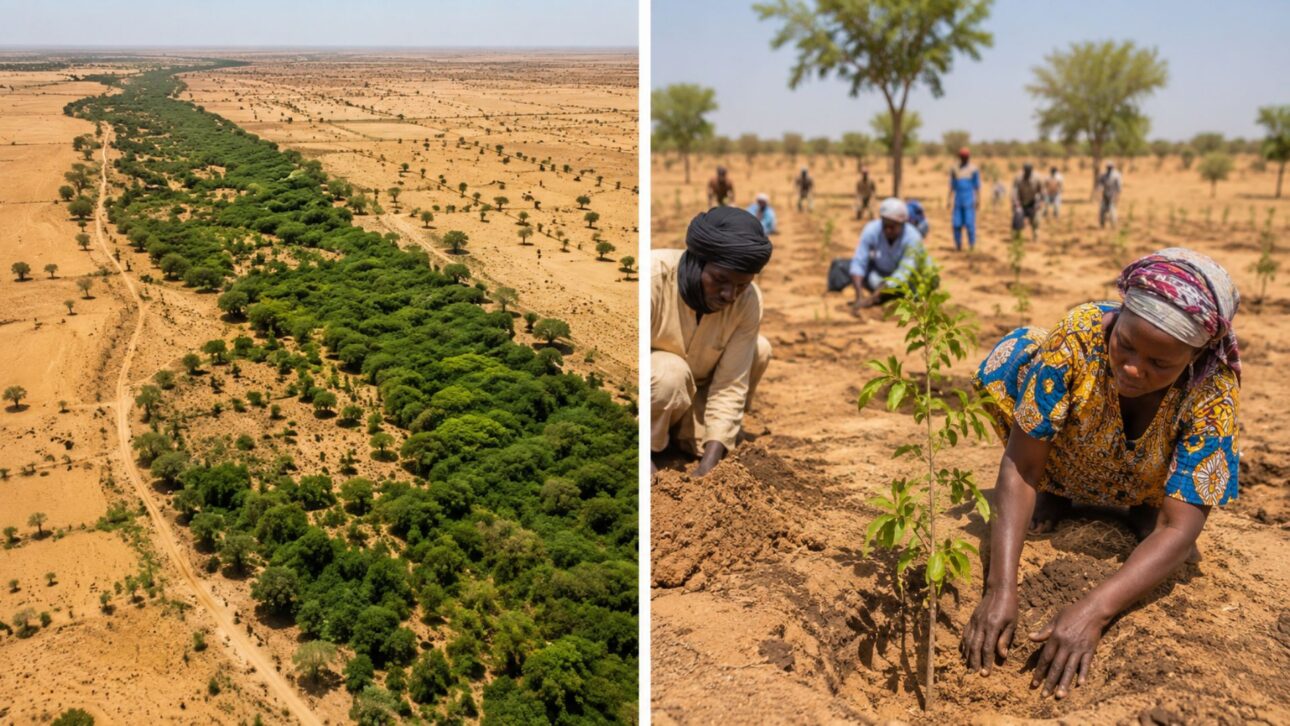
Here lies the side that few people talk about. Despite all the publicity, the Great Green Wall has delivered only a part of what was promised. The reports vary depending on the methodology, but indicate something between 18 and 30 million hectares recovered, well below the planned 100 million. The jobs created also fell far short: about 350,000, compared to the target of 10 million.
The explanation lies in the difficult ground of the Sahel. The region has become a stage for coups, armed groups, population displacement, and chronic insecurity, making it almost impossible to plant and care for trees in peace. Add to this the irregular arrival of promised money and uneven monitoring among countries, and it becomes clear why reforestation against desertification has not been able to keep up with the advance of the Sahara as expected. The wall exists, but it stumbles in reality.
Why this matters far beyond Africa
It may seem like a distant problem, but it is not. The desertification that the Great Green Wall tries to halt is linked to hunger, poverty, and the forced migration of millions of people who lose their lands and leave in search of survival. When the soil dies in the Sahel, the pressure spreads to cities and borders, in a domino effect that the whole world ends up feeling.
There is also the climate dimension. Recovering lands and conducting large-scale reforestation helps capture carbon and stabilize the climate of a region that influences rainfall and temperatures far beyond the African continent. Therefore, even delayed, the fight against the Sahara remains one of the greatest tests of environmental cooperation on the planet, with lessons that apply to any country facing degraded soil, including those far from Africa.
The Great Green Wall is, at the same time, one of the most beautiful ideas and one of the greatest environmental challenges of this century. Halting the Sahara with reforestation and land recovery would be a historic victory against desertification, but the setbacks in the Sahel show that good intentions alone do not hold back the desert.
And you, do you think the project will manage to turn the tide by 2030, or was the goal of 100 million hectares too ambitious from the start? Leave your opinion in the comments.
CITED SOURCES
- O Antagonista — original article
- Wikipedia — Great Green Wall (extension, countries, history)
- Terra Brasil Notícias — megaproject that brings together ~20 countries (scale and funding)
- African Development Bank — the Great Green Wall (goals, 19 billion euros)
- TecnoGames Brasil — progress and percentage of the goal (recent progress)




Be the first to react!