Portuguese
  Spanish


Drilling the ocean floor in search of answers about the planet, an international team of scientists has confirmed for the first time, in detail, the existence of gigantic freshwater reservoirs hidden beneath the salty seabed, near various coasts around the world, reserves that could one day become a source of drinking water for drought-stricken regions.
It seems contradictory, but it’s real: there is freshwater beneath the sea. Scientists have long suspected pockets of potable water trapped in layers of rock and sediment under the ocean, but lacked firm proof. Now, a campaign of scientific drilling on the seabed has brought the first detailed evidence of these hidden aquifers, changing what was known about the planet’s water.
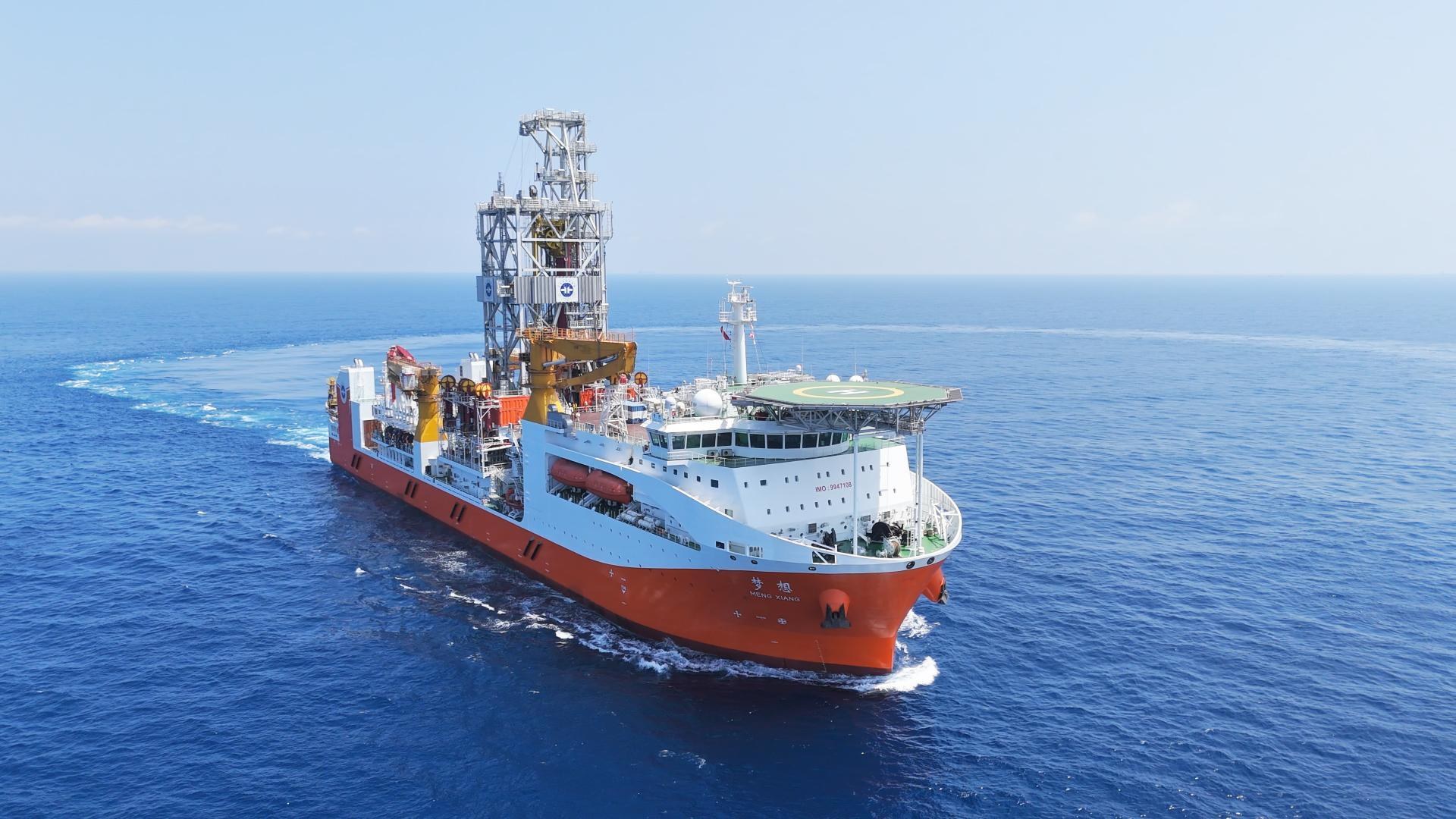
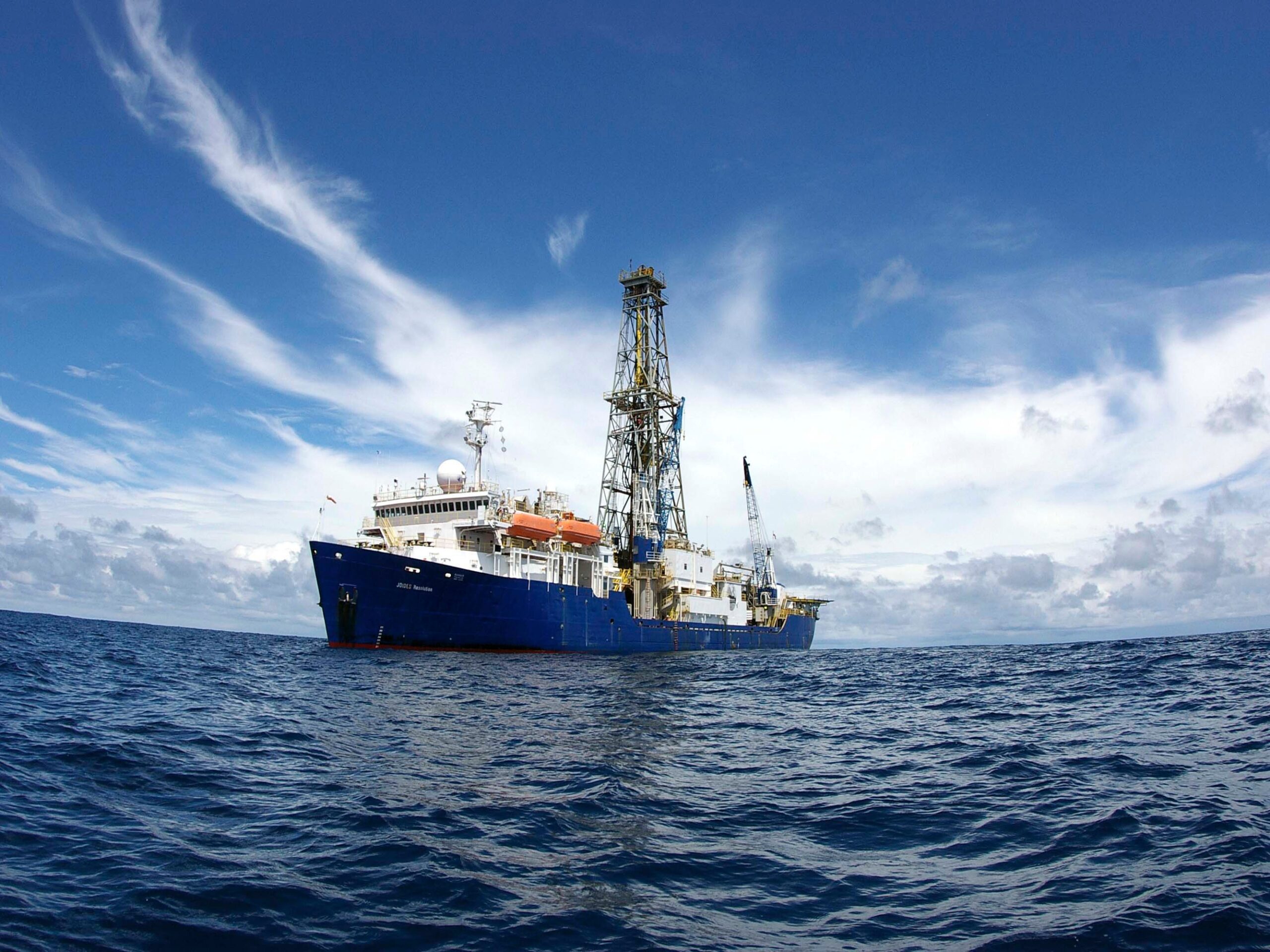
The discovery did not come from an oil rig, but from ships and equipment dedicated to science, which drill the ocean floor to understand the Earth’s history and structure. By drilling, researchers found water with very low salinity where only seawater was expected, confirming the so-called submarine aquifers.
How freshwater ended up under the sea
The explanation lies in climate history. During the ice ages, when much of the planet’s water was trapped in glaciers, sea levels were much lower, and regions now submerged were dry land. Rain infiltrated this soil and formed layers of freshwater. When the ice melted and the sea rose, this water was trapped below, sealed by layers of clay that prevented mixing with the salty ocean.
-
3,000-Ton, 81-Meter Attack Submarine Begins Sea Trials, Equipped with Heavy Torpedoes and Anti-Ship Missiles

-
Boat Made from 10 Tons of Plastic and 30,000 Discarded Flip-Flops Sails Along African Coast, Serving as a Floating Classroom on Ocean Pollution
-
Welder Discovers 16th-Century Diamond Ring in England After 7 Hours with Metal Detector; Gold Jewel Linked to Edward I Pattern Auctioned for £17,000
-
Former Merchant Marine Captain Invents Fuel-Free Barrier, Removes 20,000 Tons of Trash from Chennai Rivers



These are, therefore, reserves formed over thousands of years, true hydric time capsules stored beneath the seabed. Scientists estimate that the total volume of these waters spread across the world’s continental shelves is gigantic, possibly comparable to large lakes or more.
Mapping where they are and how pure they are is precisely the goal of the scientific drilling that made the discovery.
The promise, and the precautions
The most exciting possibility is to turn these aquifers into a source of drinking water. Coastal regions suffering from scarcity, from the Middle East to the coasts of various countries, could one day pump freshwater from the seabed, a potentially cheaper alternative than desalinating saltwater, a costly and energy-consuming process.
But caution is needed. These reserves do not renew: the water there has been trapped for millennia and, once pumped, does not return. Using it would be like mining water, depleting a finite resource. Moreover, it is still unclear how to exploit it without contaminating the aquifer with the surrounding saltwater, nor the actual cost of extracting water from so many meters below the sea.
Therefore, more than an immediate solution, the discovery is a resource map for the future. Knowing that these reserves exist and where they are is already an asset for a world facing increasingly severe water crises with advancing climate change and population growth.
A resource for a thirsty world
The discovery comes at a critical moment. Water scarcity already affects billions of people and is expected to worsen with climate change, which makes droughts longer and more intense. Large cities around the world have been facing water crises, and the search for new sources has become a matter of survival, not comfort.
In this scenario, the submarine aquifers gain strategic weight. Even though exploration is still distant and surrounded by doubts, knowing that there is freshwater hidden under the sea near dry regions changes the map of possibilities. It could become a trump card for the future, alongside desalination and reuse, in an effort to ensure that no one is left without the most basic resource of all.
Why drilling the ocean is worth it
Scientific drilling of the seabed is one of the most powerful tools humanity has to understand the planet. By drilling the ocean floor, scientists confirmed plate tectonics, reconstructed ancient climates, and now found hidden rivers of freshwater. Each drill is like a probe into Earth’s geological time.
Unlike drilling that seeks oil or depth records, this is driven by curiosity and knowledge, even though the findings, like the aquifers, may have enormous practical value later. It is science opening doors that industry may walk through in the future.
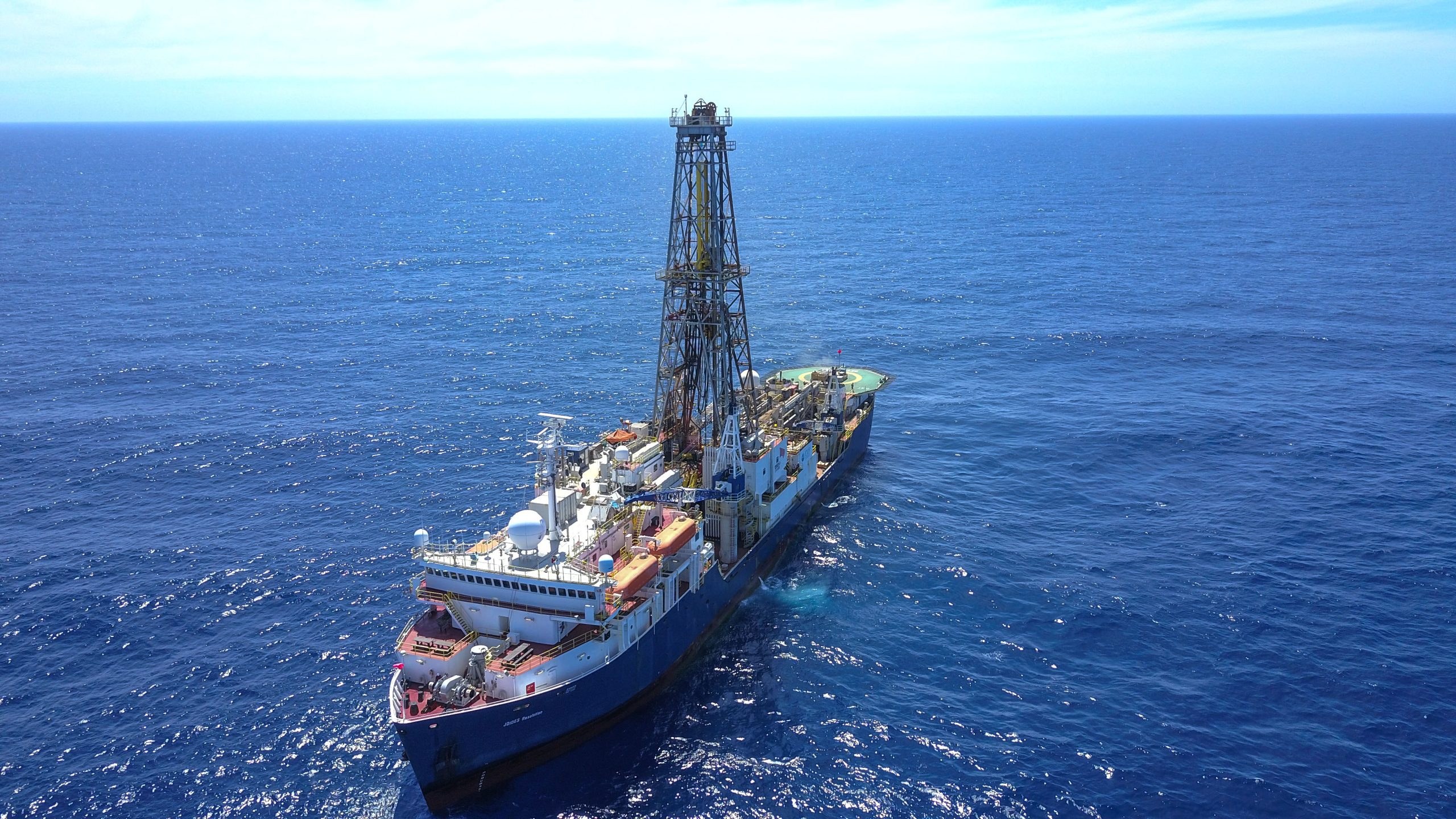
For a country like Brazil, with an immense coast and a gigantic continental shelf, the news sparks legitimate curiosity: could there be such reserves hidden under our sea as well? Answering this would depend on dedicated drilling campaigns, but the mere possibility is fascinating.
It’s worth the usual caution with such discoveries: between confirming that the water exists and being able to pump it in a viable and safe way is a huge distance, which may take decades to overcome, if ever. Science has taken the first step, showing that the resource is there; turning it into tap water is an engineering and cost challenge yet to be resolved.
For now, there is the image that turns the logic of scarcity upside down: at the bottom of the salty sea, hidden beneath layers of rock and time, awaits a freshwater reserve that no one imagined could exist there.
Does it make sense to pump freshwater that took millennia to form and will never renew?