






 Portuguese
  Spanish
  3 min of reading
  0 comments


The Automotive Giant General Motors (GM) Surprised The Market By Announcing That Chevrolet Will Not Be Able To Reach The Goal Of Producing One Million Electric Cars By The End Of 2025.
This drastic change in plans was confirmed by GM’s CEO Mary Barra, who attributed the decision to a decline in consumer interest in electric vehicles, especially in the United States.
The revelation sparked debates about the future of the automotive industry and the role of governments in policies promoting sustainable vehicles.
GM, known for its commitment to innovation, had set an ambitious goal of quickly transitioning from combustion cars to electric ones.
-
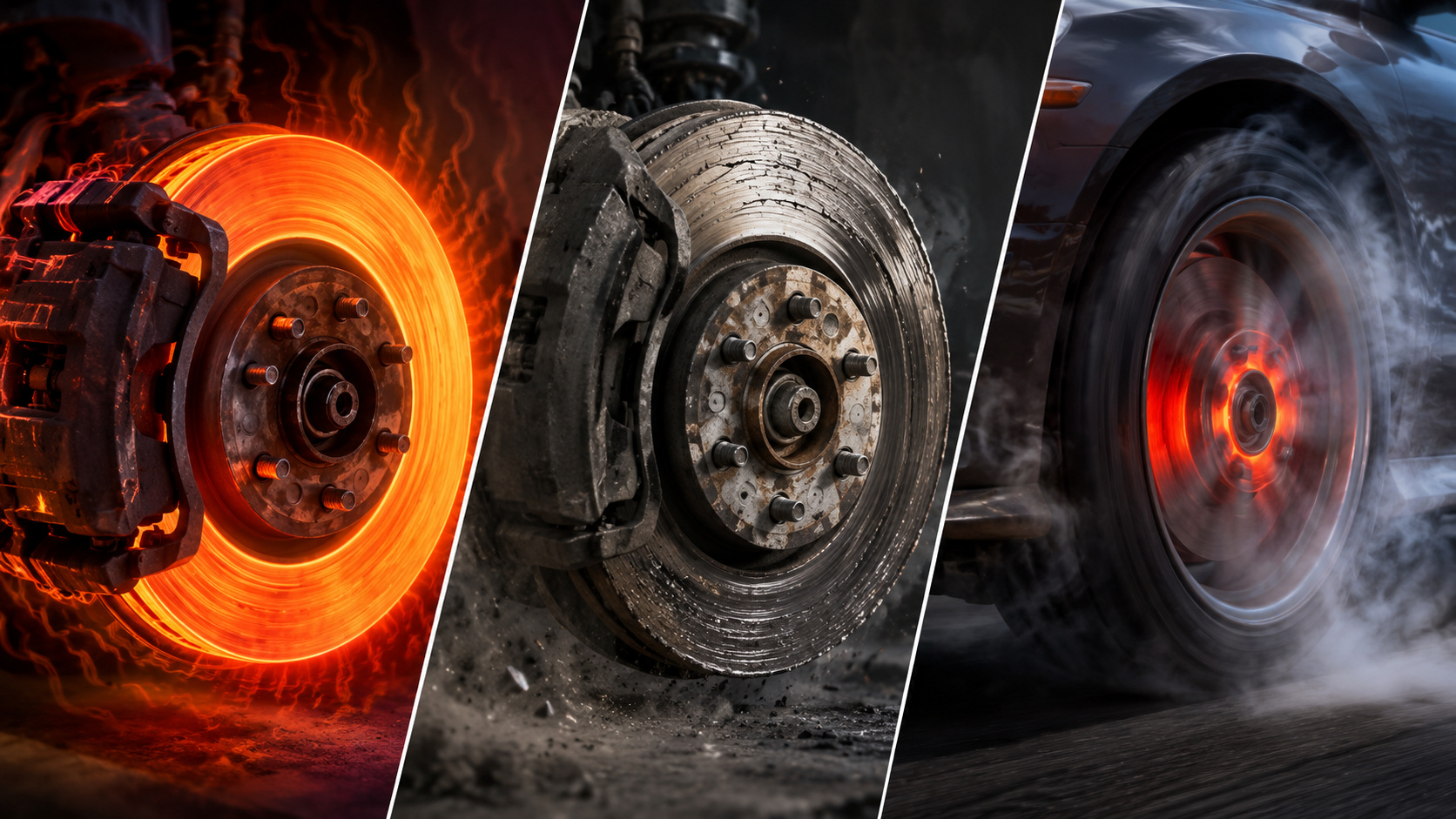
Keeping your foot lightly on the brake pedal while driving may seem harmless, but mechanics warn: this habit generates constant heat, wears out the pads too quickly, and can warp the discs, making braking expensive and dangerous.

-
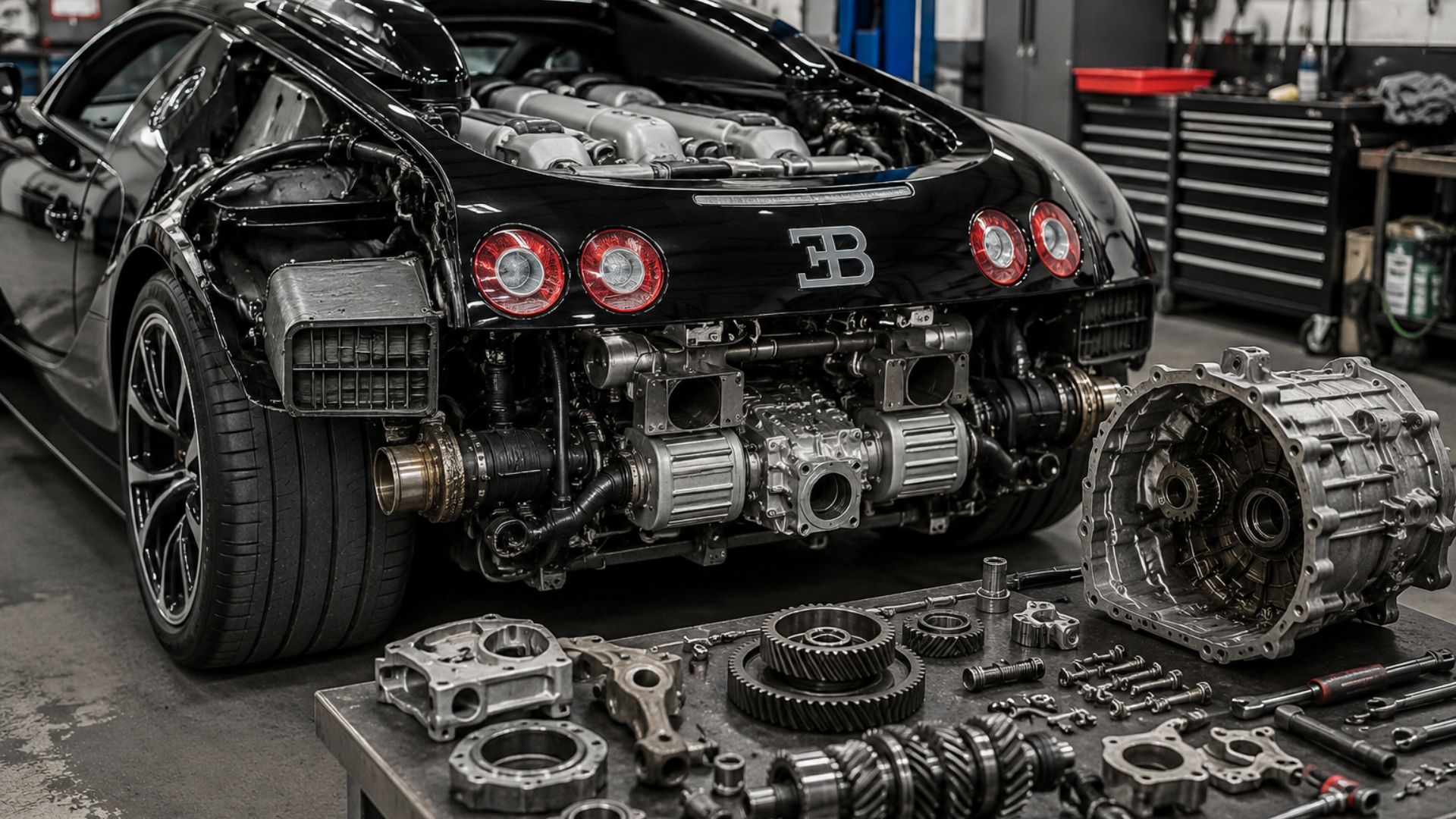
The YouTuber Mark McCann bought a Bugatti Veyron for almost $1.2 million, but discovered that the supercar’s gearbox is so damaged that even Bugatti itself won’t accept to repair it, and the repair could cost a fortune.

-
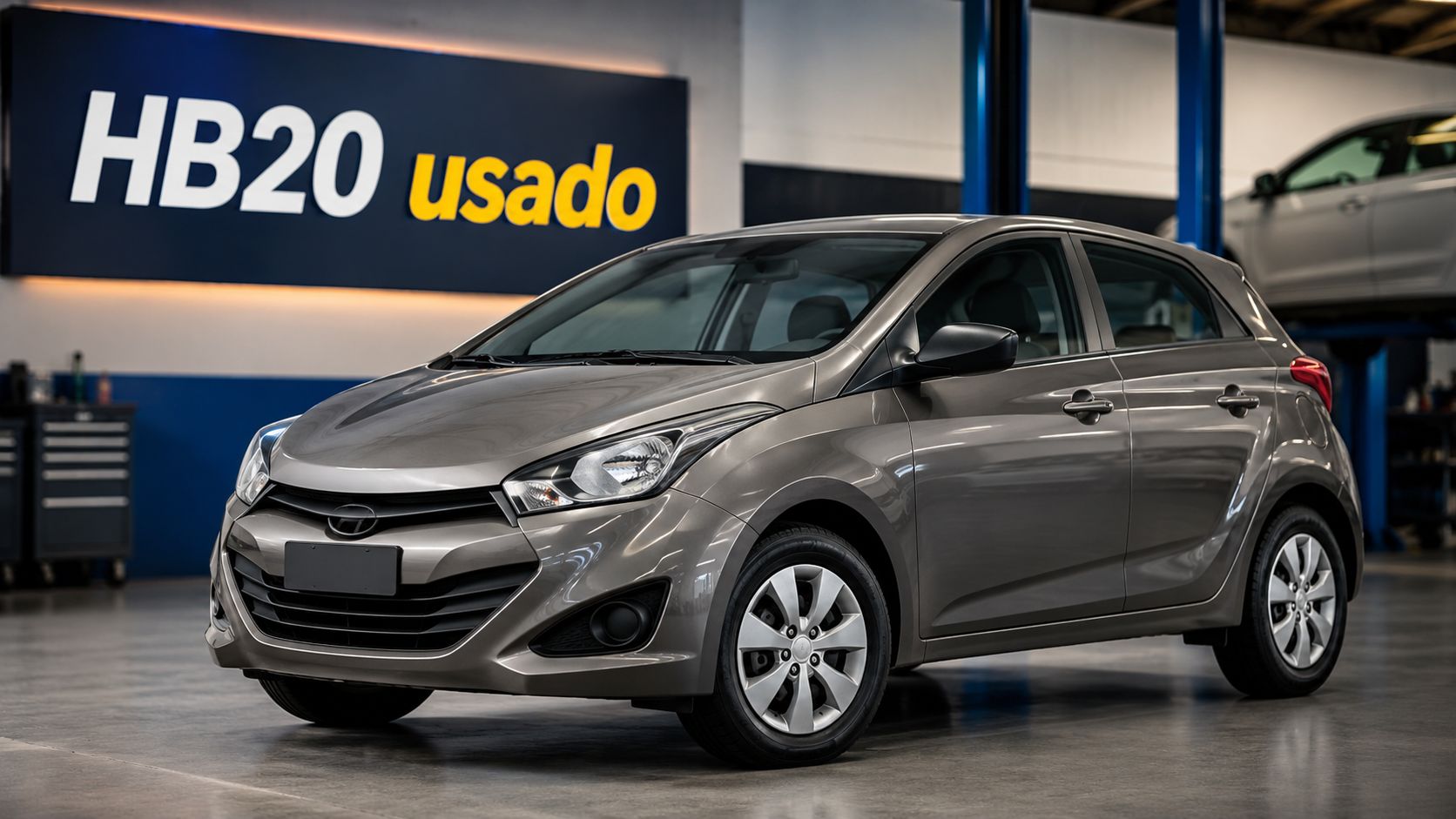
Thinking about buying a used HB20? See why the 2015 model is still a crowd favorite, with cheap parts, easy-to-fix mechanics, a strong engine, and quick sales.
-
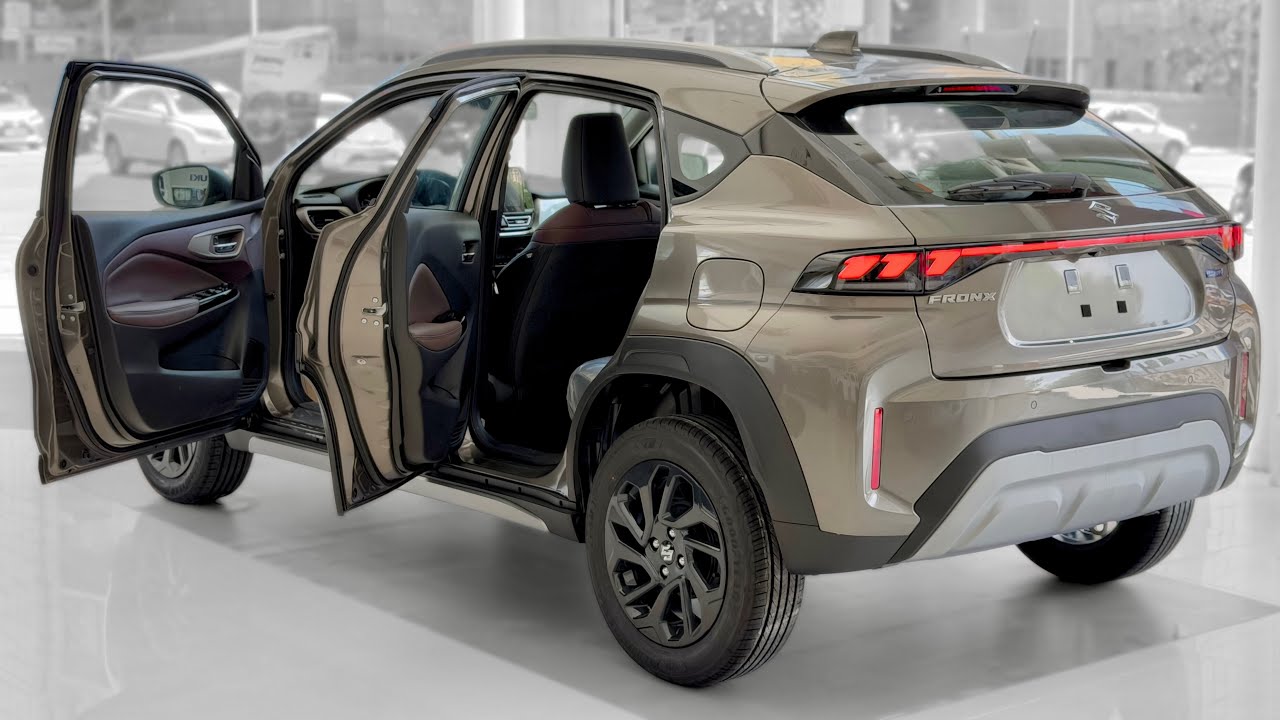
Suzuki Fronx emerges as the “compact coupe SUV” that Brazil doesn’t have: priced around R$ 37,000 in a tax-free conversion, the model has a hybrid version, 1.0 turbo engine, bold design, and the price of a popular car in India.

However, the reality of the market has proven to be less receptive than expected. In an interview with CNBC, Mary Barra explained that, although electric vehicle (EV) sales in the U.S. reached 330,463 units in the second quarter of 2024, Chevrolet is facing a slowdown in demand.
Strategy Change
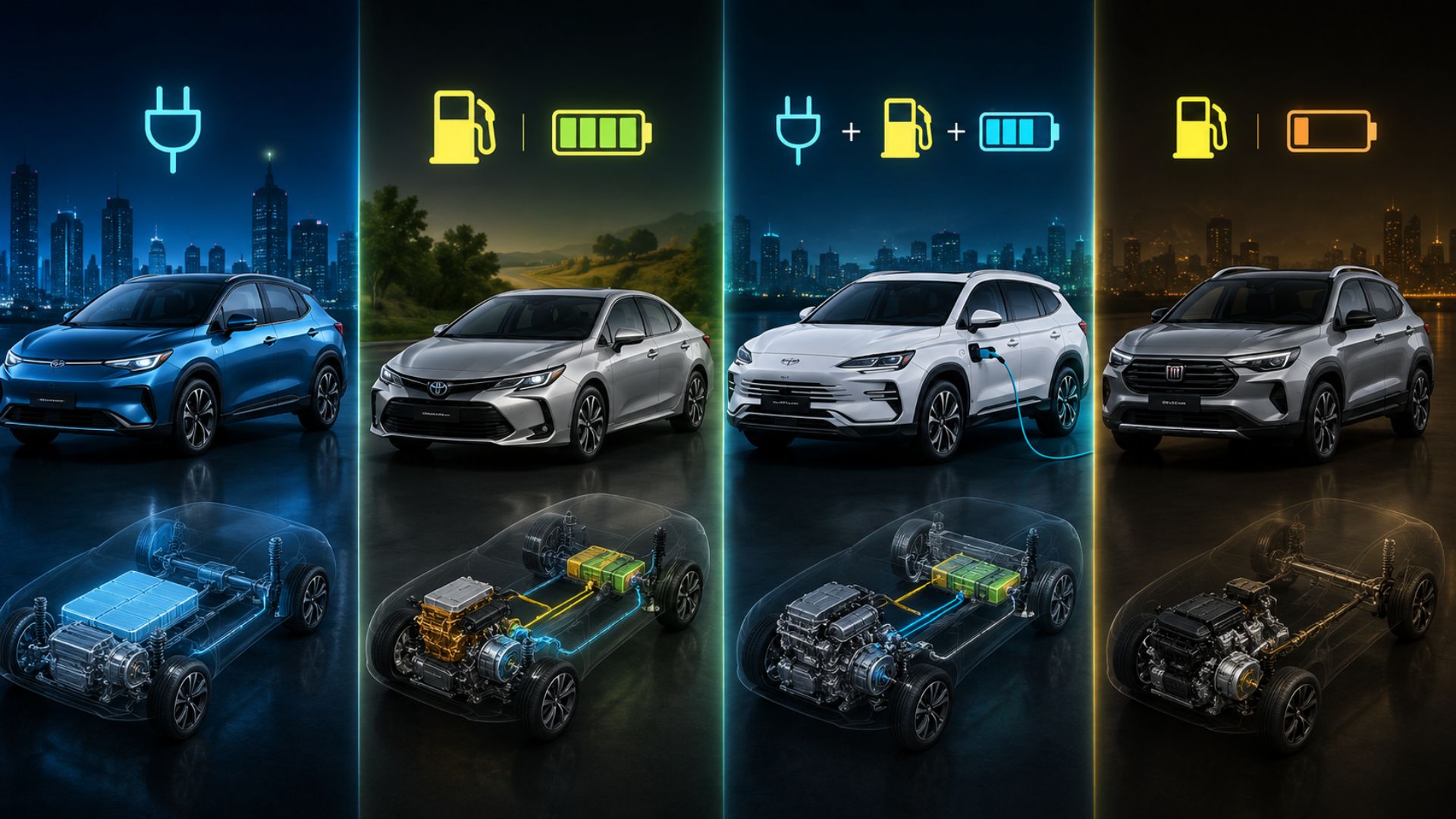
GM’s initial plan to focus exclusively on electric vehicles has faced a setback. Now, the company is considering the development of hybrid models, both in Detroit (U.S.) and São Caetano do Sul (SP).
Fabio Rua, GM’s Vice President of Public Relations for Latin America, recently confirmed to Automotive Business that the manufacturer may launch hybrid cars in Brazil starting in 2025.
This change reflects a more cautious strategy, adjusting to market reality and consumer expectations. GM has not completely abandoned its electrification goal, but is adapting its timeline to ensure a smoother and more sustainable transition.
GM Bets on Equinox and Blazer EV
Even with the change in plans, GM is maintaining its significant bets on specific electric models. The SUVs Blazer EV and Equinox EV are the main products of this new phase. The production of these vehicles is being increased, and both are expected to be launched in Brazil in the second half of 2024.
The Blazer EV, built on the Ultium platform exclusive to electric vehicles, will have a 102 kWh battery pack, offering a range of 481 km on a single charge.
The RS version, intended for the Brazilian market, will feature 347 hp of power and front-wheel drive. Meanwhile, the Chevrolet Equinox EV will have versions of up to 290 hp, and its new generation will also include a combustion engine option.
Future Perspectives and Charging Infrastructure
Mary Barra is optimistic about the future of electric vehicles. In the interview with the cited portal, she stated that she believes that as charging infrastructure becomes more robust and EVs more accessible, demand will grow significantly. “The next 10, 11, 12 years will be quite transformative,” said the CEO.
This long-term vision highlights the importance of ongoing support for infrastructure and public policies that encourage the adoption of electric vehicles. The evolution of the market depends not only on offering innovative products but also on creating an ecosystem that supports this transition.
Growth of Electric Vehicle Sales in Brazil
Despite global challenges, the Brazilian market for electrified vehicles is expanding. Between January and June 2024, the country registered 79,304 registrations of hybrid and electric cars, more than double the sales of 2023, which totaled 32,239 units. BYD leads the ranking with the three best-selling cars.
This growth reflects a positive change in Brazilian consumers’ perception of electrified vehicles, driven by government incentives and the increasing availability of attractive and affordable models.
GM’s decision to reassess its Chevrolet electric vehicle production goal by 2025 is a reflection of the complexities of the global automotive market.
While demand for EVs faces challenges in the U.S., Brazil shows significant growth potential. With bets on hybrid models and a renewed focus on infrastructure, GM remains committed to innovation and sustainability.








Be the first to react!