Portuguese
  Spanish


BYD shows the BYD Tai S Ti7, SUV with boxy style, 4×4 drive, strong torque, and a chance to become top of the line in Brazil with a range above 900 km.
BYD presented, at one of its testing centers in China, the Tai S Ti7, a large SUV with a square design that mixes family appeal, adventurous spirit, and advanced technology package. Even without official confirmation of sales in Brazil, the model appears as a more viable alternative than other even larger vehicles from the group, precisely because it does not carry the same limitation mentioned for “boxy” models that exceed the gross weight limit accepted for CNH category B.
The Tai S Ti7 stands out because it boasts top-of-the-line numbers: 488 horsepower, just over 77 kgfm of torque, acceleration from 0 to 100 km/h in about 4.9 seconds, and a declared range above 900 km. In addition, it measures 5.1 meters in length, about 2 meters in width, and features a hybrid setup with all-wheel drive, targeting those who want power and space without sacrificing efficiency.
What is the BYD Tai S Ti7 and why it became a topic even before arriving

The BYD Tai S Ti7 is a large SUV with a “boxy” design, that straight and robust look that has become a trend among models with adventurous appeal. It is not presented as an extreme off-road vehicle, but it retains typical elements of that universe, such as 4×4 drive, 360-degree camera, and an approach angle above 23 degrees, in addition to a construction package focused on comfort and family use.
-
Sales of Brazil’s Cheapest Electric Car Halted Before First Deliveries: E-Motors Suspends Emova Easy Due to Import Tax Increase and Rising Freight Costs

-
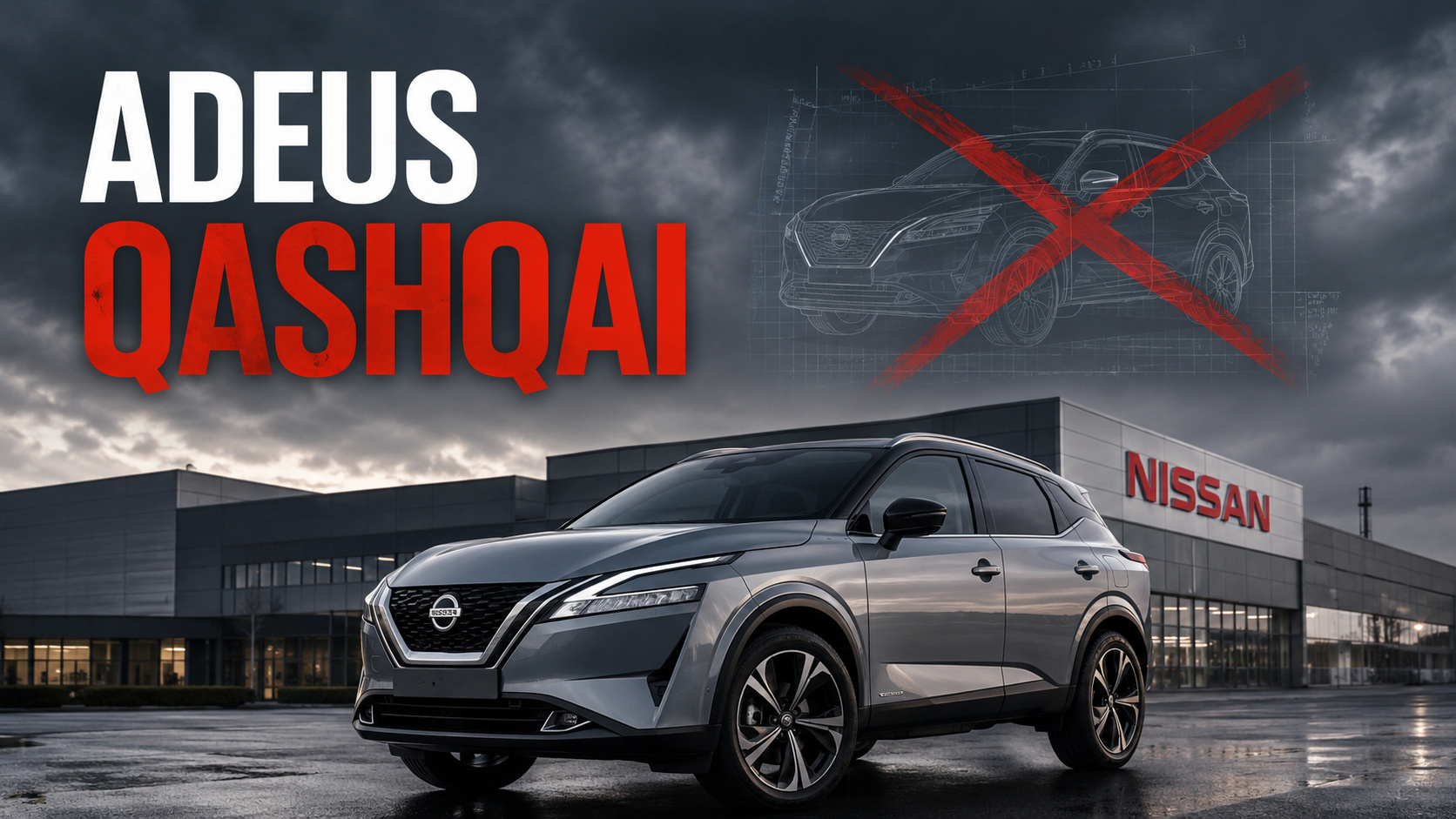
Nissan Discontinues Qashqai SUV Amid Cost-Cutting, Chinese Competition, and Product Line Review

-
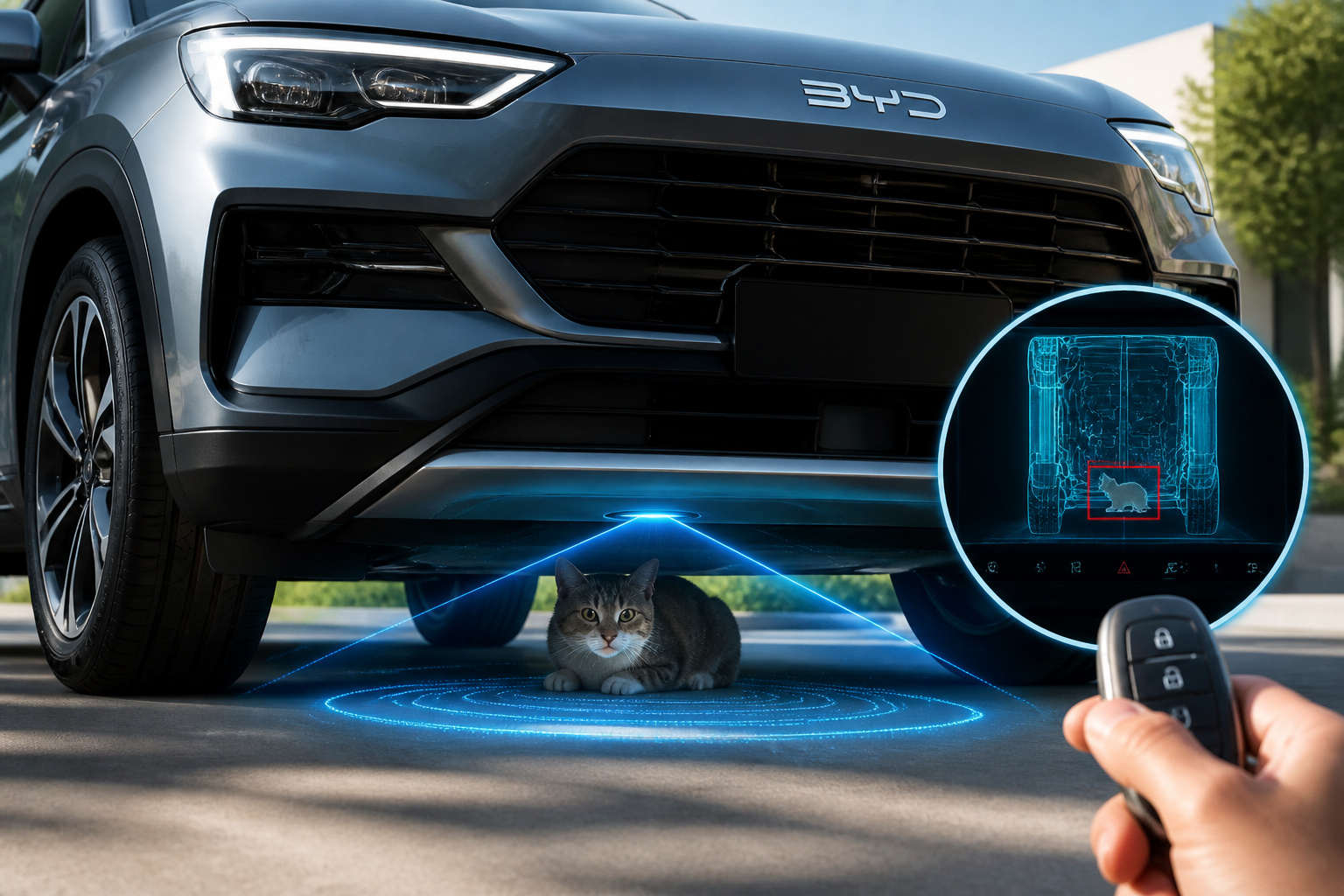
BYD Patents Revolutionary System Using Computer Vision to Detect Animals Under Cars Before Starting, Preventing Tragedies

-
Study Reveals Why Cars Are More Expensive to Produce and Buy in Brazil Compared to Mexico, Highlighting Taxes, Logistics, and Industrial Costs as Key Factors.


The model is also associated with a niche strategy: to cater to those who want the boxy style but seek more torque, more space, and a stronger mechanical set than what is offered by rivals cited as references in this segment.
The numbers that explain the size and proposal of the SUV
The Tai S Ti7 positions itself as a large SUV. The data shown points to dimensions reminiscent of “pickup-sized” vehicles in physical presence:
- Length: 5.1 meters
- Width: 1,995 mm, close to 2 meters
- Wheelbase: 2.92 meters
- Wheels: 20-inch rims with 255 tires
- Seats: 5, without a seven-seat configuration
The result is a car designed to offer plenty of interior space, with large doors and good clearance in the cabin, reinforcing the idea of a top-of-the-line model focused on comfort and presence.
How the BYD hybrid system with 4×4 drive and 488 hp works

The BYD Tai S Ti7 uses a hybrid system with a 1.5 turbo engine and two electric motors, one at the front and another at the rear, forming all-wheel drive. The mentioned system is the DMP, described as Dual Motor Power, with architecture similar to that applied in another SUV from the brand referred to as platform reference.
In practice, it is this combination that supports the main numbers of the model: total power of 488 hp, torque above 77 kgfm, and acceleration from 0 to 100 km/h in around 4.9 seconds. The reported range exceeds 900 km when combining tank and charge, with a 76-liter tank.
Why the boxy design became the central piece of the strategy
The design of the BYD Tai S Ti7 is presented as different from what is seen in other lines of the group and, at the same time, aligned with the wave of “boxy” SUVs that are growing in the market. The front, straight lines, and high stance help build identity, and the body itself uses typical solutions of this style, such as the rear designed more for storing items than for accommodating an external spare tire, as the spare appears in the trunk space.
Another detail mentioned is the transaction of names and brands in some markets, with the Ti7 also being associated with a more difficult-to-pronounce name, which reinforces that it may receive “identity adaptations” depending on the country.
Comfort and technology inside: ample space, massage, and fridge
Inside, the discourse is about a finish above the expected standard in the category, with extensive use of soft-touch materials and attention to detail. Among the items mentioned in the presented model are:
- Electric seats for driver and passenger with massage function
- Central unit with a driver assistance package, including driving and parking features, mentioning level 2 assistance
- 50 W wireless charger
- Ambient lighting with multiple modes
- Head-up display mentioned as part of the package
- Fridge with temperature adjustment from approximately -6 to 15 degrees
- Panoramic roof and air vents also for the rear
- Driving modes such as normal, sport, snow, and eco
The point that is most repeated in the presentation is the focus on space: the wheelbase of 2.92 m and the feeling of “having extra headroom” for those in the back are treated as clear differentiators of the project.
Customized versions with a camping spirit and accessories made by the brand itself

In addition to the “commercial” version, customized configurations were shown with a focus on leisure and family use, within a proposal described as “from the city to the coast.” The list includes items and accessories aimed at travel and light camping, such as tents, ladders, inflatable mattresses, and solutions to organize space, reinforcing the idea of an SUV that tries to combine style, comfort, and practicality for non-radical adventures.
What changes for those waiting for a top-of-the-line BYD in Brazil


The presented reading is that the BYD Tai S Ti7 can fill a space for those who want a more imposing and boxy SUV, with plenty of power and a large cabin, and would be positioned above a recently launched seven-seater SUV in Brazil, cited as a price and proposal reference. The combination of 488 hp, high torque, and a range of over 900 km helps explain why it enters the conversation as a possible top-of-the-line option.
At the same time, the arrival in Brazil is treated as a possibility, not as an announcement. The central point is the expectation: there is a bet that this style of car has growing demand, and the Ti7 enters as a candidate for bringing together performance, size, and technology in the same package.
The next steps: what is needed to become a reality outside China
What has been presented so far is the “potential” and the “fit” of the product, not a confirmation. The model was shown in a testing and presentation environment, without reports of evaluation behind the wheel, and the discussion revolves around market chances, positioning, and viability within the rules that impact larger SUVs.
If BYD decides to move forward, the Tai S Ti7 comes with a clear card: boxy design, strong numbers, and a hybrid proposal that tries to deliver high-level performance with long-range.
Do you think a BYD Tai S Ti7 with this boxy style and 488 hp would have real space in Brazil as a top-of-the-line option, or is the market still too small for SUVs of this size?