






 Portuguese
  Spanish
  3 min of reading
  0 comments


Companies Try To Secure Ferronickel Supply To Europe And Reduce Regulatory Resistance To Chinese Purchase
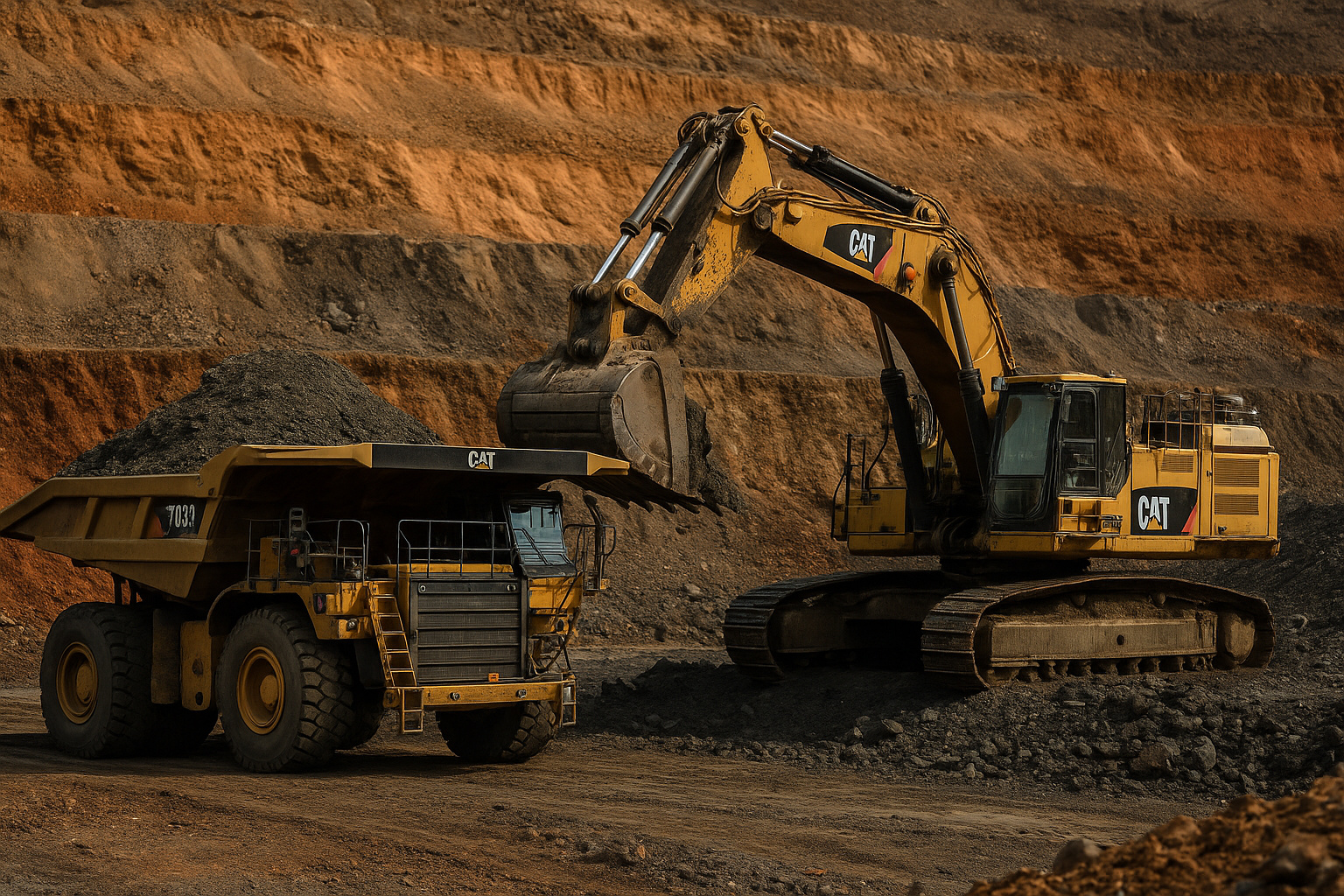
The mining companies Anglo American and MMG Limited presented, in October 2025, a formal proposal to the European Commission. The aim is to ensure continuous ferronickel supply to customers in the European bloc. Additionally, the move seeks to facilitate the approval of the sale of Anglo’s nickel operations in Brazil. The mines involved are Barro Alto and Codemin, in Goiás, as well as the projects Jacaré (PA) and Morro Sem Boné (MT). The deal is valued at US$ 500 million, which has attracted significant attention from investors and regulatory bodies.
Guaranteed Purchase Agreement
According to information from the European Commission, the companies offered a “guaranteed purchase” model. In this format, Anglo American commits to continue selling the same volume of ferronickel currently exported to Europe. Furthermore, the company will act as intermediary, purchasing the product from MMG and maintaining regular deliveries to customers in the European Union.
This measure, therefore, aims to alleviate the competition concerns raised by European steelmakers. Many of them fear a reduction in the supply of ferronickel if control of Brazilian mines passes entirely into Chinese hands. For this reason, Eurofer, an association representing the European steel sector, classified the Goiás complexes as the “most reliable and sustainable source” of ferronickel in the bloc. Thus, with the proposal, the analysis period by the European Commission was extended by 10 days, and the final decision is expected in early November 2025.
Distinct Analysis in Brazil
While Europe maintains a detailed investigation into the competitive impact of the transaction, the Cade (Administrative Council for Economic Defense), in Brazil, archived the case without restrictions. The agency, however, did not thoroughly examine the corporate structure of the companies involved, according to an investigation by Poder360. As a result, entities and companies questioning the operation withdrew their appeals after the decision.
This difference in stance reflects distinct regulatory approaches between Brazil and the European Union. On one hand, Europe adopts a stricter control over market concentration. On the other, Brazil prioritizes economic freedom in large transactions, which explains the quick archiving.
-
Brazil is sitting on one of the largest lithium reserves in the world, in the Jequitinhonha Valley, but national mining has almost become an appendage of China: 97% of the metal’s export goes to a single country, which also dominates refining.

-
Iron ore falls to 762 yuan in China as real estate sales decline and steel production hits lowest level since 2018
-
Brazil has minerals, clean energy, and a waiting market, but it could miss a billion-dollar opportunity if it doesn’t speed up the race for green minerals, while the steel industry seeks to reduce emissions.
-
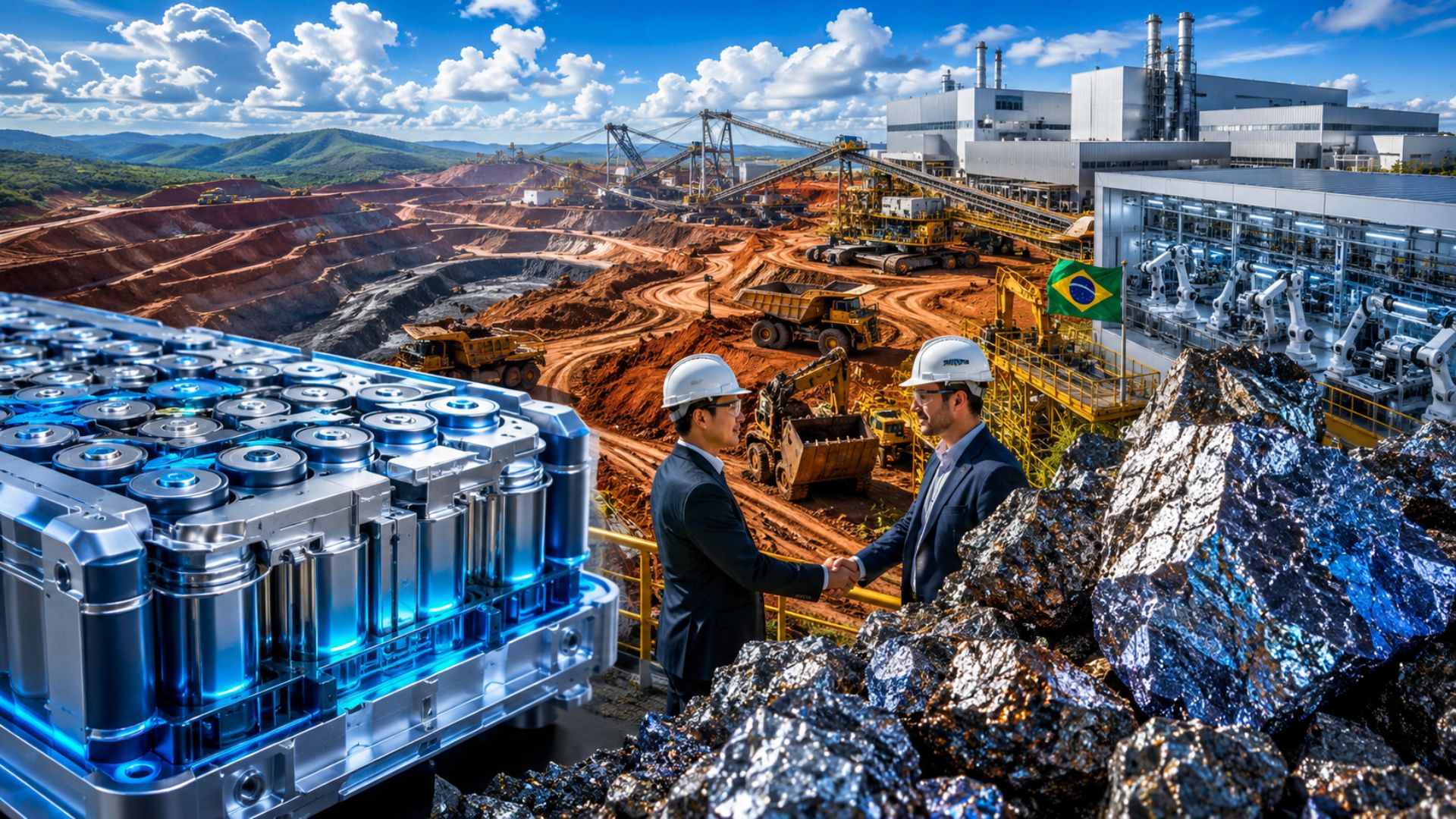
Asian battery manufacturer becomes a partner in a rare earth and niobium project in Minas Gerais, with estimated reserves of 70 million tons and operations expected to start in 2027.


International Context and Trade Disputes
The deal generated international repercussions and reignited the debate over Chinese dependency on strategic raw materials. Corex Holding, linked to the Turkish group Yildirim, stated that it submitted a superior offer of US$ 900 million. However, the company contests the decision both in Brasilia and Brussels, alleging market concentration risk and excessive dependence on China for global nickel supply. The mineral, furthermore, is essential for the stainless steel industry and for electric battery production, sectors that are experiencing significant growth.
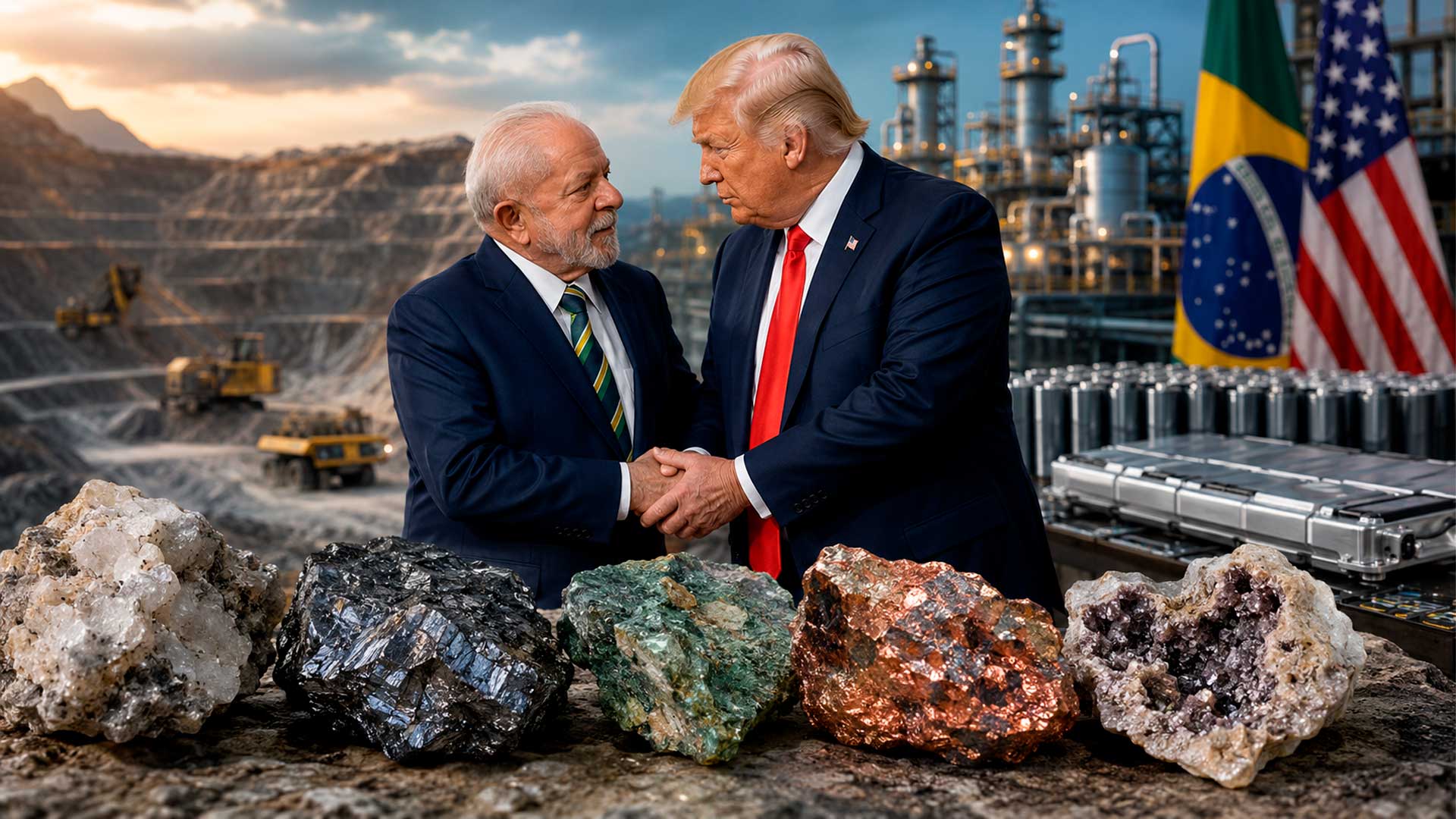
In the United States, the American Iron and Steel Institute (AISI) requested former president Donald Trump to pressure Brazil and Europe to reevaluate the transaction. The argument is that the acquisition strengthens Chinese control over critical mineral supply chains, which concerns Western governments. Thus, the issue arises at a time of increasing geopolitical tension and global competition for strategic raw materials.
Defense of the Involved Companies
Anglo American stated that the sale process was competitive and transparent, which reinforces the legitimacy of the transaction. Furthermore, MMG’s proposal presented better commercial and operational terms, with higher initial payment and strong guarantees. The miner also stated that the decision is aligned with its global strategy, focusing on copper, premium iron ore, and fertilizers.
With the completion of the transaction, the Chinese state-owned enterprise China Minmetals will come to control about 60% of national nickel production. Consequently, this will increase Beijing’s influence in supply chains considered strategic for energy transition and for the global stainless steel sector. Thus, the agreement marks another chapter of the increasing Chinese presence in Brazilian mining.






Be the first to react!