






 Portuguese
  Spanish


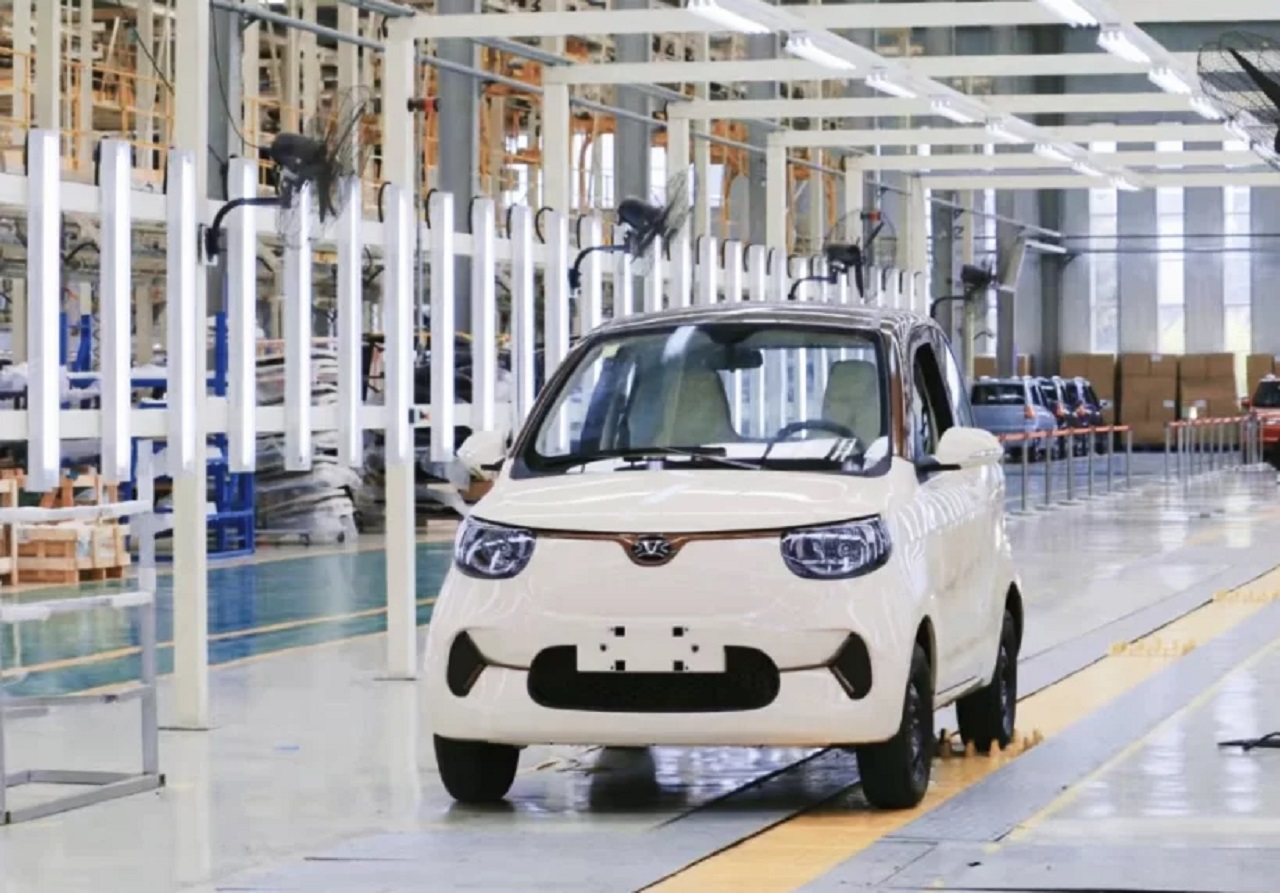

China Developed The Cheapest Electric Car In The World, Which Will Cost Only R$ 50 Thousand (in Direct Conversion). The Vehicle Will Have A Range Of 200 Km And Can Reach 100 Km/h With 46 Horsepower.
The future belongs to electric cars; however, until that becomes a reality, car manufacturers vie with each other to be the first to stand out in making electric-powered models. In China, the American startup Mullen Automotive launched the cheapest electric car in the world, named I-Go.
Cheapest Electric Car In The World From China Will Cost R$ 50 Thousand
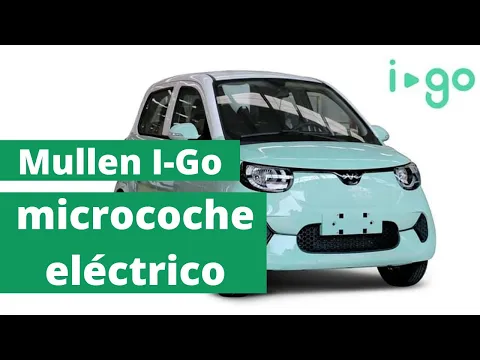

In the Asian giant, the novelty is priced at only US$ 9,300, or R$ 50 thousand in direct conversion. In comparison, the cheapest vehicle among all electric cars available for urban use is the Renault Kwid E-Tech, which averages R$ 146 thousand. The combustion version of the Kwid itself is more expensive than the cheapest electric car in the world.
Generally speaking, here the cheapest electric car is the Logigo Lliro, a mini electric hatchback with a range of 100 km on a single charge. The vehicle is sold directly through the company’s website here in Brazil, but it cannot be used on the streets of the country because it is not equipped with front airbags or ABS brakes; that is, in Brazil, it can only be used on closed terrains like airports, condominiums, and companies.
-
2027 Toyota Corolla Cross Unveiled: New Design, Enhanced Fuel Efficiency, Reduced Maintenance Costs, Advanced Technology, Connected Services, and Up to 10-Year Warranty

-
Fiat Cronos Precision 2018: Affordable Sedan with Spacious Trunk and Reliable Maintenance
-
Volkswagen to Cut Production by 1 Million Cars by 2030, Reducing Jobs and Platforms, Focusing on More Profitable Models

-
Toyota Launches First 100% Electric Car in Brazil: bZ4X with 343 HP, All-Wheel Drive, 361 km Range, Priced at $419,990 BRL, Limited to 99 Units




The cheapest electric car in the world, developed in China, is focused on urban use but does not rule out direct sales to companies and condominiums that need cars for their closed circuits. The model has space for 4 people and boasts an average range of 200 km, thanks to its 16.5 kWh battery.
China’s Cheapest Electric Car Reaches 100 Km/h Top Speed
With a motor producing 46 horsepower, 10.4 kgfm of maximum torque, and weighing 795 kg, the electric car from China can reach a top speed of 100 km/h.
The company responsible for the vehicle’s development stated that it plans to sell the vehicle in other markets. According to the company, the next country to receive the electric car will be Germany, although it will be sold at a higher price there, around US$ 12 thousand or R$ 64 thousand, excluding taxes.
In addition to this model, General Motors also has a super-cheap vehicle called the MINI EV, a best-seller in the country. Recently, the vehicle received a new design, now being a convertible. The model lost its two rear seats but gained a stylish top that is fully stored in the back of the vehicle.
In Brazil, The Cheapest Electric Model Costs R$ 140 Thousand
Renault announced in April the launch of its new electric car, the Renault Kwid E-Tech, a fully electric version of the subcompact that arrived in August priced at R$ 142,900.
Due to this price, the novelty from the French manufacturer, which was imported from China, will take the title of the cheapest electric car in the country, previously held by the JAC E-JS1, currently sold for R$ 164,900. According to the automaker, pre-sales of the Renault Kwid E-Tech occurred at R$ 999, and the announced price was guaranteed until July, when it may be adjusted.
The manufacturer offers the vehicle in its subscription program, with plans from 12 to 48 months. In this program, expenses for IPVA, insurance, and maintenance are included. In the launch presentation, the automaker emphasized the lower maintenance costs compared to the conventional versions.








