






 Portuguese
  Spanish


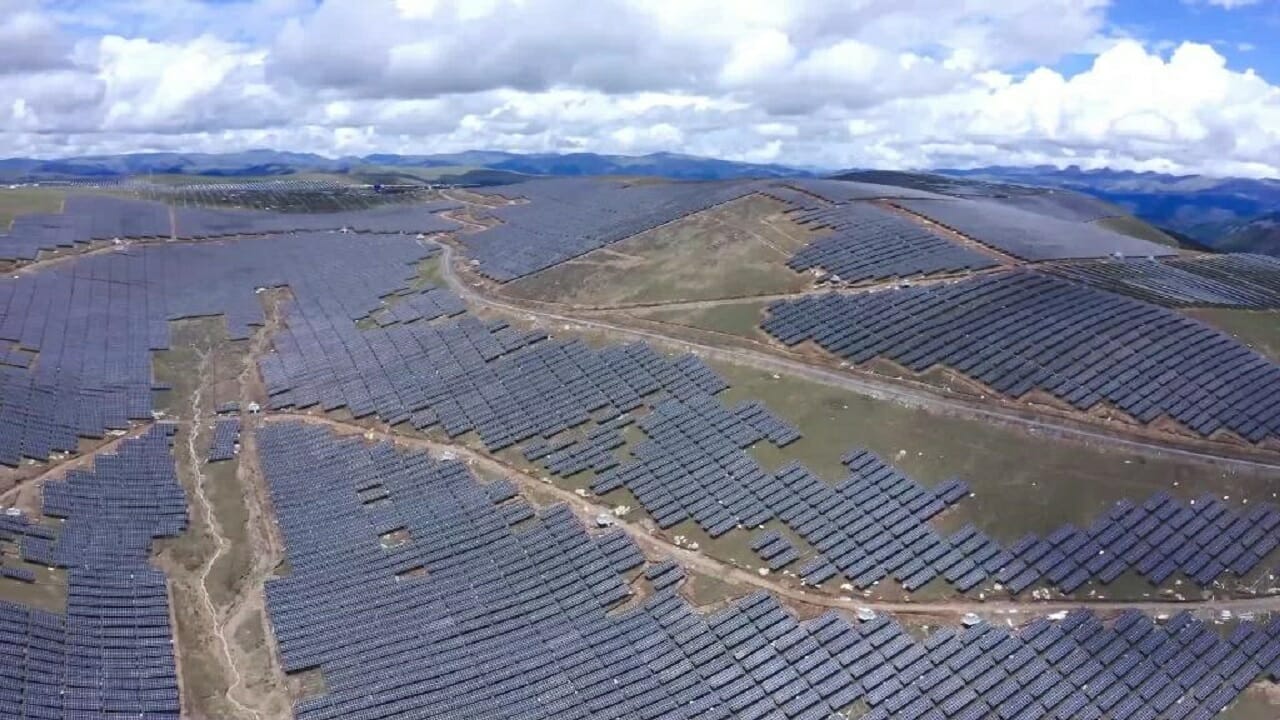
China Announces Start of Activities at Its Largest Solar and Hydropower Station in the World with a Capacity to Generate 1 Million Kilowatts.
Last Sunday (25), the Kela Photovoltaic Power Station, the largest hybrid hydropower and solar power station, began operations in the village of Kela, in Sichuan province, China. The facility, which has a generation capacity of 1 million kilowatts, is located at an altitude of 4,000 to 4,600 meters.
The area of the land is approximately 16 million square meters, equivalent to 2,000 standard football fields.
Hybrid Photovoltaic Power Projects Are Gaining Ground in China
Due to the instability of solar power generation, combining it with hydropower is seen as a viable solution. The photovoltaic energy generated by the Kela facility in China will be connected to the Lianghekou hydropower plant and then processed for supply to the grid. The project is expected to have a positive impact on the advancement of industries such as livestock, agriculture, tourism, and transportation.
-
Brazilian scientists are simultaneously advancing two research projects on clean hydrogen and driving solutions that could transform the energy matrix, enhance industrial competitiveness, and accelerate large-scale emission reduction targets.

-
Advancement in renewable energy: A R$ 150 million project launched by Petrobras and Finep aims to create state-of-the-art electrolyzers for green hydrogen, strengthening national research and preparing Brazil to compete in a billion-dollar energy market.
-
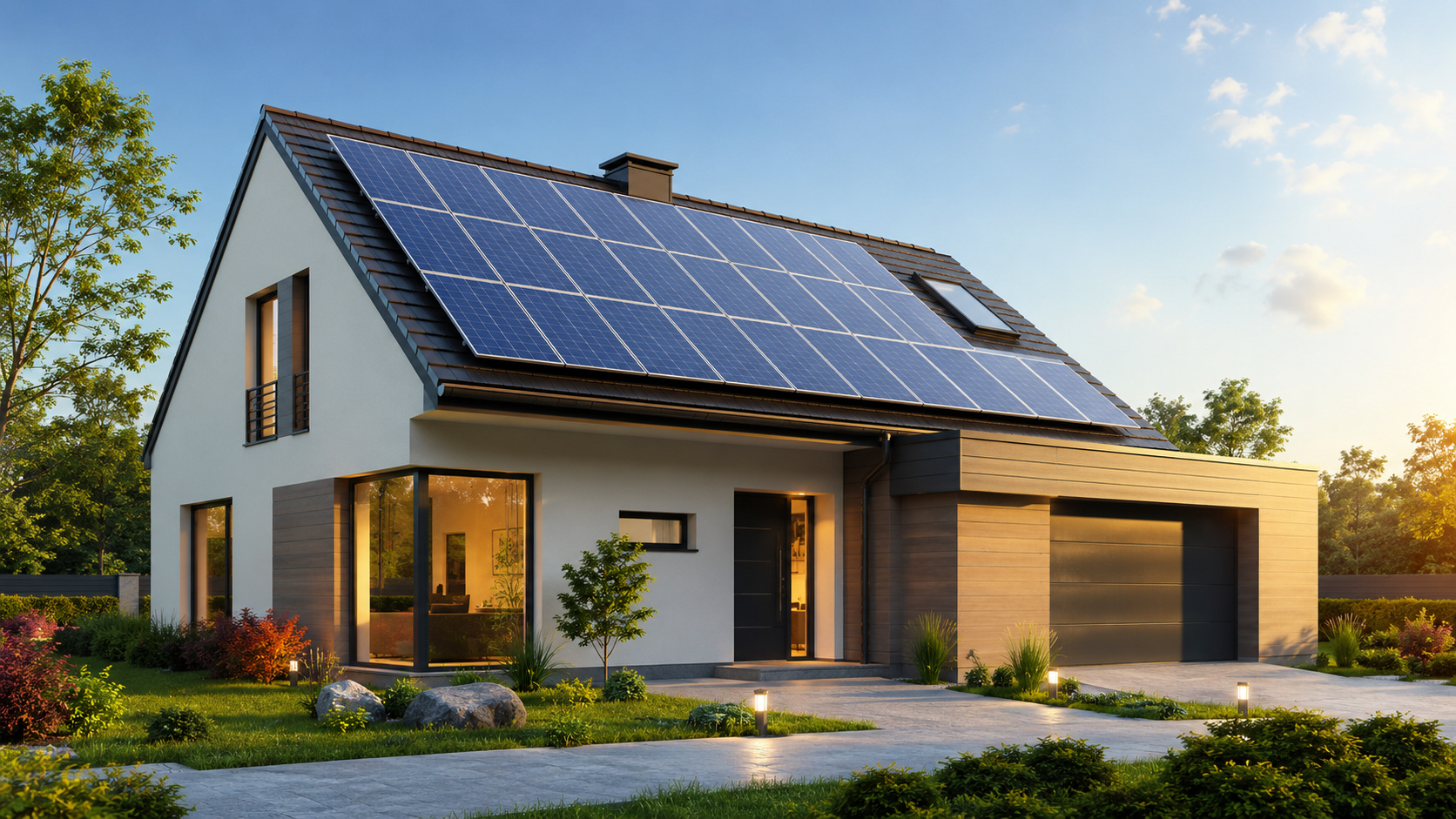
Solar energy can increase property value by up to 10% and become a selling point.
-
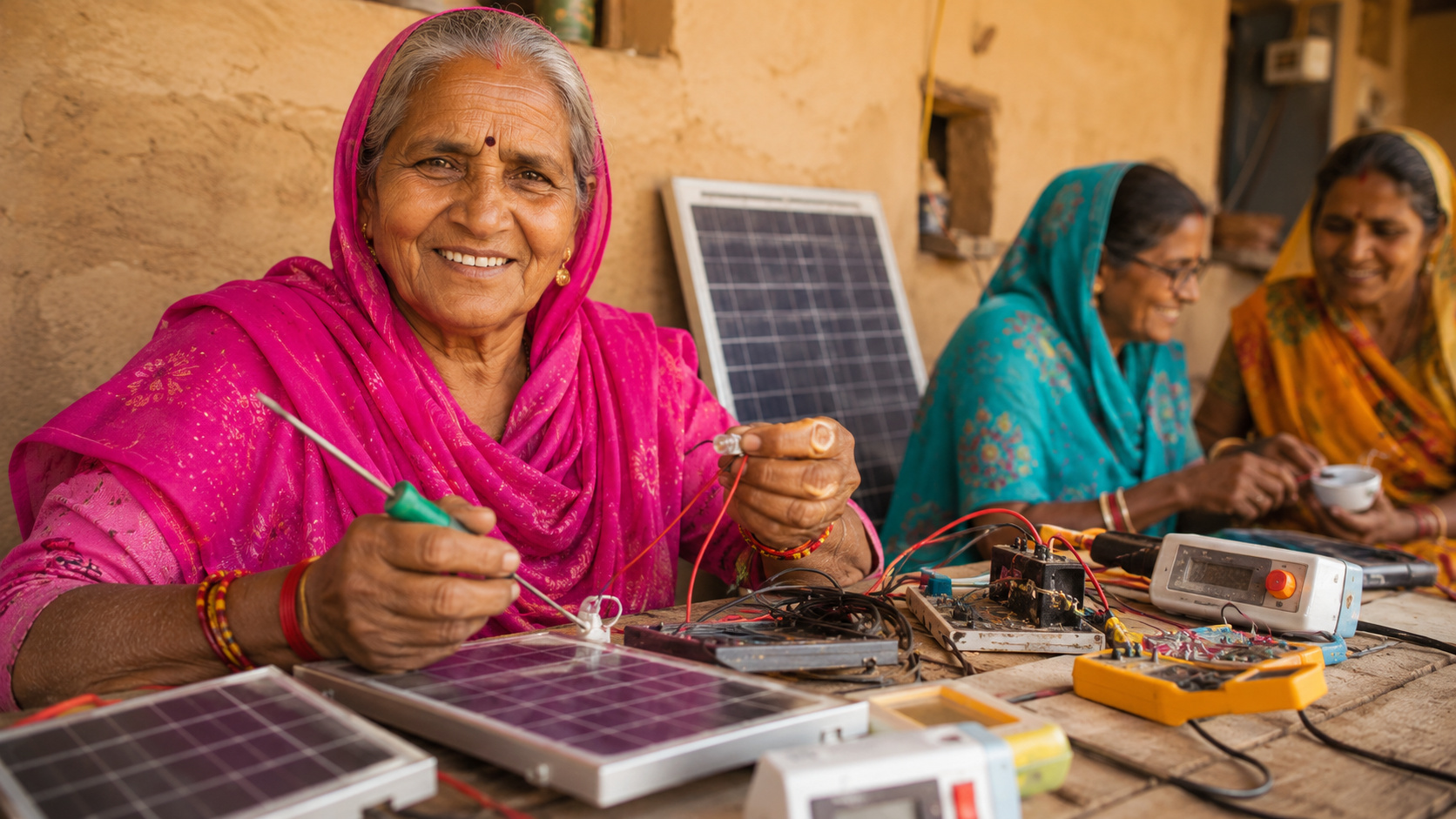
Illiterate or semi-literate grandmothers were trained to repair solar systems, open rural workshops, and light up homes that still depended on kerosene.


In addition to the hybrid power plant combining photovoltaic and hydropower, last year China launched its first offshore hybrid power plant. One of the country’s four largest energy companies, the State Power Investment Corporation (SPIC), was the first in the world to commission an offshore hybrid plant simultaneously using wind and solar energy.
If the tests are successful and the station can withstand storms and typhoons, the project will continue to develop with the prospect of deploying up to 42 GW of hybrid offshore capacity in the region.
Hybrid Solar Power Plant Generates Only 500 kW
The peak power of the first two barges of the hybrid power plant is only 500 kW. The photovoltaic energy generated on the barges is fed into a transformer installed at the wind turbine tower.
From the wind generator’s substation, electricity travels to the mainland to consumers via an underwater cable. This renewable offshore hybrid power plant project was developed by the Norwegian company Ocean Sun.
This is the first practical implementation of development in the world. The Norwegians designed the rafts and anchors to withstand the elements without consequences for the equipment.
This year, the project is expected to be expanded to a capacity of 20 MW. No details have been provided regarding the next steps. In general, hybrid plants based on renewable energy sources, such as photovoltaic energy, allow for equalizing electricity supply due to the natural spacing of peaks over time for wind and solar generation.
China and Brazil Seal Agreements for Investments in Renewable Energy
Earlier this month, the president of the Bank of the Northeast, Paulo Câmara, received representatives from the Chinese Consulate and executives from the Chinese group CGN Brazil Energy, which received financial support from BNB.
Wang Ke, the deputy consul general of the Consulate General of the People’s Republic of China in Recife, attended the presentation of China’s investments in the energy sector in the region and stated plans to contribute to the Brazilian energy transformation process.
The president of the Bank of the Northeast expressed great satisfaction in supporting CGN’s energy projects and aiding in the economic development of the region. BNB is committed to strengthening this partnership and continuing to boost the renewable energy sector in Northeast Brazil.
According to the CEO of the Chinese group CNG, Yao Zhigang, the focus of the visit is to thank the Bank of the Northeast for its assistance to the group and present new expansion projects.


Be the first to react!