






 Portuguese
  Spanish


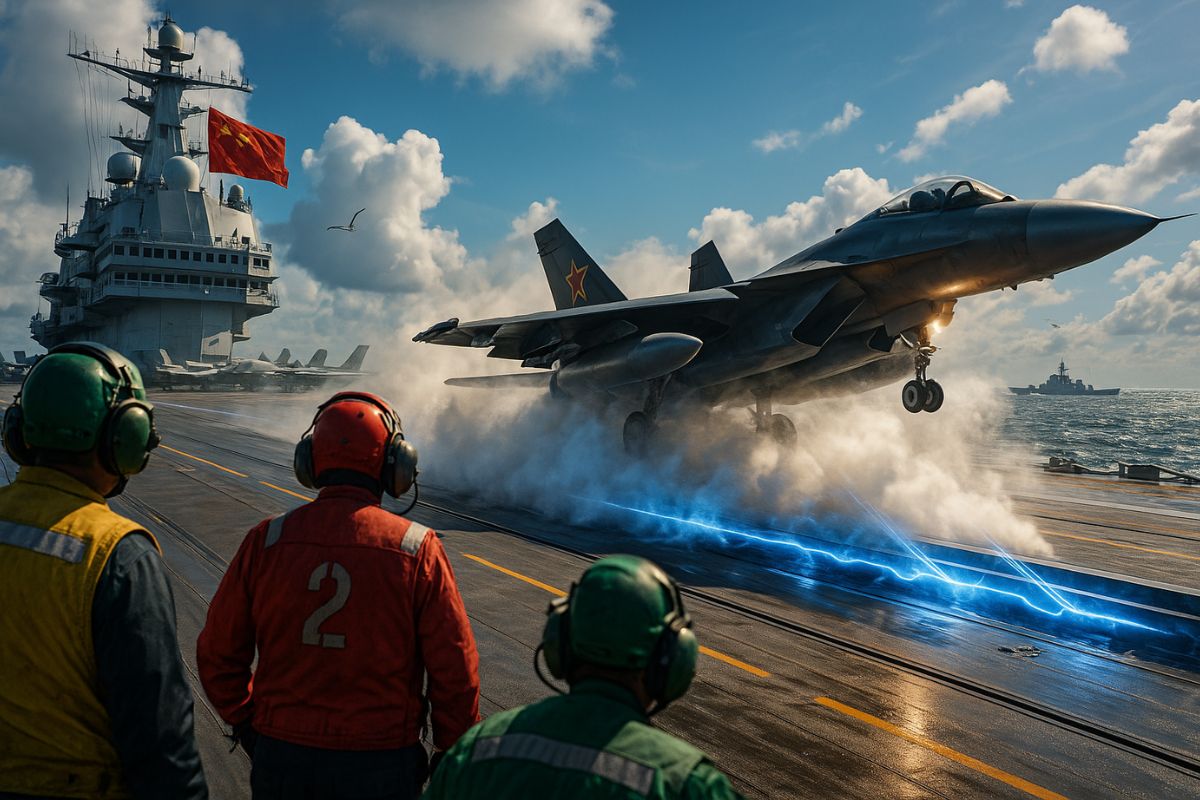


China Incorporates Aircraft Carrier Fujian Into The People’s Liberation Army Fleet, First In The Country With Electromagnetic Catapults, After 2.5 Years Of Testing, With Ceremony In Sanya And Presence Of Xi Jinping, Consolidating China As The Second Power In Number Of Aircraft Carriers
The aircraft carrier Fujian has begun operations in the Chinese Navy and inaugurates a generation of ships with electromagnetic catapults. The system allows for launching aircraft more efficiently, reducing structural stress on runways and airframes, in addition to enabling takeoffs with full fuel tanks, increasing range and flexibility of embarked air operations.
The vessel was entirely built in Chinese shipyards, completed in 2022 and subjected to 2.5 years of testing until formal incorporation. The ceremony in Sanya, Hainan, included President Xi Jinping, reinforcing the centrality of the program to the country’s naval strategy.
What Changes With Electromagnetic Catapults
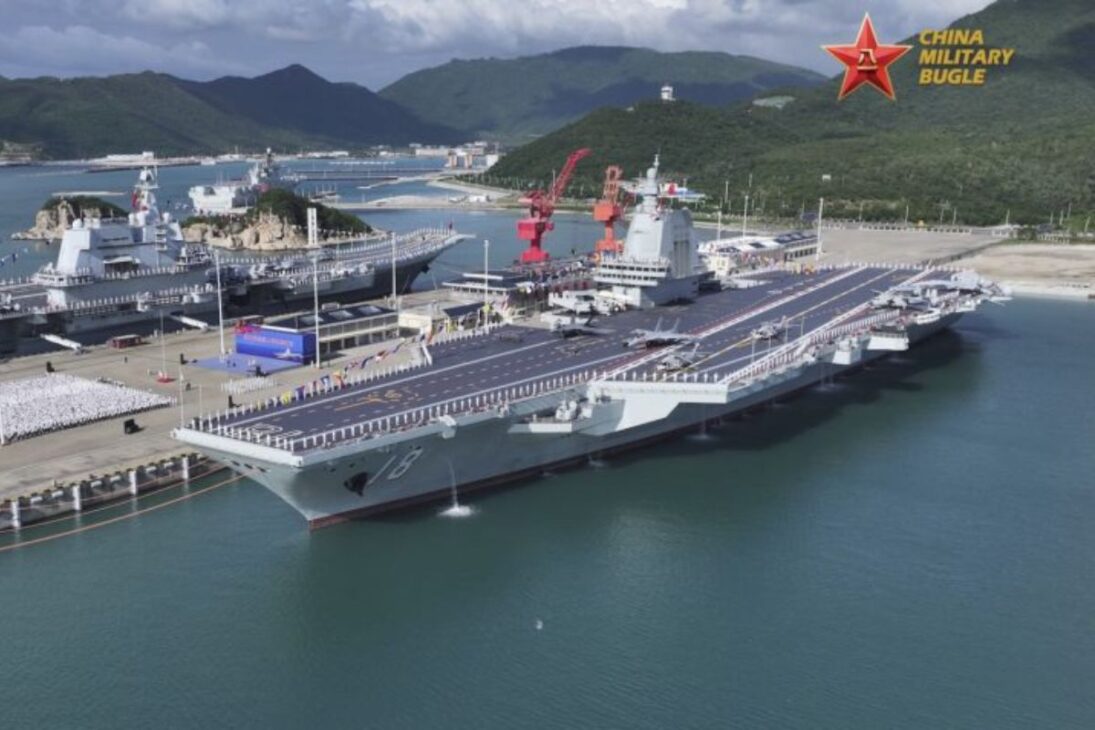
The aircraft carrier Fujian adopts electromagnetic catapults that replace steam systems and enhance launch precision.
-
Award-Winning Japanese Restaurant Reveals It Has Preserved Part of the Same Frying Oil for 66 Years

-
American Youth Transforms from Severe Obesity to U.S. Air Force Enlistment, Losing 90 Kilograms in Two Years
-
11-Year-Old Entrepreneur Sells 60 Homemade Sweets Daily, Mastering Cost Calculation, Social Media Promotion, and Client Negotiation Since Age 7

-
Peruvian Mountain’s 5,200 Aligned Holes May Unveil Ancient Indigenous Market for Corn and Cotton


The controlled acceleration expands the range of aircraft and configurations that can operate from the deck, preserving the integrity of landing gear and increasing sortie rates.
Operationally, the technology facilitates takeoffs with greater payloads, improves maintenance routines, and simplifies the deck layout.
For the air group, this translates into greater sortie efficiency and reduced restrictions in alert, reconnaissance, and attack missions.
Testing, Incorporation, and Readiness
After structural completion in 2022, the aircraft carrier Fujian underwent sea trials, system integration, and deck validations.
The technical cycle included safety routines, communications, and onboard air traffic control, preparing the vessel for the operational phase.
The incorporation formalizes the ship’s availability and opens a window for tactical advancements of the carrier group.
The continuity of operational tests is part of the natural maturation process, especially in a project that introduces new launch architectures.
Strategic Weight in Regional Balance
With the aircraft carrier Fujian in service, China isolates itself as the second power in the number of aircraft carriers, trailing the United States.
The practical effect is greater maritime presence and air projection capability in areas of interest, with a direct impact on deterrence and the security of maritime communication lines.
The introduction of electromagnetic catapults closes the technological gap with international references and elevates internal interoperability among escorts, aviation, and logistics.
The gain in range and sortie rate of the embarked air group expands response options in crisis scenarios.
Air Group and Deck Operations
The new launch system favours operations with heavier aircraft and mission packages with additional fuel, enhancing persistence over target areas.
On the deck, taxi, positioning, and recovery flows are expected to be adjusted for higher sortie rates.
The learning curve includes safety procedures, coordination with escorts, and deck personnel training.
The standardization of signals and communication is crucial to minimize incidents and maximize aerial wing availability.
International Comparison and Next Steps
By incorporating the aircraft carrier Fujian, China consolidates the third unit in its fleet and advances towards complete carrier formations with escorts and logistical support.
The internal debate indicates that three ships meet the operational minimum, considering maintenance, training, and readiness.
The next steps should combine software enhancements, expanded qualification of the air group, and integration exercises with destroyers, frigates, and support vessels.
The maturity of the catapult system will be monitored throughout the first operational cycles.
Implications for The Chinese Naval Industry
The aircraft carrier Fujian program consolidates local supply chains and complex systems integration capabilities.
The industrialization of the platform opens spillover effects in radar, propulsion, embedded electronics, and maintenance management.
For the industrial base, the scale and repetition of hulls enhance engineering skills and reduce unit costs over time.
Module standardization and assembly processes shorten timelines and increase predictability for new units.
The operational entry of the aircraft carrier Fujian marks a technological leap and a repositioning of the Chinese Navy.
In your view, which aspect weighs more in this advancement: the gain in cadence with electromagnetic catapults, the expansion of the air group, or the strategic impact on regional balance?


