Portuguese
  Spanish


Satellite images may have captured a new forty-thousand-ton Chinese warship possibly carrying a stealth attack drone on board, yet another sign of the rapid leap of a navy growing at an alarming pace.
The China navy has been growing at a pace that frightens the rest of the world, and the latest evidence of this came from space. Satellite images may have captured a new Chinese warship of about 40 thousand tons, possibly carrying something even more intriguing on deck, a stealth attack drone, the kind designed to evade radar.
If confirmed, the combination is powerful. A giant ship serving as a base for stealth drones represents a leap in how China thinks about naval power, mixing the sheer size of a large ship with the discretion and reach of advanced unmanned vehicles. It is the Chinese navy showing, once again, that it does not stop innovating and surprising its adversaries.
A navy that keeps growing
In recent years, China has built warships at a pace that no other country can match. It has gone from a regional force to one of the largest navies on the planet in a very short time, launching destroyers, aircraft carriers, and submarines almost in series. This accelerated growth has changed the balance of power at sea, especially in the Pacific region, and has left the world watching every new step from Beijing.
-
Europe Orders Israel’s Light Cannon Capable of Downing Drones from Five Kilometers at Minimal Cost Per Shot

-
Turkey Delivers Self-Designed Submarines, Emerges as Naval Power Exporter in the Mediterranean
-
France doubled the firepower of the new frigates and increased the missiles from 16 to 32 tubes ready to fire.
-
Spain sent its most advanced frigate to Cyprus and set up an anti-missile shield in the Mediterranean with an eye on Iran.


I confess that the speed of this expansion is impressive. Building modern warships is expensive and time-consuming, and seeing a country launch them at such a high rate reveals enormous industrial capacity and ambition. Each new Chinese ship, like this 40 thousand-ton one, is a piece in this strategy to transform China into a naval power capable of projecting force far beyond its own shores.
The secret of stealth drones
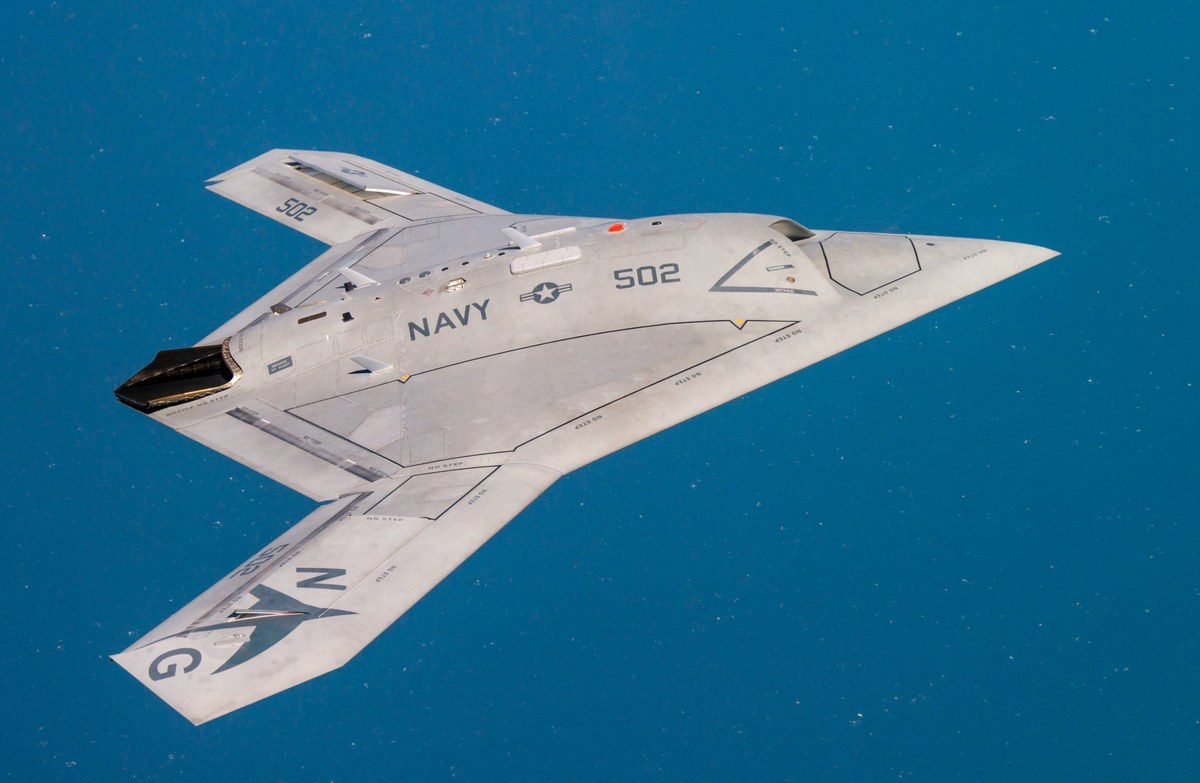
What makes this ship so intriguing is what it may be carrying, a stealth attack drone. These vehicles are designed with special shapes and materials that absorb or deflect radar waves, making them very difficult to detect. Combined with the ability to fly unmanned, they can enter enemy territory to spy or attack with a much lower risk of being detected.
Imagining a giant ship serving as a base for these stealth drones is to envision a new way of conducting naval warfare. Instead of relying solely on manned aircraft, the navy would launch vehicles invisible to radar, extending its reach and its ability to surprise the adversary. It is the kind of combination that sends chills down any military strategist’s spine because it mixes the power of a large ship with the discretion of a weapon that no one sees coming.
There is a clear logic behind combining a huge ship with drones. A traditional aircraft carrier needs manned aircraft, which require highly trained pilots, are expensive, and put human lives at risk with each mission. Stealth drones, on the other hand, can take off from a smaller ship, fly farther, stay in the air longer, and enter dangerous zones without risking anyone. If China manages to operate these vehicles from a 40 thousand-ton ship, it gains much of the power of an aircraft carrier at a much lower cost and with reduced human risk. It is this pursuit of more reach and more power with less exposure that drives Chinese naval innovation and explains why each new image captured by satellites is studied so closely.
The new balance of power at sea
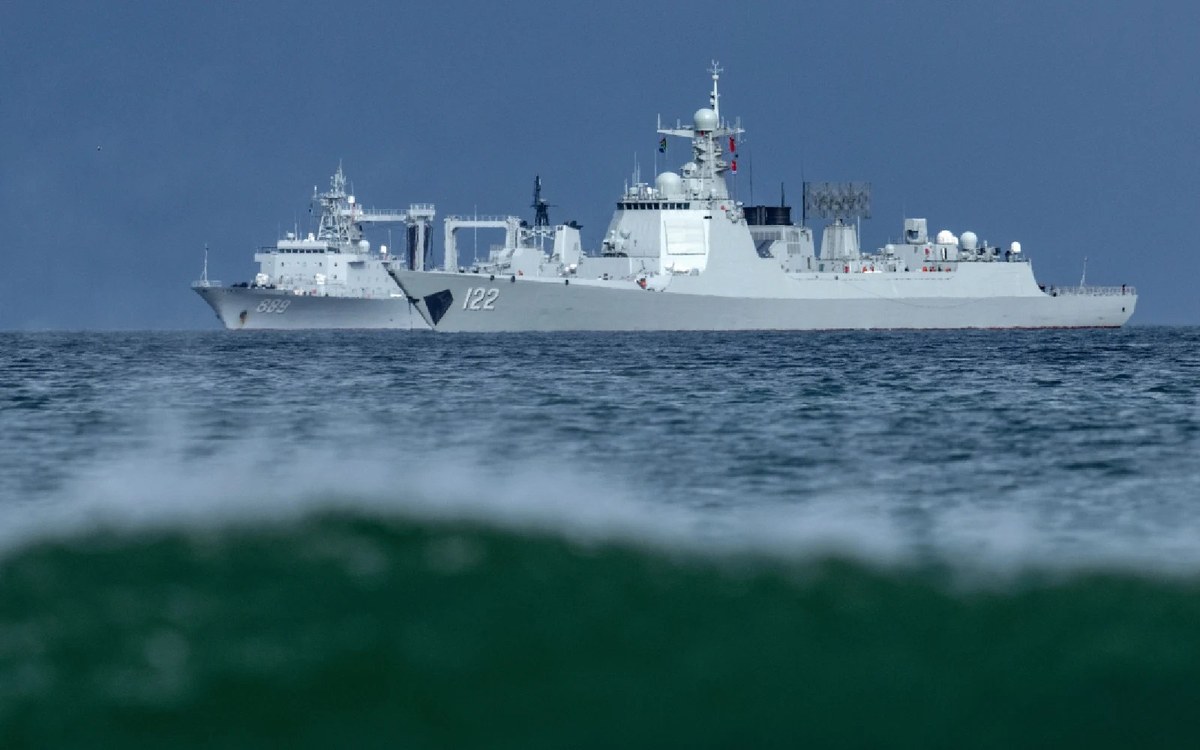
The naval advancement of China does not happen in a vacuum. It directly concerns neighbors and other powers, especially in the Pacific, where the struggle for influence is intense. A larger and more advanced navy gives China more leverage over trade routes, disputed islands, and American allies in the region. Each new ship, especially one that combines size and stealth drones, shifts this delicate balance.
That is why satellites and intelligence services worldwide closely monitor Chinese shipyards. Knowing what China is building is vital for other powers to calculate their own strategies. The emergence of a 40 thousand-ton ship with possible stealth drones is exactly the kind of news that makes military analysts rush to reassess who has the advantage in the seas of the future.
The naval giant growing on the horizon
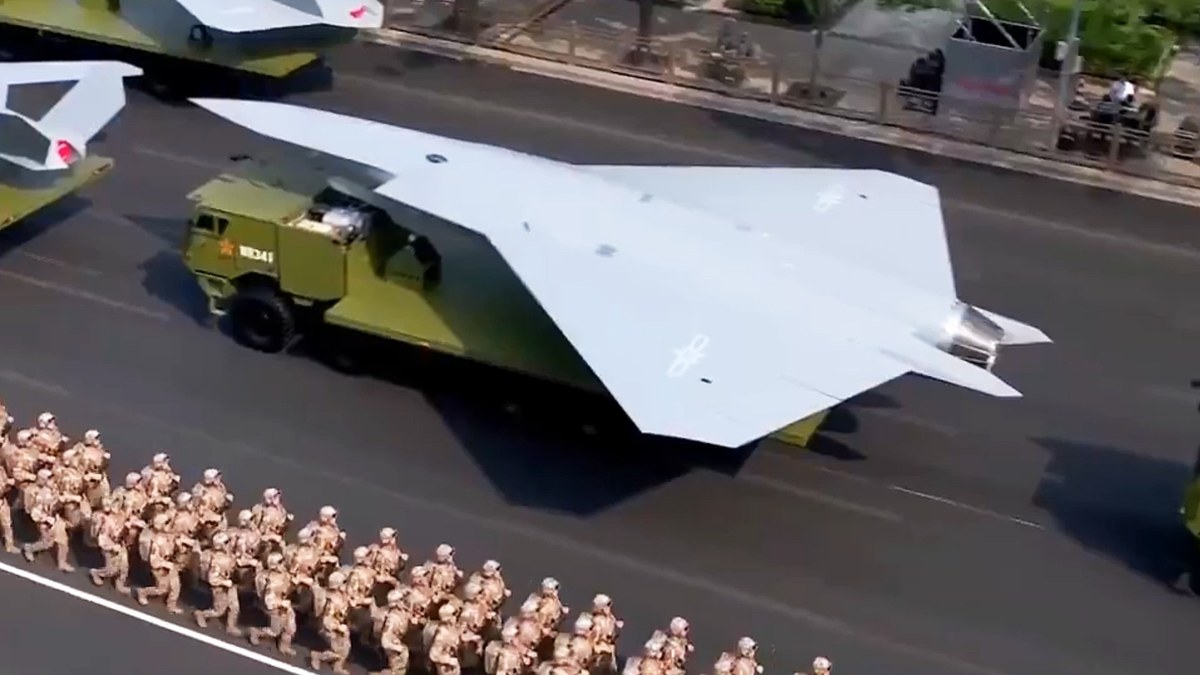
I imagine the magnitude of the transformation happening at sea, with China building a colossal navy in the blink of an eye, combining ever-larger ships with increasingly sophisticated technologies. It is a historical shift in the planet’s balance of power, happening before everyone’s eyes, captured even by satellites in space.
The 40 thousand-ton ship with its possible stealth drone is just another chapter in this rise. If the trend continues, we will see the Chinese navy increasingly present and powerful, capable of challenging the dominance that other powers have exerted for decades. The world watches, calculates, and prepares because the naval giant growing on the horizon promises to reshape the future of ocean disputes, in a power game decided both in shipyards and on the high seas.
Do you think the rapid rise of the Chinese navy could permanently change the balance of power at sea?