Portuguese
  Spanish


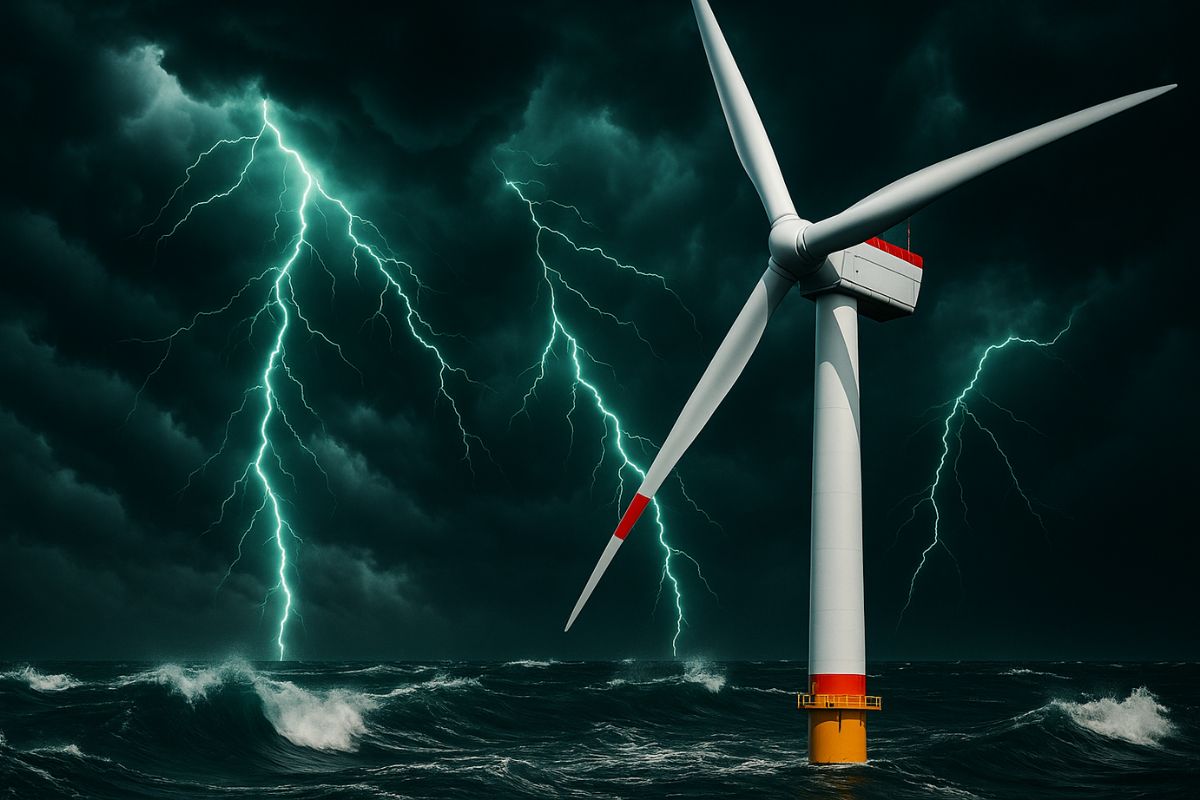

New Structure Can Supply 40 Thousand Homes Per Year and Signals Chinese Dominance Over Clean Energy in Deep Water
China has stopped competing in the same category as other countries when it comes to offshore wind energy. With the construction of the world’s largest floating turbine, measuring 152 meters tall, the Asian country sends a clear message: it doesn’t just want to lead the energy transition — it wants to dictate the rules from its own shipyards.
The project was developed by the state-owned China Huaneng Group in partnership with Dongfang Electric Corporation. According to the Global Times, the turbine will be installed in deep waters off the coast of Yangjiang, Guangdong Province. The unit has the capacity to generate up to 68 million kWh per year, enough to supply around 40 thousand households with clean electricity.
Floating Turbine Resists Typhoons and Extreme Waves
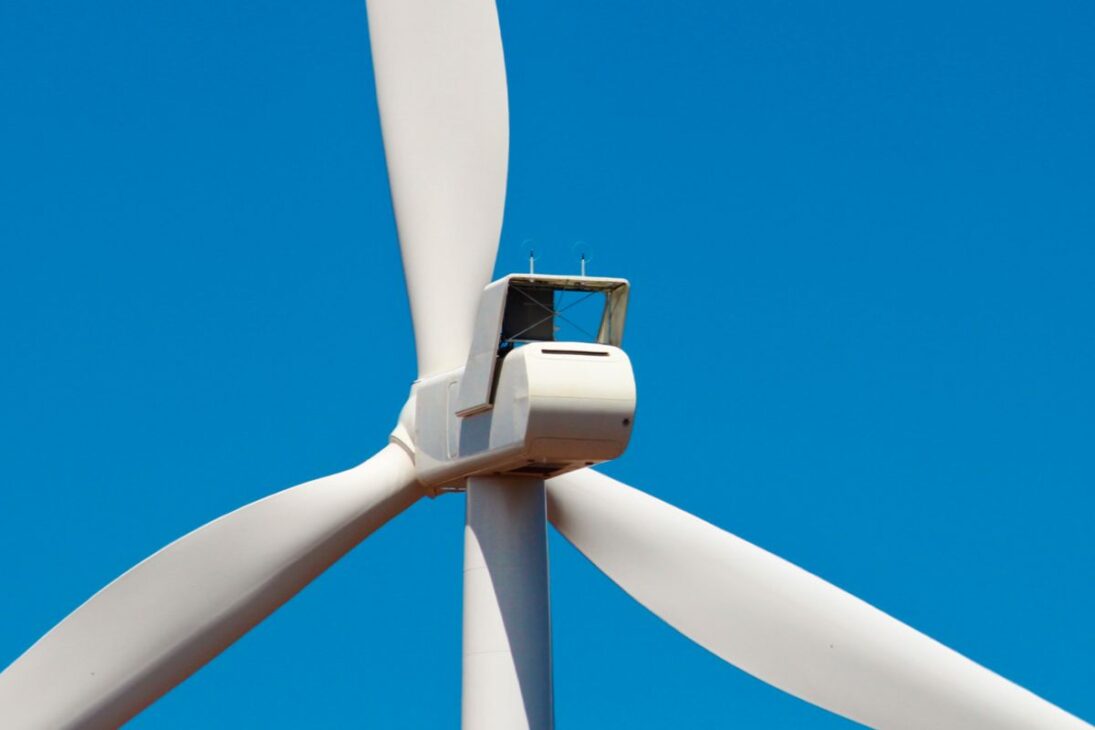
The new offshore wind energy turbine from China stands out not only for its size. Its rotor reaches a diameter of 262 meters, covering an area of 53 thousand m². The design was conceived to withstand the most severe ocean conditions: waves over 24 meters high and winds of up to 200 km/h, equivalent to category 17 typhoons.
-
Wood-Look Aluminum Emerges as a High-Tech Alternative for Facades and Gates, Offering Sophisticated Aesthetics and Low Maintenance

-
Couple Transforms 1964 Concrete Water Tower into Four-Bedroom Home with Views of London Over Four Years

-
U.S. City Builds Tiny Home Village on Water Company Land to House 136 Homeless People: Inside the Social Housing Units
-
Woman Turns Shipping Container into Home, Embraces Rural Life to Cut Monthly Expenses to Just Over $330



In addition to the robust structure, the system features smart sensors and stabilization mechanisms capable of maintaining energy generation even when the platform experiences significant tilting. The project also eliminates external dependencies: all components — blades, generators, transformers, and bearings — were designed and manufactured entirely in China.
Strategic Potential: Deep Waters and Technological Sovereignty
According to China Daily and the Energy Research Institute of the National Development and Reform Commission, deep waters have three to four times more wind potential than coastal areas. However, only floating turbines can operate in these regions. The new structure positions China at the global forefront of this type of technology.
More than just innovation, the project represents industrial sovereignty and technological independence. The country had already installed the 16.6 MW OceanX floating turbine in 2023. Now, it surpasses its own record with a 17 MW model that increases annual generation capacity and geographic reach.
One in Three kWh in China Is Already Clean — and Rising
According to the Global Times, China already has over 2,090 GW of installed renewable capacity as of May 2025, obtaining one third of its electricity from clean sources. With the escalation of domestic offshore wind turbine production, the country accelerates the replacement of fossil fuel matrices while still keeping part of its energy industry dependent on coal.
The new floating turbine is not just an engineering feat — it is a geopolitical statement. At a time when the world is seeking clean sources to curb global warming without stifling economic growth, China demonstrates that it is playing at another level. It is no longer competing. It is leading.
Do you believe that China has truly taken the lead in offshore wind energy? Or can other countries still respond? Leave your opinion in the comments.