






 Portuguese
  Spanish


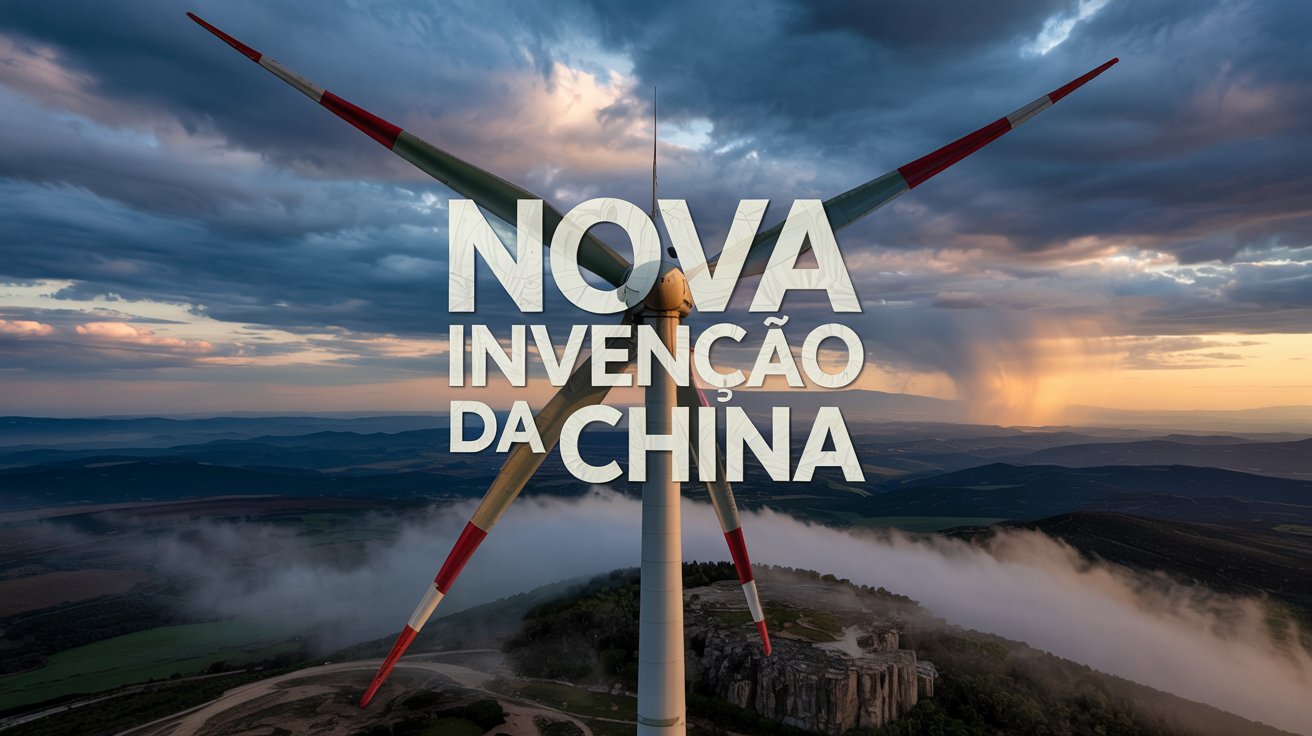
With the Arrival of New Giant Wind Turbines, an Unexpected Effect Changes the Local Climate. Understand How China Is Revolutionizing Renewable Energy with Innovation, and the Possible Consequences for the Future.
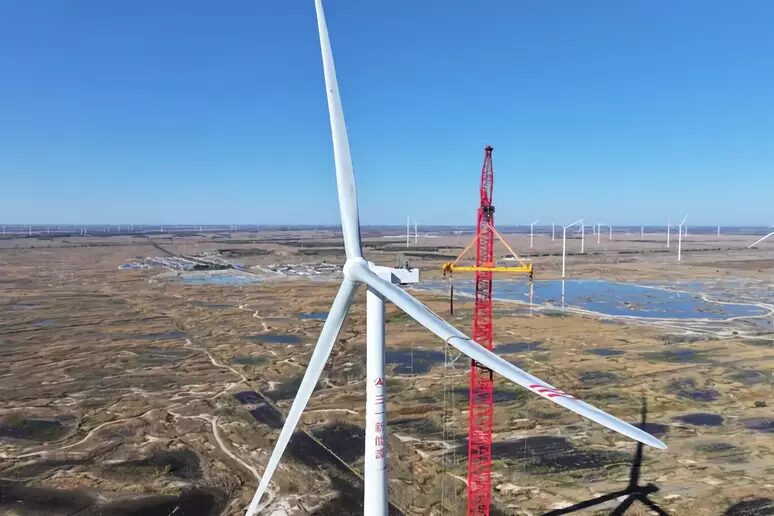
China has just reached an impressive milestone in the renewable energy sector with the installation of the largest onshore wind turbine in the world.
Produced by the giant Sany Renewable Energy, the turbine SI-270150 promises to transform the way wind energy is generated and distributed, but its grandiosity has brought an unexpected effect: the impact on the local microclimate.
With an impressive capacity of 15 MW, the turbine installed in a wind farm in Jilin province, in southeastern China, is a true engineering spectacle.
-
How Many Outlets Should Each Room Have? Guidelines Suggest 6 to 10 in the Kitchen, One Every 3.5 Meters in Living Rooms, and Specific Recommendations for Bedrooms, Bathrooms, Laundry Rooms, and Outdoor Areas

-
Family Turns Homemade Cheese Bread Recipe into a $17 Million Frozen Foods Business with 200 Tons Monthly Production and Over 1,400 Clients

-
Ancient 4,000-Year-Old City in Brazil Grew Wealthier and Reduced Inequality, Study Finds
-
Lost Page from Archimedes Palimpsest Resurfaces in French Museum After Decades, May Reveal Hidden Mathematical Calculations with X-ray and Multispectral Imaging




Its rotor, measuring 270 meters in diameter, is the largest in the world, surpassing even traditional models and pushing the limits of renewable energy.
To get an idea of its magnitude, the length of the turbine blades—which reach 131 meters—could easily cover three football fields from end to end.
This giant in the energy sector has generated a total of 56 million kWh of electricity per year, which is enough to supply a small town.
The first turbine of the series went into operation in November 2024, a month after being connected to the power grid, and as soon as it began operating, it set a new world record.
Innovation and Impact on the Microclimate
The turbine has not only generated an impressive amount of energy but has also brought about a phenomenon not predicted by engineers: the impact on the local microclimate.
The unexpected effect occurs due to the interaction of the enormous blades with the wind, altering air speed and consequently the temperature patterns in the surrounding area.
Experts from Sany Renewable Energy began to notice that the gigantic rotor was generating modifications in wind currents and temperatures in the nearby regions of the wind farm.
This effect is possible due to the enormous area covered by the turbine blades, which can alter the airflow in a way never seen before.
Although the Chinese company has not yet reached definitive conclusions about the long-term impact of these effects, it has already started a continuous and rigorous monitoring process to study these phenomena.
The goal is to assess how these changes may influence the turbine’s performance and, mainly, the sustainability of this type of wind generator in the long term.
Performance Tests and Prospects
The SI-270150 turbine is designed to have a lifespan of 25 to 30 years, a common standard for large wind turbines.
However, before being put up for sale, Sany plans to subject the model to a rigorous testing process.
This process, which may last more than a year, includes around 2,000 performance tests to ensure the model’s durability and efficiency, as well as evaluate the impact of factors such as the microclimate in adjacent areas.
The testing phase is crucial for engineers to verify the reliability of the turbine’s components, especially under real and diverse weather conditions.
This includes observing the interaction of the blades with variations in temperature and wind, along with other weather conditions.
One of the most observed variables will be the impact on the microclimate, which could affect both the efficiency and safety of operations.
China’s Leadership in Wind Energy
With the installation of the world’s largest onshore wind turbine, China reaffirms its global leadership in the renewable energy sector.
The country already holds 65% of global wind capacity, establishing itself as a superpower in clean energy generation.
China’s dominance in the sector is evident, with four of the five leading wind turbine manufacturers in the world operating in the country.
At the same time, Sany Renewable Energy is not alone in this type of innovation.
While the Chinese giant was installing the largest onshore wind turbine in the world, its competitor Mingyang, also Chinese, was commencing operations of the largest offshore wind turbine, with a capacity of 20 MW, installed on the coast of China.
This type of progress accelerates the development of technologies that may make wind energy even more efficient and accessible in the future.
Logistical Challenges in Europe
Although the impact of giant turbines is being widely monitored in China, it is unlikely that models of such magnitude will be installed in Europe, mainly due to the logistical and environmental challenges faced by European countries.
The installation of large wind turbines requires robust infrastructure for transporting the parts, which can be difficult to ensure in areas with significant geographical limitations and restricted traffic.
Moreover, obtaining environmental and administrative permits for the installation of such large turbines represents an additional obstacle.
In Europe, where environmental laws are stricter, installing large turbines requires considerable time to obtain licenses, in addition to more detailed environmental impact studies.
Despite this, the technological advance of the Chinese wind industry continues to impress, placing the country in an even more dominant position in the global arena.
The technology of increasingly larger and more efficient wind turbines is paving the way for a future where renewable energies will play an increasingly important role in providing clean and sustainable electricity.
The Future of Wind Energy
As wind energy technologies evolve, it is interesting to think about the challenges and opportunities that arise.
Continuous innovation promises not only to increase the power generation capacity of turbines but also to improve efficiency and reduce the environmental impact of installations.
However, the unexpected impact on the microclimate raises important questions about the compatibility of these new models with local ecosystems and long-term impacts.
Meanwhile, China’s wind industry continues to advance, with increasingly bold models that may serve as inspiration for other countries looking to stand out in the field of renewable energies.
Do you think that the impacts on the microclimate could represent a greater challenge for wind turbines in the future? Leave your comment below and share your opinion on advancements in wind energy!




Be the first to react!