Portuguese
  Spanish


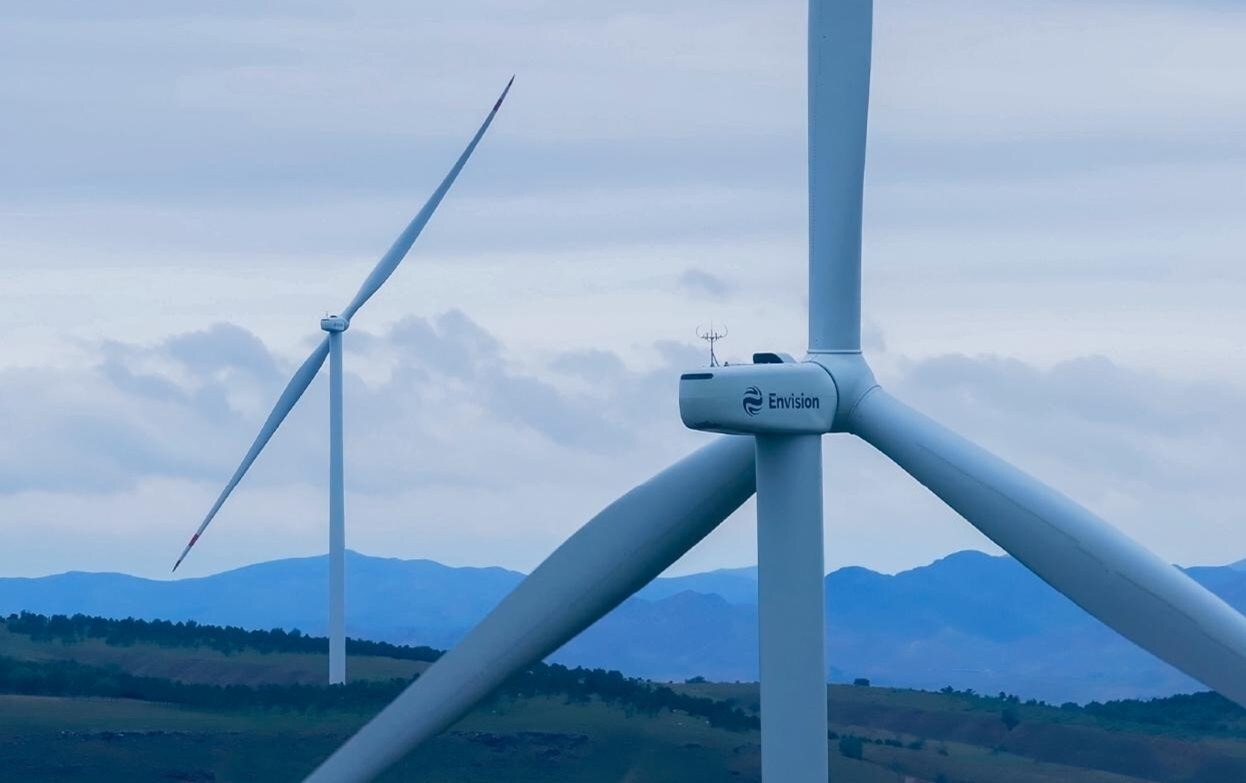

After Years of Silent Research, a Chinese Energy Giant Surprises the Market by Revealing an Innovative Two-Blade Wind Turbine That Exceeded Performance and Stability Expectations. The New Product Could Change the Course of Wind Energy Worldwide.
After more than 500 days of stable operation, the Chinese company Envision Energy revealed to the world its two-blade wind turbine.
The innovation had been tested in secrecy and achieved a 99.3% availability rate, indicating high performance and reliability.
During this period, the equipment recorded 2,444 hours of mean time between failures, as well as 3,048 equivalent annual full load hours.
-
Brazil filled the Northeast with wind turbines but now faces the side effect of 705 giant blades reaching the end of their lifespan by 2032 just in Rio Grande do Norte, while the world projects 43 million tons of waste by 2050.

-
Brazil has filled the Northeast with wind turbines, but now it faces the side effect of 705 giant blades reaching the end of their useful life by 2032 just in Rio Grande do Norte, while the world projects 43 million tons of waste by 2050.
-
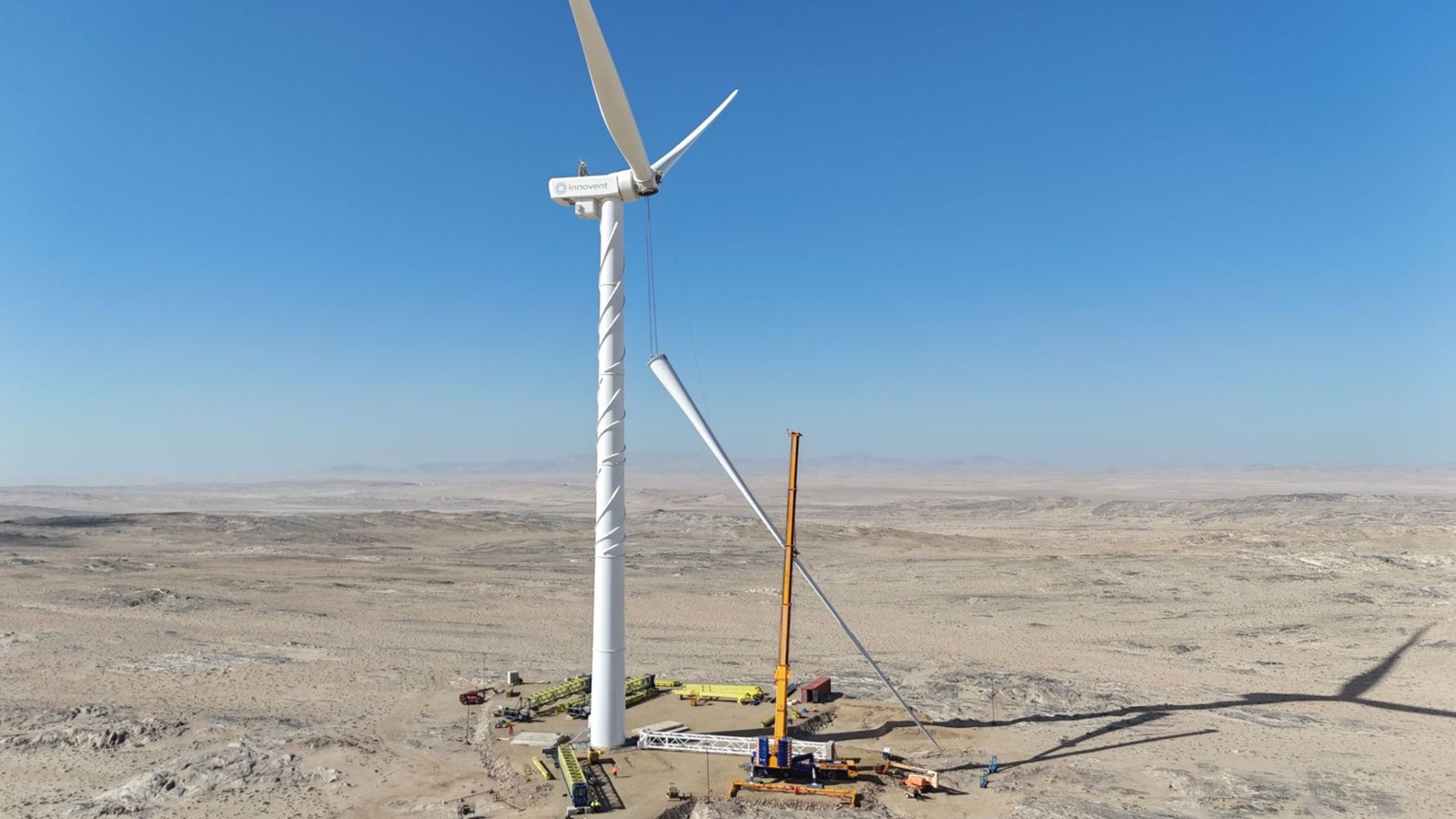
Wind farm in Namibia will have wind turbines assembled without giant cranes and is expected to avoid 200,000 tons of carbon dioxide per year when it becomes operational.

-
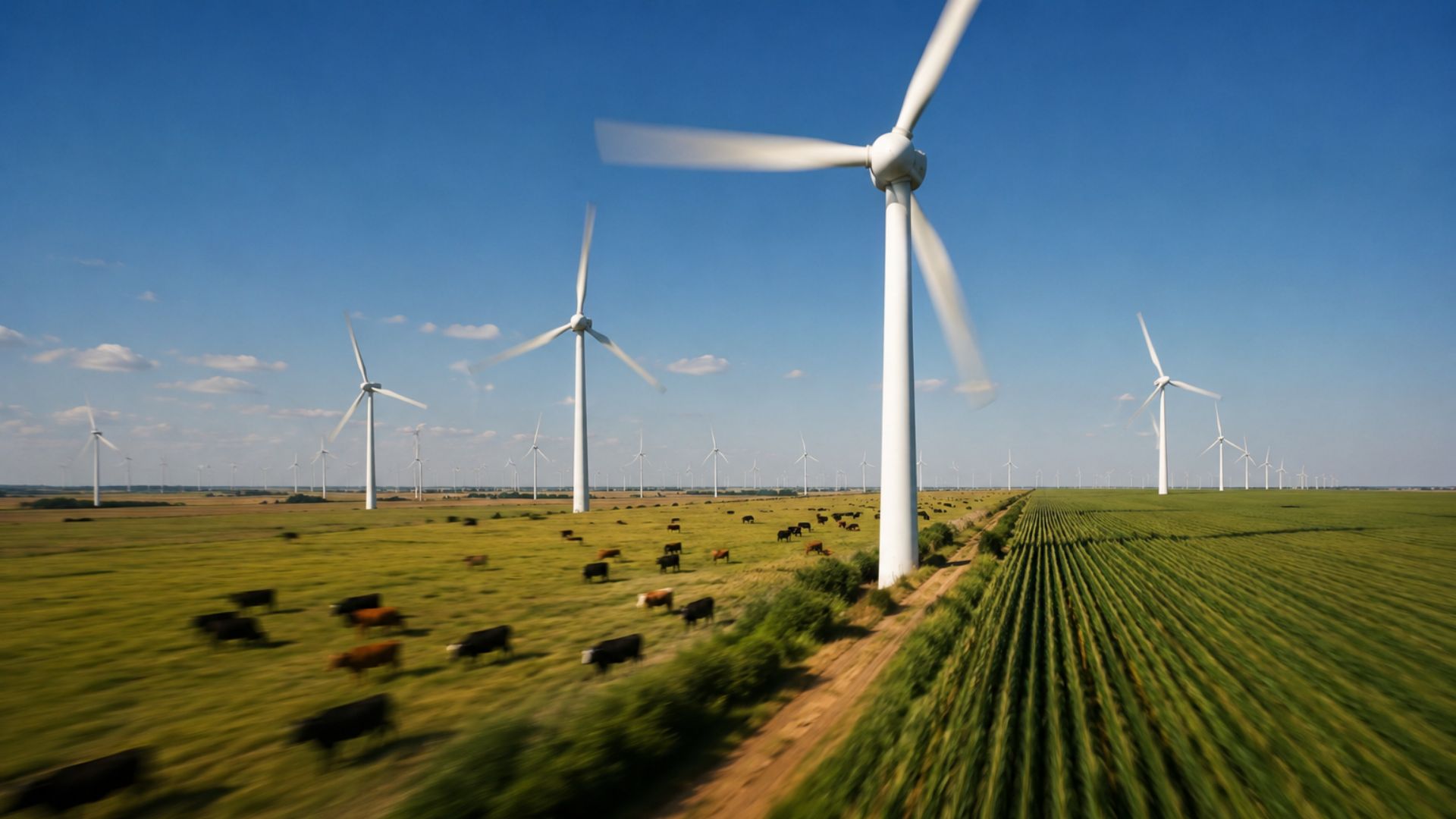
Taller than the Statue of Liberty, thousands of wind turbines are being planted in the middle of U.S. fields, creating two-story farms where corn and soybeans grow below while the wind turns into electricity above.


This figure compares to the performance of conventional three-blade turbines.
The most important thing is that the prototype proved to be a viable alternative, even in the face of historical challenges that have hindered the use of this model.
Structural and balance issues have always placed two-blade turbines in the background, but Envision’s tests indicate a paradigm shift.
Lightweight Design and Advanced Technology
The turbine was developed based on the company’s Model X land-based platform. It features a modular design and uses high-speed DFIG (Doubly Fed Induction Generator) technology.
The assembly was designed to maintain stability, even under demanding operating conditions.
In addition, the model has a lightweight and integrated structure, which favors its use in various scenarios of green energy generation.
Engineers also focused on a shape that allows for better transportability, ideal for regions where access is challenging or infrastructure is limited.
Field tests conducted by specialists confirmed the commercial readiness of the project. According to Envision, all parameters underwent systematic planning and validation, reinforcing the technology’s maturity.
Development and Refinement History
The company’s journey with two-blade turbines began in 2012, when its innovation center in Denmark created an offshore model of 3.6 MW called Game Changer.
This project served as the foundation for the current advancements. The prototype now revealed was installed in 2013 but underwent refinements over the past years.
During testing, engineers utilized an unprecedented charging system with multiple degrees of freedom. This equipment allowed for simulating various operational conditions and adjusting the system for optimal performance.
Advantages for New Markets
Senior Vice President Lou Yimin emphasized that the new turbine could benefit remote or developing areas. Having fewer components and being lighter, it offers logistical and economic advantages. This could boost wind energy in places where conventional turbines are not viable.
Envision considers the project a milestone. For the company, it represents a reaffirmation of its global leadership and commitment to the energy transition toward clean and efficient technologies.