Portuguese
  Spanish


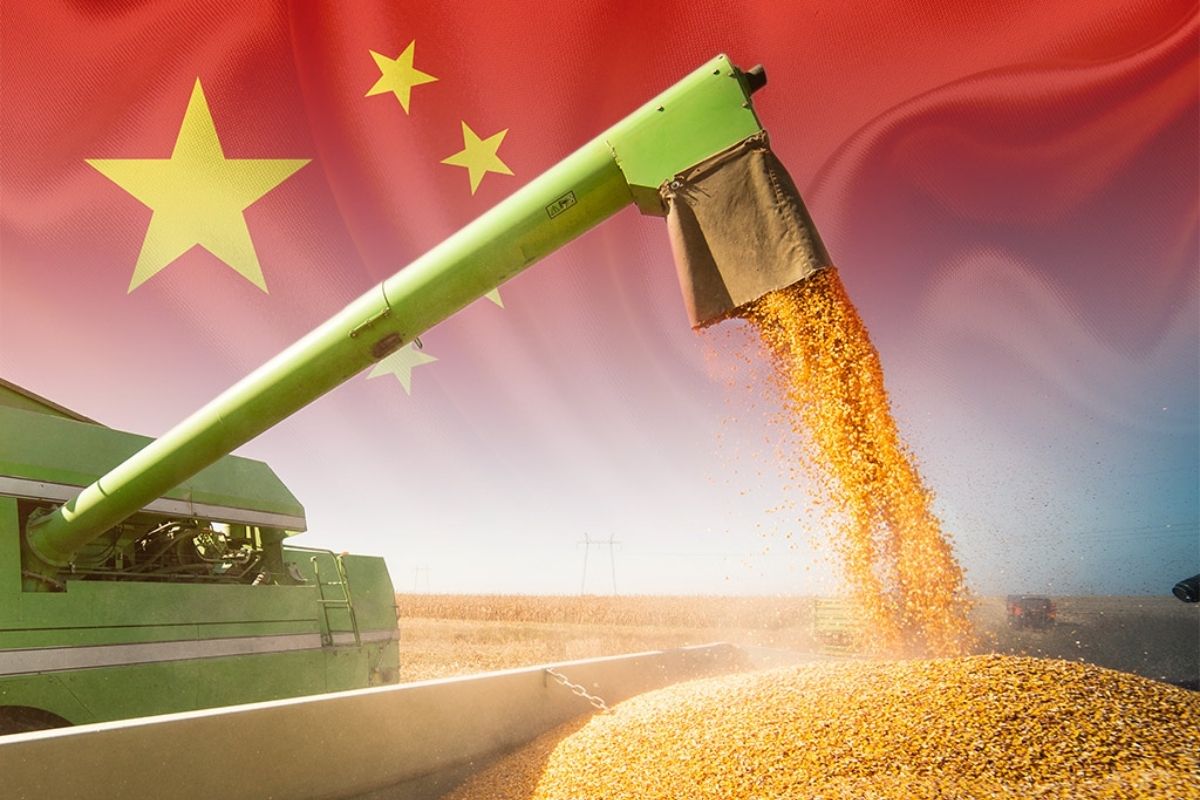

Brazil Could Become A Major Corn Exporter To China In 2023 And Will Need To Control Production
The China has reviewed its trade relationship with Brazil regarding corn and found itself needing to purchase the grain, given the war in Ukraine against Russia. Therefore, Brazil is moving towards becoming a major corn exporter to China. However, this trade relationship has brought some demands, mainly for phytosanitary control to prevent pests and diseases in the grains.
Since this control procedure had not yet been adopted for the winter crop, the forecast is that corn will only be exported to China in 2023. This is because the summer crop will start already within the standards requested by China to purchase corn from Brazil. Thus, the harvest will be available in the first months of 2023. To understand more, continue reading!
Agreement Between China And Brazil For Corn Export Was Revised. Check More In The Video Below.


Brazil’s Domestic Corn Market Prepares To Meet China’s Demands
This new agreement between the countries has brought significant movement in Brazil’s private corn market to meet the demand for exports. Later this month, a meeting is scheduled among potential exporters of Brazilian grain, where the main quality parameters to be followed in the summer crop will be discussed. The Brazilian Agricultural Research Corporation (Embrapa) is also addressing the matter with the government.
-
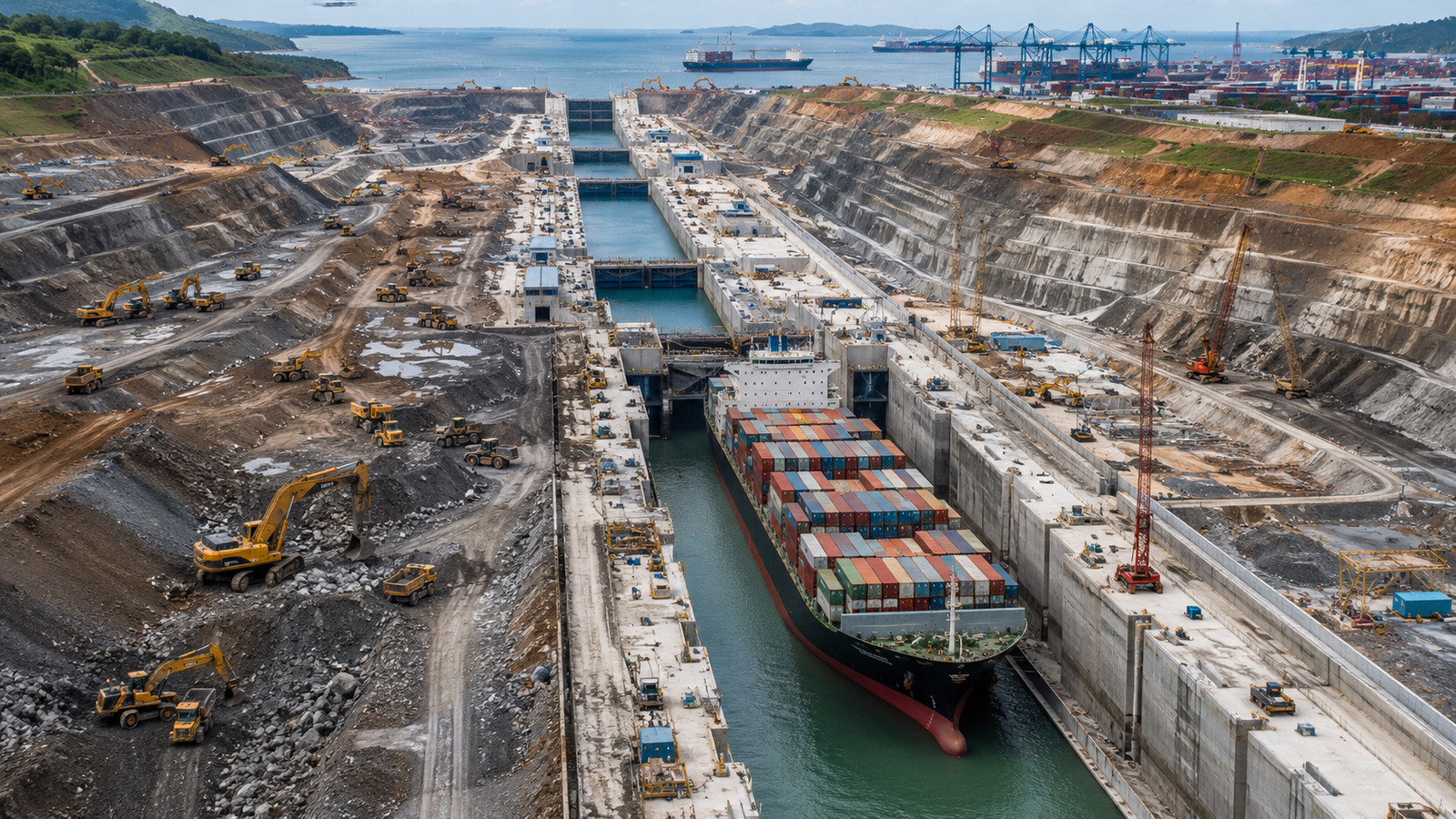
China wants to impress the world once again with a mega canal featuring giant locks, deep waters, and space for the largest ships, in a project aimed at shortening journeys, reducing queues, and rivaling the Panama Canal in global trade.

-
Brazil saved US$ 32.4 billion in 2025 by switching from fossil to renewable energy and only ranked behind China and the United States on the IRENA global podium.

-
A company from SC that moves R$ 125 billion in agribusiness is integrated into an international group, maintains its headquarters and jobs in Chapecó, and is preparing to expand software for cooperatives, grain companies, and industries while targeting new markets without leaving the western region of Santa Catarina.
-
Portugal “hides” gold reserves of 382 tons valued at 47 billion euros in an armored building, and the story involves gold from colonial Brazil, Nazi Germany, and a fortune that once amounted to 866 tons.




The war between Ukraine and Russia has impacted the supply of over 10 million tons of corn annually from Ukraine to China. The conflict has resulted in a blockage in the Black Sea, the main shipping route for corn between the regions. Even though China is the second-largest corn producer in the world, it still requires a large amount of imported corn to meet its national demand.
Drought In The United States And The War In Ukraine Favor Brazil In Corn Exports
China imports a significant portion of its corn from the United States and Ukraine, its largest suppliers. However, the United States is experiencing a drought that could cut up to 70% of the corn supplied to China. Additionally, Ukraine is in a state of war against Russia, and its supply is interrupted.
Therefore, China’s fears regarding the shortfall of this grain have led them to reconsider purchasing grain from Brazil. The agreement had been suspended due to phytosanitary issues and pests in the crops. The countries have already finalized an agreement for over 200,000 tons for September 2022, and millions of additional tons are expected to be negotiated for 2023.
Corn Could Become A Great Opportunity For Rural Producers In Brazil, But It Could Impact The Meat Sector
Our country currently ranks third in the world among the largest corn producers and is likely to see significant growth with the start of exports to China. However, with the supply of one of the main grains used in the meat production chain, the sector may be affected. After all, those responsible will need to invest more in feed, considering the low amount of corn for domestic manufacturing.
Therefore, it is essential to think about a strategic plan to schedule purchases and mitigate risks in order to avoid greater damage to the domestic market. Nonetheless, the power of Brazilian agribusiness is breaking barriers and conquering the international market. This is just the beginning, as we also have peanuts and sesame in the pipeline to reach new parameters.