






 Portuguese
  Spanish
 3 min of reading


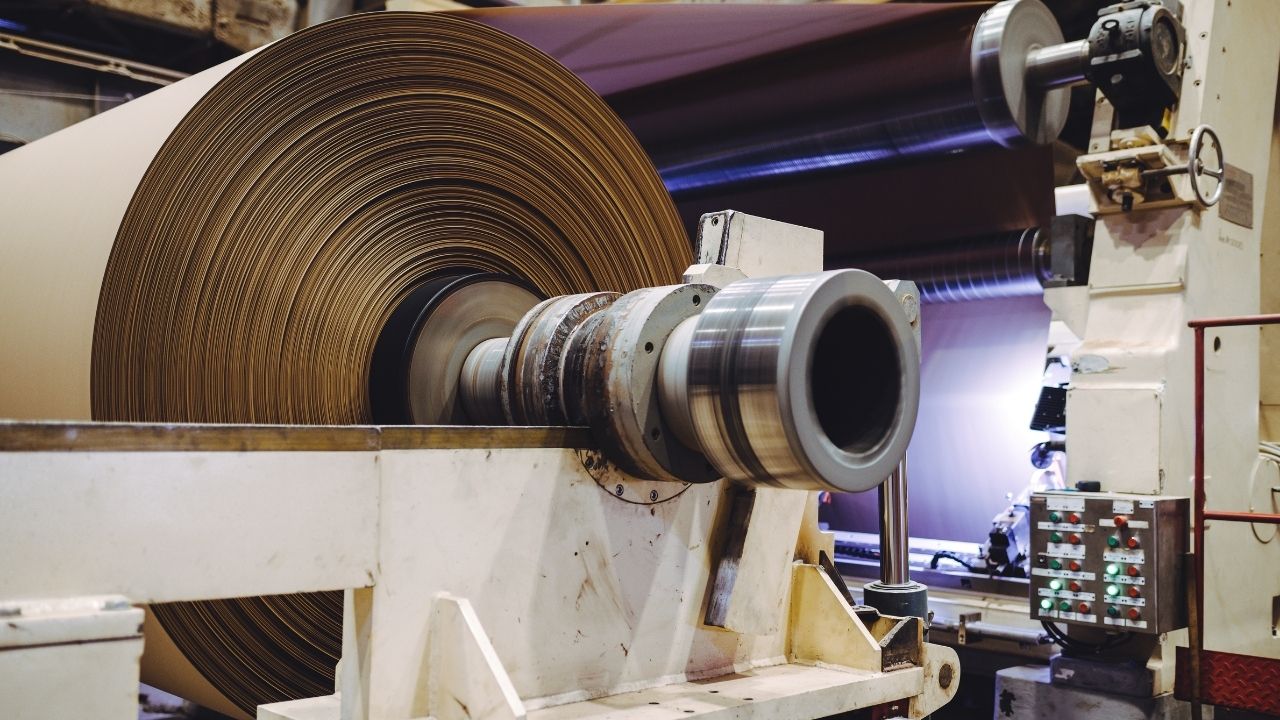
The Pulp And Paper Sector Is Experiencing Surprising Growth Due To Demand For More Sustainable Products
The pulp and paper sector is one of the fastest growing in recent years due to the high demand from companies, restaurants, and individuals for more sustainable products. In this context, paper emerges as a potential substitute for plastic, as it has a shorter degradation time in nature. In addition to production, exports are also highlighted, and forecasts indicate billion-dollar investments in the sector in the coming years.
According to the Brazilian Tree Industry (IBA), in 2021 the export rate increased by 4.3%, which stimulated the expansion of tree planting and the establishment of new industries in the sector by 2023. Thus, there is a forecast of investment of over R$ 35 billion coming up. And all sectors of the pulp production chain will benefit, from those who plant the trees to those who supply parts for the operation of the paper industries.
Know What To Expect From The Paper Sector In The Coming Years With The Video Below


Companies Supplying Parts To The Industry Of This Segment Will Also Benefit From The Increase In Exports
Companies like Krominox, one of the largest producers of stainless steel tubes for pulp production in Brazil, foresee greater investment and expansion of production in 2022, aiming to meet the new demand of the sector. According to the company’s CEO, Marcos Barbosa, the 25 years of the company’s operation in this market brings experience about the field to prepare for demand with some advance notice. Furthermore, he emphasizes that the company offers a wide catalog of tubes of different diameters and laminations, aiming to provide greater flexibility at the time of purchase.
-
Brazilian Joins Homeownership Consortium, Faces Decade of Dual Payments Totaling $141,000, Surpassing Traditional Mortgage

-
Land Rover to Halt Production in July, Putting 371 Jobs at Risk, as Chinese Automaker Negotiates to Convert Factory to 100,000 Vehicles Annually by 2027

-
Bolivian Female Construction Workers Form Association to Combat Discrimination and 38% Pay Gap in the Industry
-
Mexican Pest Threatens U.S. Cattle Herds at Historic Lows, Potentially Boosting Brazilian Beef Exports as Burger Prices Soar


However, Krominox still highlights its differential, which would be customization, with the tailoring of parts according to each client’s needs. After all, industrial projects are planned according to the layout of the site and may require different conditions and shapes. Thus, the company aims to produce parts that optimize pulp production and avoid potential losses, generating long-term savings. Moreover, stainless steel is a sustainable product, favoring the idea of environmental responsibility sought today.
The Pulp Market In Brazil Is Very Promising And Considered A Giant In Expansion By Experts
According to data from the Ministry of Mining and Energy, of the Federal Government, Brazil is the second largest producer of pulp in the world, trailing only the United States of America. Our country was responsible for producing 11.3% of the world’s total pulp, which is equivalent to 21 million tons. In addition, Brazil was recognized as the largest exporter of pulp in 2020, with over 15 million shipped abroad.
Paper recycling also places Brazil in a prominent position, given the constant pursuit of sustainability. In 2020, the country recorded a recycling rate of over 70% of paper, while the global average is only 59.1%. And it doesn’t stop there. Over the past 50 years, the country has made significant progress in the use of renewable sources for paper and pulp production, increasing from 54% in 1970 to 89% in 2020.
All of this reflects a stable market that places Brazil in a prominent position in pulp exports compared to other countries. This ultimately benefits the country’s economy and increasingly stimulates investments in the sector.


Be the first to react!