






 Portuguese
  Spanish


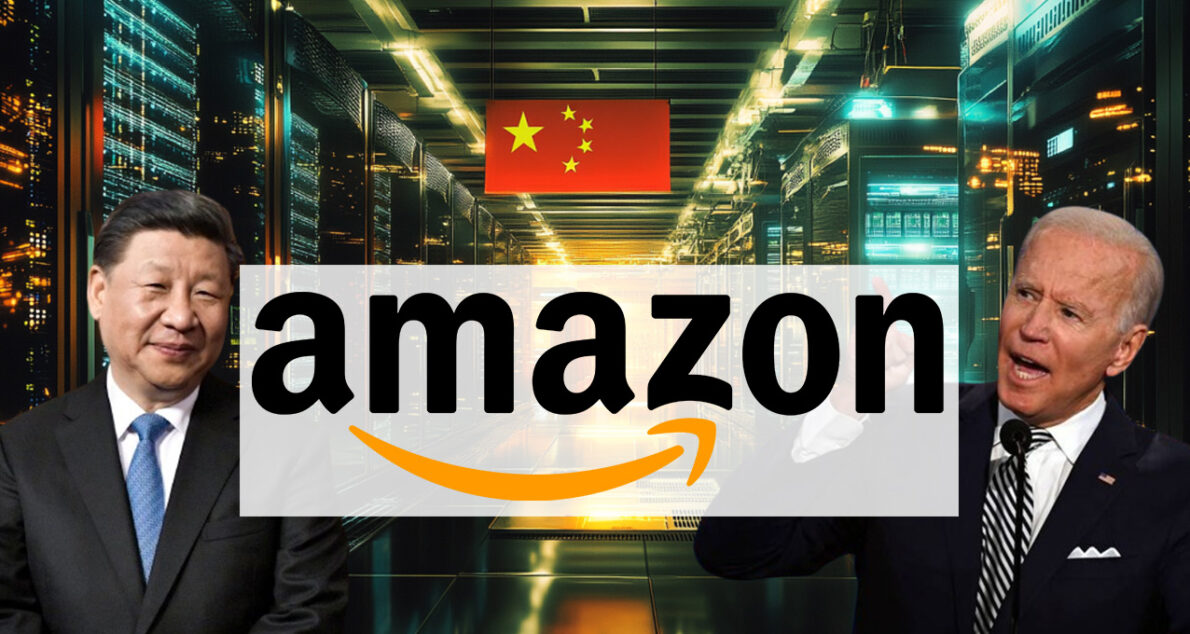
Universities And Chinese Companies Are Using Amazon Services To Access AI Chips, Circumventing US Sanctions. The American Government Promises New Measures To Close This Loophole, Which Could Intensify The Technological Dispute Between The Two Powers. Amazon Denies Wrongdoing, But Tensions Between The Countries Remain High.
In the midst of the turmoil of trade tensions between the United States and China, a crucial detail has gone unnoticed by many: how is China circumventing tough US sanctions and accessing cutting-edge technology?
In a scenario where the race for technological supremacy intensifies, Chinese ingenuity has found an unlikely — and at the same time questionable — solution in Amazon’s cloud.
This move, which looks more like a geopolitical chess game, reveals a new phase in the dispute between the two largest world powers. But how far can this strategy go without provoking greater retaliation?
-
Russia and India Lift 320-Ton Pressure Vessel into Kudankulam Nuclear Plant Reactor, Advancing Project That Has Already Prevented 112 Million Tons of CO2 Emissions

-
Brazilian Student Wins Global Science Fair in the U.S. with Sound Wave Method to Alter Alzheimer’s-Linked Genes
-
Major Brazilian Supermarkets, Including Carrefour and Assaí, May Close Earlier to Prevent Price Increases
-
Bosch Unveils Revolutionary 2.3 kg Hub Motor for E-Bikes with 45 Nm Torque and 400 Watts Power, Eliminating Resistance Above 25 km/h in Historic Shift for German Manufacturer


The Chinese Plan: A Creative Solution To A Complex Problem
Chinese companies, universities, and other entities are turning to Amazon Web Services (AWS) to overcome the barriers imposed by the US.
The use of Amazon’s cloud services allows these institutions to process complex Artificial Intelligence (AI) data, bypassing restrictions on access to cutting-edge chips from NVIDIA, essential for technological advancements in the field.
Intermediaries At The Center Of The Move
The strategy behind this maneuver involves a game of intermediaries. Chinese companies and universities, unable to establish direct contracts with Amazon due to sanctions, have used third parties to establish agreements with the American giant. This ensures access to chips like the NVIDIA A100 and H100, indispensable for cloud AI processing.
Amazon Defends Itself, But Suspicions Remain
In response to the accusations, an Amazon spokesperson denied any wrongdoing, stating that the company “complies with all applicable US laws, including trade laws, concerning the provision of AWS services both within and outside of China.”
However, the lack of responses from Chinese institutions such as Shenzhen University and Zhejiang Lab only increases suspicions.
US On Alert: The Response May Be On The Way
With the revelation of this loophole, the US government is already working to close gaps in the new phase of sanctions.
According to recent statements, efforts are being directed to “strengthen our existing controls that restrict PRC companies from accessing advanced AI chips through remote access to cloud computing capabilities.”
Still, the White House has not announced a specific date for the implementation of these measures, leaving many American and Chinese companies on high alert.
The Future Of Sanctions And The Technological War
Tensions between the United States and China show no signs of slowing down. The question now is: how long can Chinese companies continue to circumvent sanctions without facing more severe consequences?
With increased scrutiny and tightened control measures, the next phase of this dispute could define the future of global technology.
Question For Readers: Do you believe that this Chinese strategy of circumventing sanctions could further escalate the trade war between the US and China, or is there another way out of this technological dispute?







Be the first to react!